A retained concrete block or paver is useful only when the factory can explain what it represents. A unit placed beside an inspection desk without a batch reference, selection date, or storage history may be difficult to interpret later. Its appearance alone cannot establish which order it belonged to or whether its condition has changed since production.
A retained-sample system connects selected physical products with the records needed to interpret them. It can support appearance discussions, internal investigations, customer communication, and additional evaluation where appropriate. However, keeping a few units does not automatically demonstrate that every product in a delivery met its requirements.
This guide explains how a concrete block plant can organize retained samples without confusing them with test specimens, approved appearance references, or general display products. It does not prescribe a universal sample quantity or retention period. The responsible quality team should define those requirements according to the product, customer agreement, applicable requirements, and intended use of the retained material.
Retained-sample control begins with identifying the selected products and their production stage.
Define What Each Retained Sample Is Intended to Show
Start by separating the different reasons for keeping a product. A retained production sample is selected from an identified production run for a defined future reference. An approved appearance reference records an agreed visual target. A test specimen is prepared or selected for a specified evaluation. A showroom product is primarily a display item. These categories should not be treated as interchangeable.
Record the intended purpose when the sample is selected. The factory may want to retain an example of an architectural paver finish, preserve a reference from a particular delivery, or keep material available for a defined investigation. A clear purpose helps determine the identification, storage, quantity, and review arrangements needed. Keeping products without a purpose can fill storage space while creating little useful evidence.
Specify the limits of the sample's role. A visual reference can help explain colour, texture, or edge appearance, but it does not by itself establish compressive strength or other required properties. Likewise, a satisfactory test result from an identified specimen does not automatically turn an unrelated display block into a representative record of the same production lot.
Use terminology that purchasing, production, quality, and sales teams understand consistently. If the factory calls every stored unit a reference sample, staff may assume that it has been approved or tested when neither is true. Put the category and intended use on the record so that later decisions do not depend on an informal explanation from the person who originally selected it.
Select Samples Without Losing Production Context
Define selection arrangements before routine production begins. Identify the products and orders covered, the production stage at which units are selected, the responsible person, and the sampling procedure to follow. The plan should be proportionate to its purpose. An appearance-reference process and a formal product-testing programme may require different selection methods and should not be combined casually.
Record whether a sample was selected during normal production, after a setting change, from a held lot, or during an investigation. These circumstances affect interpretation. A deliberately selected defective unit may be valuable for diagnosis, but it should not be presented later as an ordinary retained example of the whole delivery. Preserve the reason for selection alongside the physical product.
Keep the production context available without trying to print every detail on the sample. The record may link to the product drawing, mould identification, recipe revision, forming date, curing route, and applicable inspection results. The essential requirement is a reliable connection between the unit and those records. A label that can no longer be matched to a database entry has limited value.
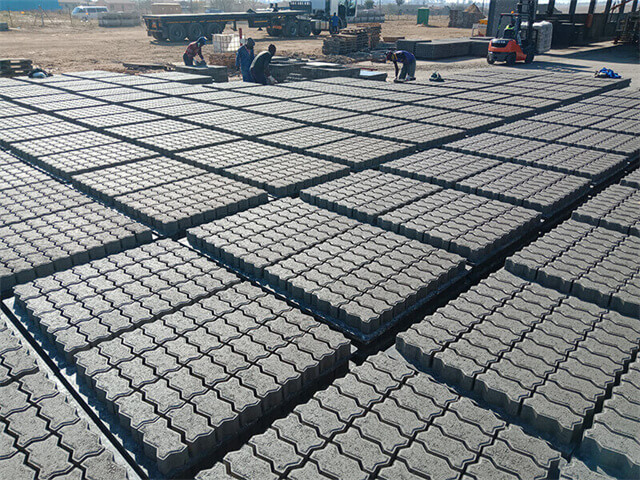
For a multi-size paving product, consider whether the retained material needs to preserve the relevant size combination or arrangement. One isolated unit may not explain a customer concern about a complete laying pattern. The responsible quality reviewer should define what needs to be retained and document any limits, rather than assuming that one convenient piece can answer every later question.
Connect Sample Labels with Batch and Product Records
Give each retained sample or controlled sample group a unique identifier. Link it to the product code, production lot, selection date, and storage location. Where a group contains several units, record how individual pieces are distinguished if they are separated. The system should remain understandable when products are moved, inspected, or temporarily issued for a review.
Choose a labelling method suitable for the product and intended evaluation. Identification should remain legible without unnecessarily altering the surface being retained for comparison. If a label is attached to packaging or a storage tray, establish how the connection to the individual units will be preserved. A labelled shelf alone may not be enough once samples leave that shelf.
Keep customer-approved references distinct from retained production units. Record the approval basis and any conditions attached to the reference, including the relevant product version. A production sample should not become a customer-approved appearance standard merely because it has been stored for a long time or used informally in a sales discussion.
Photographs can support identification, but they should carry the same sample reference and a clear description of what is shown. Include the relevant view and date where needed. A photograph without a physical or production reference can become detached from its meaning. Do not use an image file name as the only identification system for a sample that may need to be located months later.
Control Item
Information to Record
Reason for Keeping It
Sample category
Retained production unit, appearance reference, test specimen, or investigation sample
Prevents one type of evidence from being mistaken for another
Production identity
Product code, lot reference, selection date, and relevant revision
Connects the physical sample with production records
Selection context
Selection stage, reason, procedure, and responsible person
Explains what the sample can reasonably represent
Storage history
Location, movements, exposure, and observed damage
Helps distinguish later changes from original product condition
Issue and disposal status
Review purpose, authorization, return status, and disposal decision
Preserves control when samples leave storage or retention ends
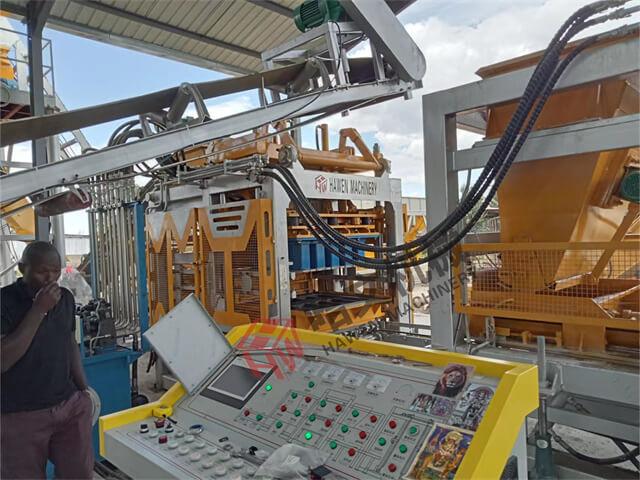
Sample references should connect with the plant's actual production records, not only a general machine description.
Control Storage, Handling, and Access to Retained Units
Choose storage arrangements that support the intended purpose and preserve a documented condition history. Avoid placing retained products where they can be confused with saleable stock, routine rejects, or disposable material. The storage location should make identification and retrieval practical while following the plant's established handling and workplace-safety arrangements.
Record relevant exposure rather than assuming that a stored product has remained unchanged. Moisture, weathering, surface contamination, handling damage, and cleaning can affect later observations. A unit stored outdoors should not be described as an unchanged record of its appearance at dispatch unless that conclusion is supported by the retention method and documented history.
Control access and movement. Staff should know who may remove a sample, what information must accompany it, and how its return or consumption is recorded. If a sample is used in a destructive test, update its status. An inventory that continues to list a physically consumed specimen as available can delay an investigation when the item is needed again.
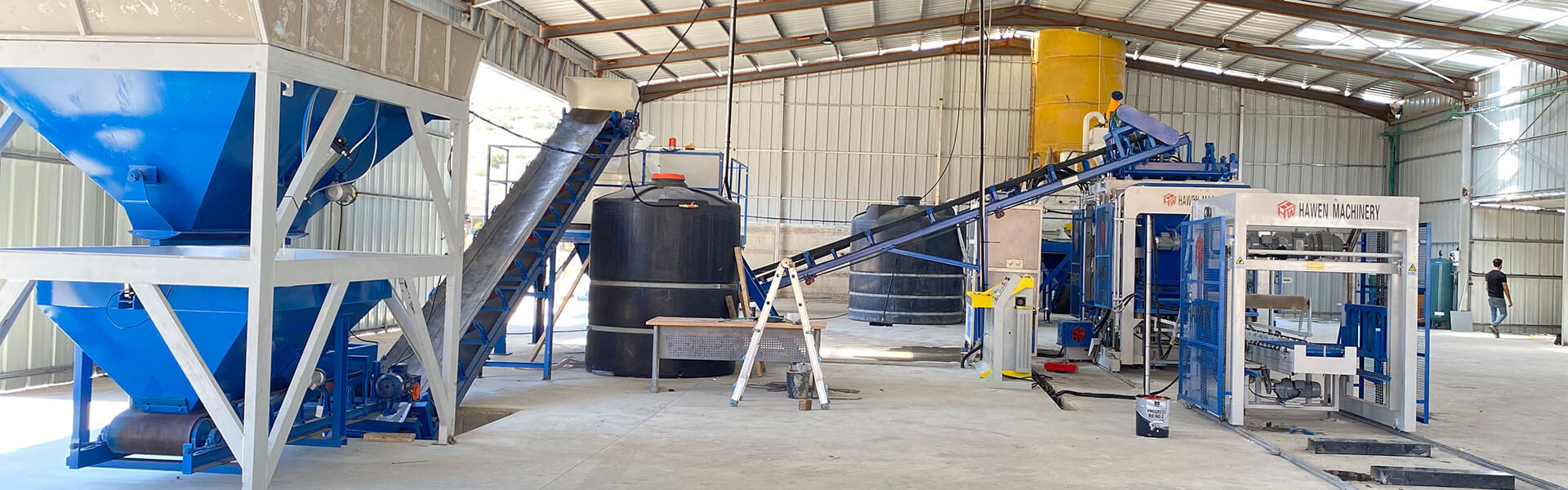
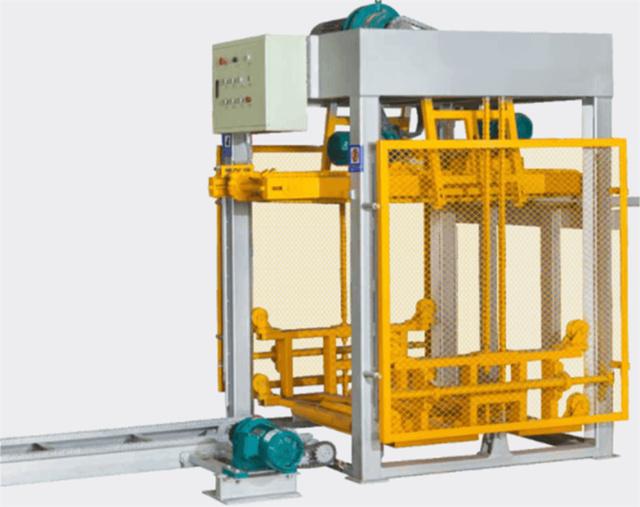
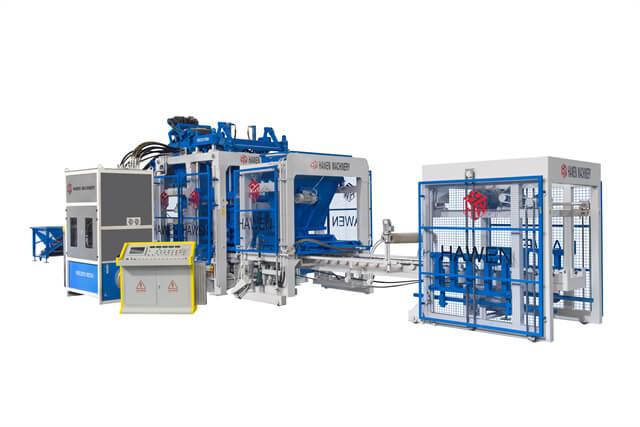
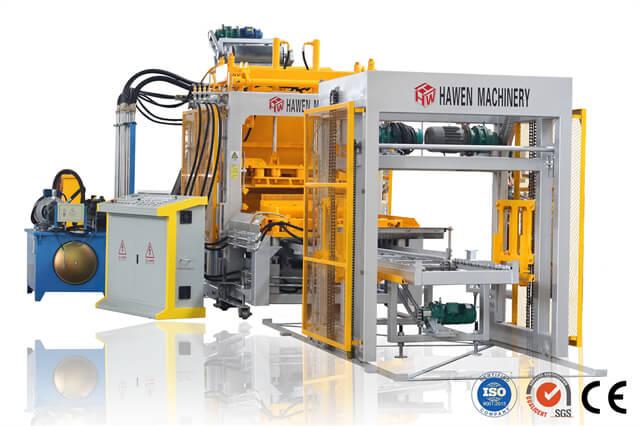
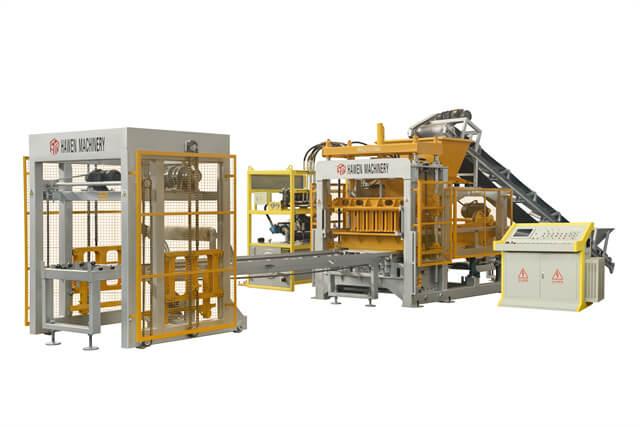
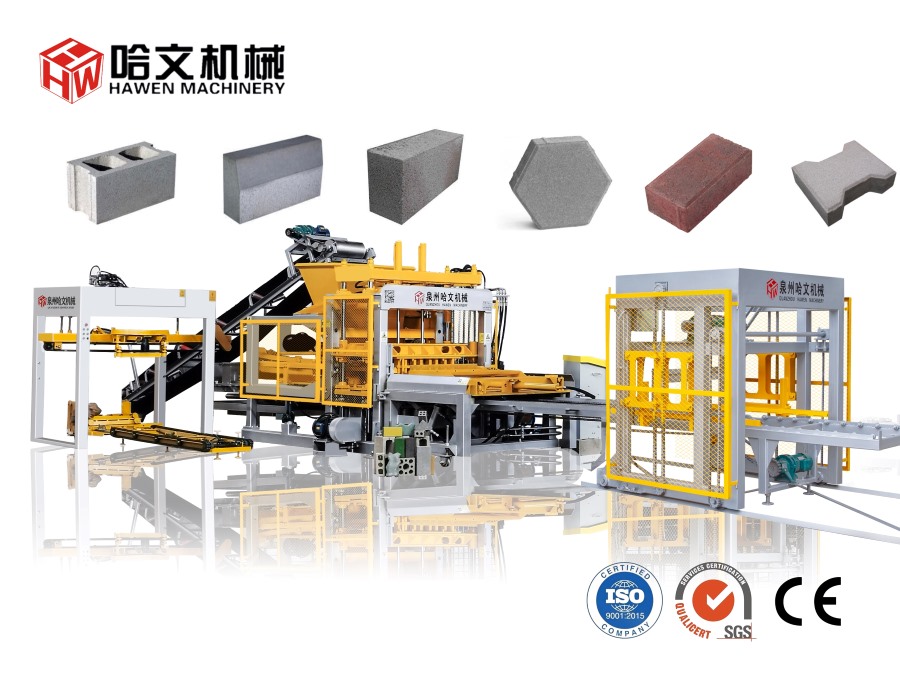
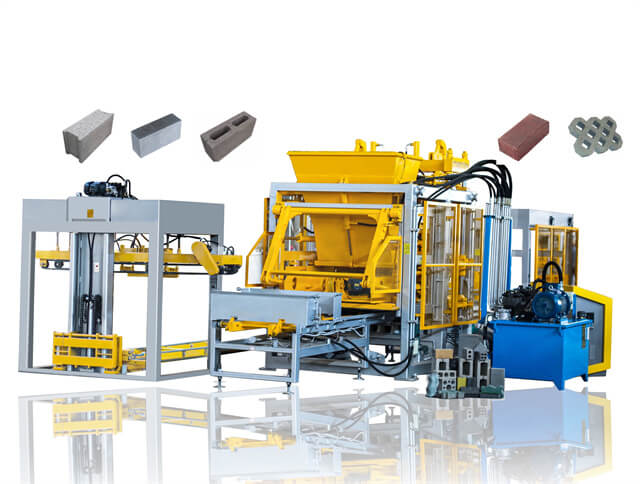
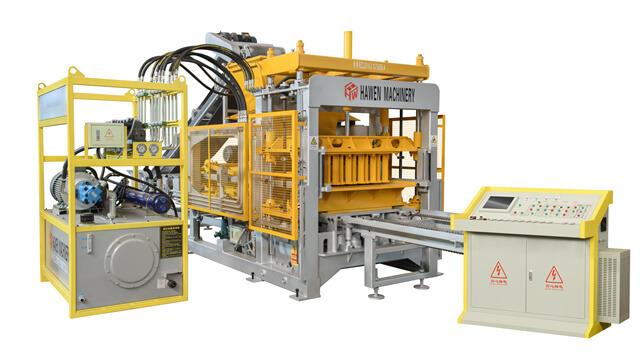
Use the installed equipment configuration only as production context. For example, records from a QT10 automatic concrete block and paver production line may help identify the forming arrangement associated with a sample. The machine model does not replace the product, lot, curing, and inspection information required to interpret that individual retained unit.
Record sample selection and handling separately from the movement of ordinary production stock.
Use Retained Samples Carefully During Complaint Reviews
Before making a comparison, confirm that the retained unit actually belongs to the relevant product and production lot. Check the selection circumstances and storage history. A nearby sample from another date may look similar, but similarity is not sufficient evidence of identity. Where the connection cannot be established, describe that limitation clearly in the review.
Define the question being investigated. A complaint about colour matching requires different evidence from a concern about dimensions, surface damage, or a specified product property. Decide which observations the retained sample can support and which require additional records or appropriately planned testing. Do not force the available sample to answer a question outside its intended role.
Where visual comparison matters, document the comparison conditions and the identities of the items being compared. Customer photographs, installed products, and stored samples may have different exposure and presentation histories. Those differences should remain visible in the assessment. An apparent mismatch is a reason for structured review, not automatic proof of when or where the change occurred.
Keep investigation actions traceable. Record who reviewed the sample, what was observed, which photographs or measurements were taken, and whether the product was altered or consumed. Preserve original observations separately from later interpretations. From a customer-service perspective, an evidence trail that explains uncertainty is more useful than a confident conclusion based on an unidentified block.
Review Retention Periods and Authorize Disposal
Set retention periods according to the product, contractual obligations, applicable requirements, and the purpose of keeping the material. There is no single duration suitable for every concrete block or paving product. Identify who may approve the period and what events require retention to be extended. A routine disposal date should not override an active investigation or another applicable obligation.
Review the sample inventory periodically. Confirm that identifiers remain legible, storage locations are correct, and the recorded units still exist. Separate samples due for review from items already approved for disposal. This prevents a crowded storage area from encouraging informal clearing that removes useful evidence without a recorded decision.
Authorize disposal and record what was removed, when, why, and by whom. Retain the associated records for the period defined by the plant's document-control arrangements. Disposal of the physical unit does not automatically mean that production records, photographs, test results, or investigation notes should be deleted at the same time.
A useful retained-sample system preserves the connection between selected units and their production context.
FAQ
Does keeping a retained block prove that an entire delivery was acceptable?
No. A retained unit provides evidence within the limits of its selection method, identity, condition, and intended purpose. Product acceptance should follow the applicable inspection and testing arrangements rather than rely on the existence of one stored example.
Can an approved appearance reference also serve as a production sample?
The roles may be connected, but they should be documented separately. Record the approval basis, production identity, and intended use. Do not assume that a display unit represents a later production lot merely because the product name is the same.
Can photographs replace physical retained samples?
Photographs can support identification and selected appearance observations, but they do not preserve every physical property or permit every later evaluation. Decide what evidence is needed for the intended purpose before replacing a physical retention process with images alone.
Should damaged retained samples be discarded immediately?
Not automatically. Record the damage and assess whether the unit remains useful for its intended purpose or an active investigation. Follow the authorized review and disposal procedure instead of silently replacing it with an unidentified example.
Conclusion
A retained-sample system is an identification and evidence-control process, not simply a shelf of spare blocks. Define the purpose, document selection, preserve the production connection, and record storage and movement. Keep retained production units distinct from test specimens, approved references, and display products.
Before relying on a sample in a technical or customer discussion, check what it can establish and which limitations remain. The most useful system makes retrieval straightforward and interpretation defensible, while ensuring that review and disposal decisions are controlled rather than informal.




 Tel: +86-13905968794
 Email: export@hwmachines.com
 MP/WhatsApp: +86-13905968794
 Manufacturer Address:Nanan,Quanzhou City,Fujian Province,China