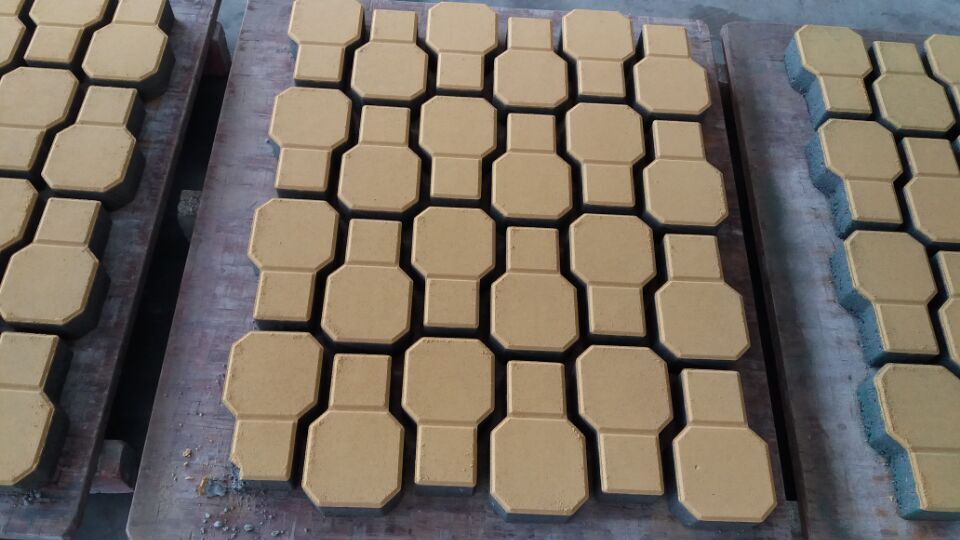
The hydraulic system drives pressing, mould movement, pallet feeding, and other repeated actions in an automatic concrete block machine. When hydraulic movement is unstable, the machine may still run, but block height, demoulding quality, pallet transfer, and daily production rhythm can drift out of control.
This guide is for buyers who need to review hydraulic reliability before shipment and again during installation. A short video of one machine cycle is not enough evidence.
Key principle: judge the hydraulic system on repeated cycles, not on a single clean run. Ask for continuous testing footage, hydraulic station photos, hose arrangement, pressure response, leakage inspection, and the maintenance points the supplier recommends for the selected model.
Concrete block forming depends on controlled movement. The machine must feed material, vibrate, press, demould, and transfer pallets in a stable sequence. Hydraulic actions need enough pressure and smooth response. If pressure changes during operation, block compaction and demoulding may change with it.
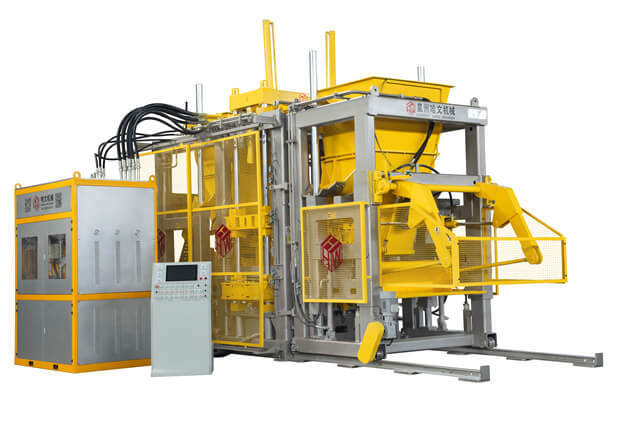
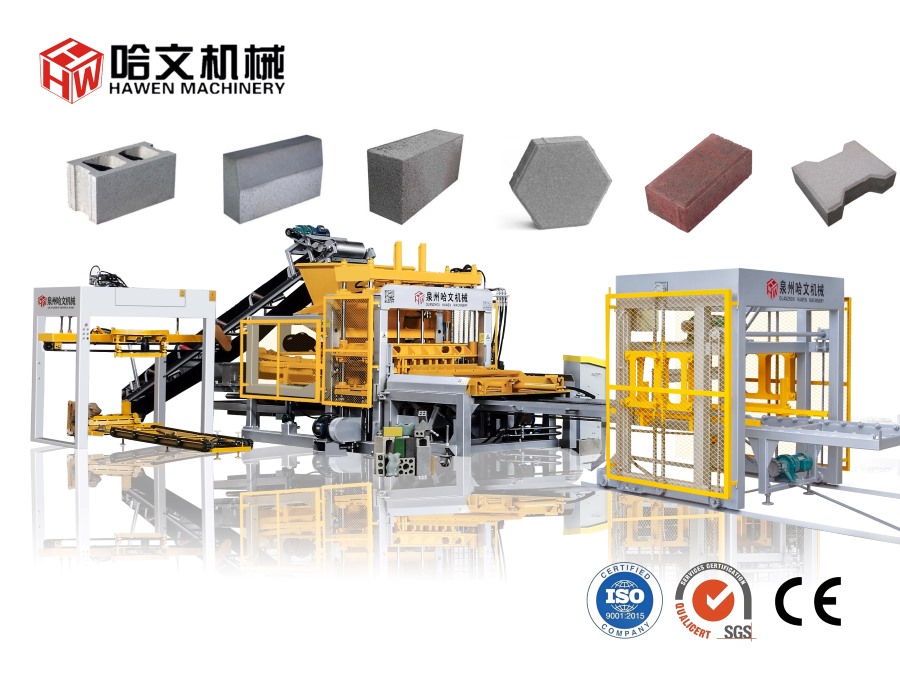
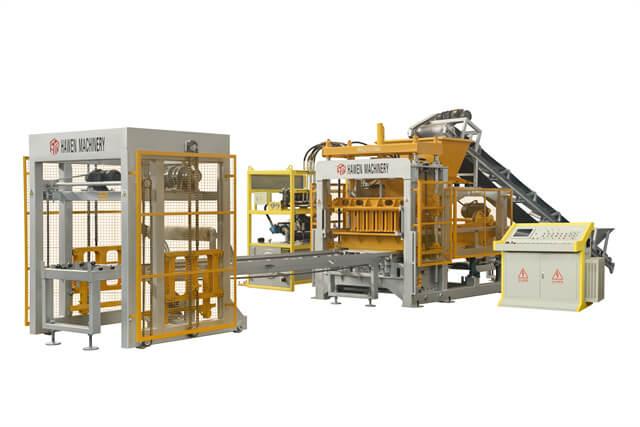
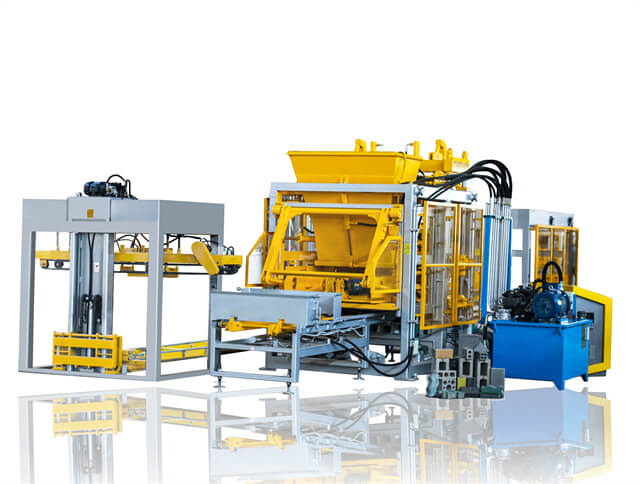
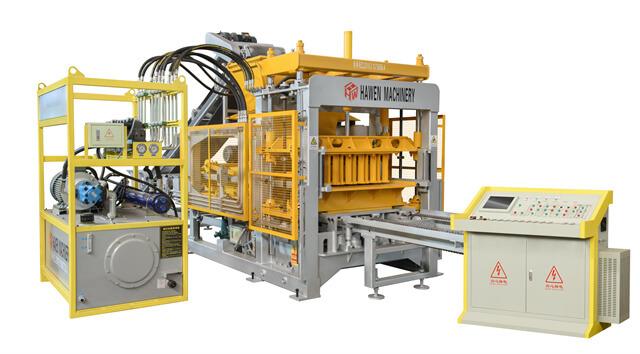
When reviewing a QT8 automatic concrete paver fly ash brick making machine, buyers should not only check the machine frame and moulds. Hydraulic station layout, cylinder movement, oil pipe position, valve connection, and pressure stability belong in the same inspection.
Oil pump, valves, hoses, and cylinder movement
The oil pump should match the machine's working pressure and cycle requirements. Valves should be arranged clearly and protected from contamination. Hoses should have enough clearance and should not rub against sharp edges or moving parts. Cylinders should move smoothly without visible shaking at the end position.
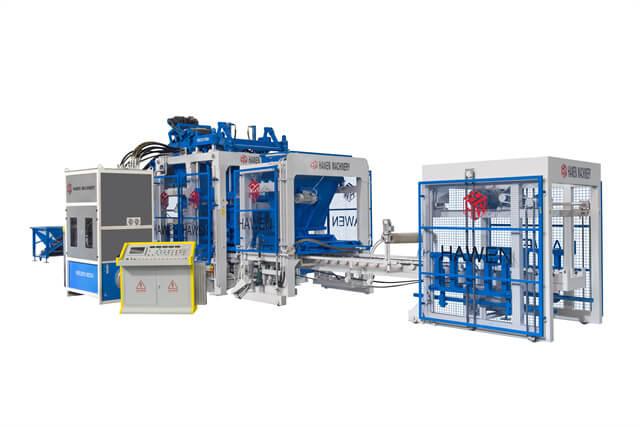
Oil leakage is a basic but important inspection point. A small leakage point before shipment may become a frequent maintenance problem after installation. Buyers should ask the supplier to show the hydraulic station after repeated test cycles, not only before testing. Oil temperature and cooling arrangement should also be reviewed when the plant is expected to run long shifts.
Pressure stability, demoulding, and pallet feeding
Pressure stability affects pressing and demoulding. If pressure is too low, blocks may have weak density. If movement is not synchronized, fresh blocks may shift when leaving the mould. Hydraulic response can also affect pallet feeding and other automatic movements in the production line.
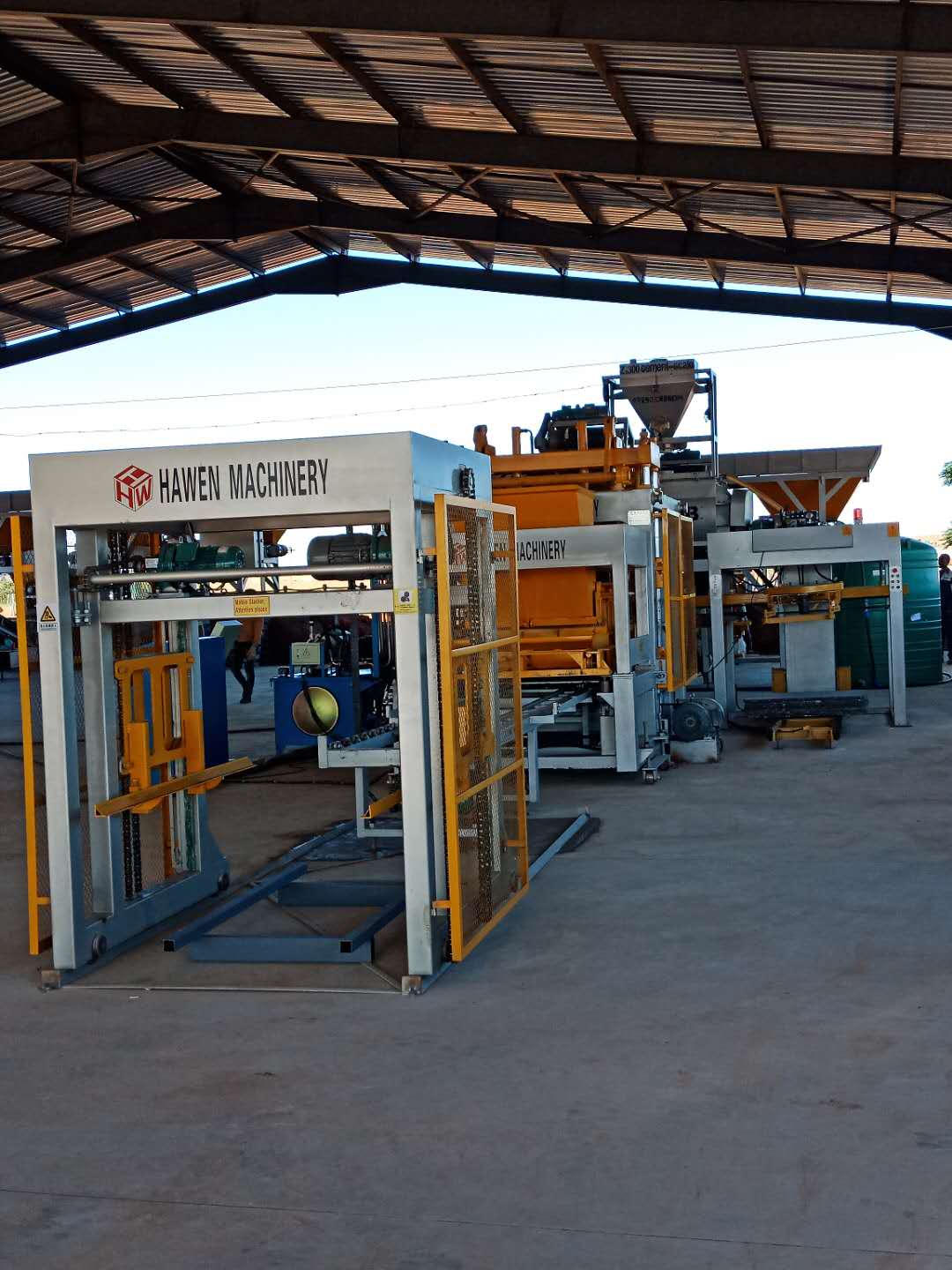
A practical pre-shipment observation is to ask for continuous testing rather than selected clips. During continuous cycles, the buyer can see whether hydraulic movement remains smooth, whether hoses vibrate excessively, whether sensors respond correctly, and whether the machine returns to the same position each cycle.
Hydraulic system review table
| Inspection item | What to check | Why it matters |
|---|
| Oil pump | Pump condition, pressure response, noise, and working stability. | Supports repeated pressing and machine movement. |
| Valves and hoses | Connection, clearance, labeling, leakage, and protection. | Reduces maintenance risk after installation. |
| Cylinder movement | Smooth movement, end-position stability, and synchronization. | Affects demoulding and block height consistency. |
| Cooling and oil condition | Oil level, temperature control, filter condition, and inspection access. | Helps the machine run longer shifts with fewer stops. |
Hydraulic inspection involves pressurized oil, hot surfaces, and moving parts. Keep checks within the boundaries set by the machine manual and trained personnel. Do not adjust valves, relieve pressure, or open hydraulic circuits unless you are qualified to do so.
FAQ
Can hydraulic problems affect block quality?
Yes. Unstable hydraulic pressure or movement can affect pressing, demoulding, pallet transfer, and block height consistency.
Should hydraulic inspection be done before shipment?
Yes. Buyers should request hydraulic station photos and repeated-cycle videos before shipment so obvious problems can be corrected earlier.
What spare parts should buyers discuss?
Buyers should discuss hydraulic hoses, seals, filters, valves, and other parts recommended by the supplier for the selected machine model.
Conclusion
Hydraulic system reliability is important for automatic concrete block machine stability. Buyers should check oil pump performance, valve layout, hose protection, cylinder movement, pressure stability, leakage signs, cooling, and maintenance access. For a wider view of how hydraulic and mechanical systems shape machine quality, see how hydraulic and mechanical systems determine automatic block machine quality.
Preparing a hydraulic inspection plan for an upcoming order? Send us your machine model, block type, and expected shift pattern, and our team can confirm the hydraulic configuration, testing evidence, and recommended spare parts list for your project.





 Tel: +86-13905968794
 Email: export@hwmachines.com
 MP/WhatsApp: +86-13905968794
 Manufacturer Address:Nanan,Quanzhou City,Fujian Province,China