Spare parts planning for a concrete block machine plant is a risk-control task. A plant can lose production time because of a small sensor, a worn scraper, a hydraulic seal, a damaged pallet guide, or a mould component that was not ordered with the machine. The right spare-parts list does not mean buying every possible component. It means identifying which parts are likely to wear, which parts stop production immediately, and which parts are difficult to source locally.
Buyers often focus on the main block machine price, but long-term production depends on maintenance readiness. A brick making machine line includes batching, mixing, conveying, hydraulic pressing, vibration, mould movement, pallet handling, control systems, curing transfer, and sometimes automatic palletizing. Each area has different wear patterns. This article explains how to build a practical spare-parts plan for a block making machine plant without overbuying or leaving critical gaps.
Spare Parts Strategy for Continuous Production
Spare parts risk map for block plants
A useful spare-parts plan separates parts by production risk. Some parts wear gradually and can be ordered during scheduled maintenance. Other parts can stop the whole line immediately. The buyer should also consider local availability. A common bearing may be easy to source locally, while a special sensor, valve, mould shoe, or PLC module may require supplier support.
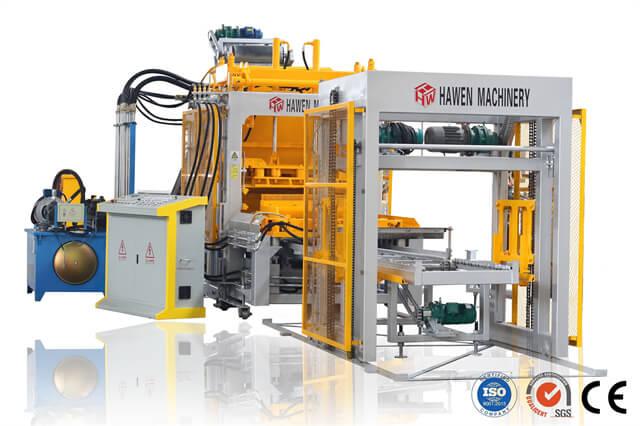
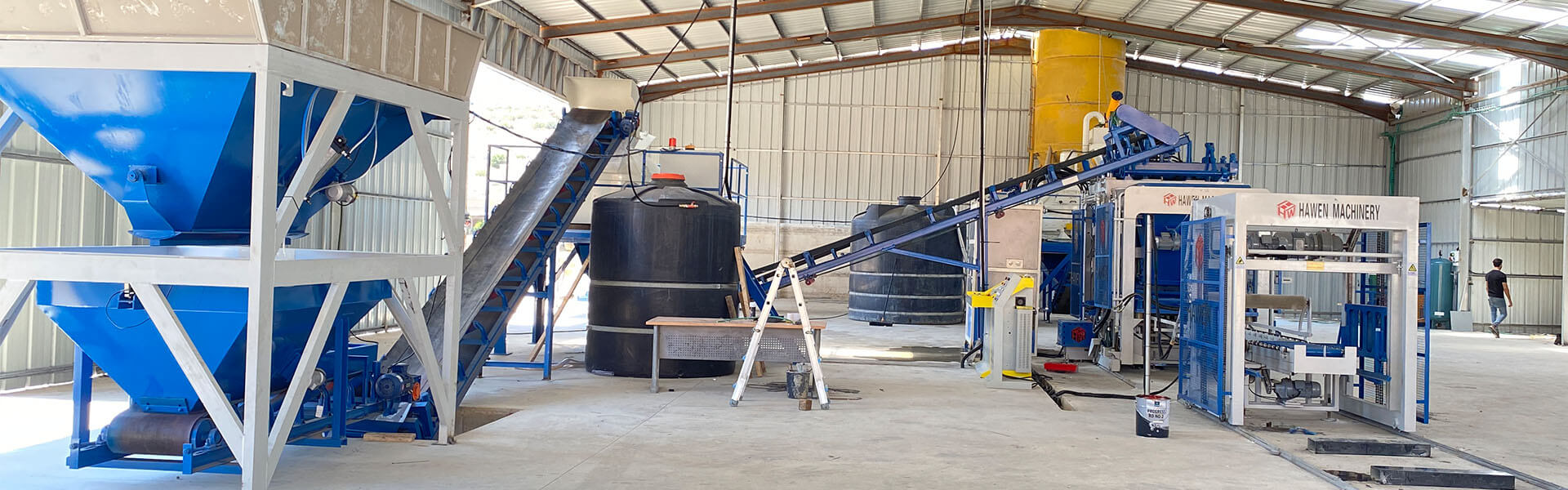
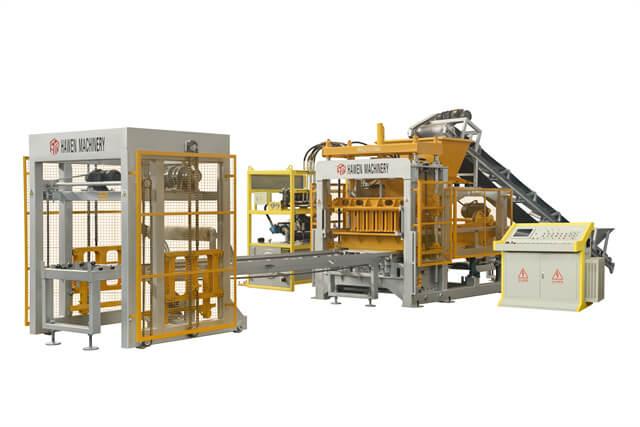
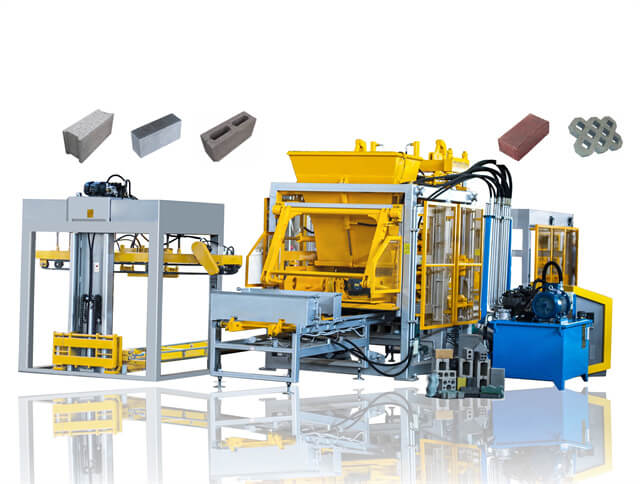
The first step is to list the complete plant, not only the main forming machine. A batching machine in block making, mixer, conveyor, cement feeding system, hydraulic station, vibration system, mould, pallet feeder, and cuber can all create downtime if their critical parts are missing.
| Risk category | Typical items | Buyer action |
|---|
| Stop-production parts | PLC module, key sensor, hydraulic valve, main belt, critical motor starter | Keep verified spares or confirm rapid local availability |
| Wear parts | Mixer liners, scraper blades, mould shoes, conveyor belts, seals | Plan replacement by inspection and operating hours |
| Quality-control parts | Tamper shoes, mould plates, vibration fasteners, pallet guides | Inspect before defects appear in block dimensions or surface quality |
| Consumables | Filters, lubricants, cleaning tools, small seals, fuses | Store enough for routine maintenance intervals |
Maintenance observation: Many downtime events are not caused by a large broken component. They begin when a small part is missing, the operator bypasses a check, and the line continues running until a bigger failure appears.
Hydraulic station spares and seal risks
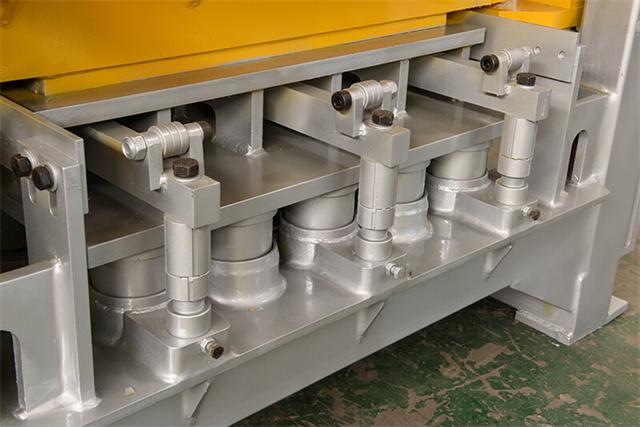
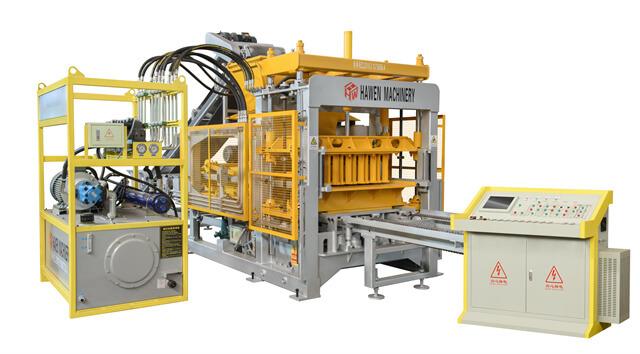
The hydraulic station controls pressing, demoulding, lifting, and other high-load movements. Spare planning should include seals, filters, hoses, pressure gauges, fittings, and critical valves. The buyer should know which hydraulic parts are standard in the local market and which should come from the machine supplier.
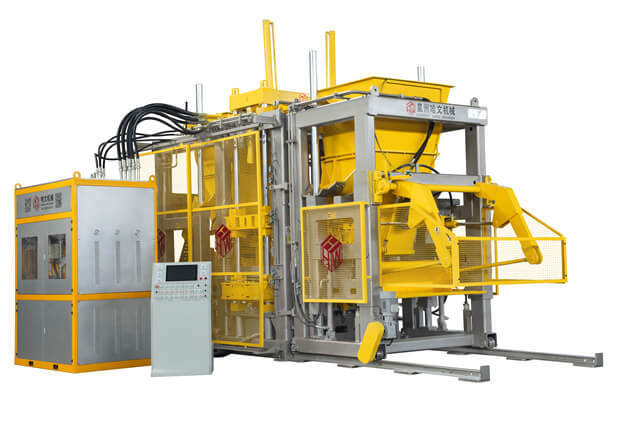
HAWEN Machinery uses Japanese YUKEN proportional and directional valves together with an American ALBERT hydraulic pump in its hydraulic station. This combination supports precise movement and dependable load capacity. For spare planning, the practical point is traceability: valve models, pump information, seal kits, and hydraulic drawings should be documented before shipment.
A hydraulic issue on a hydraulic hollow block production line can affect pressure stability, demoulding smoothness, and product consistency. Keeping the correct filters and seals is less expensive than stopping a full production line while searching for a small replacement.
Vibration box and motor spares
Vibration quality affects compaction, density, green strength, and surface texture. Spare parts related to vibration may include bearings, fasteners, belts or couplings where used, motor-related electrical components, and inspection tools. Loose bolts, worn bearings, or unstable motor behavior can create product variation before a major failure is obvious.
HAWEN adopts a four-shaft vibration box design and positions eccentric blocks outside the housing. This helps reduce resistance during vibration, supports uniform compaction, and can lower unnecessary cement compensation while improving efficiency. A spare plan should support this system through correct fastening checks, lubrication discipline, and timely replacement of worn parts.
Electrical Control, Moulds, and Material Systems
PLC sensors and control cabinet items
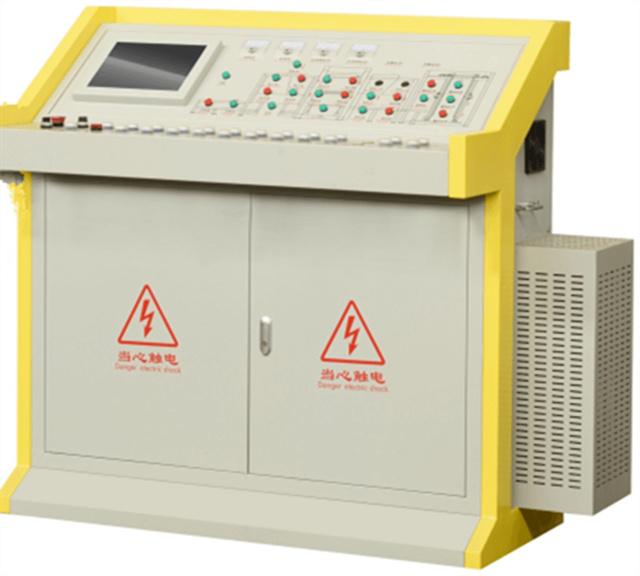
The control system coordinates batching, feeding, vibration, pressing, pallet movement, alarms, and safety logic. Spare planning should include key sensors, proximity switches, limit switches, relays, fuses, contactors, indicator components, and documented program backups. Control parts should be labeled clearly so that operators do not confuse similar-looking items.
HAWEN integrates a Siemens S7-200 PLC with a touch panel and remote monitoring capability. Through this system, machine status can be reviewed and operating parameters can be optimized remotely when needed. For the buyer, the spare-parts implication is clear: protect the control cabinet, retain backups, and identify which electrical components should be stocked locally.
When the control cabinet of a solid cement block machine is well documented, troubleshooting becomes faster. Without drawings and spare identification, a small sensor fault can turn into a long production interruption.
Mould wear and product geometry
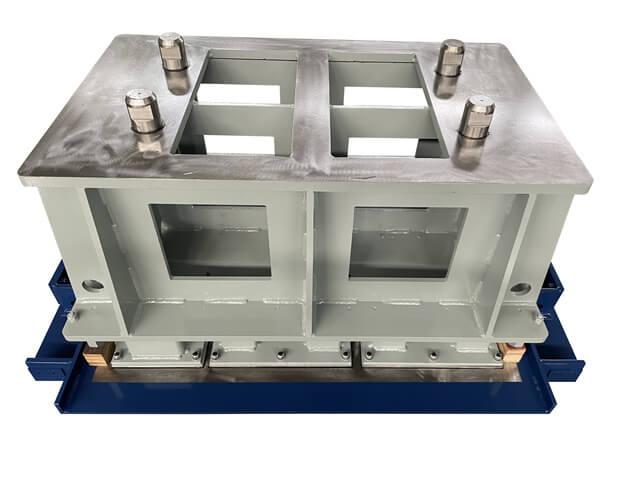
Mould wear affects block dimensions, edge sharpness, surface appearance, weight, and demoulding stability. Mould-related spare planning may include tamper shoes, wear plates, liners, fastening components, rubber parts where used, and special tools for replacement or adjustment.
HAWEN designs moulds compatible with leading block machine brands, including Masa, Hess, Zenith, Poyatos, Besser, Tiger, Columbia, Quadra, and Omag. These moulds follow original specifications for fit, movement, and product accuracy. Wear components are heat-treated to improve abrasion resistance, with hardness checked at HRC 59-61.
A hollow block mould, concrete block mould, or interlocking paver mould should be inspected with the product drawing. Replacement parts should maintain geometry, not only fit into the machine mechanically.
Batching mixing and conveyor wear
Material preparation equipment has its own wear profile. Mixer liners, blades, scrapers, discharge seals, conveyor belts, rollers, bearings, and weigh-system parts should be reviewed before production begins. In abrasive aggregate conditions, wear can appear faster than expected.
A concrete mixer, planetary concrete mixer, or twin-shaft concrete mixer should have a maintenance plan for the exact material type and batch frequency. Worn mixer parts can produce uneven moisture, poor cement dispersion, and inconsistent product quality.
Cement feeding also deserves attention. A cement silo in block making needs filters, level devices, valves, and screw conveyor components that match the plant design. If cement feeding becomes unstable, the block making machine may receive inconsistent material even when the forming section is healthy.
Inventory Planning and Buyer Verification
Pallet handling and cuber spares
Pallet handling systems include pallet feeders, guides, pushers, conveyors, stackers, cubers, and return mechanisms. Spare parts may include guide rollers, chains, belts, sensors, cylinders, clamps, and small electrical parts. A damaged guide can stop pallet flow or damage fresh products.
Production boards also belong in spare planning. A stable GMT pallet helps support fresh blocks during transfer and curing. Damaged pallets should be removed before they create height variation, cracking, or unstable stacks.
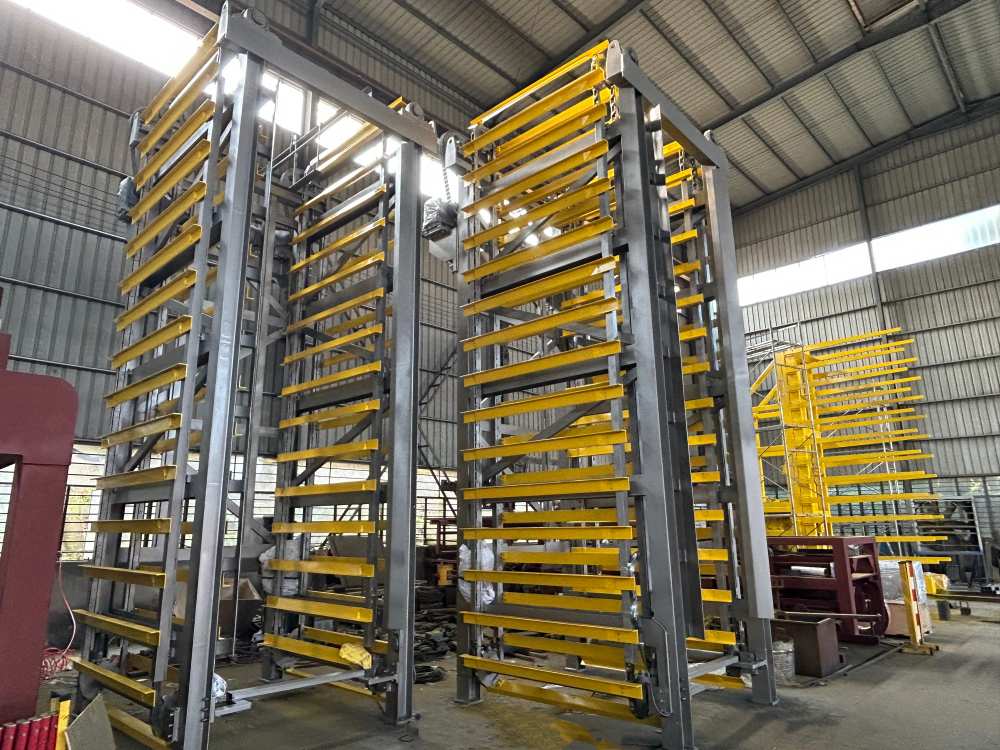
For larger plants, an automatic offline palletizing system can reduce manual handling, but it introduces its own spare-parts requirements. Clamps, sensors, belts, and control interfaces should be included in the inventory review.
Inventory priority method
Buyers can classify spare parts into three groups: keep in stock, keep supplier-ready, and inspect regularly. Keep-in-stock parts are small, critical, or slow to source locally. Supplier-ready parts are larger or expensive parts that should be quoted and documented in advance. Inspection parts are wear items that can be planned through routine checks.
| Priority group | Suitable items | Decision logic |
|---|
| Keep in stock | Filters, seals, fuses, sensors, small valves, critical fasteners | Low storage burden and high downtime risk |
| Supplier-ready | Special mould components, major hydraulic parts, custom electrical modules | Higher cost but should be identified before failure |
| Inspect regularly | Mixer liners, conveyor belts, pallet guides, tamper shoes, rollers | Wear can be managed through routine inspection |
The recommended list should also reflect machine scale. A small interlocking paver brick machine, a mid-range cement paver brick production machine, and a high-output automatic concrete paver block machine do not carry the same downtime cost. The spare-parts plan should follow production value, not only machine price.
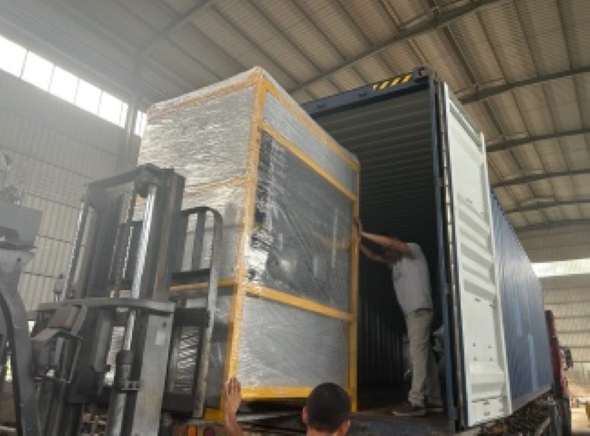
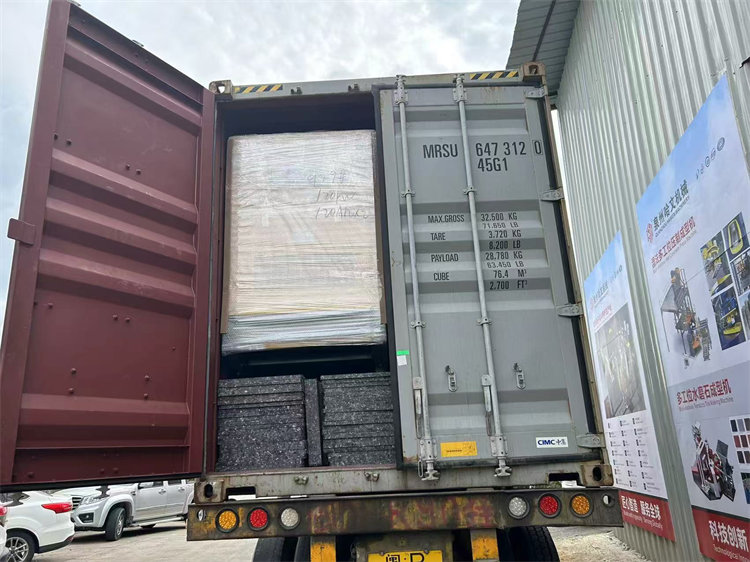
Unpacking inspection note: Spare parts should be checked when the machine arrives, not only when the first failure happens. Match each box against the packing list, label parts by machine area, photograph special components, and store electrical parts away from moisture and cement dust. Operators should know which parts are emergency spares and which parts are scheduled wear items. This simple discipline prevents confusion months later, when a production stop creates pressure and the maintenance team needs the right item quickly.
For a plant with limited technical staff, labeling and documentation can be as important as the spare itself. A seal kit without a drawing, a sensor without a position mark, or a mould part without a product code may sit in storage while the line remains stopped. The buyer should request English labels, part codes, and maintenance references before shipment whenever possible.
Conclusion
A good spare-parts plan for a concrete block machine plant starts with the full production line: batching, mixing, hydraulic movement, vibration, moulds, control cabinet, pallet flow, and downstream handling. The buyer should identify which items stop production, which items wear gradually, and which items are difficult to source locally.
The next step is to request a spare-parts list with model numbers, drawings, supplier lead times, and maintenance intervals before shipment. When spare planning is done well, it changes the factory's relationship with downtime. Breakdowns become manageable events rather than emergencies. Operators work with confidence, maintenance becomes evidence-based, and the block plant becomes more than a machine line. It becomes a disciplined production system that protects raw materials, customer deadlines, and the buildings that depend on every block arriving when promised.
FAQ
Which spare parts should be ordered with a new block machine?
Start with filters, seals, key sensors, selected hydraulic parts, wear components for the mixer and mould, conveyor items, and control-cabinet consumables. The final list should match the exact machine configuration.
Should buyers stock expensive major parts?
Not always. Expensive parts can be managed through supplier-ready documentation, quotations, and lead-time planning. Small critical parts are often better candidates for local stock.
How often should mould wear parts be checked?
They should be checked during routine quality control and maintenance. If block dimensions, edges, or demoulding behavior change, inspect the mould before changing the recipe.
Can local parts be used instead of original supplier parts?
Some standard parts may be sourced locally if specifications match. Special valves, sensors, PLC items, and mould parts should be verified carefully before substitution.
Why are sensors important in spare-parts planning?
A small sensor can stop automatic operation or create unsafe sequence errors. Keeping correct sensor types and labels reduces troubleshooting time.
Do automatic palletizing systems need a separate spare list?
Yes. They include their own sensors, belts, clamps, cylinders, and control interfaces. These should be reviewed separately from the main forming machine.
What information should HAWEN receive for a spare-parts plan?
Send the selected machine model, automation scope, product types, daily output target, local parts availability, maintenance team capability, and expected operating schedule. HAWEN can then help prioritize the most practical spare inventory.





 Tel: +86-13905968794
 Email: export@hwmachines.com
 MP/WhatsApp: +86-13905968794
 Manufacturer Address:Nanan,Quanzhou City,Fujian Province,China