A cement silo for a concrete block machine plant is not only a storage tank. It is part of the material-control system that keeps cement dry, feeds the batching process, reduces manual handling, and stabilizes daily production. If the silo is too small, the plant may stop while waiting for cement delivery. If it is oversized without a real supply plan, the buyer may spend more on structure, transport, foundation, and site space than necessary.
The correct silo size depends on daily cement consumption, delivery interval, safety stock, available truck access, cement type, site layout, batching speed, mixer capacity, and the production schedule of the block machine line. This article explains a practical sizing method for buyers planning a concrete block plant, brick machine project, or block making machine upgrade.
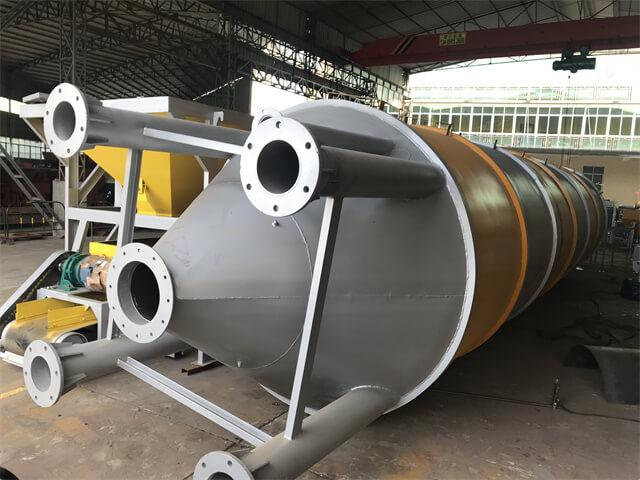
Storage Capacity and Material Flow
Cement silo role in block production
The cement silo stores bulk cement and feeds it into the batching system through a controlled discharge route. In a block plant, cement must arrive at the mixer in repeatable quantities. If cement feeding is unstable, the recipe changes even when the block machine itself is running correctly.
A silo also protects cement from moisture. Moist cement may bridge, form lumps, block the screw conveyor, or create dosing errors. These issues can affect the batching machine in block making, mixer loading time, green strength, surface quality, and cement consumption per block.
For buyers, the silo should be treated as part of the production line. It interacts with the cement screw, weighing system, mixer, control cabinet, truck delivery method, and site foundation. A silo that is physically large but poorly integrated can still create daily bottlenecks.
Supplier quotation review observation: When comparing offers, check whether the silo package includes the screw conveyor, dust collector, pressure relief device, level indicators, manual valve, foundation drawings, and control connection. A low silo price may exclude components that are needed before production can start.
Daily cement demand before silo size
The first sizing step is daily cement demand. This should come from the actual product mix, not from a general block count. Hollow blocks, solid bricks, pavers, and kerbstones consume different cement quantities. The same brick making machine can produce different products with different recipes.
A practical estimate begins with cement per batch and batches per day. If an operating factory already has production records, use measured cement consumption and accepted output. If the project is new, use a verified trial recipe and the planned batch schedule.
Method note: Daily cement demand = cement per batch x planned batches per day. Silo working stock = daily cement demand x delivery interval + safety stock.
This formula avoids a common mistake: choosing a silo based only on the forming machine model. A QT4 interlocking paver brick machine and a QT12 hydraulic hollow block production line may both need cement storage, but their daily demand and delivery planning can be very different.
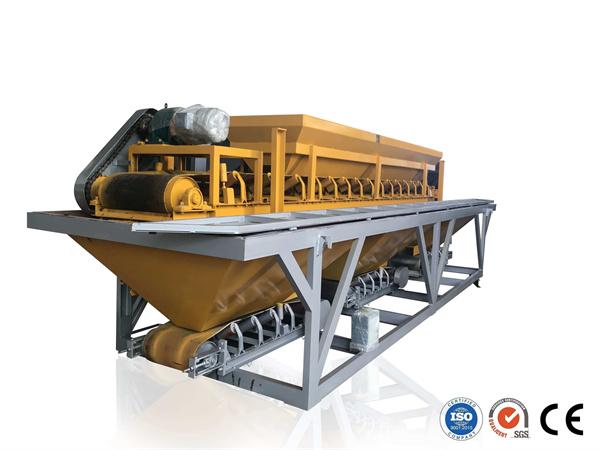
Delivery interval and safety stock
Delivery interval is the number of production days between cement replenishments. In some markets, bulk cement can arrive frequently. In remote areas or seasonal construction markets, delivery may be less predictable. The silo should hold enough working stock to keep production stable between deliveries.
Safety stock protects the plant from delays, traffic, weather, truck scheduling, and supplier interruptions. However, excessive stock is not automatically better. Cement age, moisture risk, cash tied in inventory, and site space should be considered. The correct reserve is a management decision based on local supply reliability.
A buyer planning a QT8 fly ash brick paver making machine plant should also consider whether fly ash, slag, pigment, or other powders require separate storage. Do not mix storage logic for different materials unless the recipe and handling system are designed for it.
| Planning variable | Question to answer | Effect on silo size |
|---|
| Product mix | Are the main products hollow blocks, solid bricks, pavers, or kerbstones? | Changes cement consumption per batch and per day |
| Batch frequency | How many mixer batches are planned per shift? | Determines daily cement flow through the silo |
| Delivery reliability | Can bulk cement trucks arrive on a predictable schedule? | Higher uncertainty requires more working reserve |
| Site storage policy | How much stock can be held without moisture or cash-flow problems? | Limits excessive silo oversizing |
Feeding Speed and Site Engineering
Screw conveyor and batching speed
The silo must feed the batching system fast enough for the mixer cycle. If cement discharge is slow, the mixer waits. If discharge is unstable, the cement scale may overshoot or undershoot. Both problems reduce the effective output of the block machine plant.
Screw conveyor diameter, angle, length, motor power, cement flow behavior, and control logic influence feeding speed. A long or steep screw may need special attention. The connection between silo discharge and weighing equipment should also prevent material leakage and uncontrolled flow.
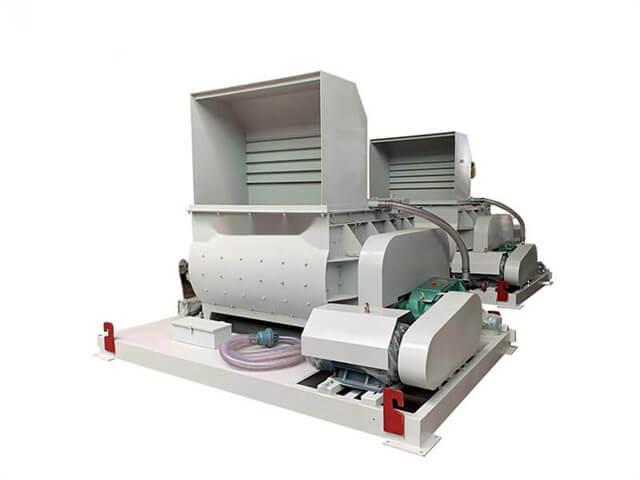
The mixer type matters. A concrete mixer, planetary concrete mixer, or twin-shaft concrete mixer may have different batch timing. Silo feeding should match the mixer rhythm instead of forcing the operator to wait or manually compensate.
Dust collector pressure relief and level control
Cement is a fine powder, and silo filling can create dust and internal pressure. A dust collector helps control airborne cement during filling. A pressure relief device protects the silo from excessive pressure or vacuum. Level indicators help operators know when to reorder and avoid overfilling.
These accessories are not decorative. They are part of safe and stable operation. A silo without effective dust control can create environmental and housekeeping problems. A silo without reliable level indication can cause production interruptions or unsafe filling decisions.
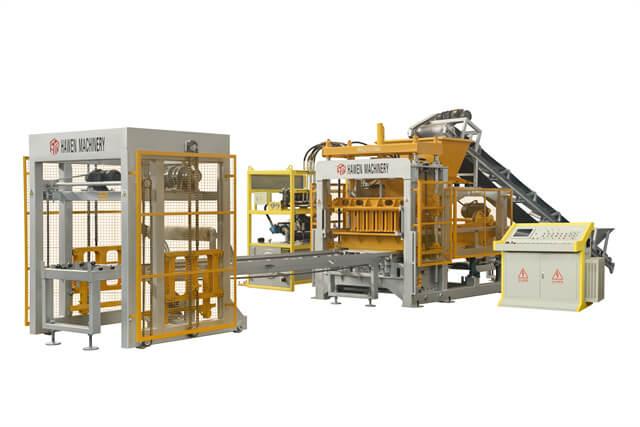
Control integration also matters. HAWEN Machinery uses a Siemens S7-200 PLC with a touch panel and remote monitoring capability in its block machines. When the cement silo, batching scale, mixer, and brick machine are coordinated through a clear control sequence, operators can maintain more consistent material flow and reduce recipe drift.
Layout foundation and truck access
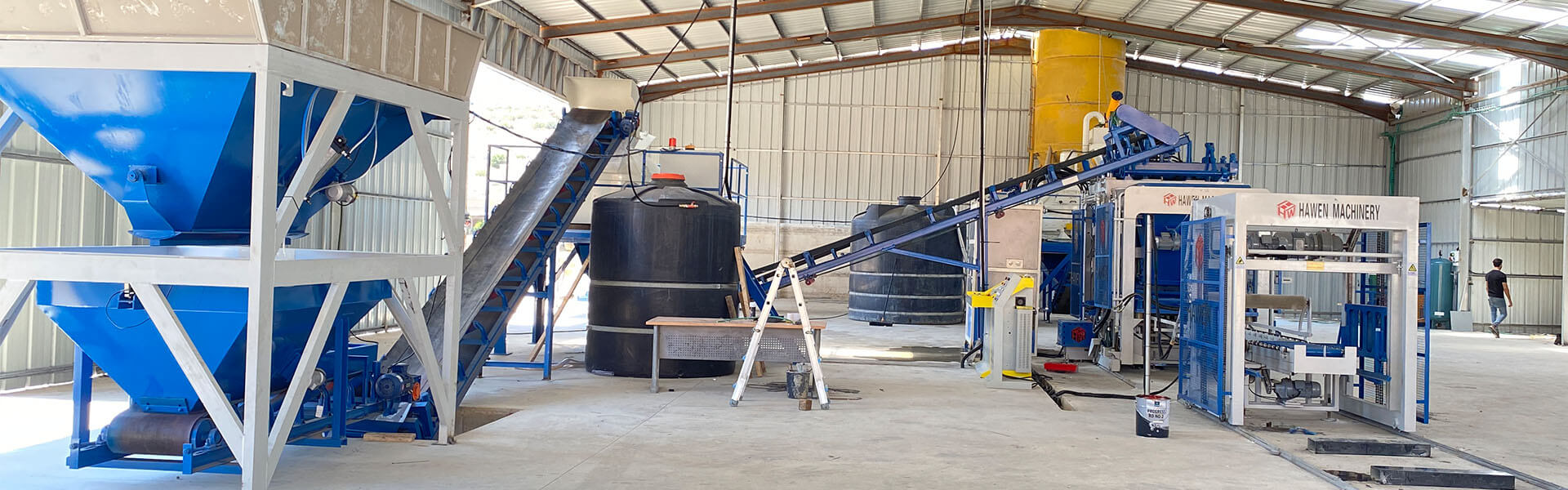
The silo location should be planned before the foundation is built. It needs truck access for filling, enough clearance for the silo body, a safe ladder or service route where required, and an efficient screw conveyor path to the batching scale. A poor location can make daily delivery difficult even if the silo capacity is correct.
Foundation design depends on silo load, soil condition, wind conditions, anchoring, and local requirements. Buyers should not copy a foundation from another site without checking local conditions. A larger silo also increases structural and access requirements.
In a full production layout, cement storage should be reviewed together with the QT10 automatic solid cement block machine, pallet path, curing area, forklift route, and raw-material stockyard. The layout must allow materials to move without crossing unsafe or inefficient routes.
Line Matching and Buyer Verification
HAWEN Machinery line matching
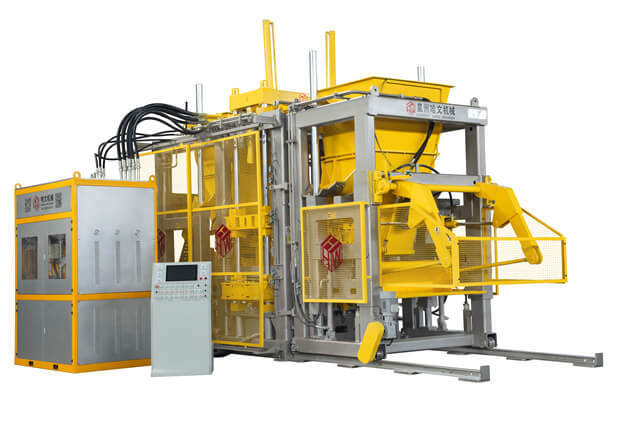
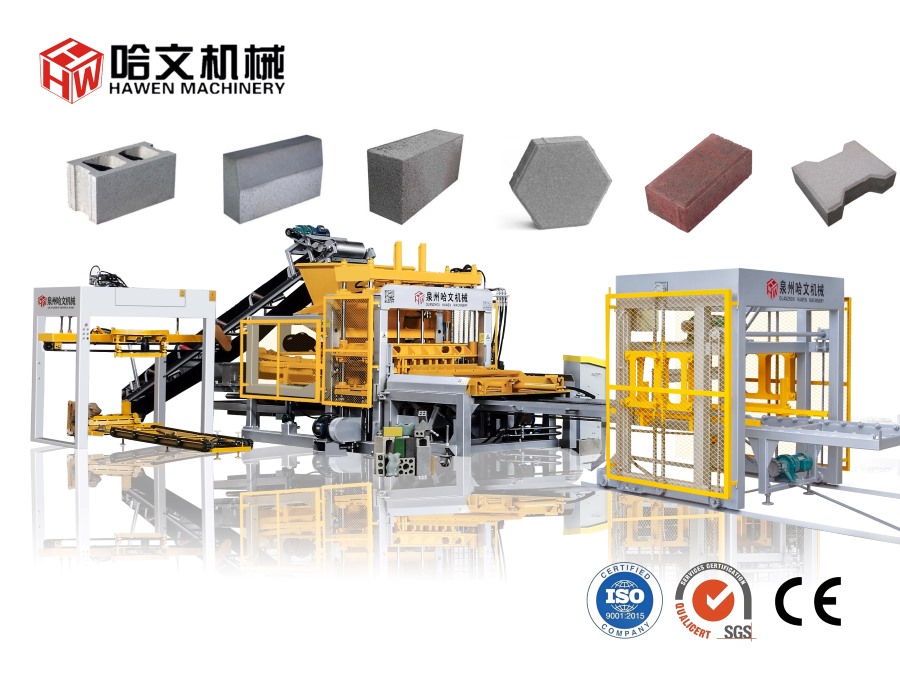
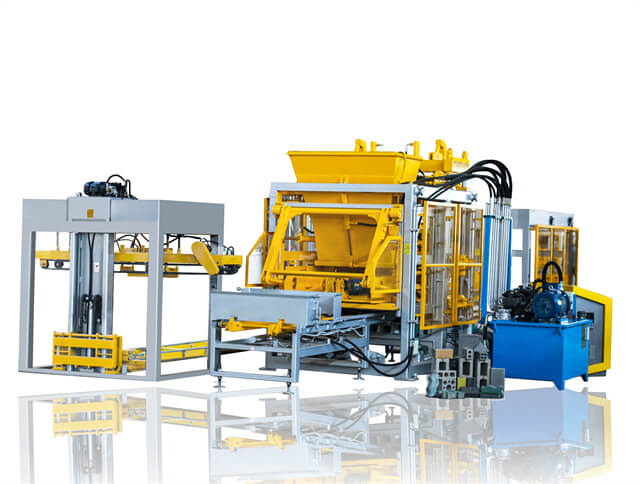
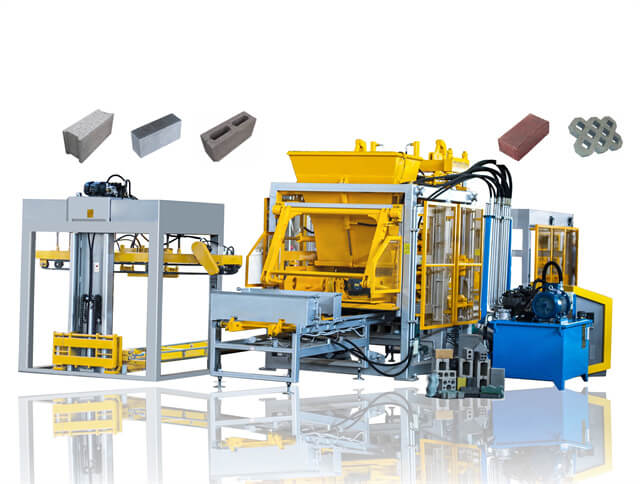
HAWEN Machinery considers cement silo selection as part of the complete production system. The silo, batching machine, mixer, conveyors, hydraulic forming section, mould, pallet handling, and curing plan should be matched together. A silo that feeds slowly can reduce the benefit of a high-capacity block making machine.
After mixing, forming stability depends on hydraulic control and vibration. HAWEN hydraulic stations use Japanese YUKEN proportional and directional valves with an American ALBERT hydraulic pump, supporting controlled movement and stable load response during repeated pressing and demoulding. The four-shaft vibration box uses external eccentric blocks to reduce resistance and promote uniform compaction.
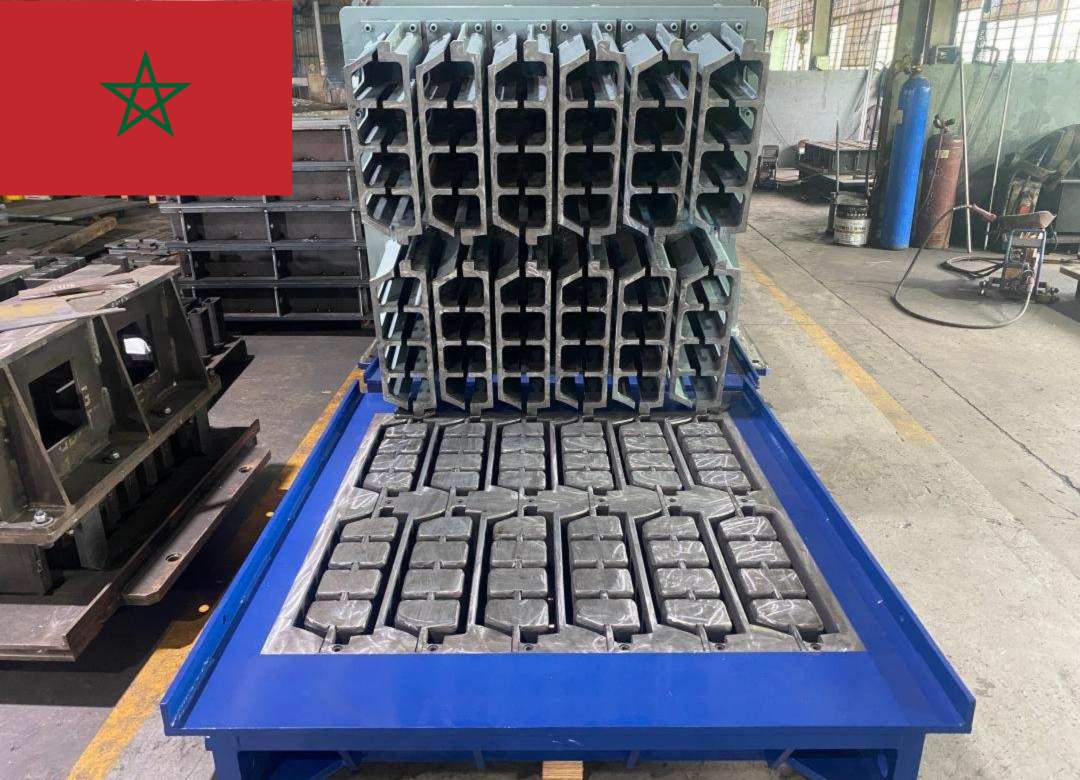
For moulds, HAWEN designs solutions compatible with well-known block machine brands including Masa, Hess, Zenith, Poyatos, Besser, Tiger, Columbia, Quadra, and Omag. Mould components are heat-treated for wear resistance, with hardness verified at HRC 59-61. Cement feeding does not directly set mould quality, but stable batching and stable forming must work together to produce consistent blocks.
A buyer comparing a QT6 cement paver brick production machine, QT15 automatic concrete paver block machine, or automatic handling system should ask for the whole-line cement consumption estimate. The silo should support the expected production rhythm rather than simply match a single equipment name.
Buyer checklist for cement silo selection
Before ordering, confirm the silo type, capacity basis, delivery interval, screw conveyor specification, dust collector, pressure relief device, level indicator, foundation requirements, and control connection. Also verify whether the silo will be shipped as a welded body or bolted sections.
Ask the supplier to explain how the recommended silo size was calculated. A serious answer should mention daily cement use, delivery interval, safety stock, site layout, and line capacity. If the recommendation is only a standard model with no calculation, ask for a clearer basis.
| Checklist item | What to request | Why it matters |
|---|
| Capacity calculation | Daily cement demand, delivery interval, and safety stock assumption | Prevents undersizing or unnecessary oversizing |
| Discharge system | Screw conveyor route, angle, motor, and connection to scale | Controls batching speed and dosage stability |
| Safety accessories | Dust collector, pressure relief, level indicators, manual valve | Supports safe filling and stable operation |
| Site interface | Foundation drawing, truck access, cable and control requirements | Reduces installation delays and layout conflicts |
| Future expansion | Second mixer, higher capacity machine, or additional powder storage | Keeps the silo from becoming a bottleneck after upgrade |
Downstream equipment also affects the practical cement demand. A stable GMT pallet system, accurate concrete block mould, and efficient automatic offline palletizing system can reduce damage and rejects. Lower rejects mean the cement stored in the silo turns into saleable products more efficiently.
Conclusion
Choosing cement silo size for a concrete block machine plant requires more than selecting a standard tank. The buyer should calculate daily cement demand, delivery interval, safety stock, feeding speed, accessory requirements, foundation conditions, truck access, and future expansion. The silo must support the production line's rhythm, not just occupy space on the site.
For the next step, prepare product drawings, recipe assumptions, target output, delivery schedule, site layout, and automation plan before confirming silo capacity. When cement storage, batching, mixing, forming, and handling are planned as one system, the factory gains more than a container for powder. It gains continuity. It protects every batch from interruption, every operator from improvisation, and every block from the hidden instability that begins before concrete ever reaches the mould. In that quiet stability, a block plant becomes a dependable source of buildings, roads, yards, and shared spaces that outlast the daily noise of production.
FAQ
Is a larger cement silo always better for a block machine plant?
No. A larger silo can reduce delivery pressure, but it also needs more site space, foundation capacity, and capital. The correct size depends on daily demand and supply reliability.
How do I estimate daily cement demand?
Use cement per batch multiplied by planned batches per day. For an existing plant, use measured consumption. For a new plant, use trial recipe assumptions and confirm them during commissioning.
Should one silo store cement and fly ash together?
Normally separate powder materials should be stored and dosed separately unless the process is specifically designed otherwise. Mixing storage can reduce recipe control.
What accessories should be included with a cement silo?
Common accessories include screw conveyor, dust collector, pressure relief device, level indicator, manual valve, and control connections. The final list depends on the plant layout.
Can a small silo reduce block machine output?
Yes. If the silo runs empty or feeds too slowly, the mixer and forming machine may wait. Cement storage and feeding should match the line's production rhythm.
What site information should be checked before ordering?
Check truck access, foundation conditions, silo height clearance, screw conveyor path, electrical control connection, wind exposure, and maintenance access.
Can HAWEN help match a cement silo with the full production line?
Yes. Provide target output, product types, recipe assumptions, local cement delivery method, plant layout, and selected block machine model. HAWEN can review how silo storage, batching, mixing, and forming should work together.






 Tel: +86-13905968794
 Email: export@hwmachines.com
 MP/WhatsApp: +86-13905968794
 Manufacturer Address:Nanan,Quanzhou City,Fujian Province,China