Production pallets, also called production boards, carry fresh concrete blocks immediately after demoulding. They look like simple support plates, but they influence block height, vibration transfer, surface flatness, handling damage, curing stability, and the daily rhythm of a concrete block machine plant. A weak or mismatched pallet can create product defects even when the block machine itself is well configured.
Choosing pallets is therefore a technical purchasing decision, not a minor accessory order. Buyers should compare pallet material, stiffness, thickness tolerance, surface wear, moisture resistance, machine compatibility, vibration behavior, curing method, handling equipment, and lifetime cost. This guide explains how to evaluate GMT pallets, wooden boards, bamboo boards, plastic boards, and steel pallets for block making machine production.
Why Pallets Affect Block Quality
Production pallet function after demoulding
A production pallet supports the fresh block from the moment the mould lifts. At this stage, the product has shape but limited handling strength. The pallet must remain flat, stable, and compatible with the machine's vibration table, conveyor, stacker, curing rack, and return system.
If the pallet bends, twists, or vibrates unevenly, the fresh product may show height variation, poor bottom surface, corner damage, cracking, or unstable stacking. These symptoms are sometimes blamed on the brick machine or mould, but the actual cause may be pallet stiffness or surface condition.
In a modern cement paver brick production machine line, the pallet is part of the production path. It moves through forming, wet product transfer, curing, unloading, cleaning, and return. Each stage can either protect or damage the product.
Installation acceptance observation: During commissioning, a buyer should check several pallets across the full cycle, not only the first clean board placed on the machine. The useful question is whether the pallet remains stable after repeated feeding, vibration, stacking, and return.
GMT wood bamboo plastic and steel pallet types
Common production pallet materials include GMT composite pallets, wooden boards, bamboo boards, plastic boards, and steel pallets. The best choice depends on product weight, vibration intensity, curing environment, local climate, budget, and automation level. No material is universally correct for every factory.
| Pallet type | Typical advantage | Buyer attention point |
|---|
| GMT pallet | Composite structure with good wear resistance and moisture resistance | Confirm thickness, stiffness, surface quality, and machine compatibility |
| Wooden board | Easy to source in some markets and low initial cost | Moisture swelling, warping, splintering, and shorter service life |
| Bamboo board | Often stronger than ordinary wood and suitable for many mid-range plants | Quality varies by pressing, bonding, sealing, and edge treatment |
| Plastic board | Moisture resistant and relatively easy to clean | Check stiffness, temperature behavior, and deformation under load |
| Steel pallet | High stiffness and long potential service life in suitable systems | Higher weight, handling impact, corrosion control, and equipment compatibility |
The pallet material should be selected together with the product. Hollow blocks, solid bricks, kerbstones, and pavers impose different loads. A QT4 interlocking paver brick machine does not place the same demand on pallets as a larger QT15 automatic concrete paver block machine.
Mechanical Fit and Production Stability
Vibration flatness and block height control
Vibration transfers compaction energy through the mould, material, and pallet support. If the pallet surface is uneven or too flexible, compaction can vary across the product. This may produce height differences, bottom marks, density variation, or uneven surface texture.
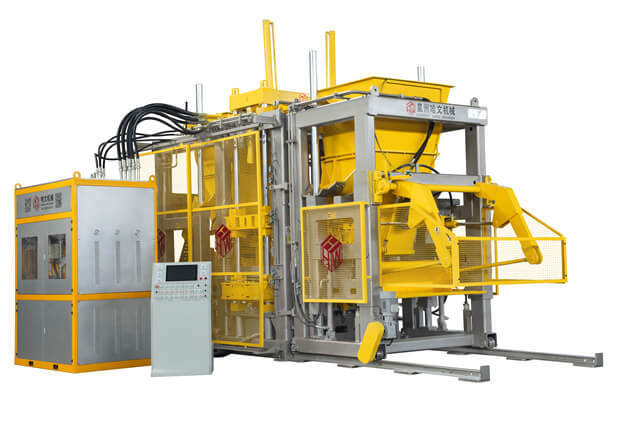
HAWEN Machinery uses a four-shaft vibration box design with eccentric blocks positioned outside the housing. This arrangement reduces vibration resistance and supports more even compaction. However, the benefit is strongest when the production pallet remains flat and compatible with the vibration table.
For buyers comparing a QT8 fly ash brick paver making machine, QT10 automatic solid cement block machine, or QT12 hydraulic hollow block production line, pallet rigidity should be checked in the same discussion as mould size and production board dimensions.
Pallet size and machine compatibility checks
Pallet size must match the machine's pallet feeder, guide rails, vibration table, conveyor width, stacker, curing rack, cuber, and return path. A board that is only slightly oversized can jam. A board that is undersized may sit unstably or fail to support the product layout.
Thickness tolerance also matters. If pallets vary in thickness, product height may shift even when the mould and press settings remain unchanged. This is especially important for pavers, kerbstones, and high-appearance products where small height differences can create installation problems.
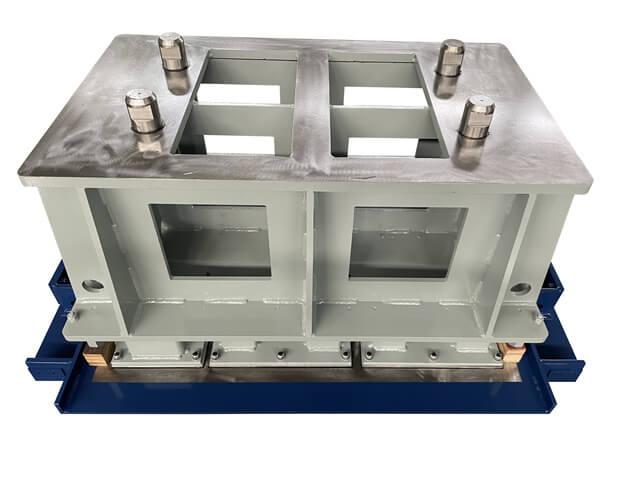
When moulds are supplied with the plant, HAWEN designs moulds compatible with leading block machine brands including Masa, Hess, Zenith, Poyatos, Besser, Tiger, Columbia, Quadra, and Omag. These moulds follow original specifications for fit and operation. Wear surfaces are heat-treated, and hardness is checked at HRC 59-61. Stable mould geometry and stable pallet support work together; one cannot fully correct the other.
Curing handling and stacking risk
After forming, the pallet carries wet products to curing or temporary storage. The pallet must resist bending while loaded and should not absorb water in a way that causes warping. If the board changes shape during curing, the block may develop bottom irregularities or handling cracks.
Handling equipment changes the requirement. Manual handling, forklift movement, pallet feeder systems, rack curing, and automatic cubing create different impact and bending conditions. If the plant uses an automatic pallet provider or automatic offline palletizing system, pallet dimensions and edge strength must match the mechanical grippers, pushers, and guides.
Cleaning is also part of handling. Cement paste, aggregate dust, and broken product pieces can build up on boards. A rough or dirty pallet may mark the next product or cause unstable support. The daily cleaning method should be defined before production begins.
Cost and Supplier Verification
Cost per use method for pallet comparison
Initial price is not enough. A cheaper board may become expensive if it warps quickly, damages blocks, slows the line, or needs frequent replacement. A more durable pallet may reduce operating cost if it remains stable through many cycles. The right calculation is cost per effective use, adjusted for reject risk and downtime.
Method note: Practical pallet cost per use = purchase cost + expected maintenance or repair cost + handling loss allowance, divided by verified usable cycles.
Do not invent service life from a brochure alone. Ask how the service-life claim was derived. Product weight, vibration setting, curing moisture, cleaning method, stacking height, handling impact, and local climate all influence real performance.
| Cost factor | What to verify | Risk if ignored |
|---|
| Thickness consistency | Sample boards from different bundles | Block height variation and machine adjustment confusion |
| Flatness under load | Board deflection with representative product weight | Bottom defects, cracking, and unstable stacking |
| Edge durability | Impact zones near conveyors, feeders, and stackers | Jamming, chipping, and poor mechanical handling |
| Moisture resistance | Behavior after curing exposure and cleaning | Warping, swelling, or surface damage |
| Return-system compatibility | Movement through guides, conveyors, and pallet storage | Lost time and repeated manual correction |
HAWEN Machinery pallet integration points
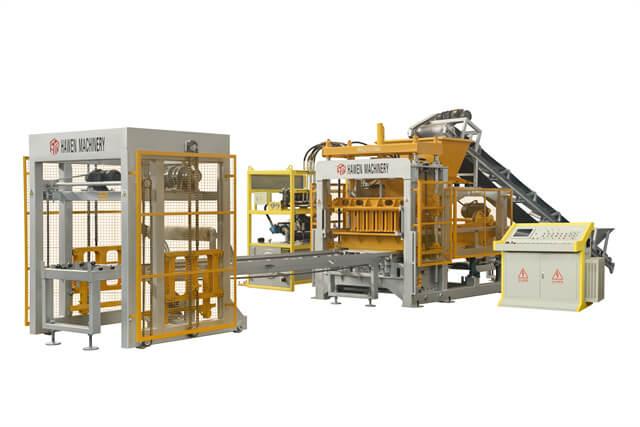
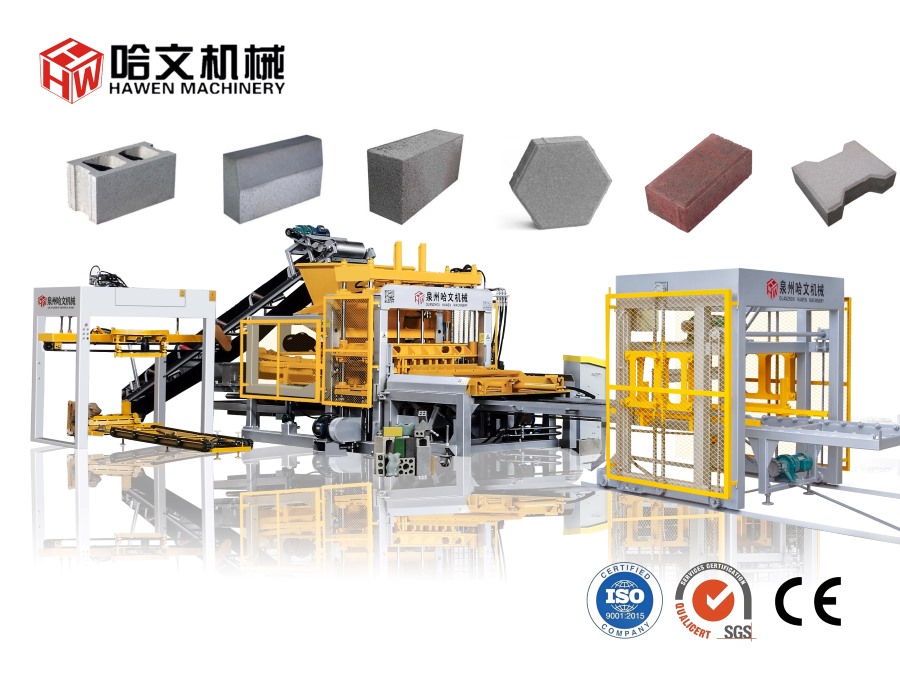
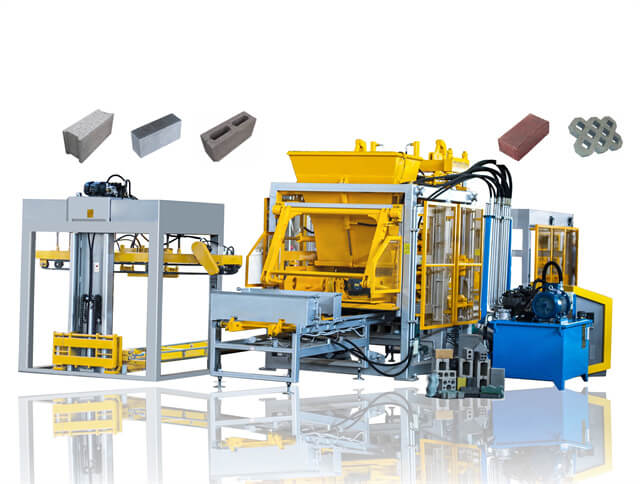
HAWEN Machinery considers pallet selection together with the complete block production line. The selected board should match the concrete mixer, batching system, material feed, mould layout, vibration table, hydraulic cycle, conveyor route, and curing method. A strong pallet is most useful when the rest of the line supports stable product transfer.
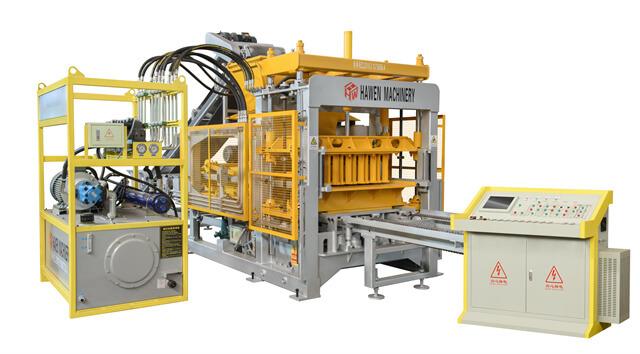
The hydraulic station in HAWEN block machines uses Japanese YUKEN proportional and directional valves with an American ALBERT hydraulic pump. This helps provide stable motion and load response during pressing and demoulding. When pallet support is also stable, the fresh product is less exposed to sudden movement or uneven support.
The control system uses Siemens S7-200 PLC logic, an intuitive touch panel, and remote monitoring capability. HAWEN can review customer machine status and support parameter optimization remotely. This matters when pallet changes require checking feeder timing, vibration settings, board movement, and demoulding stability.
A planetary concrete mixer or twin-shaft concrete mixer prepares the material before forming, while the pallet supports it after demoulding. Good production quality depends on both stages. Material uniformity and pallet stability should be reviewed together rather than as separate purchases.
Buyer inspection checklist before ordering pallets
Before ordering, ask for pallet material details, target dimensions, thickness tolerance, surface finish, expected application, and compatibility with the chosen brick making machine. Request samples if possible and test them through the actual forming and handling path.
During supplier review, compare more than the unit price. Ask how pallets behave under vibration, how they are cleaned, how edges are protected, and whether they are suitable for the curing environment. If the plant will produce pavers or kerbstones, check product weight and contact area carefully.
For factories planning future automation, choose pallets with the return path in mind. Manual production may tolerate some variation that an automatic feeder or cuber will not tolerate. A pallet that works in a simple line may not be ideal after automation is added.
Conclusion
Production pallets for a concrete block machine plant should be selected by material behavior, flatness, stiffness, thickness tolerance, moisture resistance, handling compatibility, and cost per use. The board supports the fresh product at the most vulnerable stage of production, so poor pallet choice can create defects that look like machine, mould, or recipe problems.
For buyers, the next step is to match the pallet to the machine model, mould layout, product weight, vibration condition, curing method, and automation plan. When pallet selection is treated as a technical decision instead of a spare accessory, the factory gains a quieter kind of reliability. Every stable board carries not only a fresh block, but also the precision of the line, the discipline of the operator, and the promise that ordinary building materials can be made with repeatable care, day after day, until they become the walls, roads, yards, and public spaces where real life takes shape.
FAQ
Are GMT pallets always better than wooden pallets?
Not always. GMT pallets often provide good moisture resistance and durability, but the best choice depends on product weight, climate, budget, vibration intensity, and handling system.
How does pallet thickness affect concrete block quality?
Uneven thickness can change product height and machine adjustment. The pallet should remain consistent across batches and fit the feeder, vibration table, stacker, and return system.
Can a poor pallet cause block cracks?
Yes. If a pallet bends, twists, or supports the block unevenly, fresh products may crack or deform during transfer, curing, or stacking. Other causes should still be checked at the same time.
Should pallet choice change for pavers and kerbstones?
Yes. Pavers and kerbstones may have different weight, surface, and dimensional requirements. The pallet should match the product load and the required surface stability.
How many pallets should a new block plant prepare?
The quantity depends on machine output, curing time, return speed, storage method, and production schedule. Calculate the pallet cycle rather than copying another factory's number.
What should be inspected when pallets arrive?
Check quantity, size, thickness, flatness, surface damage, edge quality, moisture condition, and sample fit through the machine path. Record defects before production starts.
Can HAWEN help match pallets with a block machine line?
Yes. Provide the machine model, pallet size, product drawings, curing method, automation plan, and local handling conditions. HAWEN can review whether the pallet specification matches the forming, transfer, and curing process.





 Tel: +86-13905968794
 Email: export@hwmachines.com
 MP/WhatsApp: +86-13905968794
 Manufacturer Address:Nanan,Quanzhou City,Fujian Province,China