Block machine storage before installation becomes a practical project issue when equipment arrives before the building, foundations, utilities, or installation team is ready. A complete production line can include the forming machine, conveyors, mixing equipment, cabinets, moulds, and separately packed components. Their arrival does not mean that each item can be left in the same condition or location until work begins.
The buyer needs a receiving and preservation plan that connects the packing list, storage location, supplier instructions, inspection responsibility, and installation schedule. Transport packaging may protect equipment during the agreed journey without being intended for an extended period at the destination. The appropriate storage arrangement therefore depends on the actual components, packaging, local conditions, and expected delay.
This guide explains the planning questions buyers should resolve before equipment reaches the site. It does not provide a universal storage duration, lifting method, or preservation treatment. Those details need to come from the equipment supplier and the responsible site specialists. The aim is to keep the supplied items identifiable, protected under an agreed procedure, and ready for an orderly installation review.
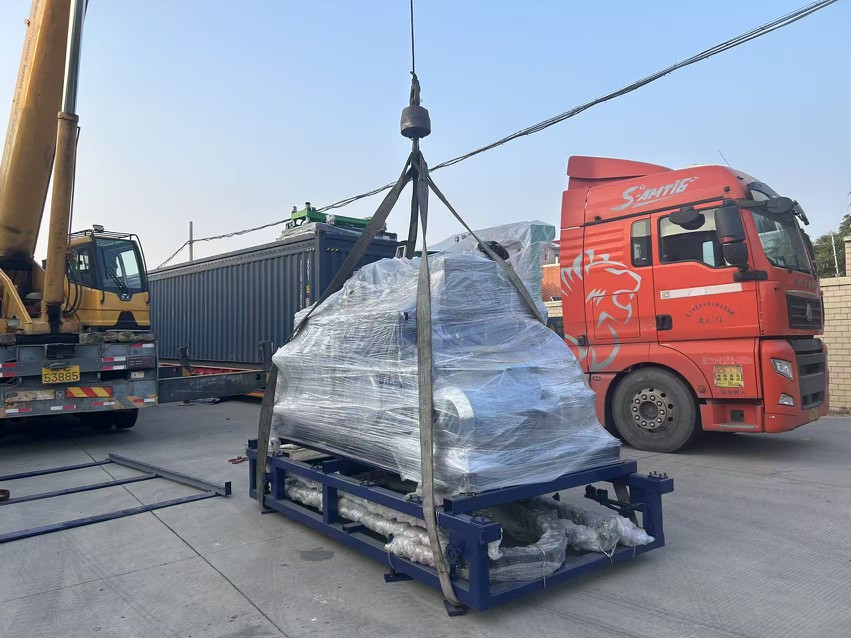
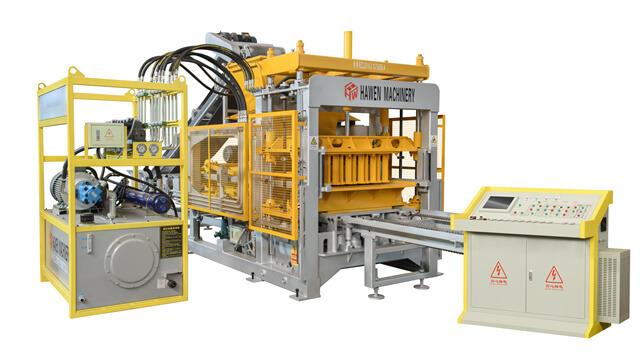
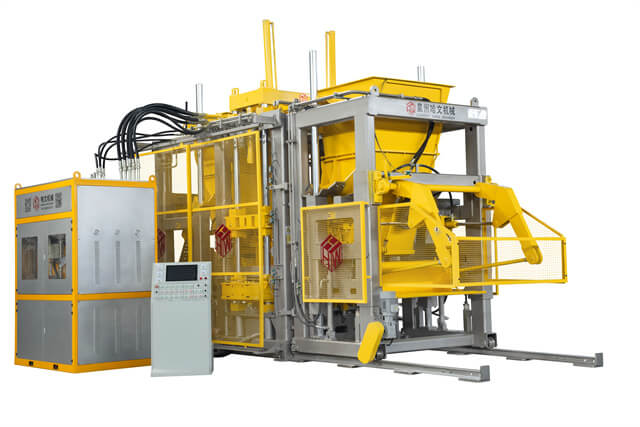
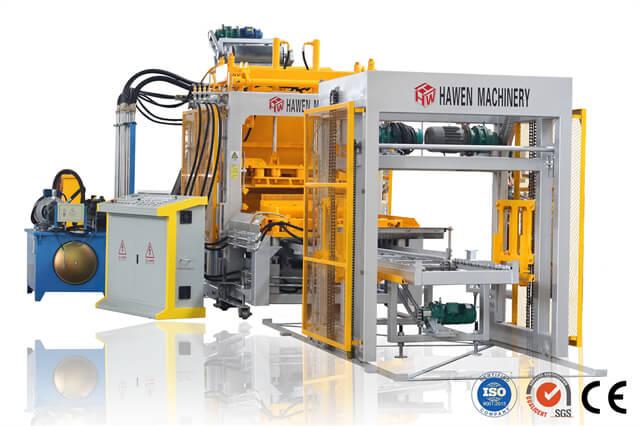
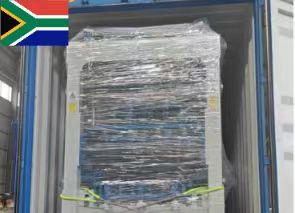
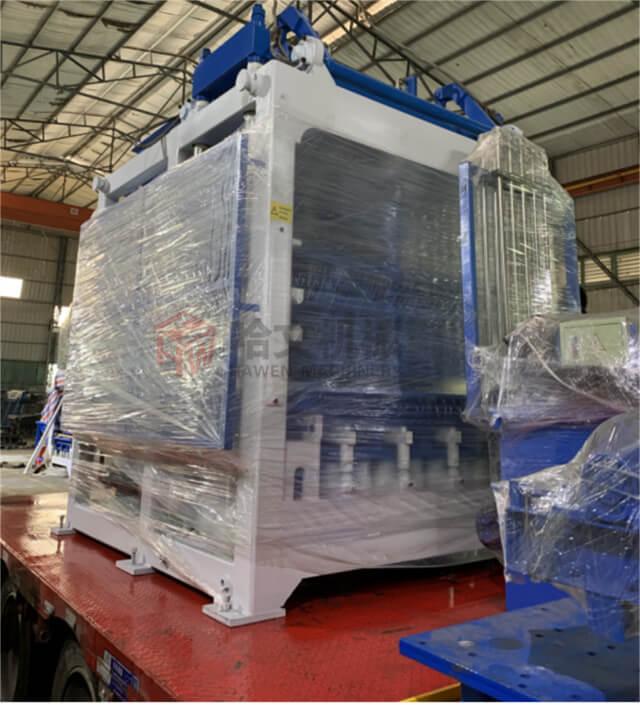
Official HAWEN shipment imagery illustrates the equipment supply stage; destination storage arrangements must be planned for the actual project.
Assign Storage Responsibility Before the Delivery Arrives
Name the person responsible for equipment between delivery and installation. That responsibility may sit with the buyer, site contractor, warehouse team, or another agreed party. The important point is to make the arrangement explicit. A shipment can be received by one team, moved by another, and installed later by a third; without a clear handover, nobody may own routine storage checks or report a changed condition.
Separate delivery receipt, storage acceptance, and installation acceptance. Signing a receiving record is not necessarily the same decision as accepting that every supplied component is ready for operation. The applicable contract and project procedure should determine the meaning of each record. Keep observations and outstanding items visible so a simple administrative receipt does not conceal damage, shortages, or unresolved inspection needs.
Before shipment, tell the supplier if the site expects a delay. Ask what preservation information is available for the selected equipment and whether the proposed storage period or environment requires a different arrangement. Do not assume that a standard export package automatically covers an indefinite wait. If the project schedule changes later, update the supplier and the responsible storage team.
Agree who can authorize unpacking, moving equipment, replacing protection, or opening a sealed package for inspection. Some tasks may require supplier guidance or qualified personnel. The plan should distinguish routine visual checks from interventions that alter the supplied condition. Keep the instructions available to the people actually receiving and storing the equipment, rather than only in the purchasing department.
Match Packages to the Packing List and Receipt Record
Use the supplier's packing list as the starting inventory. Match package marks, equipment references, and quantities to the receiving record. Record items that cannot yet be verified without opening a package. A clearly identified unverified quantity is more useful than marking every line complete when only the outside of a crate has been checked.
Create a location reference for each package or major assembly. Record where it is placed and update the reference if it moves. A production line may arrive in several groups, and small boxes can contain components needed early in installation. If those boxes are separated from the main equipment without a location record, the installation team may mistake a misplaced item for a shipment shortage.
Document the visible condition on arrival using the project's receiving procedure. Photographs should connect the package mark with the condition being recorded. Note damaged packaging, moisture indications, disturbed restraints, or other visible concerns without claiming an internal defect that has not been inspected. Escalate observations through the agreed supplier and project communication route.
Preserve the relationship between loose items and their parent equipment. Fasteners, accessories, documents, and separately packed parts may look interchangeable but belong to a particular assembly. Retain their labels and references. If a package must be divided for an authorized reason, create a clear record of the new locations and the person responsible for the change.
Check the Building, Floor, and Access Conditions
Review the proposed storage space before delivery, using the dimensions and component information supplied for the project. Consider the building enclosure, exposure to weather, drainage, local dust, nearby work, and the conditions expected during the waiting period. A space described simply as indoors may still expose equipment to leaks, construction debris, or moisture from unfinished building work.
Confirm that the floor, supports, and proposed equipment positions are suitable through the responsible site planning process. Do not infer support requirements from a photograph or from the footprint of a different machine. The supplier's component information and the site's structural assessment should guide the arrangement. Leave the equipment in the approved supported condition rather than improvising a different placement to save space.
Plan the sequence of access. The first packages needed for installation should remain reachable without repeatedly moving other equipment. Keep package marks visible and identify routes required by the receiving and installation plans. Avoid using a protected storage area as an overflow location for materials that obscure the equipment or complicate its later removal.
Coordinate storage with continuing building work. Cutting, welding, painting, washdown, or movement of construction materials may change the local conditions. The project team should assess those activities and the protection needed under the supplier's instructions. A storage location accepted at delivery may need to be reviewed when adjacent work changes.
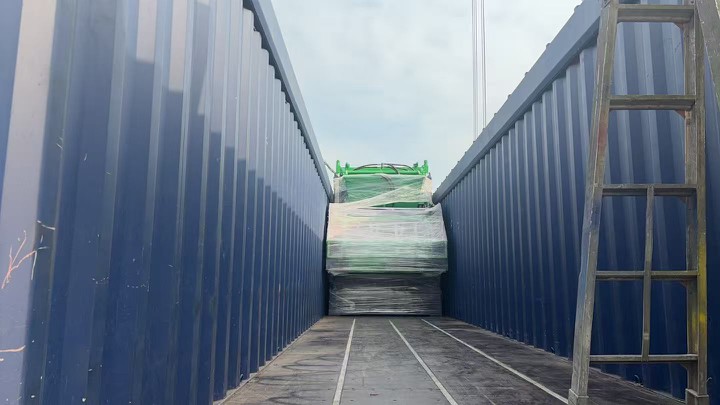
Package identity and receiving information should remain connected as equipment moves from shipment into destination storage.
Confirm Preservation Instructions for Different Components
Request component-specific preservation instructions rather than applying one treatment to the whole line. Painted structures, machined surfaces, hydraulic equipment, electrical cabinets, motors, moulds, and loose accessories can have different requirements. The relevant information may come from HAWEN and from the manufacturers of supplied components. Confirm which instructions apply to the actual configuration.
Ask how transport protection should be handled during the proposed storage period. Covers, wrapping, protective compounds, and enclosed packages have a purpose, but their presence alone does not establish that the storage environment is suitable. Removing protection without guidance can also change the condition the supplier intended. Where inspection or replacement of protection is required, follow the agreed method and retain a record.
Pay particular attention to cabinets and separately packed electrical items when reviewing the supplier's requirements. Do not assume that a closed door or wrapped package establishes an appropriate storage condition. The project should identify the required environment and any checks to be performed by authorized personnel. It should not invent an energizing, drying, or testing procedure without the relevant manufacturer's direction.
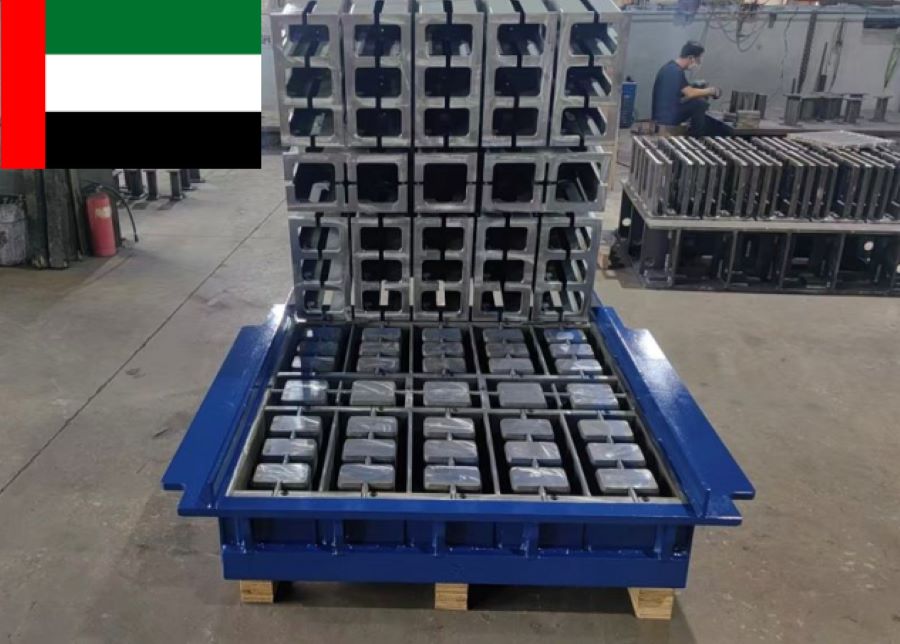
Keep mould identity and any supplied surface protection intact under the applicable instructions. Moulds can be stored away from the main machine and then overlooked when project responsibilities change. Record their locations and condition alongside the rest of the line. The storage plan should also prevent loose equipment or materials from being placed on tooling without an approved arrangement.
When reviewing a HAWEN automatic concrete block production line, ask how delivery documents and preservation instructions are provided for the selected equipment. Confirm the items that need special attention and the information the buyer must supply about destination conditions. This makes storage planning part of the purchase discussion rather than an improvised decision after arrival.
Track Storage Inspections and Installation Delays
Set inspection responsibilities and intervals using the supplier's recommendations and the project's assessed conditions. There is no single interval suitable for every storage environment or component. The record should identify the date, person checking, packages or assemblies reviewed, observations, and any authorized action. Keep unresolved items open until the responsible party has confirmed the next step.
Look for changes relative to the recorded receiving condition. The team's task is to notice an altered cover, a new leak in the building, displaced packaging, unreadable labels, or another condition requiring review. Avoid treating the absence of a visible problem as proof that all internal components remain suitable. The required checks depend on what the supplier has specified and what can actually be inspected.
Reassess the plan when installation is delayed. Record the revised schedule and ask whether preservation measures, inspection arrangements, or the storage location need to change. Do not extend a supplier's stated condition by assumption. If the delay changes contractual or service arrangements, resolve that through the agreed project process rather than interpreting it from the storage log alone.
| Planning item | Record or information to obtain | Decision to resolve |
|---|
| Receiving identity | Packing list, package marks, quantities, and visible-condition records. | Which items are verified and which still require an authorized inspection? |
| Storage responsibility | Named custodian, handover references, and escalation route. | Who monitors condition and approves changes before installation? |
| Location suitability | Supplier component information and site assessment of the proposed area. | Does the location suit the equipment, environment, and planned access sequence? |
| Preservation method | Applicable instructions for packaging and individual components. | What protection and checks are required for the anticipated wait? |
| Installation release | Inspection history, outstanding issues, and supplier-directed readiness checks. | Which items can proceed and which require further review? |
Review Stored Equipment Before Releasing It for Installation
Before installation begins, reconcile the stored equipment with the latest packing and location records. Confirm that the necessary components and documents are available in the planned sequence. Identify anything moved, opened, repacked, or treated during storage. The installation team should receive that history so it does not assume the equipment is still in its exact delivered condition.
Review unresolved receiving and storage observations with the supplier or responsible specialists. Follow the specified inspections and preparations for installation. Do not equate an intact outer package with operational readiness or energize equipment simply to see whether it works. The equipment's installation and commissioning procedures should determine the authorized sequence.
A useful project-handover observation is to ask whether the installation team can locate an item and explain its storage history without relying on the original receiver's memory. Select one major assembly and one loose-parts package for that review. Missing identities, uncertain locations, or unrecorded protection changes show where the handover needs improvement before the work proceeds.
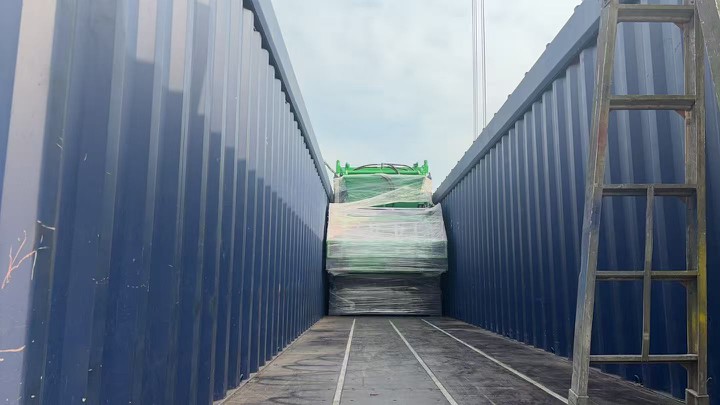
The installation handover should connect the supplied equipment with its receipt, storage, and inspection records.
FAQ
Does export packaging make a block machine suitable for unlimited storage?
No such assumption should be made. Ask the supplier which storage conditions and duration the packaging and preservation arrangement are intended to support.
Should all packages be opened immediately on arrival?
Follow the agreed receiving and inspection procedure. Record what can be verified externally and obtain guidance for inspections that require opening or altering protection.
Can every component use the same storage instructions?
Different assemblies may require different treatment. Confirm the instructions applicable to cabinets, motors, hydraulic equipment, moulds, and other supplied items.
What should the buyer do if installation is postponed?
Update the responsible storage team and supplier, review the changed conditions, and confirm any revised preservation and inspection requirements.
What should be handed to the installation team?
Provide the equipment identities, locations, receiving observations, inspection history, authorized changes, outstanding issues, and applicable installation information.
Conclusion
Storage before installation needs a defined owner, an accurate inventory, a suitable location, component-specific preservation guidance, and a recorded handover to the installation team. Treat delivery receipt and operational readiness as separate decisions under the applicable project procedures.
Before approving shipment or a delayed installation plan, ask the supplier and site team to review the expected waiting period and destination conditions together. Confirm who maintains protection, who checks condition, and what information must be passed on. That review gives buyers a practical basis for receiving and storing the line without leaving important responsibilities unresolved.







 Tel: +86-13905968794
 Email: export@hwmachines.com
 MP/WhatsApp: +86-13905968794
 Manufacturer Address:Nanan,Quanzhou City,Fujian Province,China