Before ordering an automatic concrete block plant, a buyer should confirm that the site can supply the complete production line, not just the block forming machine. Mixers, batching equipment, hydraulic pumps, vibration drives, pallet handling, conveyors, compressors, dust control, lighting, and workshop utilities may all draw from the same service. If the project uses a transformer or generator, its selection also depends on how these loads operate and start.
A single kilowatt figure in a quotation is not enough to approve a site connection. It may describe installed motor ratings, a typical operating load, or only one machine group. Those values answer different questions. The plant's electrical contractor needs equipment nameplate data and operating information to calculate conductors, protective devices, transformer capacity, and any expected voltage drop. The machine supplier should provide the equipment-side information; the local licensed professional must apply the electrical rules for the installation jurisdiction.
This guide gives buyers a practical way to collect and compare that information before installation. It avoids a generic transformer or generator size because concrete block production lines differ in machine configuration, motor starting method, production sequence, voltage, frequency, and local service conditions.
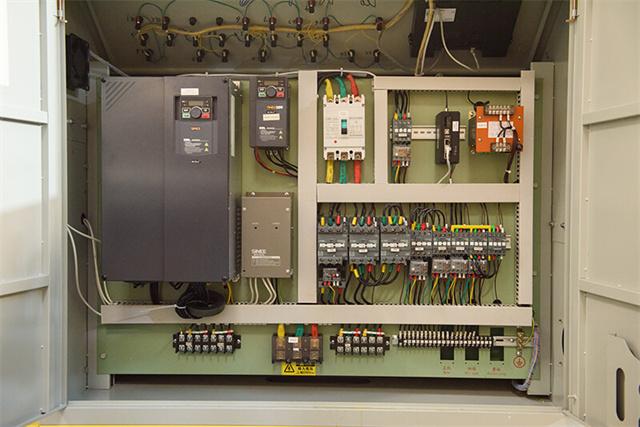
Connected load, demand, and starting power are not the same
Connected load is the sum of the ratings of equipment connected to the installation. It is a useful inventory measure, but it does not automatically equal the power drawn at every moment. Some motors run continuously, others operate only during a part of the production cycle, and some auxiliaries may be used intermittently. The actual operating demand depends on the line configuration and its control sequence.
Starting demand is a separate condition. Motors can draw a different current while accelerating than when running at steady speed. The impact depends on the motor, starter or drive, mechanical load, supply strength, transformer impedance, cable length, and whether other loads are operating at the same time. A starting event can therefore matter even when the average running demand appears manageable.
Ask suppliers to define every power figure they provide. Confirm whether it is kW, kVA, rated current, maximum current, or an estimate of normal operation. Request phase, voltage, frequency, power factor, efficiency where available, and starting method for each major motor group. Avoid combining values with different units or assumptions into a single total.
Build a complete equipment inventory for the block plant
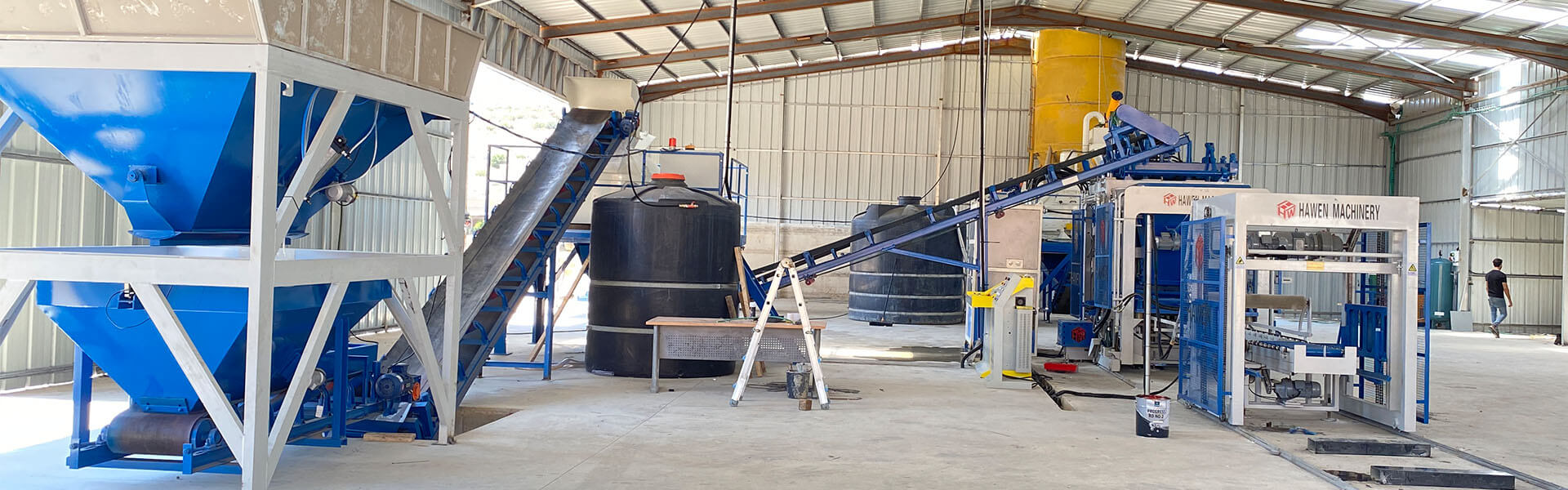
Start with a line-by-line inventory rather than one headline machine rating. Depending on the project, the list may include an automatic batching machine, cement screw conveyor, planetary or twin-shaft concrete mixer, QT series block forming machine, pallet provider, wet-side conveyor, elevator, curing transfer equipment, offline palletizer or cuber, air compressor, dust collection, and auxiliary pumps. Record quantities as well as equipment names.
Separate the main production line from site loads that the buyer must provide. The machine supplier may include a control cabinet and internal wiring up to defined terminals, while the customer provides the transformer, main feeder, grounding system, cable tray, and external connections. Written scope boundaries prevent a late discovery that a support system was omitted from the service calculation.
For each item, record its nameplate or supplier data and identify whether it is part of the quotation. If a motor rating is unknown at the bidding stage, mark it as pending rather than filling the gap with a guess. A preliminary estimate can support planning, but final equipment selection should use confirmed load data.
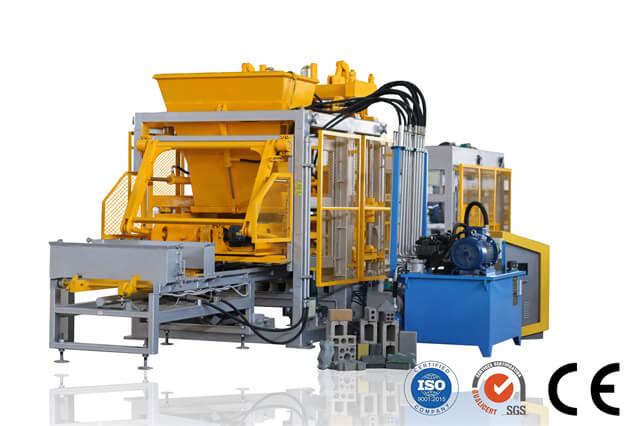
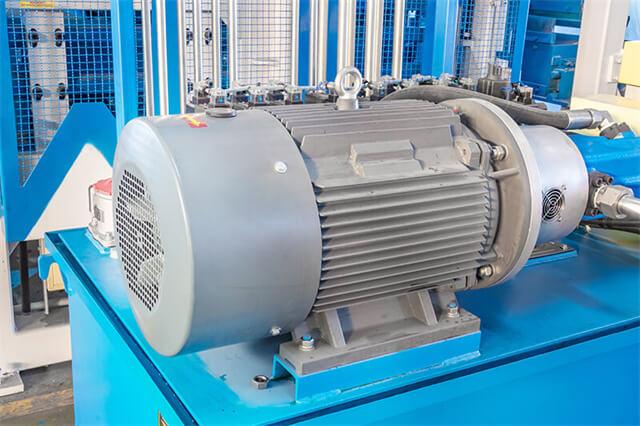
Map the operating sequence and simultaneous demand
Two plants with similar equipment lists may have different demand profiles because their production sequences differ. A batch mixer may run before the forming machine consumes its material. A pallet elevator, conveyor, or cuber may start only when a transfer is ready. An operator may run a compressor or cleaning system outside the main production cycle. The design team needs to know which equipment can operate together and which controls prevent simultaneous starts.
Prepare a simple sequence chart for a typical cycle: batching, mixing, discharge, forming, pallet transfer, curing movement, and finished-product handling. Mark which motors run continuously, which cycle intermittently, and which can start together after a power restoration or emergency stop. Note planned shifts, production hours, changeovers, and any expansion equipment expected later.
Do not assume that diversity or load factors can be applied uniformly. The electrician should use the applicable local code and the actual motor and control data to calculate demand. The buyer's role is to provide an accurate operating picture and ask the supplier to identify automatic sequencing or interlocks that affect concurrent operation.
Account for motor starting and voltage drop
Motor starting can create a short-duration current demand and a voltage dip. If the supply is weak or the feeder is long, the dip may affect the motor being started and other devices on the same system. Potential symptoms include a motor that accelerates slowly, a contactor that drops out, a drive fault, control instability, or nuisance tripping. These symptoms need measured diagnosis; they should not be attributed to an undersized transformer without checking the complete circuit.
Ask for the actual starting method for each significant motor: direct-on-line, star-delta, soft starter, variable-frequency drive, or another arrangement. The starting current and acceleration behavior depend on that method and the motor-load combination. A drive or reduced-voltage starter changes the starting profile, but the design still needs correct settings, coordination, and supplier approval.
Cable length and conductor size also affect voltage at the equipment terminals. A transformer may have sufficient rated capacity while a long or undersized feeder still causes an unacceptable drop under load or during starting. The site electrician should calculate the complete path from the supply point to the equipment, including the installation method, ambient conditions, protective devices, and local requirements.
A transformer rating should be checked against the line's calculated demand and starting conditions, not selected solely by adding motor kilowatts. The design also considers power factor, duty cycle, motor starting, transformer impedance, ambient and installation conditions, and any other loads connected to the same source. A utility provider may impose its own limits on service capacity or permitted voltage disturbance.
Generator planning adds further questions. Confirm the generator's continuous rating, voltage regulation, frequency response, transient behavior, phase configuration, and compatibility with the motors and drives in the line. The generator supplier needs the actual starting sequence and load steps. A set that can carry steady production demand may still respond poorly to a large motor starting while other loads are active.
If the plant will use a generator as backup, clarify which loads must restart automatically and in what order. A controlled restart sequence can reduce simultaneous demand after an outage, but it must be compatible with the block machine's control logic and safety requirements. Never bypass electrical interlocks as a shortcut for restoring production.
Future expansion should be described early. Adding another mixer, palletizer, dust collector, or second forming machine can change service requirements. The buyer should ask the supplier and local electrical designer to identify spare capacity assumptions and reserve provisions in the original project documents.
Confirm voltage, phases, frequency, and site connection
Confirm the electrical supply specification in writing before manufacturing: nominal voltage, phase arrangement, frequency, grounding system, allowable fluctuation, and connection point. A machine configured for one voltage or frequency may require different motors, drives, transformers, or control components for another market. Verbal assumptions are risky when the site is served by a generator, an older industrial network, or a local transformer shared with other users.
Ask whether the quoted rating covers only the main machine or the complete plant. Obtain a load schedule that identifies each included machine, its power, rated current, and starting method. If suppliers present different totals, compare line items and inclusion boundaries before concluding that one quote uses less power.
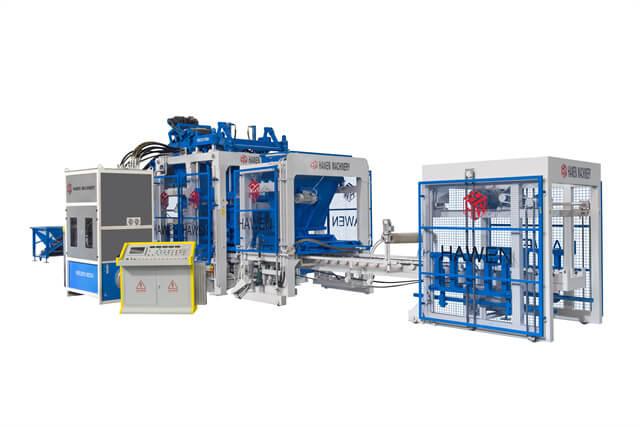
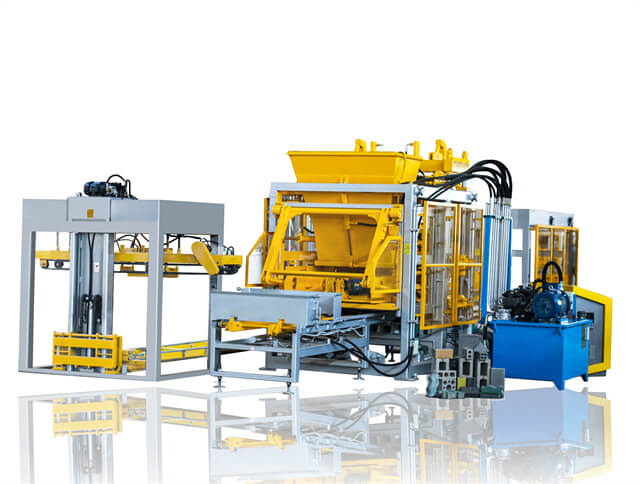
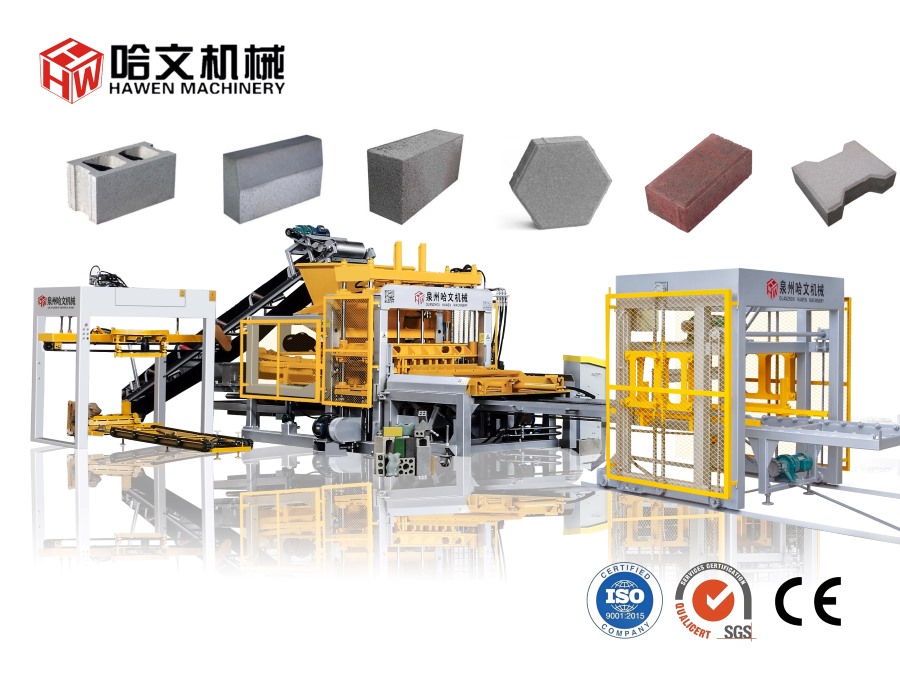
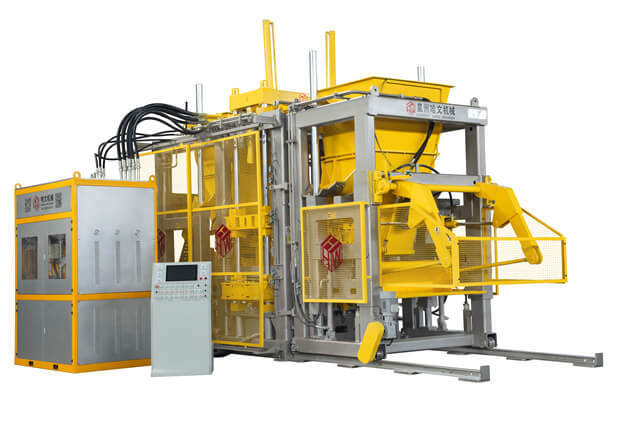
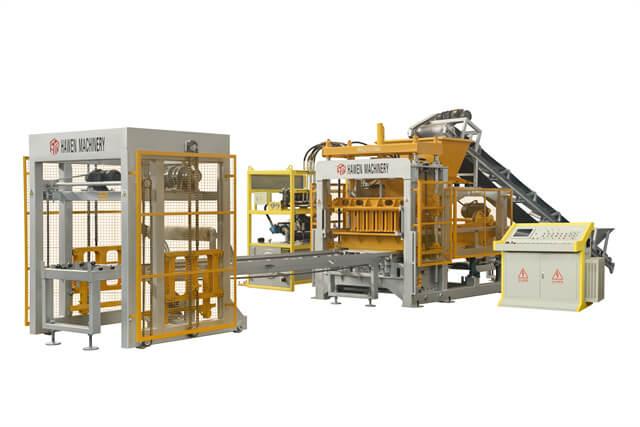
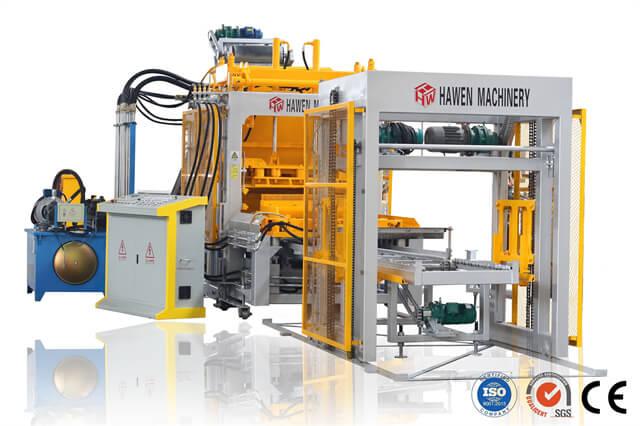
For a QT10 automatic solid cement block machine and paver production line, the buyer should coordinate the machine configuration with batching, mixing, conveying, and pallet handling choices. The product page describes one equipment family; the electrical design must still use the selected project's final equipment schedule and site supply data.
Review cable routes and electrical protection
The main feeder route should be planned with the plant layout. Long cable runs, exposed outdoor sections, high temperatures, dust, moisture, mechanical impact, and vehicle crossings can affect conductor selection and installation method. The cable design must follow local electrical requirements and coordinate with equipment terminals, cable trays, protective devices, and emergency isolation points.
Protection needs to match the conductors, motor characteristics, and equipment fault levels. Breaker size cannot be selected from kW alone. The design considers rated current, starting behavior, short-circuit capacity, overload protection, discrimination with upstream devices, and the manufacturer's recommended protection. Ask for a single-line diagram or connection drawing that shows where customer responsibility begins.
Grounding and bonding are essential parts of the installation plan. Confirm the required earthing connection, control cabinet bonding, and any special requirements for variable-speed drives or sensitive control equipment with the supplier and local electrical professional. The machine should not be energized until these checks are complete.
Electrical data buyers should request
The following list helps structure a quotation review. Some values may be available only after final configuration. Record the source and revision of each value so that the site designer does not combine preliminary estimates with final nameplate data.
| Information | Why it is needed | Who should confirm it |
|---|
| Equipment list and quantity | Defines which loads belong to the project scope | Buyer and machine supplier |
| Voltage, phases, and frequency | Confirms compatibility with the site supply | Supplier and local electrical designer |
| Motor kW, current, and power factor | Supports load and feeder calculations | Equipment supplier or nameplate |
| Starting method and starting data | Helps assess transient demand and voltage dip | Supplier and electrical designer |
| Operating sequence and interlocks | Shows which loads may run or start together | Machine supplier and plant operator |
| Connection point and feeder length | Enables installation and voltage-drop review | Site electrician |
Measure the installed system during commissioning
Before the first production run, verify the supply against the approved drawings and equipment data. Confirm phase sequence, voltage, grounding, protective settings, terminal tightening, cable identification, and control cabinet connections using qualified personnel and appropriate instruments. The commissioning checklist should identify the person responsible for each item and record any outstanding issue.
During representative operation, measure voltage and current at suitable points while major loads run and during planned motor starts. Record the machine state, mix batch, sequence, and any alarms. Measurements should be taken by qualified personnel using instruments rated for the installation. A reading without a timestamp or operating condition is difficult to compare later.
If a drive faults or a motor struggles to start, collect the event log and electrical measurements before changing settings. Check the incoming supply, feeder drop, overloads, motor condition, mechanical load, and control sequence. Any change to motor protection or drive parameters should follow the supplier's instructions and the local electrician's approval.
FAQ
Can the required transformer size be calculated from the forming machine kW alone?
No. The complete plant includes mixers, batching, transfer equipment, auxiliaries, and site loads. Starting conditions and operating sequence also matter. Use the final load schedule and have the local electrical designer perform the calculation.
Is installed kW the same as the generator rating required?
No. Generator selection also depends on load steps, motor starting, power factor, transient response, voltage regulation, and which equipment must run together. The generator supplier needs the detailed load and restart sequence.
Why can a motor fail to start when the transformer rating seems adequate?
Voltage drop may occur across the transformer and feeder during starting. Cable length, transformer impedance, network strength, starting method, and mechanical load can all contribute. Measure the system and review the motor data before changing protection settings.
Should the buyer specify a generator before the machine configuration is final?
A preliminary estimate can reserve site space and budget, but final selection should wait for confirmed equipment ratings, starting methods, and control sequence. Update the estimate when the line scope changes.
Who is responsible for approving the site electrical installation?
The machine supplier provides equipment connection and load information. The customer’s qualified local electrical professional designs and approves the installation under the rules that apply at the site.
Conclusion
Site power planning for an automatic concrete block plant requires more than adding motor nameplates. Buyers need the full equipment list, supply specification, operating sequence, motor starting data, feeder route, and clear division of installation scope. Transformer or generator selection should reflect both steady operation and the transient conditions created by starting and restarting loads.
Before ordering, request a project-specific load schedule and connection documents from the supplier. Give those documents to the local electrical designer along with site voltage, frequency, feeder distance, utility limits, and expansion plans. At commissioning, verify the installed system under representative operating conditions and keep the measurements with the equipment records. This process lets the plant assess power capacity using documented data rather than a generic estimate.






 Tel: +86-13905968794
 Email: export@hwmachines.com
 MP/WhatsApp: +86-13905968794
 Manufacturer Address:Nanan,Quanzhou City,Fujian Province,China