Cement silo bridging and screw conveyor blockage can stop a concrete block plant before the block machine even begins its cycle. When cement flow becomes unstable, batching accuracy falls, mixer timing changes, and block quality becomes difficult to control. A reliable brick machine line needs smooth cement feeding as much as it needs strong vibration or a precise mold.
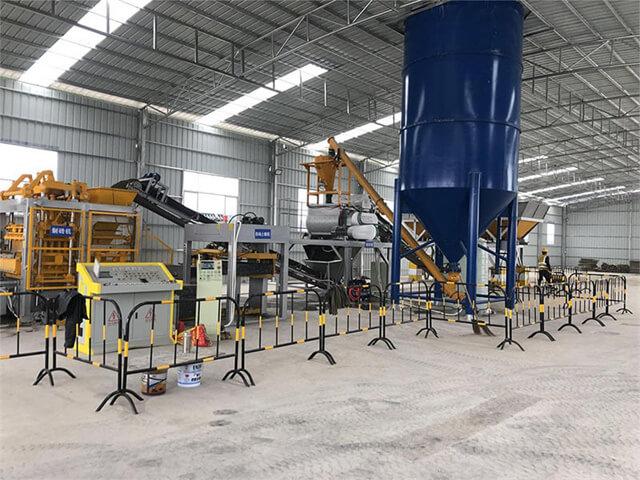
Why silo flow matters
The cement silo is part of the dosing system. If cement forms a bridge above the outlet, the batching machine may wait or receive less cement than expected. The concrete mixer then produces material with changing cement content, and the block making machine may show weak edges, poor compaction, or inconsistent surface color.
Many factories mistake silo flow problems for mixer or machine problems. If cement arrives late or in pulses, the operator may change water, vibration, or cycle time unnecessarily. The first step is to confirm whether cement is flowing steadily before adjusting the brick making machine.
Common causes
Bridging is often caused by moisture, lumpy cement, poor venting, long storage time, or insufficient discharge angle. Screw conveyor blockage can come from hardened cement, worn flights, wrong rotation, overfeeding, or poor sealing at the inlet. Dust collector problems can also affect silo pressure and discharge behavior.
Hot, humid, or rainy locations need extra attention. Cement should be protected during transport, unloading, and storage. A silo that looks closed may still allow moisture to enter through poor seals, damaged vents, or careless inspection covers.
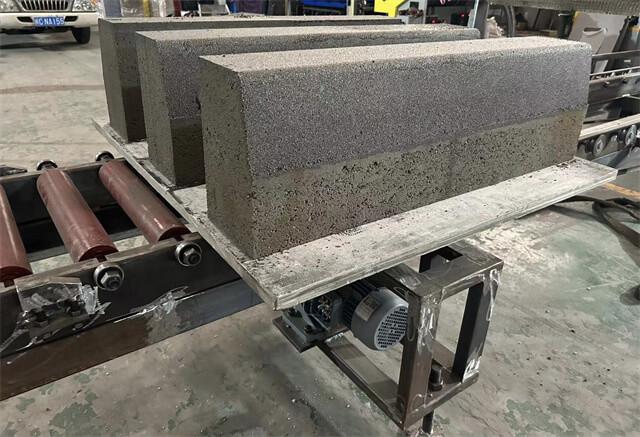
Practical solutions
Keep cement dry. Inspect silo sealing, venting, dust collector, screw conveyor inlet, and discharge gate before problems appear. Do not use hammering as the normal solution; it can damage the silo and does not remove the cause. If the plant needs flow assistance, use proper equipment and follow supplier instructions.
Clean the screw conveyor regularly. Remove hardened cement before it becomes a full blockage. Check bearings, seals, motor condition, and flight wear. Confirm that cement weighing reaches target weight smoothly during each batch. A stable cement flow supports stable blocks.
System checks
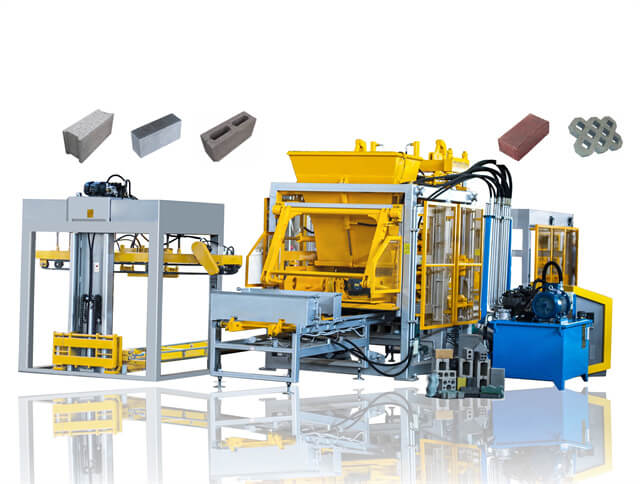
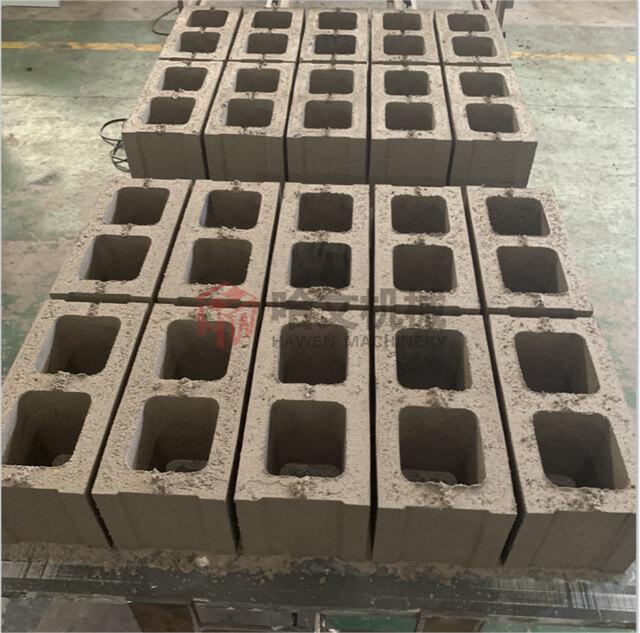
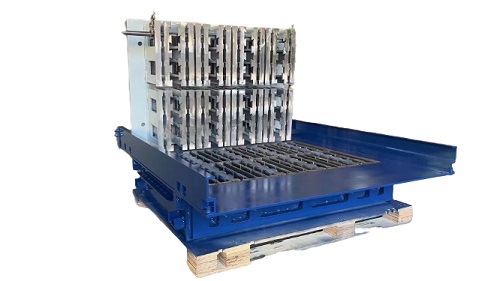
Run a dry system test before mass production. Observe cement discharge, weighing speed, screw current, dust collector behavior, and mixer loading. Then produce trial boards and inspect block height, density, and demoulding. If the plant uses hollow block moulds or interlocking paver moulds, stable cement dosage is especially important for sharp edges and consistent color.
The downstream flow should also be ready. A GMT pallet, automatic pallet provider, and offline palletizing system help protect the production rhythm after cement feeding is stable.
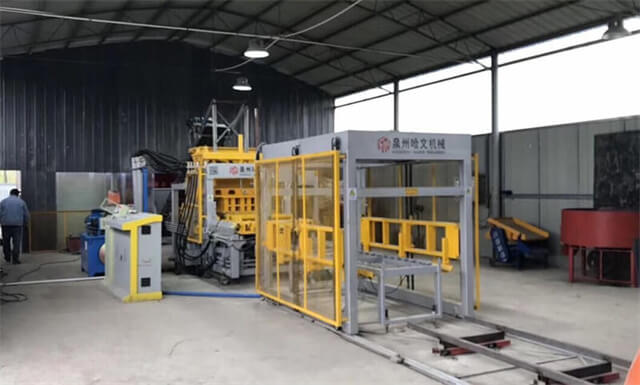
Hawen Machinery advice
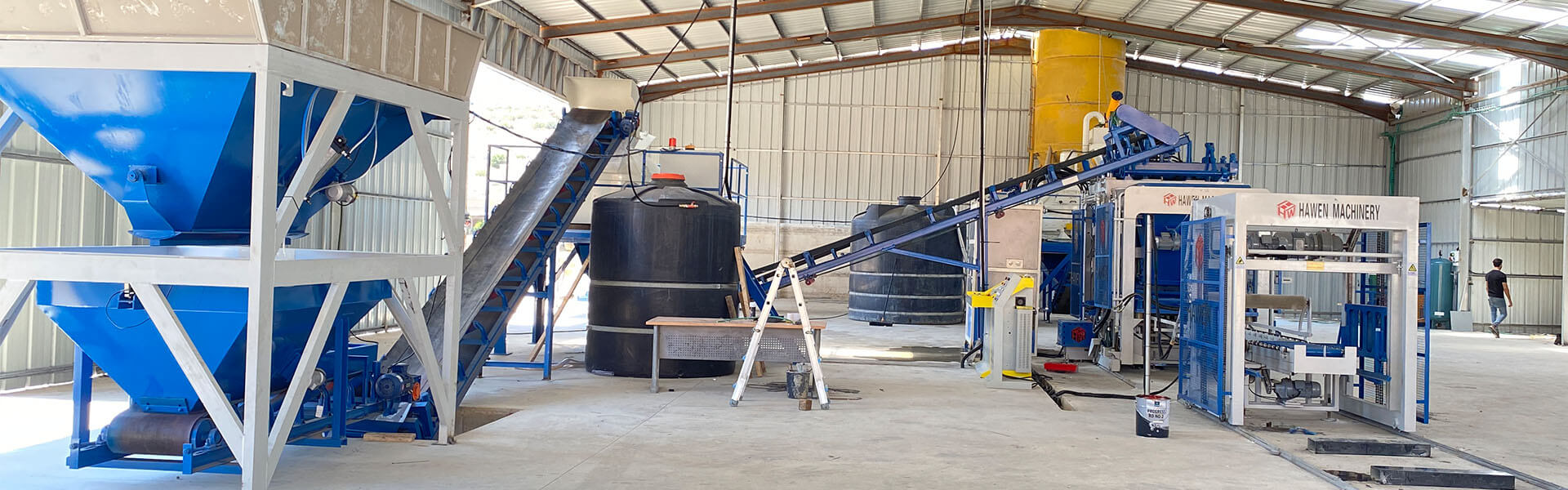
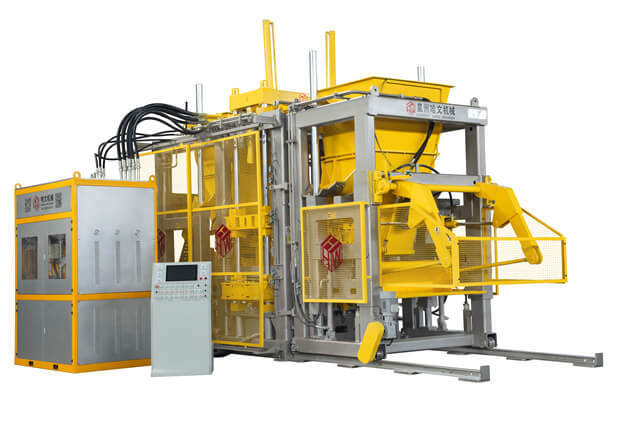
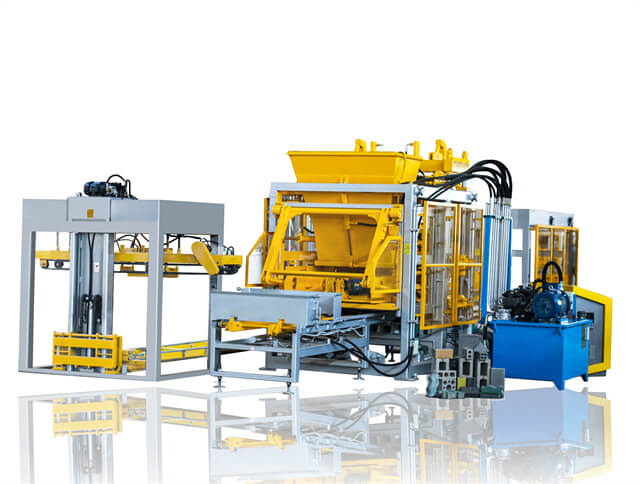
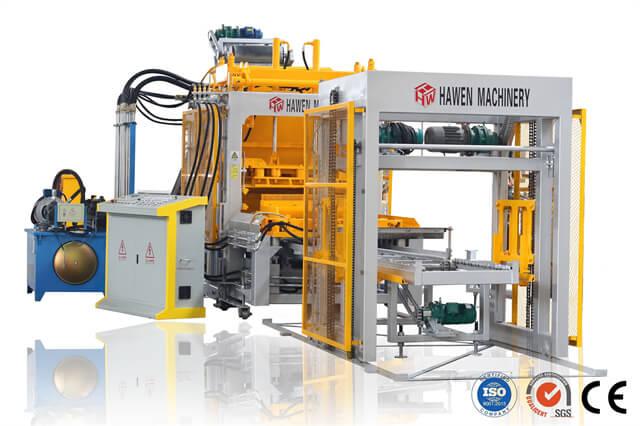
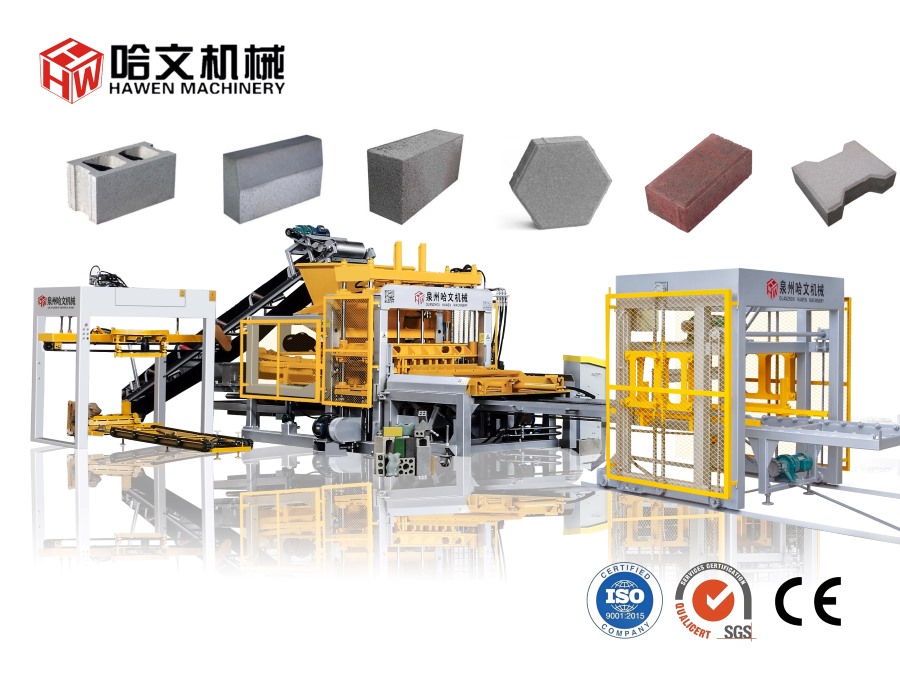
Hawen Machinery plans cement storage, batching, mixing, and forming as one system. The SIEMENS S7-200 PLC and touch panel help monitor operating status, while remote support can help review parameters. Hawen block machines use Japanese YUKEN proportional and directional valves with an American ALBERT hydraulic pump, supporting stable machine movement after the mix reaches the mold.
Cement flow is quiet when it works, but expensive when it fails. A plant that controls silo discharge and screw conveying protects every later step, from mixing to vibration to final product strength.
FAQ
What is cement silo bridging?
It is when cement forms an arch or blockage above the outlet, preventing smooth discharge.
Why does the screw conveyor block?
Moisture, hardened cement, worn flights, overfeeding, or poor sealing can cause blockage.
Can I hit the silo to fix bridging?
It is not a good routine method. Find the moisture, venting, discharge, or material cause.
Does silo flow affect block strength?
Yes. Unstable cement dosage can change mix quality and product strength.
How often should the screw conveyor be checked?
Check it regularly according to production intensity and supplier maintenance guidance.
Can Hawen help plan cement feeding?
Yes. Hawen can match silo, screw conveyor, batching, mixer, and block machine layout.





 Tel: +86-13905968794
 Email: export@hwmachines.com
 MP/WhatsApp: +86-13905968794
 Manufacturer Address:Nanan,Quanzhou City,Fujian Province,China