Two concrete block machine offers may show different production pallet sizes, different quantities per mould, and different estimated daily outputs. The larger pallet can appear to make the purchasing decision straightforward, but the buyer still needs to establish whether both offers describe the same finished product, production arrangement, and complete operating scope.
Pallet size is an important equipment variable, yet it is not a complete measure of saleable output or plant suitability. The approved mould layout, operating sequence, pallet circulation, handling equipment, and curing arrangements all influence what the proposed line can deliver. Comparing pallet dimensions alone can hide differences that matter more to the investment decision.
This guide explains how buyers can place offers with different pallet sizes on a common comparison basis. It does not prescribe a preferred pallet dimension or a universal production rate. The objective is to make each supplier's assumptions visible and connect the proposed equipment to the buyer's actual product and order requirements.
Core principle: compare offers on the same finished-product drawings, supplier-confirmed mould layouts, a clearly defined output basis, and the complete pallet circulation and handling scope. Pallet dimensions are one input to that comparison, not the conclusion.
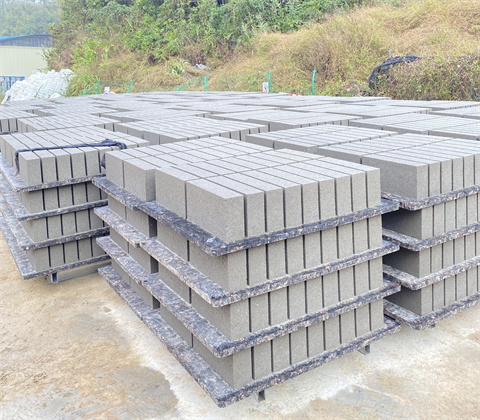
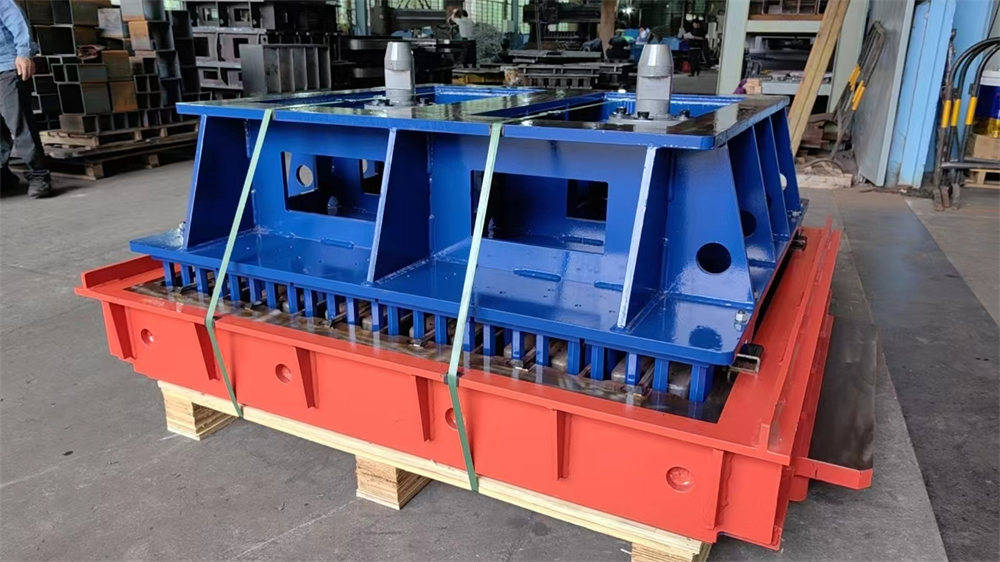
Production pallet dimensions should be reviewed together with the product layout and the complete pallet circulation route.
Start with the Same Finished Product Specification
Select the products that will form the basis of the comparison. Provide an identified drawing or specification for each product, including the dimensions and features relevant to production and acceptance. A general description such as hollow block or interlocking paver is not enough to establish that two suppliers are calculating output for an equivalent product.
Confirm whether the stated dimensions describe the finished product and which drawing revision applies. Product names used in different markets may cover different geometries. Internal openings, wall arrangements, surface features, and other details can affect the proposed mould layout. Keep those details consistent before comparing the number of units produced on each pallet.
For paving products sold by area, establish the commercial measurement basis and the applicable product arrangement. Do not assume that a piece count can be converted directly into saleable area using a simplified outline. The buyer's approved specification and selling convention should define the conversion used in the comparison.
Include more than one product when the business plan requires a mixed product range. An offer that looks attractive for one standard block may present a different operating balance for pavers, special masonry units, or kerbstones. Identify the priority products and their expected role in the factory instead of choosing the machine from a single convenient catalogue example.
Compare Confirmed Mould Layouts Rather Than Pallet Area
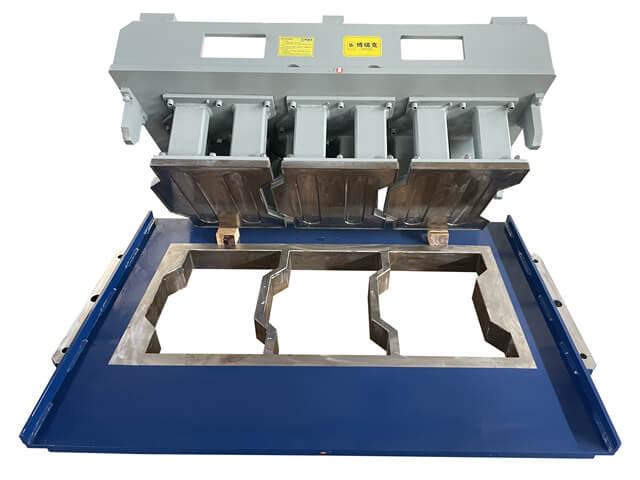
Request the proposed mould layout for each selected product and pallet arrangement. The drawing should show the actual number and arrangement of units that the supplier proposes to manufacture. A simple calculation based on total pallet area divided by product area does not establish a technically suitable cavity layout.
Nominal pallet dimensions and usable production arrangement are not the same information. The relevant machine, mould, feeding, and handling interfaces must be considered by the supplier. Buyers should not infer that every part of a larger pallet can be occupied by additional products, or that a layout can be expanded by repeating the same outline without further review.
Check the relationship between the proposed mould and the complete product range. Ask whether a stated quantity per pallet applies to the exact product drawing supplied or only to a different reference product. If a supplier revises the layout during quotation, retain the revised drawing and ensure that the associated output statement is updated.
Consider order composition as well as maximum pieces per drop. Some products are supplied as coordinated sizes or arrangements rather than interchangeable individual pieces. The comparison should explain whether the proposed mould layout produces the required product combination and how that output relates to the customer's order. More pieces do not necessarily mean a better match to demand.
A supplier-confirmed mould layout is a stronger comparison basis than a theoretical pallet-area calculation.
Put Output Claims on the Same Operating Basis
Ask each supplier to identify the basis of its production estimate. Record the product, confirmed pieces per pallet, stated cycle conditions, operating period, included equipment, and any assumptions about interruptions. A figure described as daily capacity is difficult to compare when one proposal uses a different production window or excludes ordinary supporting activities.
Separate theoretical forming output from expected operating output and accepted saleable products. These are different quantities. A calculation based on uninterrupted forming cycles does not by itself account for the complete factory workflow. Likewise, products formed are not automatically products released for dispatch under the applicable quality requirements.
Use a transparent calculation structure. Gross forming output can be described as the confirmed number of units per pallet multiplied by the number of completed forming cycles. The buyer then needs an evidenced basis for the completed-cycle assumption and a separate review of accepted output. Avoid inserting an unsupported efficiency percentage merely to make the calculation look realistic.
Check what the stated cycle includes. Loading, material availability, pallet supply, forming, transfer, and downstream acceptance may interact differently in each proposed arrangement. The supplier should explain the operating boundary of its estimate. A short isolated machine movement should not be treated as equivalent to a demonstrated complete production sequence.
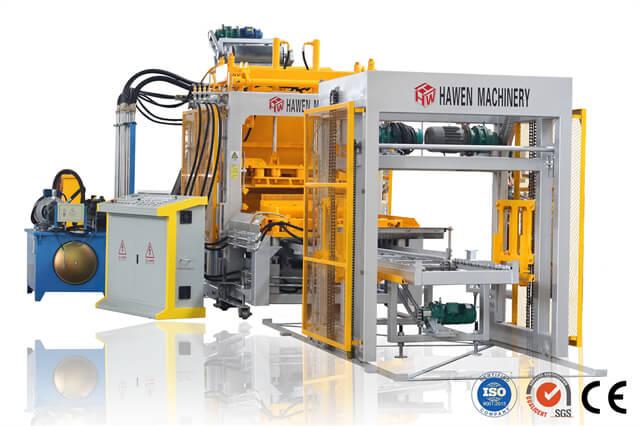
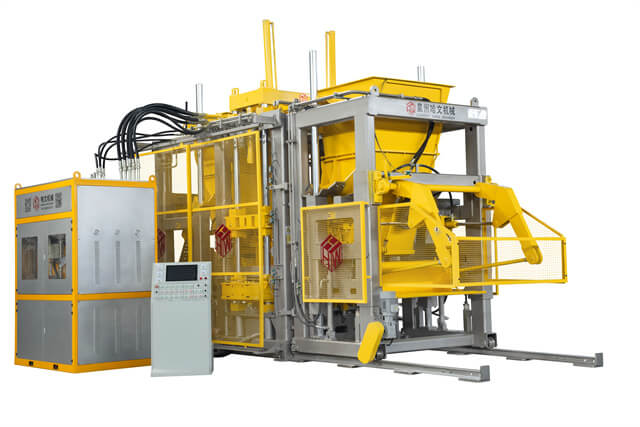
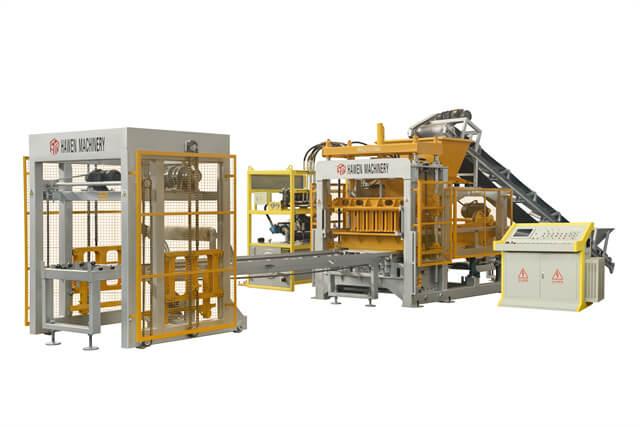
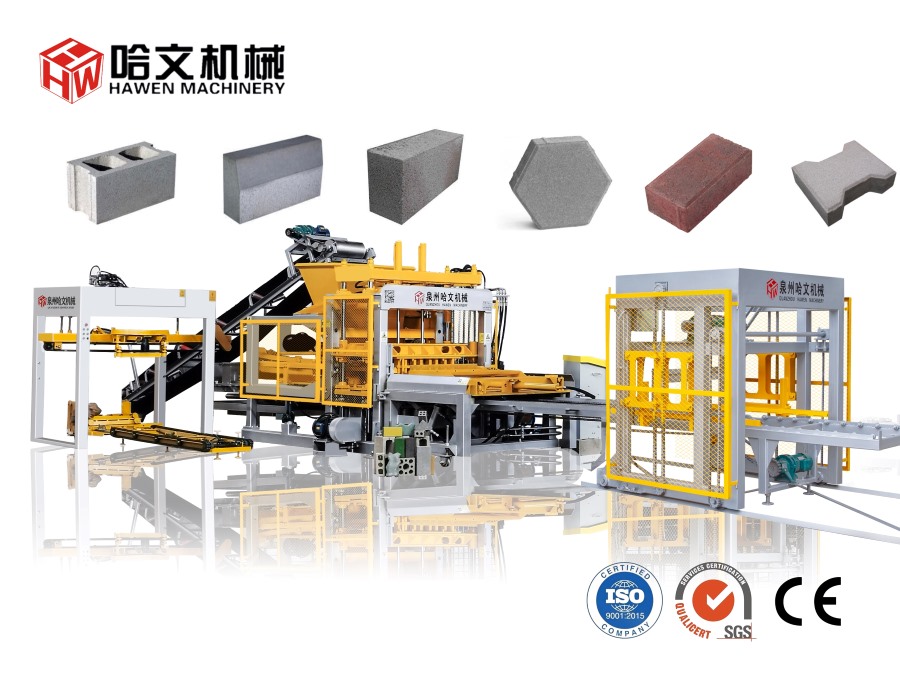
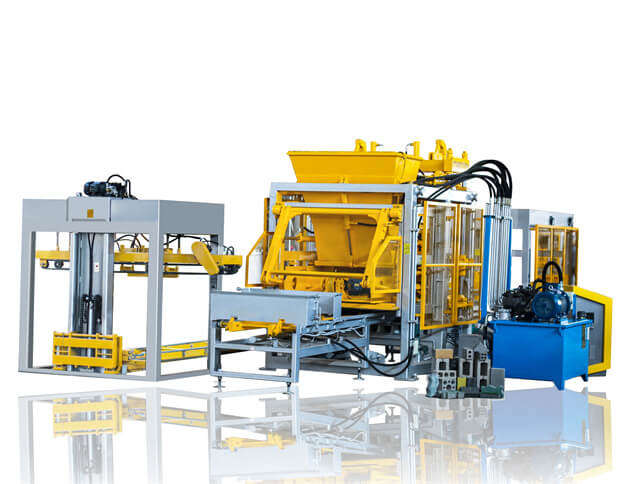
When reviewing a concrete block making machine configuration, compare output for the identified product and complete proposed arrangement rather than relying on the model name alone. Catalogue information helps establish the equipment family, but the quotation should connect the actual mould layout, pallet specification, and line configuration to the buyer's intended production.
Comparison Item
Common Basis Required
Difference to Keep Visible
Finished product
Same approved drawing and relevant requirements
Different geometry or product revisions
Mould layout
Supplier-confirmed arrangement for each pallet size
Actual units per pallet and product combination
Output estimate
Consistent operating period and clearly defined cycle boundary
Theoretical forming output versus accepted production
Pallet inventory
Complete circulation route and return assumptions
Required quantities, unavailable stock, and reserve basis
Handling and curing
Identified product and pallet arrangement
Equipment compatibility, occupancy, and return timing
Quotation scope
Itemized equipment, services, and exclusions
Missing items and buyer-supplied work
Calculate Pallet Circulation for Each Proposed Line
Compare the pallet inventory required to support each arrangement, not only the price of one pallet. Pallets remain occupied through the applicable production, handling, curing, unloading, and return stages. A line with insufficient available pallets can wait even when its forming machine has unused capacity. The required quantity depends on the actual circulation plan.
Map the route from empty-pallet storage to the point at which a pallet becomes available for reuse. Identify the stages that occupy it and the operating assumptions behind their duration. Use the product's approved process requirements and the proposed handling arrangement. Do not assume that pallets return immediately after the forming machine has completed its cycle.
Separate working inventory from pallets unavailable because of inspection, cleaning, repair, or other plant-controlled status. Any reserve allowance should have a stated basis rather than being an unexplained percentage. The buyer should understand which quantity supports ordinary circulation and which quantity addresses a separately identified operational need.
Do not assume that a larger pallet automatically reduces the total pallet investment. It may change the number of units produced per pallet, but it can also change the individual pallet specification, handling arrangement, storage requirements, and circulation assumptions. Compare the complete proposed inventory and its supporting equipment before drawing a purchasing conclusion.
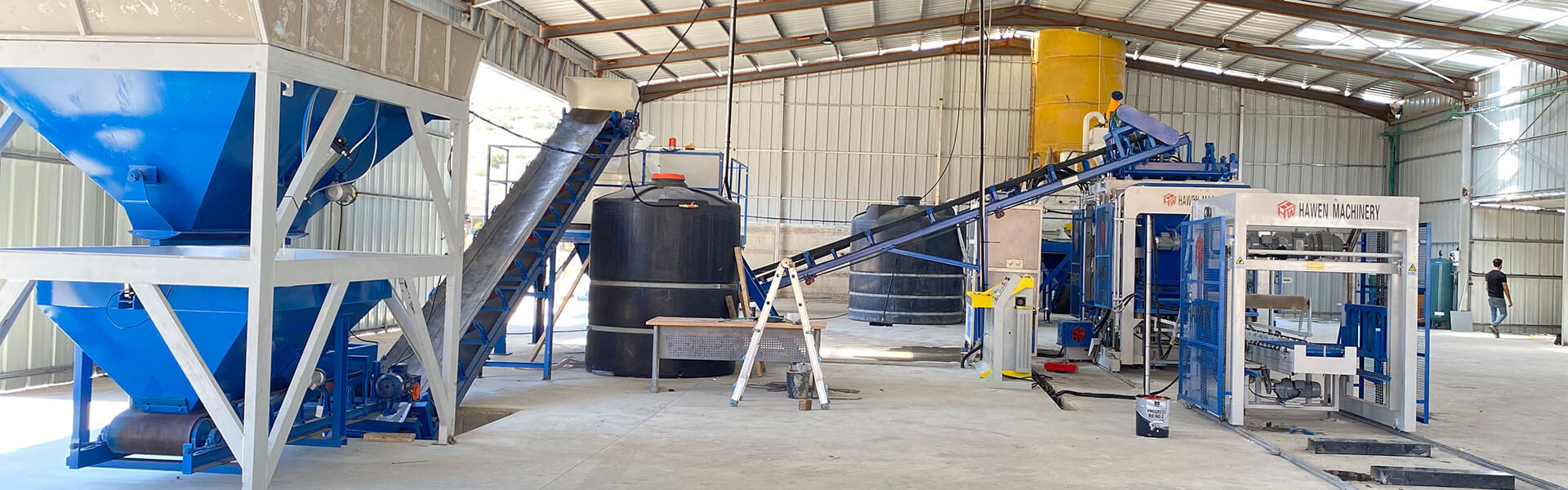
Compare the proposed machine together with the pallets and supporting equipment needed for the intended production plan.
Review Handling and Curing Interfaces Before Comparing Price
Identify every stage that receives or supports the selected pallet. Depending on the proposed line, this may include the pallet provider, transfer equipment, stacker, curing arrangement, unloading equipment, and return route. Compatibility should be confirmed for the actual pallet and product configuration rather than assumed from a general description of an automatic plant.
Review the relevant product-and-pallet handling conditions with the supplier. A proposed arrangement must account for the intended units and their handling requirements, not merely the dimensions of an empty board. This article does not prescribe handling loads, stack heights, or clearances. Those values require confirmation for the specific equipment and site arrangement.
Compare curing occupancy using the actual proposed layout. A count of curing positions alone may be misleading when pallet dimensions, product arrangements, or handling systems differ. Ask how the planned production quantity moves through curing and when the occupied resources become available again. Keep that explanation connected to the assumed pallet circulation.
For an existing factory, list retained equipment separately. Existing pallets, racks, conveyors, or handling units should not be treated as compatible simply because reusing them would reduce the initial quotation total. Mark each proposed reuse interface as confirmed, requiring review, or excluded. This makes the cost comparison more honest before the buyer commits to a new pallet format.
Build a Comparable Equipment and Operating Scope
Prepare one comparison schedule covering both offers. Include the machine, selected moulds, production pallets, batching and mixing arrangement, handling equipment, controls, services, and clearly identified exclusions. Where the suppliers propose different automation levels, preserve that difference rather than treating both quotations as equivalent because each contains a main forming machine.
Compare the supporting requirements that accompany the pallet choice. Record the proposed storage arrangement, transport and unloading considerations, replacement-pallet specification, and relevant service information. Where information is missing, mark it as unresolved. A comparison should not silently assign a zero cost or zero operational consequence to an omitted requirement.
Keep production flexibility visible. The pallet size and confirmed mould layouts may support the buyer's priority products differently. Compare the actual order pattern, proposed changeovers, and approved stock strategy. A configuration selected only for the largest theoretical output can be a poor commercial match if the factory mainly serves a different combination of products and quantities.
Request appropriate evidence for the final comparison. Ask the supplier to identify the product, mould layout, pallet arrangement, and equipment configuration shown in any demonstration. If the evidence comes from a different installation, record which elements are comparable and which still need confirmation. Do not describe an illustrative video as verification of the buyer's final plant.
Before selecting the offer, close the important assumptions in writing. Confirm which production estimates, layouts, equipment items, and buyer responsibilities form the agreed basis. The purpose is not to remove every uncertainty from a future operating business, but to prevent basic differences in pallet format and equipment scope from remaining hidden inside an apparently simple price comparison.
A complete comparison connects product demand, confirmed mould layouts, pallet circulation, and the proposed handling route.
Handling loads, stack heights, clearances, and pallet reuse compatibility depend on the specific machine, mould, and site arrangement. Confirm these values with the supplier and qualified engineering personnel before finalizing the line configuration.
Prepare the Information Before Requesting a Quotation
A structured inquiry helps each supplier answer on the same basis. Assemble the following items before the technical discussion so that pallet size is evaluated against real project data rather than a catalogue example.
Finished-product drawings or specifications for each priority product, with the applicable revision identified.
The expected product mix and the approximate share of each product in normal orders.
The intended operating period and shift pattern used for output planning.
The required pallet format, or a clear statement that the supplier is proposing it.
Site information relevant to layout, pallet storage, curing space, and handling routes.
Available utilities and the batching, mixing, and material-preparation arrangement.
Any existing pallets, racks, or handling equipment the buyer intends to retain, marked for compatibility review.
A request for confirmed mould layouts, an explained output basis, and an itemized equipment scope with exclusions.
For buyers who want to review pallet options in more depth, the guide on how to choose production pallets for a concrete block machine plant explains the related selection factors. A verified product catalogue entry is also available for those who want to review the wider equipment range: Download Product Catalog.
FAQ
Does a larger production pallet always mean higher saleable output?
No. Confirm the actual mould layout, operating basis, complete line arrangement, and product-release requirements. Pallet dimensions alone do not establish how many accepted products the factory can deliver within its operating period.
Can buyers calculate units per pallet from the pallet area?
A theoretical area calculation is not a substitute for a supplier-confirmed mould layout. The actual product geometry and equipment interfaces must be reviewed. Use the proposed drawing rather than assuming that every part of the nominal pallet area is available for product placement.
Should quotations be compared using pallet price per piece?
That is only one purchasing figure. Compare the required pallet inventory, specification, circulation route, supporting equipment, and relevant operating assumptions. A lower individual pallet price does not establish a lower complete requirement.
Can an existing factory keep its old pallets after changing machine size?
Only where the actual compatibility has been confirmed. The forming machine and connected handling equipment must be reviewed against the retained pallet specification. Intended reuse should remain an open interface question until it is technically supported.
What is the most useful first document for a fair comparison?
Start with the buyer's identified finished-product drawings and a common comparison schedule. Ask each supplier to return confirmed mould layouts, an explained output basis, complete equipment scope, and pallet circulation assumptions for those same products.
Conclusion
Offers with different production pallet sizes should be compared through the same finished products and clearly stated operating assumptions. Confirm the mould layouts, distinguish theoretical output from accepted production, and account for the complete pallet circulation and handling route. Keep retained-equipment compatibility and quotation exclusions visible.
The better offer is not automatically the one with the largest pallet or the highest headline capacity. It is the configuration whose product arrangements, supporting equipment, and operating basis can be explained and checked against the buyer's actual business requirements.
Preparing to compare block machine offers with different pallet formats? Send your finished-product drawings, priority product mix, and intended operating period so each proposal can be returned on the same comparison basis. You can also review the complete plant layout guide for an automatic concrete block production line before the technical discussion.




 Tel: +86-13905968794
 Email: export@hwmachines.com
 MP/WhatsApp: +86-13905968794
 Manufacturer Address:Nanan,Quanzhou City,Fujian Province,China