When a concrete block mould is removed for repair, the immediate question is often how soon production can restart. A more useful planning question is which customer commitments are affected and what verified alternatives are available. A spare mould, available machine time, and finished stock can help, but none should be assumed suitable without checking its actual status.
The repair period creates several connected decisions. The plant needs a defined repair scope, an honest view of outstanding orders, confirmation of any substitute tooling, and a controlled restart process. A schedule built only around the expected workshop completion date can overlook transport, installation, trial production, curing, inspection, and dispatch preparation.
This guide addresses production continuity while a mould is under repair. It does not provide repair instructions, wear limits, alignment settings, or permission to operate damaged tooling. Repair suitability and the conditions for returning equipment to service should be determined by appropriately qualified personnel and the relevant supplier.
Identify the affected mould assembly and product configuration before revising the production schedule.
Define the Repair Boundary and Affected Products
Record the identity of the mould and associated components being removed. Include the product drawing, relevant revision, mould identification, and the items included in the repair scope. A description such as repair the block mould may not explain whether the mould box, tamper head, shoes, mounting components, or another assembly requires attention.
Ask the responsible technical team to distinguish confirmed work from issues still awaiting inspection. The initial repair request may change after the tooling is examined. Keep those uncertainties visible in the production plan. A preliminary workshop estimate should not be presented to customers as a verified date on which saleable products will be available.
Map the affected product range. One mould may serve a single product, while other configurations may involve shared components or related tooling arrangements. Confirm which products genuinely depend on the unavailable assembly. This prevents both unnecessary cancellation of unaffected work and accidental scheduling of products whose required components are also under repair.
Identify the decision owners. Production planning needs a clear contact for repair status, technical approval, customer commitments, and quality release. These responsibilities may belong to different people. Establish how a change in repair scope reaches the planner, rather than relying on informal workshop conversations that do not update the official schedule.
Review Released Stock and Customer Delivery Exposure
List the outstanding orders affected by the unavailable mould. Record the approved product identity, remaining quantity, customer delivery requirement, and any special appearance or lot conditions. A total demand figure is not enough if several orders require different delivery dates or cannot accept products from the same available stock.
Review inventory by status. Separate released and available products from stock already reserved, awaiting inspection, held for a quality concern, or still in curing. Only suitable available stock should be treated as an immediate supply option. Counting every unit in the yard can create a delivery promise that the dispatch and quality teams cannot support.
Allocate usable stock transparently. Link the allocation to the relevant order and update the remaining production requirement. If management changes order priorities, revise the allocation record rather than promising the same stock to another customer through an informal sales discussion. A repair period makes inventory discipline more important because replacement production may be uncertain.
Discuss delivery options before a missed commitment becomes unavoidable. The commercial team may need to review split deliveries, a revised delivery window, or another customer-approved arrangement. Product substitutions should not be assumed acceptable. A similar block size, paver appearance, or product description does not establish that the alternative meets the customer's actual requirements.
Verify a Backup Mould Before Scheduling It
A backup mould should be treated as a candidate production route until its suitability is verified. Confirm the product drawing, dimensions, cavity arrangement, associated tamper components, and machine interface. A spare that produces a visually similar unit may differ in a detail that matters to the order or the configured handling arrangement.
Check the spare's condition and readiness under the plant's procedures. Stored tooling may require inspection, approved preparation, or attention before use. A historical production record does not establish its present condition. Confirm that the necessary components are available together and that a spare assembly has not become incomplete through parts being borrowed for other equipment.
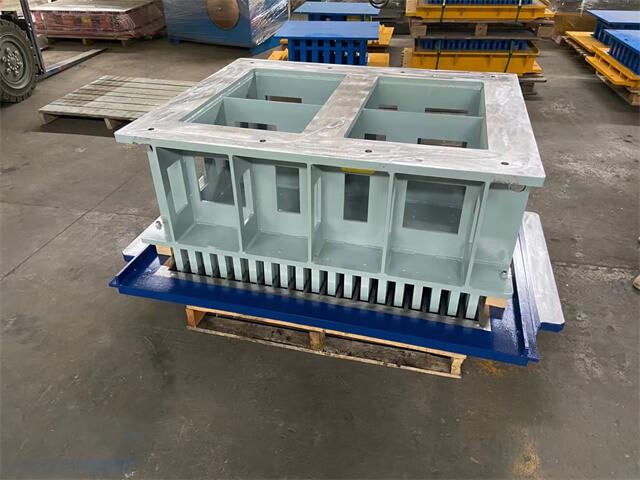
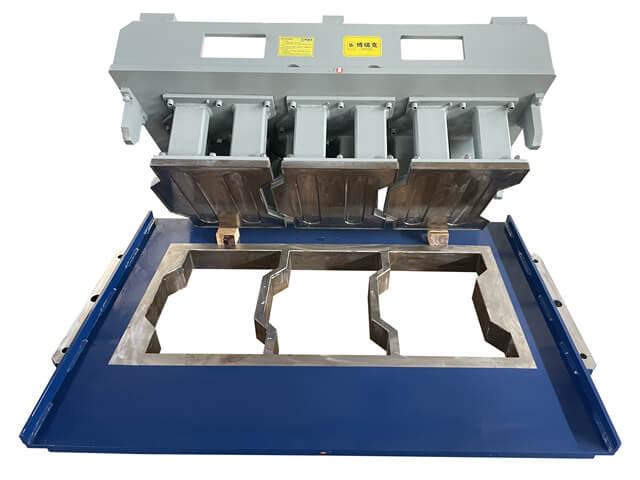
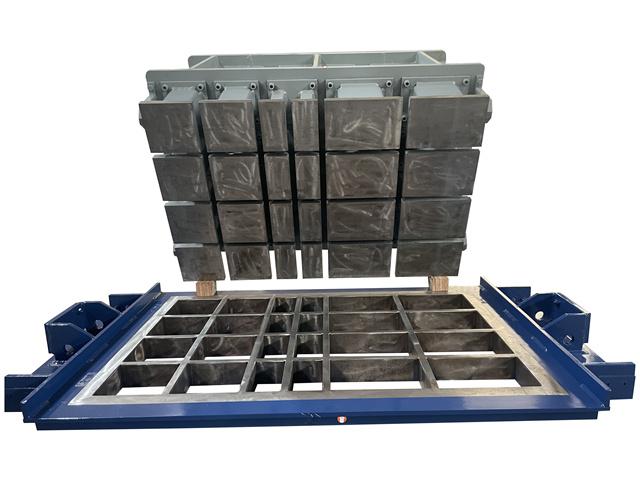
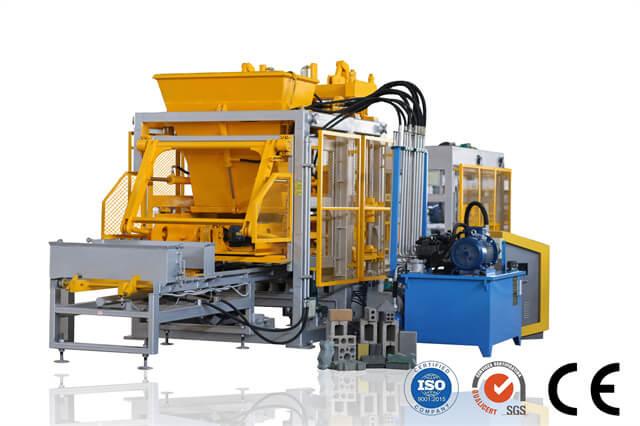
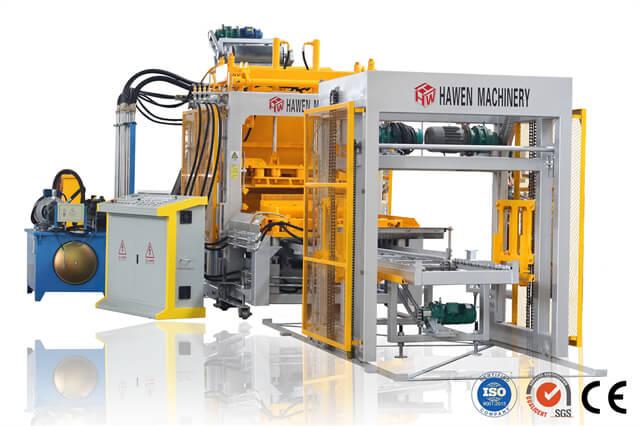
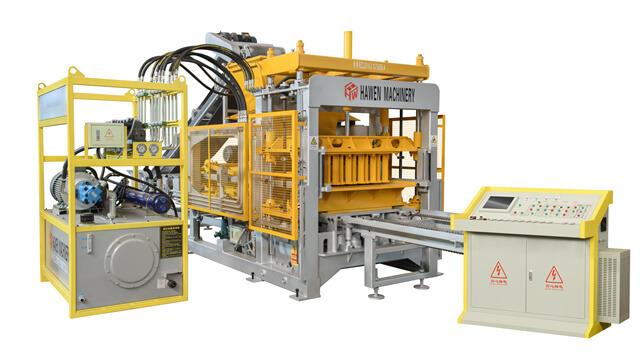
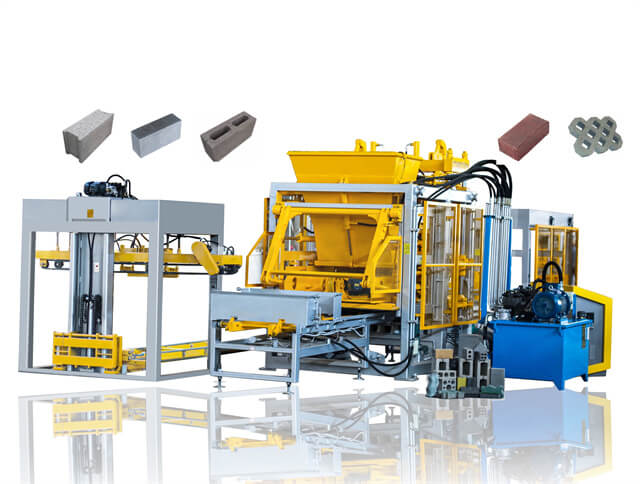
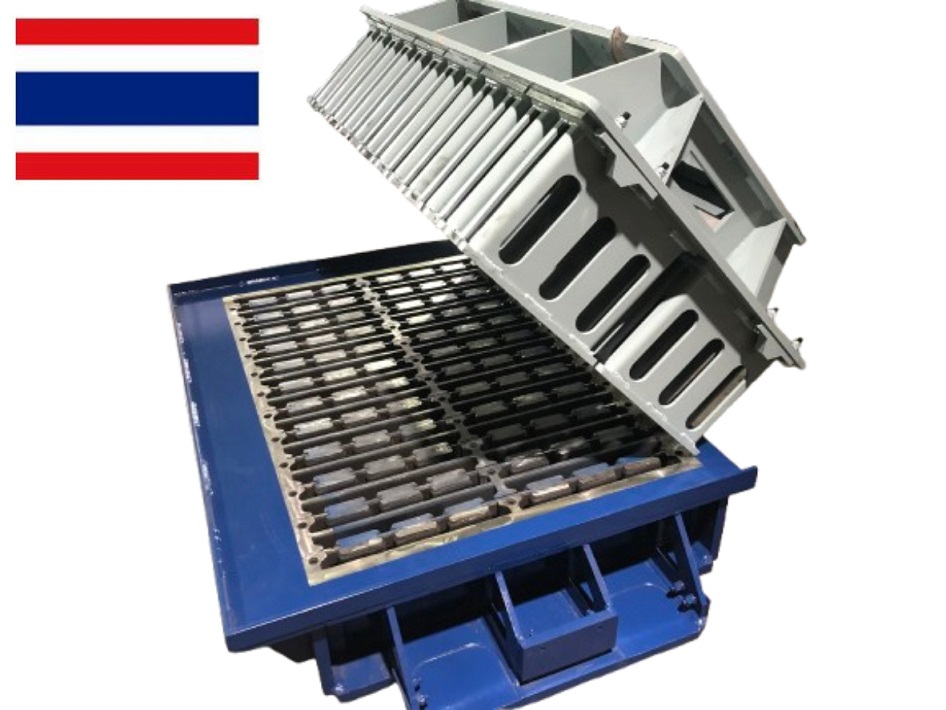
When reviewing a replacement or backup concrete hollow block mould, provide the supplier with the actual machine and product information needed for the comparison. Product names and nominal block dimensions are not a complete compatibility specification. Obtain confirmation of the proposed arrangement rather than relying on a photograph or a remembered previous installation.
Do not schedule customer output solely because the spare can be installed. Installation readiness, trial readiness, and accepted production are different milestones. Allow for the appropriate technical checks and initial product evaluation. Where the backup has not been qualified for the intended product, show the remaining verification work explicitly in the recovery plan.
A different mould is an alternative only after the product requirements and equipment compatibility have been checked.
Continuity Option
Verification Needed
Planning Limitation
Use released stock
Product identity, available quantity, reservations, and customer conditions
Physical yard stock is not automatically available stock
Run a backup mould
Compatibility, condition, complete tooling, and product verification
Installation does not equal approved production
Produce another product
Confirmed demand, suitable tooling, materials, handling, and curing capacity
Keeping the machine busy can create unwanted stock
Revise delivery arrangements
Customer agreement and realistic supply milestones
A proposed substitution is not an approved substitution
Restart with repaired tooling
Repair completion, technical checks, trials, and release decisions
Workshop completion is not dispatch readiness
Build Alternative Campaigns Around the Whole Production Route
Where the affected product cannot be made, review other confirmed demand that the available equipment can legitimately support. The aim is to use the production window sensibly, not simply to fill every hour. An alternative campaign should have an identified order or an approved stock purpose, together with the materials and tooling needed to run it.
Check downstream requirements before moving an alternative product forward. Different products may occupy different curing positions, production pallets, handling arrangements, and packaging resources. An open forming-machine slot does not prove that the rest of the route is available. The revised schedule should account for those resources rather than shifting the bottleneck into another part of the factory.
Consider the additional changeovers created by a temporary campaign. Include the necessary preparation, cleaning, verification, and return to the original product. Do not omit those activities to make an alternative look more attractive. A short campaign can consume a larger share of the available window than its forming time alone suggests.
Keep tentative recovery capacity separate from confirmed capacity. If the plan depends on an unverified spare, unresolved materials, or uncertain repair completion, label that dependency. Sales and dispatch teams should be able to distinguish a realistic planning option from output that is already committed and supported by an approved production route.
Alternative products require their own tooling, process, and demand review; they are not automatic substitutes for an interrupted order.
Track Repair Milestones Without Promising an Unverified Restart
Use milestones that describe actual decisions. Useful stages can include receipt for inspection, confirmed repair scope, required parts availability, work completion, technical review, return transport, installation readiness, and trial approval. The exact sequence should match the repair arrangement. A single completion date can conceal several unresolved steps.
Ask for updates that identify what changed and what evidence supports the revised status. For example, completion of inspection may reduce uncertainty about the repair scope, while a delayed replacement component may move the expected return window. Record the effect on the production plan rather than keeping the original schedule unchanged until the last moment.
Avoid interpreting repair progress as a product-quality decision. A workshop can confirm that the agreed work is complete, but the factory may still need installation checks and trial production before routine output is accepted. Keep the technical repair record and the production-release record connected without treating them as the same authorization.
Use a controlled communication record for customer-facing updates. State the current supply position, the confirmed milestones, and the remaining uncertainty in terms the commercial team can use. Do not invent certainty by selecting the earliest possible repair date. A realistic update is more useful than repeatedly moving a promise that was never supported by the full recovery sequence.
Control the Repaired Mould's Return to Production
On return, confirm the mould identity, repair documentation, and components received against the agreed scope. Record any changes relevant to product geometry, configuration, or future maintenance. The responsible technical team should decide what checks are required before installation and use. This article does not prescribe repair acceptance limits or installation adjustments.
Plan the restart as a controlled production activity. Identify the intended product, approved settings and procedures, trial quantity as defined by the responsible team, inspection arrangements, and release responsibility. Keep trial products identifiable. Do not mix unreviewed restart output into released stock merely because the machine has resumed cycling.
Evaluate the relevant product characteristics and the behaviour of the production route. A successful first pallet is useful evidence, but it does not automatically resolve every requirement. Follow the plant's applicable inspection and testing arrangements, including the necessary curing and product-release steps. Record any adjustments and the products affected by them.
Close the continuity plan only after the recovery status is clear. Update order allocations, remove obsolete tentative campaigns, and reconcile any temporary stock commitments. Review whether the interruption revealed a need for better spare-tooling records, earlier condition review, or clearer customer communication. The lesson should be specific to the evidence, not a generic instruction to keep more spare moulds.
Recovery planning should continue through forming, handling, curing, inspection, and dispatch preparation.
FAQ
Should every block plant keep a duplicate mould?
There is no universal answer. Review the product's demand, delivery commitments, repair exposure, tooling compatibility, storage requirements, and available alternatives. A duplicate is useful only if it is identifiable, complete, maintained appropriately, and suitable for the production arrangement it is expected to support.
Can a similar mould be used to keep an order moving?
Only after the relevant product requirements and equipment compatibility have been verified. Similar appearance or nominal size does not establish equivalence. Any customer-dependent change should follow the applicable approval process rather than an informal substitution.
Is the repair completion date the restart date?
Not necessarily. Return transport, technical checks, installation, trial production, and product verification may still be required. The planner should distinguish workshop completion, approved production, and dispatch readiness as separate milestones.
Should the plant produce extra standard blocks during the interruption?
Only when there is confirmed demand or an approved stock purpose and the full production route is available. Machine utilization alone does not justify creating inventory that occupies curing and yard space without a clear commercial destination.
Conclusion
Production planning during a mould repair should begin with affected orders and verified supply options. Define the repair boundary, check released stock, qualify any backup tooling, and review alternative campaigns against the complete production route. Keep uncertain milestones visible instead of converting them into unsupported delivery promises.
When the mould returns, use a controlled technical and production-release process before treating the original capacity as fully restored. A practical continuity plan explains what can be supplied now, what still depends on verification, and how the plant will return to its normal schedule without losing product or order control.




 Tel: +86-13905968794
 Email: export@hwmachines.com
 MP/WhatsApp: +86-13905968794
 Manufacturer Address:Nanan,Quanzhou City,Fujian Province,China