Replacing a concrete mixer in an existing block plant is an interface project as well as an equipment purchase. The new mixer must be reviewed in relation to the aggregate supply, cement transfer, water and admixture connections, receiving conveyor or hopper, supports, and access arrangements. A similar rated capacity or a familiar machine outline does not establish that those interfaces match.
The most useful comparison is a controlled record of where the existing connection points are, where the proposed connection points will be, and which differences require a design decision. That record should use an agreed reference system and the selected equipment configuration. Otherwise, a dimension described as mixer height may refer to different points in the supplier drawing and the site survey.
This guide explains the dimensional information buyers can request and organize before ordering a replacement mixer for a concrete block production line. It does not specify universal clearances, structural capacities, or installation adjustments. The supplier and responsible site specialists should confirm the actual geometry, loads, installation method, and applicable requirements for the project.
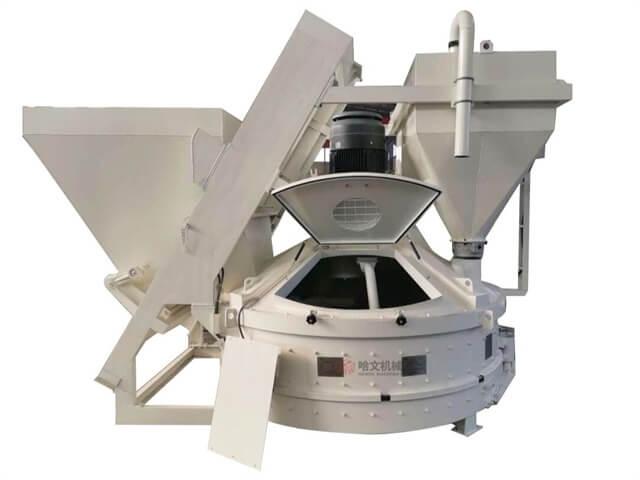
A mixer photograph identifies an equipment arrangement; replacement compatibility needs the relevant drawings and site interface records.
Define the Mixer Replacement Boundary
Define which equipment is being replaced and which existing items are intended to remain. The boundary might include the mixer body and discharge arrangement, or it might also involve a loading system, support frame, platform, or control equipment. Record the actual quotation scope. An overall dimension is difficult to interpret if one drawing includes a support structure and the other shows only the mixer.
List each connection that crosses the replacement boundary. Identify the incoming aggregate arrangement, cement transfer point, liquid supply connections, outgoing material path, support interface, and relevant electrical or control connections. The list should describe the actual plant rather than assume that every block line has the same configuration.
Separate a retained item from an unverified reuse proposal. A buyer may intend to keep an existing conveyor, hopper, or platform, but its suitability still needs review against the proposed arrangement. Mark that status clearly in the project record. Treating intended reuse as confirmed compatibility can allow an unresolved interface to disappear from the discussion.
Identify the people responsible for supplier information, site measurements, structural review, and integration decisions. The supplier may provide the mixer arrangement while the buyer or contractor provides the existing installation survey. Agree who compares those records and resolves differences before approving the order.
Use One Datum for the Existing Installation Survey
Choose an agreed datum and orientation for the dimensional comparison. The record should state the reference level, origin, direction of view, and units. This allows inlet centers, discharge positions, support points, and nearby obstructions to be located in a common system. A list of separate heights without their reference points can create an apparent match that does not exist.
Distinguish the building floor, support surface, mixer mounting plane, and other relevant levels. A supplier drawing may reference one of these while a site measurement references another. Record the relationship between them where needed. Label the exact point associated with every critical dimension instead of using an ambiguous description such as bottom of mixer.
Use current as-installed information. Original drawings can provide a useful starting point, but later modifications, replaced equipment, or changed platforms may affect the arrangement. Verify the relevant interfaces through the responsible survey process and identify any dimension that remains uncertain. Keep the date and source of each measurement with the record.
Plan any required physical survey under the site's authorized procedures. Measurements near machinery or elevated equipment need the appropriate access and work arrangements. A purchasing deadline should not lead to improvised access or measurements taken from an unsafe position. Where direct access is unavailable, record the limitation and agree how the missing information will be obtained.
Compare Aggregate, Cement, and Liquid Entry Positions
For aggregate entry, compare the position of the receiving opening with the existing delivery arrangement. Record the relevant opening size, center location, elevation, and orientation using the approved drawings and survey. If the system uses a skip or another moving loading arrangement, its movement envelope and relationship to the mixer also need supplier and site review.
Check overhead space and nearby equipment as part of that comparison. A mixer body may fit on the available support while its loading arrangement conflicts with a beam, platform, or existing material path. The required review depends on the supplied design. Avoid relying only on a top view when the interface involves vertical movement or elevated transfer.
Identify the cement entry position and the proposed connection arrangement. The cement transfer equipment, connection orientation, and any associated support should be reviewed against the selected mixer configuration. Confirm which connection items belong to the supplier's scope and which require site design or supply. A matching nominal connection description alone may not resolve its installed position.
Record liquid supply entry positions and the relevant routing constraints for the supplied water and admixture arrangement. The objective is to establish the physical interfaces and responsibilities, not to improvise a different connection method. Keep any requested change visible for supplier confirmation and update the interface record when the proposed arrangement changes.
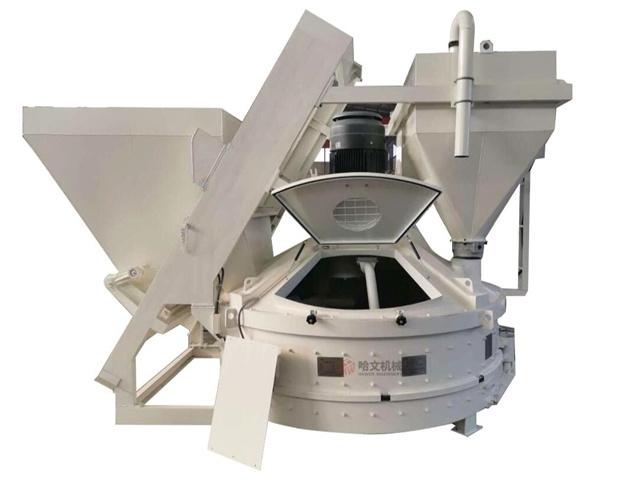
A loading arrangement introduces its own positions and movement envelope into the replacement review.
Check Discharge Position Against the Receiving Equipment
Locate the proposed discharge opening in relation to the actual receiving point. Record both the vertical relationship and horizontal position. A discharge may be at an apparently suitable height while its center is offset from the receiving hopper or conveyor. Use the agreed datum and orientation so the comparison describes the same physical relationship in both records.
Include the supplied discharge mechanism and any chute or adapter in the dimensional review. The lowest point, opening position, and relevant operating movement may differ from the mixer body's simple outline. Ask the supplier which dimensions and envelopes need to be shown for the selected arrangement. Confirm the corresponding space around the receiving equipment.
Check the receiving interface through the actual design information. Identify the receiving opening or transfer location, its support arrangement, and any nearby guards or structures that affect the connection. The responsible parties should confirm the proposed material-transfer geometry and the work needed to achieve it. Do not assume a small difference can be corrected by an unreviewed modification on site.
Keep geometry and process compatibility distinguishable. A physical connection that can be drawn is not complete evidence that the retained receiving equipment suits the intended batch and transfer sequence. Confirm those operating requirements separately with the supplier and site team. The dimensional schedule should identify that dependency rather than suggest it has already been resolved.
Review Supports, Service Openings, and Removal Routes
Compare the support interface using the relevant mounting positions, footprint, elevations, and supplier load information. Similar overall dimensions do not prove that an existing frame or foundation is suitable. The responsible structural specialist should assess the proposed equipment and support arrangement using the actual project information and applicable requirements.
Identify anchor or fixing references through the approved design process. A buyer should not infer a reuse decision from a photograph or from a few matching hole positions. Record whether the existing arrangement has been verified, needs modification, or remains under review. Any required design change should be included in the project scope and drawing revision.
Review access openings, covers, and component-removal routes. The installed outline does not show every space needed for inspection, cleaning, or replacement work. Ask the supplier to identify the service envelopes relevant to the selected mixer. Compare those envelopes with walls, platforms, incoming equipment, and other site obstructions.
Include the installation and removal sequence in the review. The old mixer must be removed and the proposed equipment brought into position through an agreed method. The site and supplier teams should confirm the access route and handling requirements using the actual equipment information. A completed operating layout alone does not establish that the replacement can be installed through the available route.
| Interface | Information to compare | Decision to record |
|---|
| Survey reference | Datum, orientation, units, and the source of as-installed measurements. | Are supplier and site dimensions expressed in the same reference system? |
| Material entry | Opening centers, elevations, orientation, loading movement, and routing constraints. | Can the intended retained supply arrangement meet the proposed mixer interfaces? |
| Discharge transfer | Discharge location, mechanism envelope, chute scope, and receiving position. | Which geometry or integration differences require an approved design response? |
| Supports and fixings | Mounting points, levels, footprint, and supplier load information. | Has the responsible specialist confirmed the support arrangement? |
| Service and replacement access | Opening envelopes, component routes, nearby structures, and installation access. | Can the agreed installation and service tasks be carried out in the available space? |
Approve an Interface Schedule Before Ordering
Create an interface schedule that connects each current site measurement with the corresponding proposed dimension or requirement. Include the drawing references, revision, responsible reviewer, and status. Use clear entries for confirmed matches, proposed changes, and unresolved information. A blank field should not be interpreted as an accepted interface.
When comparing a HAWEN planetary concrete mixer with an existing installation, request the arrangement and interface information applicable to the quoted configuration. A product description provides background, while project-specific dimensions and responsibilities establish the basis for the fit review. Confirm which details are preliminary and which are approved for the relevant project stage.
A useful procurement-review check is to select one incoming interface and the discharge interface, then trace each from the site survey to the supplier drawing and proposed installation scope. Another reviewer should be able to identify the reference points, any mismatch, and the person responsible for resolving it. If the comparison depends on an unexplained assumption, keep that item open.
Before releasing the order or installation stage under the project process, close the required dimensional and integration questions with the responsible parties. Record agreed changes and their effect on retained equipment, site work, and documentation. Preserve the final references so the installation team receives the same configuration that the buyer and supplier reviewed.
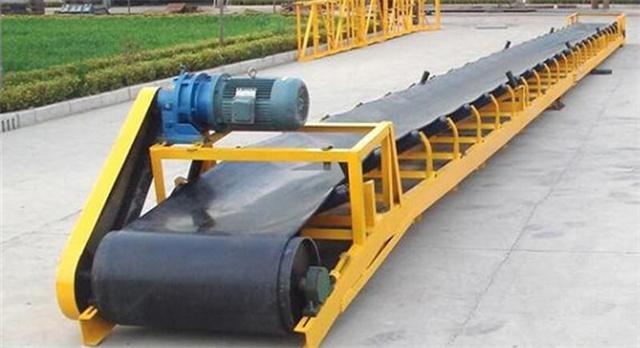
The mixer discharge location needs to be reviewed against the actual receiving conveyor or hopper arrangement.
FAQ
Is matching the existing mixer capacity enough?
No. Review the physical interfaces, support arrangement, access, and operating integration for the proposed configuration.
Which reference should be used for discharge height?
Use an agreed datum and label the exact discharge and receiving points. Confirm how those points are defined in the supplier and site records.
Can an old support frame be reused if the new mixer fits its footprint?
Footprint alone does not establish suitability. Obtain the required structural and equipment review using actual mounting and load information.
What if the original installation drawing is missing?
Identify the available records and arrange the appropriate as-installed survey. Keep unverified dimensions visible until they are resolved.
Should the review include doors and maintenance openings?
Yes. Include the service envelopes and removal routes relevant to the selected mixer and the site's approved work arrangements.
Conclusion
A reliable mixer replacement review connects a defined supply boundary with a common dimensional datum, verified material entry and discharge positions, suitable supports, and usable access. Keep intended reuse separate from confirmed compatibility and identify which differences require supplier or site design decisions.
Before approving the replacement arrangement, ask the responsible parties to demonstrate the critical interfaces on the current survey and quoted equipment drawings. Confirm the revisions, open questions, and installation scope in one controlled record. That gives buyers a practical basis for choosing equipment that has been reviewed against the existing plant rather than its rated capacity alone.





 Tel: +86-13905968794
 Email: export@hwmachines.com
 MP/WhatsApp: +86-13905968794
 Manufacturer Address:Nanan,Quanzhou City,Fujian Province,China