For a concrete block plant, batching and mixing are sometimes treated as supporting equipment behind the forming machine. They are better understood as the process that establishes the material condition the moulding stage must receive, cycle after cycle. A well-selected block machine cannot correct a batch that arrives late, varies in moisture, contains inconsistent aggregate proportions or cannot be delivered in a controlled way. Buyers planning a new line or an upgrade should specify the batching-and-mixer workflow from the product backward.
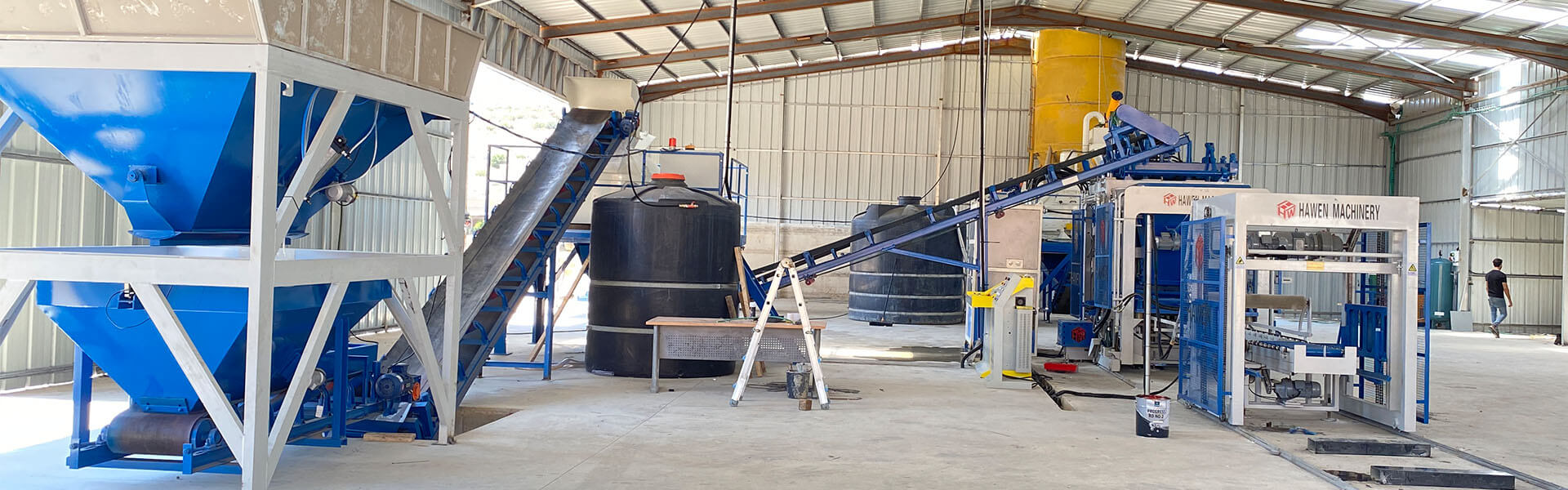
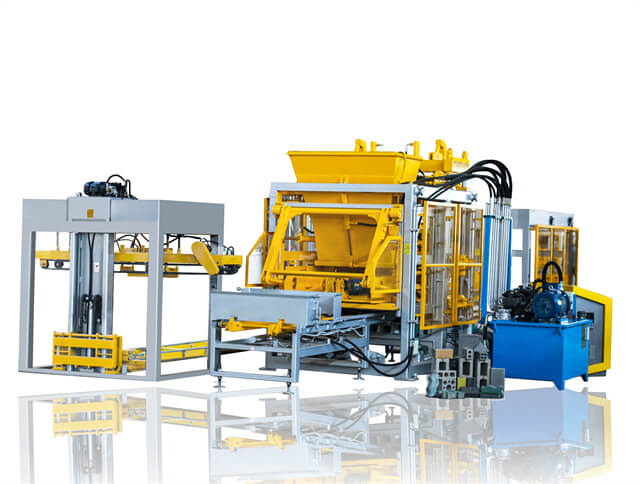
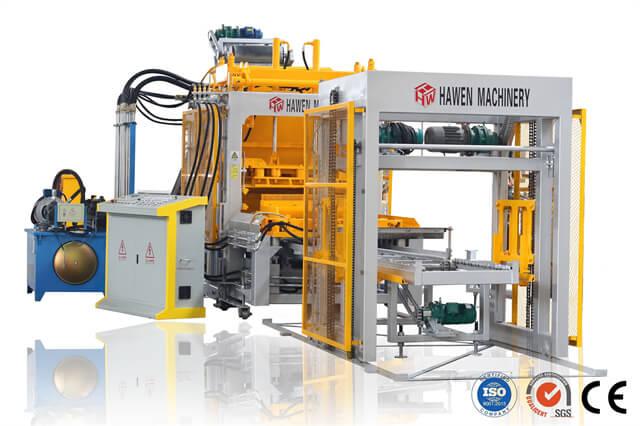
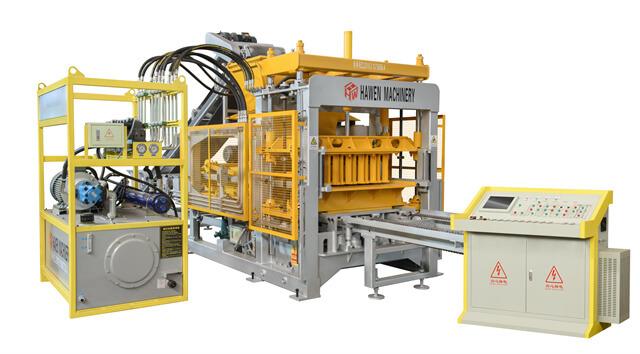
Hawen Machinery lists concrete batching machines, planetary mixers and twin-shaft mixers alongside its block machinery and moulds. That product context is useful because it highlights the material flow between aggregate storage, weighing, mixing, delivery, forming and return cleaning. The right configuration is not simply the largest mixer or the most automated layout. It is the arrangement that produces a suitable concrete mix, at the rate the forming process can use it, with adequate inspection and maintenance access.
Translate the block product into material demand
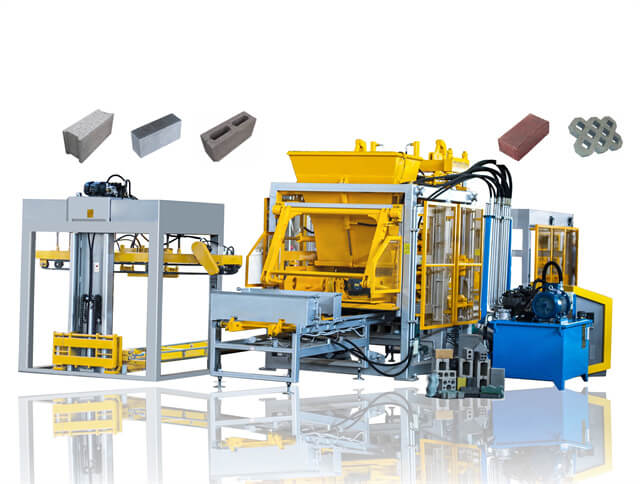
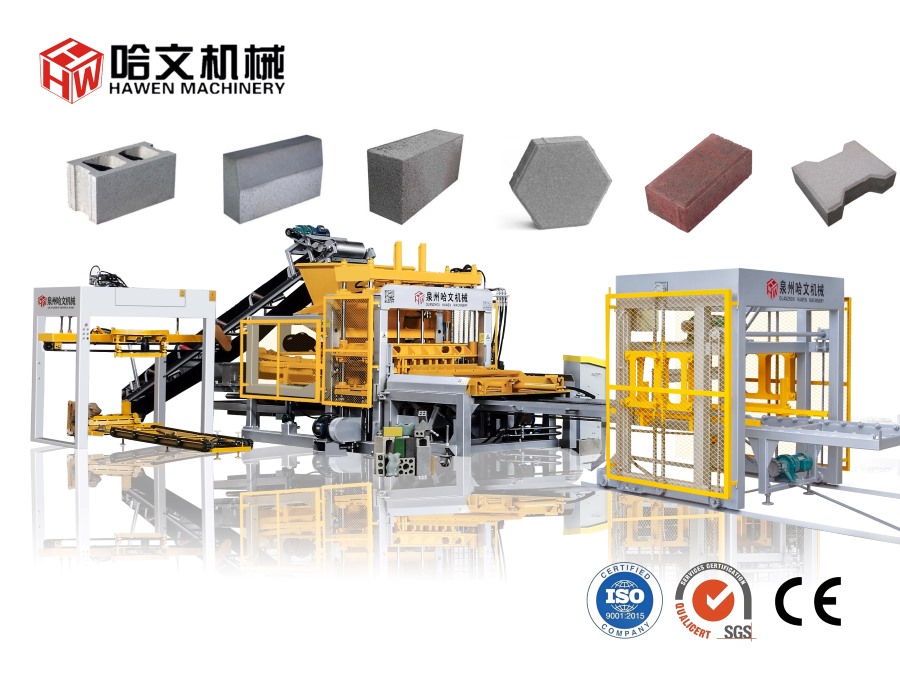
Start with the product range and its quality requirements. Hollow blocks, solid units, kerbstones and pavers can place different demands on aggregate grading, pigment handling, surface finish, compaction and dimensional consistency. A buyer should define the intended units, the planned production rhythm, available aggregate sources, cement supply, water control method and any face-mix or color-mix requirements before selecting a mixer configuration.
Material moisture deserves particular attention. Aggregates do not arrive as a fixed laboratory condition; stockpiles, weather, drainage and loading practice can change their moisture content. The batching process needs a practical way to observe and manage that variation. The exact method will depend on the plant design and local materials, but the procurement question is universal: how will the operator know that today’s batch is consistent enough for the selected product and forming process?
Do not convert headline capacity directly into saleable-unit capacity. The useful rate depends on batch size, mixing time, discharge time, transport time, forming-machine consumption, product mix and normal interruptions. A line that appears balanced on a spreadsheet can still starve the forming machine if material delivery or cleanout has not been considered. Build the capacity discussion around a complete cycle instead.
Map the batching-to-mixer workflow before choosing individual equipment
A workable specification describes the sequence from aggregate storage to the point where material enters the block machine. Identify each handoff: aggregate feeding, weighing, cement addition, water dosing, mixing, discharge, transfer and hopper supply. For every handoff, ask what can delay it, what can contaminate it and how the operator will detect a problem. This is especially important when a plant will run several block or paver products in the same shift.
| Workflow stage | Buyer review question | Risk if overlooked |
|---|
| Aggregate storage and feed | Can each aggregate be kept identifiable and delivered without unintended carryover? | Variable grading or contamination between products. |
| Weighing and dosing | Which materials are weighed, how are checks performed, and who reviews deviations? | Inconsistent batches that are hard to trace. |
| Mixer discharge | Does the discharge route clear reliably at the planned mix consistency? | Lost time, segregation or unplanned cleaning. |
| Transfer to the block machine | Can transfer keep up with the forming cycle without overfilling a hopper? | Material starvation or unstable supply to the mould. |
The layout should include real operating space. A batching plant needs access for loading, inspection, cleaning, calibration checks and repair. A mixer needs space for safe maintenance of wear components and a route for replacement parts. A conveyor or transfer point needs cleaning access that does not require unsafe reaching or improvised platforms. These details are often inexpensive to incorporate during planning and disruptive to add after commissioning.
Compare mixer questions rather than mixer labels
Planetary and twin-shaft mixers are both present in concrete-product applications, but their names alone do not decide suitability. The buyer should compare the required batch volume, material characteristics, mix consistency, discharge behavior, cleaning process, wear-part access, drive arrangement and the service support available for the chosen configuration. The objective is not to declare a universal winner; it is to document why a particular mixer fits the planned production method.
Ask suppliers to state the proposed batch size and the assumptions behind it. Ask how the selected mixer will be fed, what materials are expected, how the batch will be discharged, and which routine inspections are required. If a plant uses color pavers or frequent product changes, discuss cleanout and material separation explicitly. If a plant produces a narrower range of conventional blocks, throughput stability and routine maintenance access may be the primary concerns. In both cases, verify the proposal against the buyer’s actual production calendar.
The control system should make operation understandable rather than obscure it. Operators need clear product or recipe identification, sensible alarms, traceable batch records where required by the plant’s quality system, and an agreed response when a deviation occurs. Automation can improve consistency, but it does not remove the need for material checks, trained observation and preventive maintenance.
Control transfer, cleanout and repeatability between batches
Many production interruptions occur at boundaries: the moment a bin empties, a mix changes, a discharge gate does not clear, or a transfer hopper receives material unevenly. Include those boundaries in the standard operating procedure. Define who confirms material availability, who authorizes a recipe change, how remaining material is handled and when the first batch of the next product is inspected. A small amount of discipline here can prevent a changeover from becoming a quality dispute later.
Cleanout should be designed for the materials and products actually planned, not left as a generic instruction. Residual mix may be harmless for one product and unacceptable for another. The buyer should request a practical explanation of cleaning points, access doors, safe isolation requirements and the time normally reserved for the task. Any cleaning or maintenance operation must follow the supplied equipment instructions and applicable local safety rules.
Repeatability also depends on maintenance. Wear components, seals, gates, sensors, scales and mixer blades or scrapers need inspection intervals suited to operating conditions. Record observed wear, abnormal noise, changes in discharge behavior and recurring alarms. This does not require complex analytics to begin with; a reliable shift record can reveal whether a quality problem tracks a material source, a product family, a maintenance interval or a particular operating condition.
Verify the material system before final acceptance
Acceptance should include more than an empty equipment run. Use representative materials and a defined production sequence where possible. Verify that the batching system can dose the required ingredients, that the mixer can produce and discharge the intended mix, and that the transfer arrangement supplies the forming process in a stable manner. Inspect the resulting units using the buyer’s agreed quality criteria. This approach connects equipment function to the product the plant intends to sell.
Before the acceptance run, agree how observations will be recorded. The record may include the product being made, aggregate condition, batch sequence, planned checks, interruptions and the actions taken. It does not need to become a complex laboratory report. Its purpose is to provide a common factual record for the buyer, supplier and operating team when discussing whether a material-flow issue arose from the recipe, a transfer point, an adjustment or normal start-up learning.
It is also sensible to review the upstream and downstream constraints revealed by the run. For example, adequate mixer output is not useful if aggregate loading cannot keep pace, and stable forming does not guarantee efficient production if fresh units wait too long for transfer or curing. Making these dependencies visible during acceptance lets the plant assign practical follow-up actions before the line enters routine production.
Repeat this review after the first planned product change. A workflow that performs well with one conventional unit may need revised cleaning, dosing or scheduling discipline when the plant introduces another product family. Capturing the difference early improves later production planning.
Prepare an acceptance checklist in advance. It can cover installation completion, guards and safety functions, material flow, product identification, operator training, maintenance access, basic cleaning procedure, spare-parts records and the first production observations. The checklist should identify what is verified on site, what will be monitored after commissioning and who owns each action. It is a decision tool, not a substitute for the equipment manuals or local compliance obligations.
FAQ
Why is mixer selection important for a block machine? The forming stage depends on a consistent material supply. Mixing and batching influence the condition, timing and repeatability of the concrete delivered to the machine.
Should a buyer choose equipment only by rated capacity? No. Rated capacity is one input. The full workflow, including loading, mixing, discharge, transfer, product changes and planned maintenance, determines whether the system matches the plant’s real production needs.
What should be tested during commissioning? Test representative material flow and the resulting product under an agreed procedure. Confirm that the equipment operates safely, the workflow is understandable and the necessary checks can be carried out by the plant team.
Conclusion
A block plant’s batching and mixing workflow should be specified as part of the production process, not as an accessory purchase. Buyers make stronger decisions when they begin with the target products, map every material handoff, compare mixer options against actual operating needs and verify the workflow using representative conditions. The next step is to turn those findings into a documented capacity, quality and acceptance plan that can be reviewed with equipment suppliers and the future operating team.





 Tel: +86-13905968794
 Email: export@hwmachines.com
 MP/WhatsApp: +86-13905968794
 Manufacturer Address:Nanan,Quanzhou City,Fujian Province,China