Dry-cast and wet-cast describe different fresh-concrete behavior and production sequences, not two grades of the same product. A buyer comparing them should begin with the required unit, geometry, finish, reinforcement, order pattern, and factory conditions. This guide compares those production choices without assuming one route is best for every concrete product.
The American Concrete Pipe Association's quality training material describes dry-cast mixes as low-slump material that can be consolidated and stripped promptly, while wet-cast concrete is placed in forms and remains there until it has enough strength for stripping. Product standards and project specifications still govern acceptance; the process comparison helps define the plant and tooling scope.
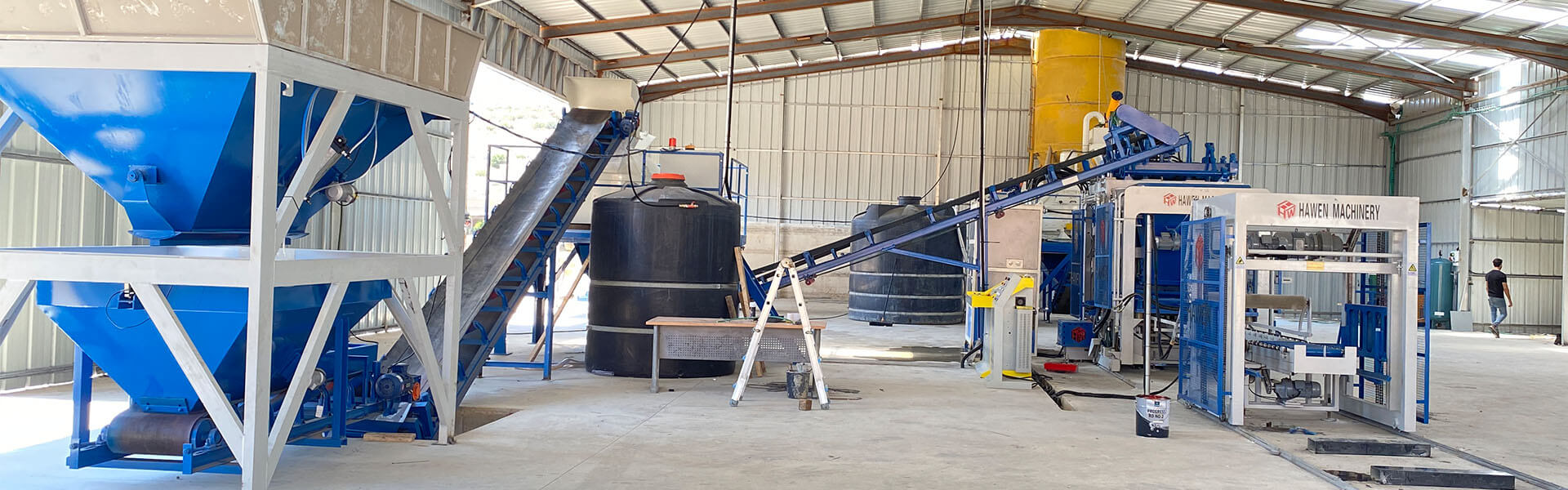
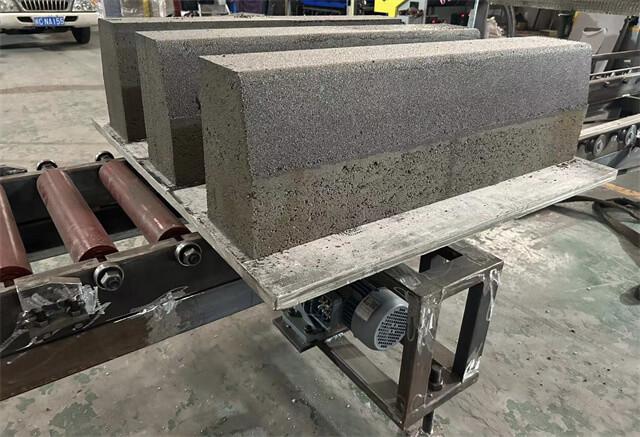
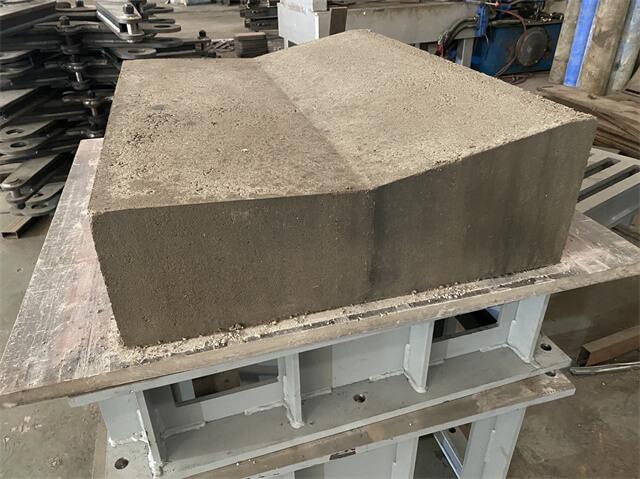
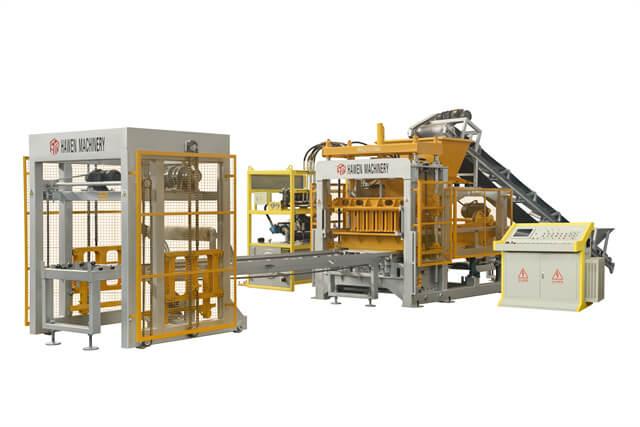
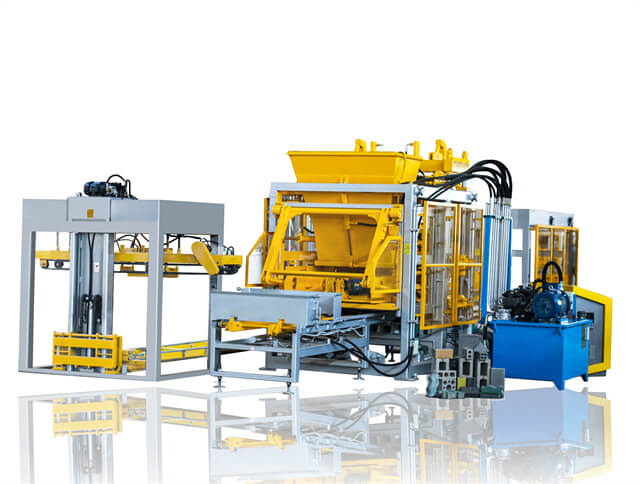
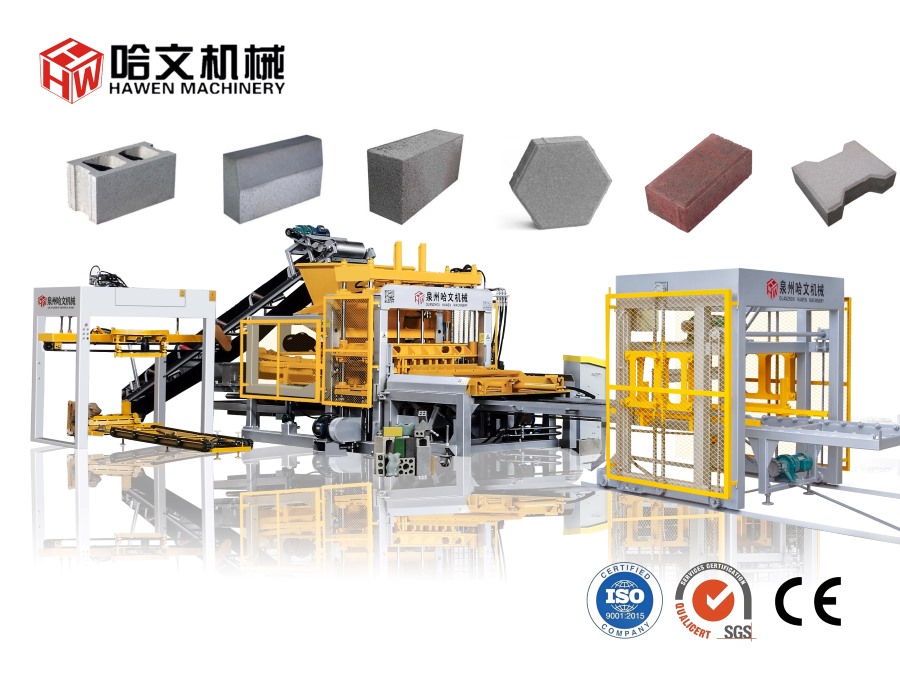
Dry-cast production pairs a stiff mix with mechanical consolidation and prompt demolding.
1. Understand what dry-cast and wet-cast mean
Dry-cast concrete is a low-slump or zero-slump mixture that retains shape after mechanical consolidation. A block making machine feeds, compacts, and forms the material, then strips the fresh unit so the mold can cycle again. The product must be stable enough to hold its geometry during handling, but it still needs a suitable curing environment. The word dry does not mean unhydrated or ready for shipment; moisture control and curing remain essential.
Wet-cast concrete has sufficient flow to be placed into a form and consolidated around the form geometry or reinforcement. The product typically remains supported until it gains the strength required for stripping. This changes mold occupancy, handling, and production planning. Some wet-cast products use intricate shapes, inserts, or reinforcement that are not practical in a conventional dry-cast block press. Actual capability depends on mix, form, vibration, placement, and product design rather than the process name alone.
2. Match the method to the product and its geometry
Dry-cast is widely used for repetitive concrete masonry units, pavers, and other products where fast mold turnover and repeatable unit geometry matter. A stiff mix can be compacted in a machine and demolded while green, provided the product can support itself. The geometry must allow reliable filling and release. Thin projections, deep undercuts, complex reinforcement cages, or highly decorative surfaces may require a different forming strategy or specialized tooling.
Wet-cast may suit larger or more complex precast pieces that need flow around reinforcement or detailed form surfaces. The form remains occupied through an initial curing period, so production planning must account for the number of molds, stripping strength, handling equipment, and storage. For small standardized masonry units, that longer mold cycle can be a disadvantage; for customized elements, it may be a practical tradeoff. Define the actual product before comparing the two routes or requesting a machine quotation.
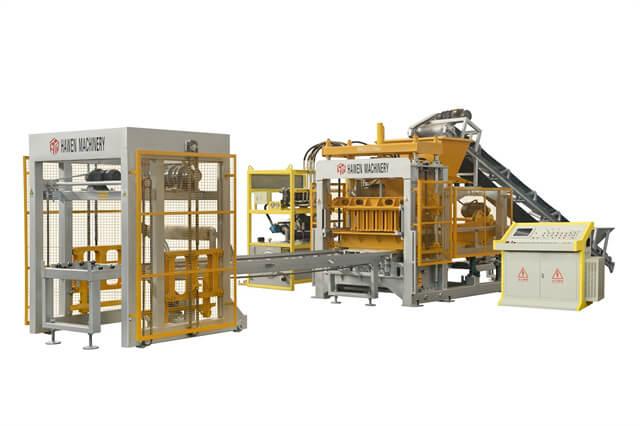
The press, feed system, mold, and pallet flow operate as one production route.
3. Compare the production flow, not just cycle time
A dry-cast line typically links batching, mixing, feed distribution, press compaction, green-product transfer, curing, pallet return, and cubing. Its output depends on more than the press cycle. If batching is inconsistent, the mold is not filled evenly, or the curing and pallet systems are undersized, faster forming will simply move the bottleneck downstream. Assess saleable output across the whole shift, including quality checks, mold changes, material replenishment, and planned stops.
A wet-cast line has its own flow: batch a more workable mix, deliver it to prepared forms, place and consolidate, maintain the forms during early curing, strip when specified, then finish and store the units. Form preparation, release agents, lifting points, cleaning, and safe handling become important recurring steps. A capacity estimate should consider how many forms are available and how long they remain occupied. Compare labor, floor space, lifting arrangements, utilities, and product inventory at the same order volume.
4. Consider mixture control and consolidation
Dry-cast production is sensitive to moisture distribution, aggregate grading, cementitious proportions, mixing time, and feed consistency. The mix must compact and release while retaining green stability. Operators should use a documented trial procedure and monitor representative products rather than adjusting water from appearance alone. The ACPA training manual emphasizes that the production method is selected for the product's intent and that controlled proportions and placement are important in both process families.
Wet-cast workability must allow placement through the form while limiting segregation and trapped air. Form vibration, internal vibration, or another approved consolidation method should fit the section and reinforcement. A flowable mix does not eliminate process control: batching accuracy, placement sequence, form sealing, curing, and stripping criteria still determine quality. Do not transfer one route's mix adjustments or slump expectations to the other. Establish acceptance tests and product-specific controls with the responsible technical team.
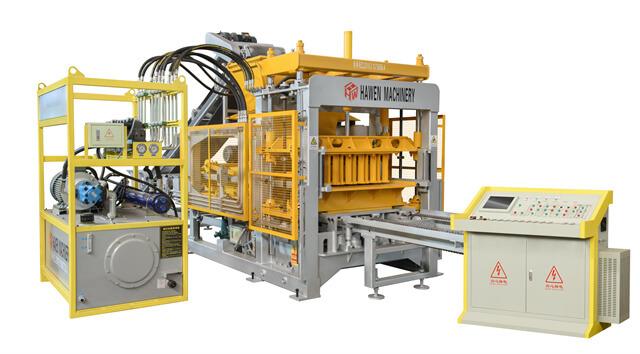
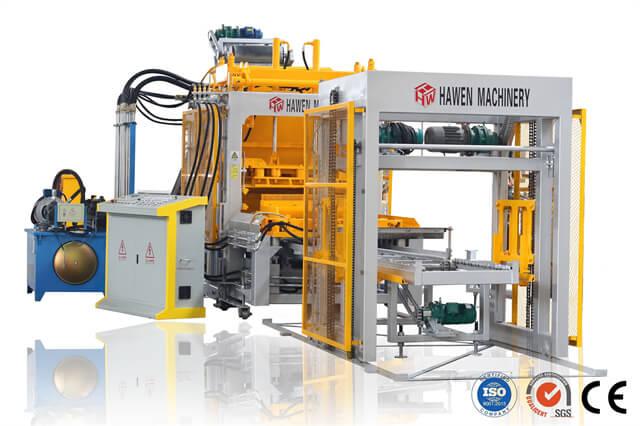
Match equipment to the specified unit and operating rhythm, not a generic cast label.
5. Plan tooling, demolding, and curing
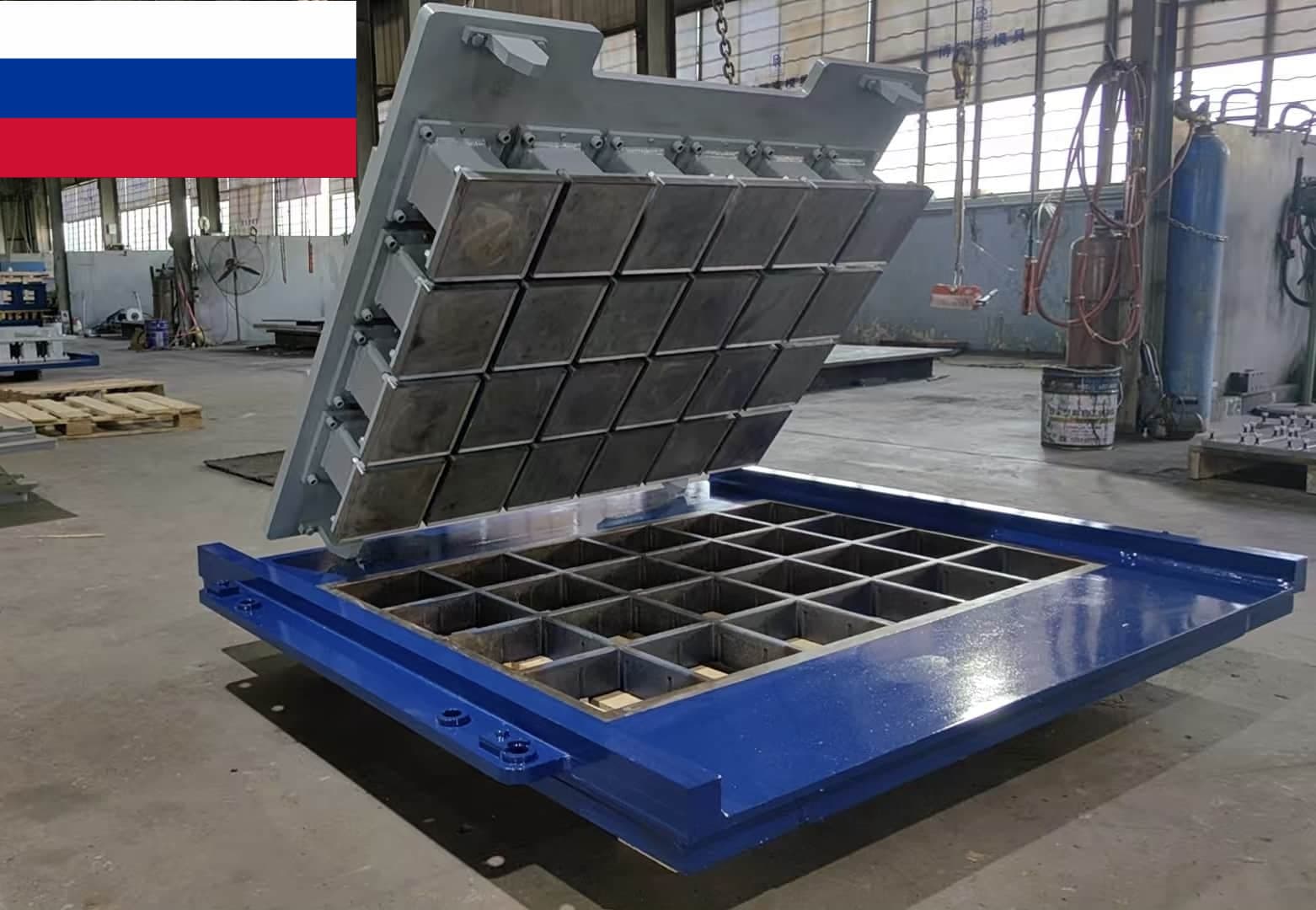
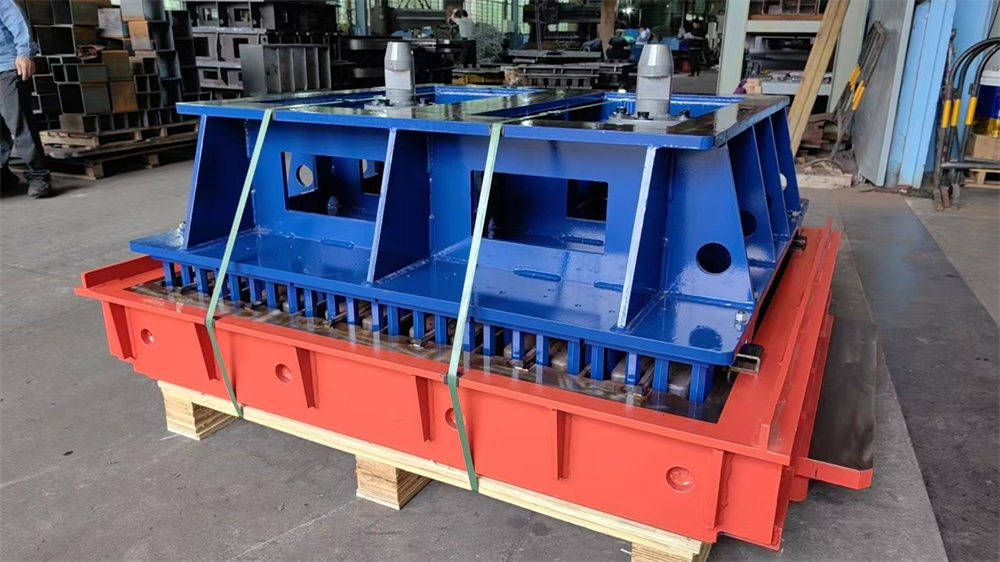
Dry-cast molds and press interfaces repeatedly receive compaction energy. Their cavity geometry, wear surfaces, and alignment must be maintained so units fill and release consistently. Hawen Machinery designs molds compatible with platforms including Masa, Hess, Zenith, Poyatos, Besser, Tiger, Columbia, Quadra, and Omag. Heat treatment improves wear resistance, with hardness tested at HRC 59-61. Select tooling from approved product drawings and include inspection, cleaning, and controlled storage in the mold plan.
Wet-cast formwork must retain fresh concrete, hold the required geometry, and support safe stripping and lifting. The number of forms becomes a capacity decision because each form may be unavailable while the piece cures. Both routes need curing suited to materials, product dimensions, ambient conditions, and the governing requirements. Early demolding in dry-cast is not the same as curing completion. Keep products protected and follow the defined handling and release criteria before they enter transport or service.
If the selected product requires wet casting, request a process-specific scope for mix delivery, forms, consolidation, curing space, lifting, and form turnaround. A dry-cast block machine is not a wet-cast production system simply because it can vibrate. Hawen's four-shaft vibration box places eccentric blocks outside the housing to reduce internal resistance and support even compaction in its dry-cast equipment. Its SIEMENS S7-200 PLC, touch panel, and remote monitoring help operators track machine status and parameters; these features apply to the configured block line, not every casting method.
7. Compare total operating requirements
Build a comparison using the same annual demand and product definition. Include machinery, forms or molds, labor, curing area, materials handling, maintenance, utilities, storage, packaging, and quality testing. For dry-cast, count pallets and product flow; for wet-cast, include form inventory and occupied curing space. Add installation, operator training, spare parts, and commissioning. Do not compare a dry-cast press price with an incomplete wet-cast setup or use nominal cycle figures as guaranteed saleable output.
Before ordering, prepare product drawings, applicable standards, finish requirements, material availability, target shifts, site layout, power and water conditions, and service expectations. Ask each supplier to state exclusions and describe how the proposed route will be validated. Hawen can review its QT10 solid-block equipment, QT6 brick making machine, pallet supply, offline palletizing, and equipment catalog for dry-cast production needs.
Action checklist
Define the product, geometry, finish, reinforcement, and applicable acceptance requirements.
Compare mold occupancy, demolding, curing, labor, space, and handling for the intended order volume.
Evaluate mixture control and consolidation separately for each production route.
Include molds or forms, curing capacity, pallets, lifting, testing, and downstream handling in the plant scope.
Run a product-specific trial and confirm dimensional, appearance, and performance acceptance before scaling output.
Request a process-specific proposal with clear inclusions, exclusions, training, and service arrangements.
Dry-cast and wet-cast are different tools for different manufacturing problems. The right choice follows the unit's geometry, production rhythm, curing and handling needs, and the market's acceptance requirements. Define those conditions first, then choose the line that can repeat them with evidence. A well-matched process turns an equipment purchase into a reliable product capability rather than a bet on a cycle-rate promise.
FAQ
What is the main difference between dry-cast and wet-cast concrete? Dry-cast uses a stiff, low-slump mix consolidated mechanically and typically stripped promptly; wet-cast is flowable, placed in forms, and remains supported until it reaches stripping strength.
Can a block machine produce every wet-cast product? No. A conventional dry-cast block press is designed for a specific forming and demolding process. Larger, reinforced, or intricate products may need dedicated forms and handling equipment.
Does immediate demolding mean dry-cast products are fully cured? No. Prompt form removal frees tooling, but the fresh units still need a controlled curing and handling process.
Which method is faster? There is no universal answer. Dry-cast can reuse tooling promptly, while wet-cast mold occupancy depends on the product and stripping criteria. Compare complete plant output, not one step.
Can wet-cast make more detailed surfaces? Flowable concrete can suit some complex forms, but detail depends on mix, form, consolidation, and finishing. Confirm with a representative trial.
What should be compared in a production-line quotation? Include batching, mixing, forming, tooling, curing, handling, storage, quality testing, utilities, commissioning, and service—not only the main machine.
Which process is used for common concrete masonry units? Dry-cast is commonly used for repetitive loadbearing CMU, but the specified product, standard, and supplier capability determine the appropriate route.





 Tel: +86-13905968794
 Email: export@hwmachines.com
 MP/WhatsApp: +86-13905968794
 Manufacturer Address:Nanan,Quanzhou City,Fujian Province,China