How to Choose Concrete Block Sizes for Local Markets and Building Standards is a practical topic for buyers and plant managers who want a more stable block making machine workflow. The goal is not only to explain the issue, but to give a clear method that supports better output, cleaner operation, and stronger customer confidence.
In a professional concrete products factory, the block machine, material system, mold, pallet circulation, control system, and operator routine must work as one process. A good solution therefore looks at the whole line before changing one visible setting.
A successful block size begins with a verified drawing that connects wall module, cavities, handling, tooling, and local requirements.
Start with the wall system rather than the machine catalog
The best concrete block size is the one that fits the local wall module, code, labor practice, mortar joint, structural role, and customer demand. A popular dimension from another country may create cutting, excessive joints, poor coordination with doors and columns, or noncompliant wall thickness. Define the building use before choosing tooling.
Separate loadbearing masonry, nonloadbearing partitions, infill, retaining products, ventilation units, and architectural blocks. Each category can require different geometry and performance. Ask designers, contractors, distributors, and testing professionals which products are specified repeatedly and which sizes create avoidable site waste.
Use actual project drawings and tender schedules, not only verbal requests such as six-inch or eight-inch block. Those names can describe nominal wall thickness rather than the manufactured dimension. The block machine should reproduce an approved drawing; it should never define the building system by accident.
Distinguish nominal size, actual size, and joint allowance
Nominal dimensions often include an intended mortar joint or modular allowance, while actual dimensions describe the manufactured unit. Confusing the two can make a mold too large, disrupt bond patterns, and prevent walls from coordinating with structural grids. Write both values clearly on the product drawing and quotation.
Confirm length, height, overall width, face-shell thickness, web thickness, core shape, end profile, chamfer, and any tongue, groove, or handhold. Define which surfaces control measurement and how tolerances are checked. A block that meets outside length but has incorrect webs may still fail strength, fire, handling, or grouting requirements.
Use the destination standard and project specification for dimensions, tolerances, sampling, and performance. Concrete masonry, concrete brick, pavers, and kerbstones are not interchangeable categories. A qualified local engineer or testing body should resolve uncertainty before the brick machine mold is manufactured.
Machine capacity should be calculated from the approved unit arrangement per board rather than from a generic catalog cycle alone.
Verify structural and functional requirements
A dimension is only one part of a compliant product. Confirm compressive strength, density classification, absorption, drying movement, fire-resistance assumptions, thermal or acoustic objectives, and finish requirements where applicable. Larger cavities may reduce mass but can also change net area, shell stability, grouting space, and handling behavior.
Decide whether the unit will be laid with conventional mortar, thin joints, surface bonding, reinforcement, or grout. Check compatibility with reinforcement spacing, conduits, anchors, lintels, bond beams, and corner details. A shape that works in a straight sample wall may create difficult intersections when the complete masonry system is considered.
Plan laboratory sampling and product qualification before commercial launch. Keep trial pieces traceable to constituent batches, tooling revision, cavity position, support board, hydration route, and test age. Market demand does not override the required evidence, and an attractive sample cannot replace the governing acceptance procedure.
Measure local demand before adding a new size
Collect sales evidence by unit type, dimension, finish, monthly volume, buyer segment, and season. Separate repeat demand from a single large inquiry. Speak with contractors about wall productivity, lifting weight, breakage, cutting, mortar use, and availability of matching half blocks, corners, lintels, and other accessories.
Estimate the complete SKU family instead of pricing one full unit. A nominal wall system may need half-length pieces, end blocks, open-end units, bond-beam shapes, caps, or ventilation products. Every additional SKU affects tooling cost, changeover, storage, stock accuracy, sales training, and slow-moving inventory.
Rank products by contribution margin and reliable volume, not only pieces per cycle. A smaller block may place more cavities on the block making machine, yet it can require more units, joints, pallets, wrapping, and delivery handling per square meter of wall.
Packaging, cube geometry, transport, and site handling must be planned around the actual unit selected for the market.
Match the unit layout with board and machine capacity
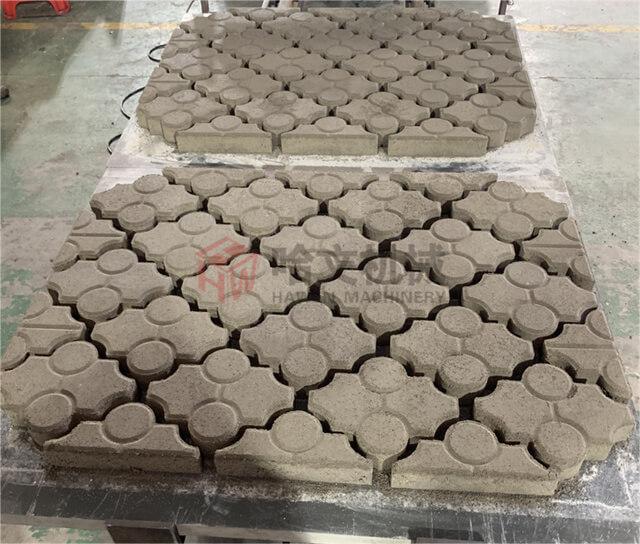
Place the approved actual dimensions on the usable forming area. Include cavity spacing, mold walls, edge clearance, feed behavior, tamper structure, and product orientation. Output should be calculated from the real arrangement per board and validated cycle, not from a catalog claim that assumes a different block geometry.
Check the GMT production board for usable size, thickness, stiffness, flatness, surface condition, and support pattern. A longer or heavier unit may need different board behavior and transfer settings. Board deflection can produce height or density variation even when the tooling drawing is correct.
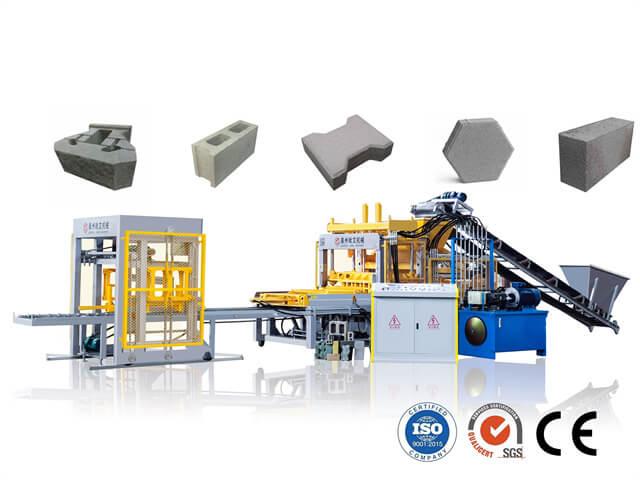
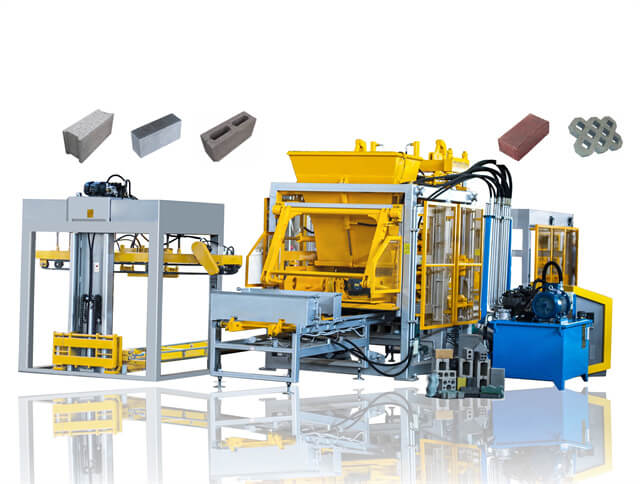
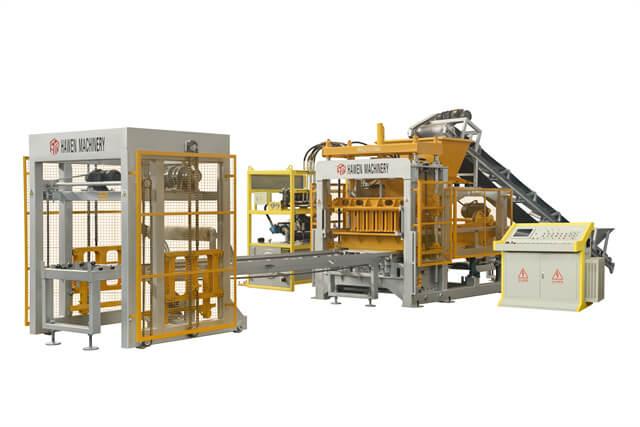
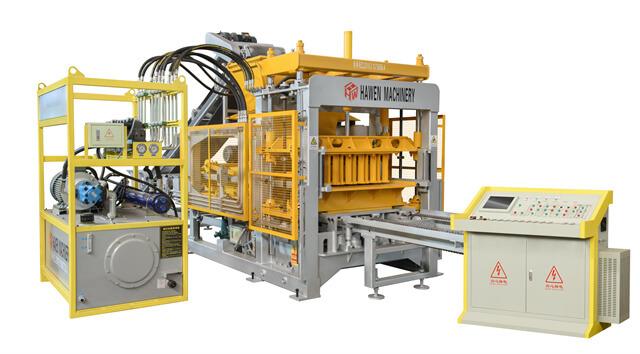
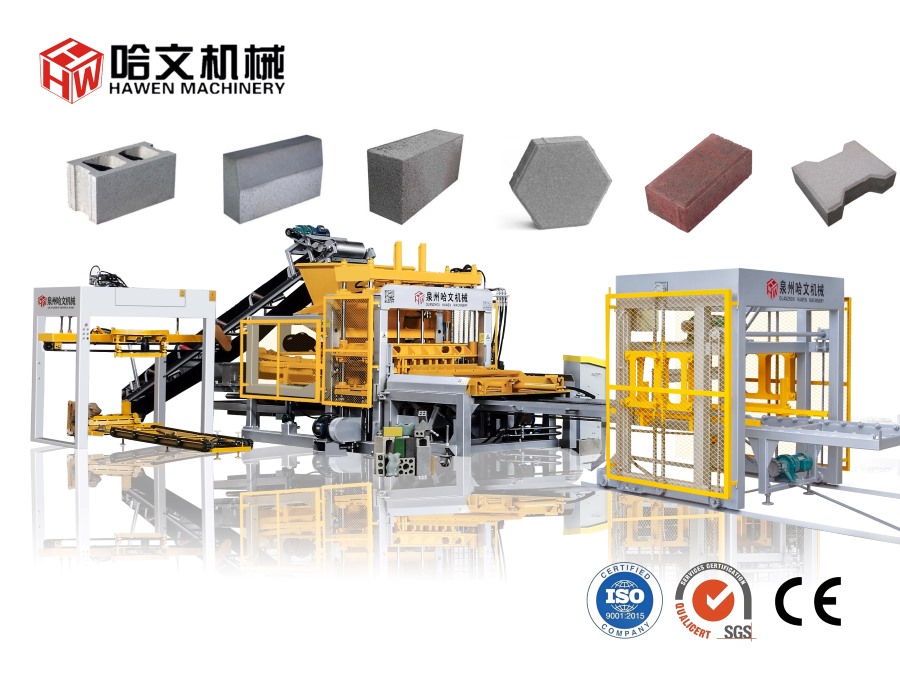
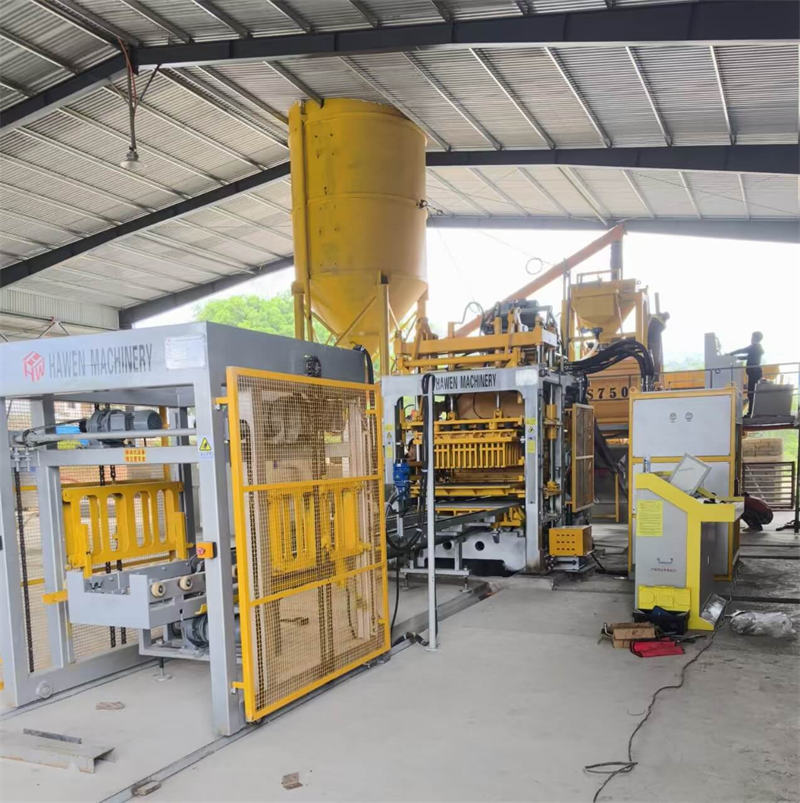
Compare suitable line sizes such as the QT6 brick making machine, QT8 block machine, and QT12 production line. Evaluate mixer supply, carriers, chamber capacity, cubing, labor, and sales demand together rather than selecting only the largest forming frame.
Design tooling for fit, durability, and changeover
Freeze the product drawing only after market, engineering, board, and plant reviews are complete. Control revision number, units of measurement, critical tolerances, engraving, orientation, and approval signatures. Late dimensional changes can affect tamper shoes, filling, product arrangement, packaging, and downstream automation.
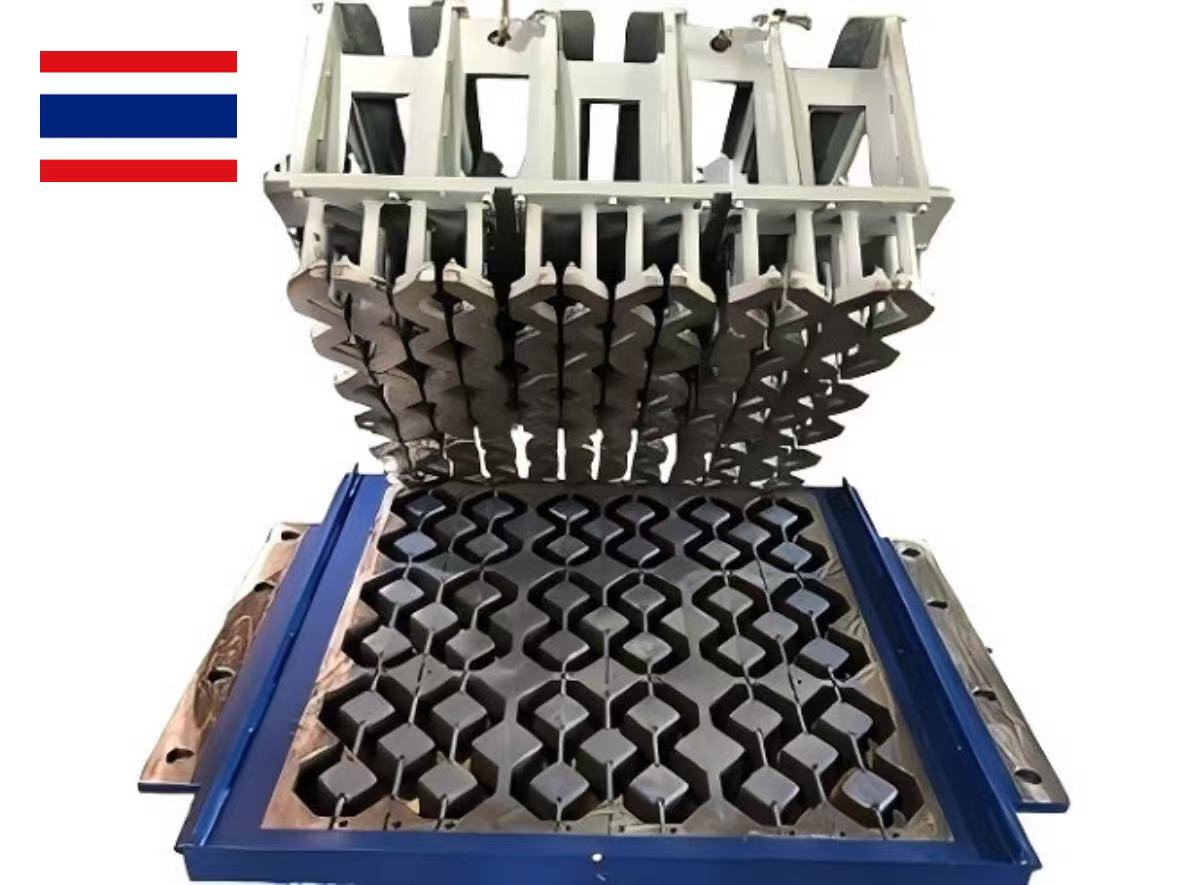
Hawen Machinery designs molds compatible with Masa, Hess, Zenith, Poyatos, Besser, Tiger, Columbia, Quadra, Omag, and other leading platforms. Each set follows the required interface and product specification for precise fit and smooth operation. Heat treatment improves wear resistance, and tooling hardness is verified around HRC59-61.
Plan lifting points, storage stands, cleaning access, wear parts, and the changeover method. Use the concrete block mould or hollow block mould page as a starting point for discussion, then confirm the exact machine model, board, drawing, materials, and product requirements with engineering.
Trial the complete product flow before mass production
Run a controlled trial with intended constituents, measured wetness, recipe, mixing sequence, and forming settings. Inspect green height, mass, shell and web definition, edges, core geometry, demoulding, and cavity-to-cavity consistency. A mold that releases one attractive piece is not yet proven for continuous manufacture.
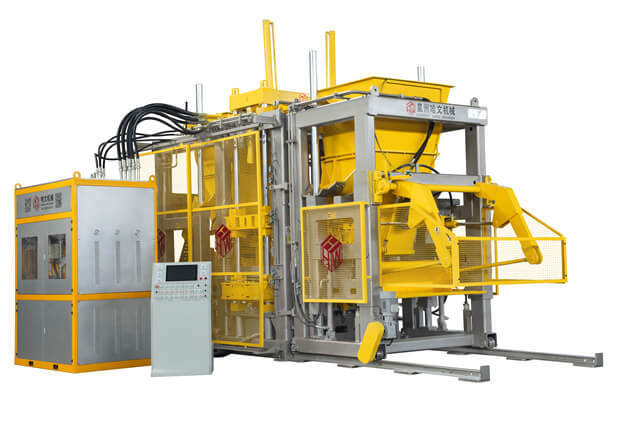
Hawen uses a four-shaft vibration box with eccentric blocks arranged outside the housing. The configuration reduces internal resistance and supports uniform compaction with efficient cement use. Vibration settings must still be tuned to the selected block geometry, feeding depth, granular skeleton, effective liquid, board support, and required finished properties.
Follow the trial through chamber loading, board circulation, offline palletizing, cube stability, wrapping, forklift access, truck loading, and site unloading. Long thin units, heavy solids, and hollow pieces can need different handling even when they share the same forming equipment.
Build a Hawen product-size launch plan
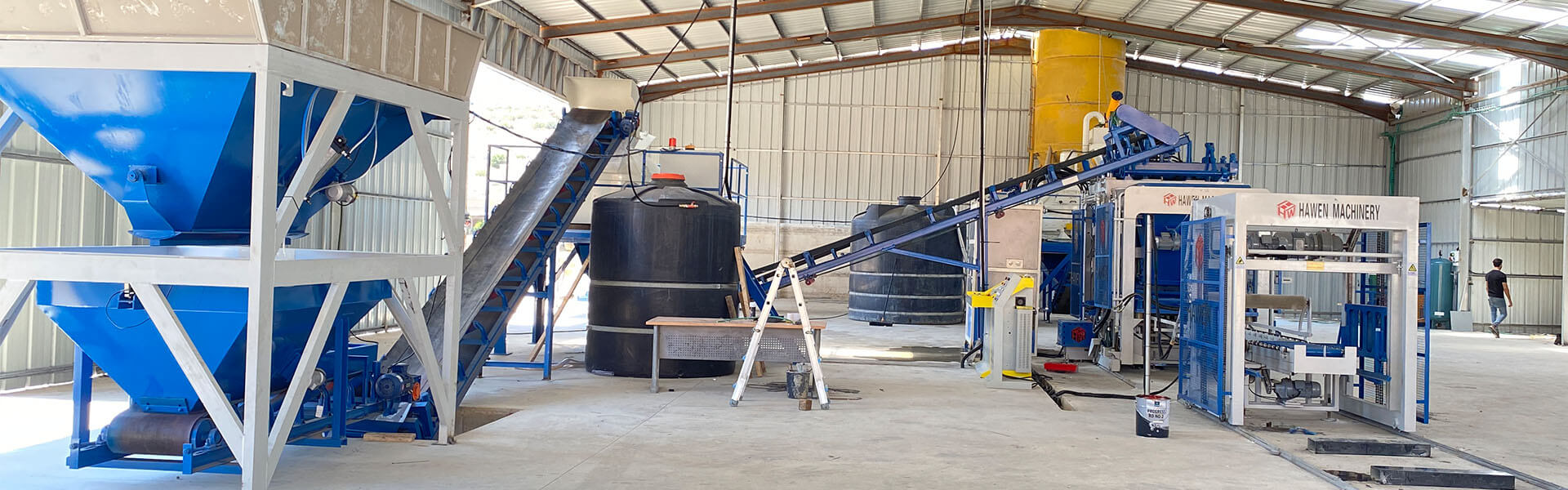
Hawen can review market drawings, unit layout, machine format, batching, mixing, tooling, carriers, hydration space, palletizing, and future SKU expansion as one project. This helps buyers avoid a line that makes the desired block but creates bottlenecks in curing, cubing, storage, or delivery.
The Hawen control system combines a SIEMENS S7-200 PLC, an intuitive touch panel, and remote monitoring. It displays real-time status, preserves approved sequence settings by product, and lets Hawen engineers assist with remote parameter optimization. Access and recipe revisions should remain controlled so every size has a traceable setup.
Approve a new SKU only after dimensions, appearance, handling, and specified laboratory results remain stable across consecutive production and normal material replenishment. Record the released drawing, mold ID, recipe, board layout, forming parameters, chamber route, packaging pattern, and inspection plan. The next shift should reproduce the product without relying on memory.
Action checklist
Collect local drawings, code references, tender schedules, contractor feedback, and repeat sales demand.
Write nominal and actual dimensions, joint allowance, shells, webs, cores, tolerances, and accessories clearly.
Confirm structural, fire, thermal, acoustic, absorption, density, and dimensional requirements where applicable.
Calculate the real units per board and check mixer, carriers, chamber, cubing, storage, and transport capacity.
Approve the controlled tooling drawing and plan changeover, storage, cleaning, and wear parts.
Release the SKU only after complete-flow trials and specified testing remain stable.
A concrete block dimension looks simple on paper, but it carries the logic of an entire wall, factory, and supply chain. The right size coordinates design, labor, joints, reinforcement, tooling, boards, hydration, packaging, transport, and market demand. When those decisions are made before steel is cut, a brick machine becomes more than equipment that repeats a shape. It becomes the disciplined center of a masonry system that builders can plan, customers can trust, and the factory can produce profitably for years.
FAQ
What is the difference between nominal and actual block size? Nominal size commonly includes the intended joint or modular allowance, while actual size is the manufactured unit dimension.
Should a factory copy the most common block size from another country? No. Verify local codes, drawings, wall systems, labor practice, climate, and customer demand before approving tooling.
Does a smaller block always increase machine output? It may increase pieces per board, but wall area, joints, pallets, curing, packaging, transport, and sales demand determine real productivity.
Can one machine produce several block sizes? Many machines can change products with suitable molds, recipes, boards, settings, handling, and qualification plans.
Why are half blocks and corner units important? Accessory shapes reduce cutting, support bond patterns, simplify corners and openings, and make the complete wall system more practical.
When should the mold drawing be frozen? Freeze it after market, engineering, standard, machine, board, handling, and packaging reviews are complete.
How can Hawen help choose a block size? Hawen can match the approved unit drawing with tooling, board layout, machine capacity, process settings, chamber flow, palletizing, and future product plans.






 Tel: +86-13905968794
 Email: export@hwmachines.com
 MP/WhatsApp: +86-13905968794
 Manufacturer Address:Nanan,Quanzhou City,Fujian Province,China