How to Control Silt and Clay in Sand for Concrete Block Production is a practical topic for buyers and plant managers who want a more stable block making machine workflow. The goal is not only to explain the issue, but to give a clear method that supports better output, cleaner operation, and stronger customer confidence.
In a professional concrete products factory, the block machine, material system, mold, pallet circulation, control system, and operator routine must work as one process. A good solution therefore looks at the whole line before changing one visible setting.
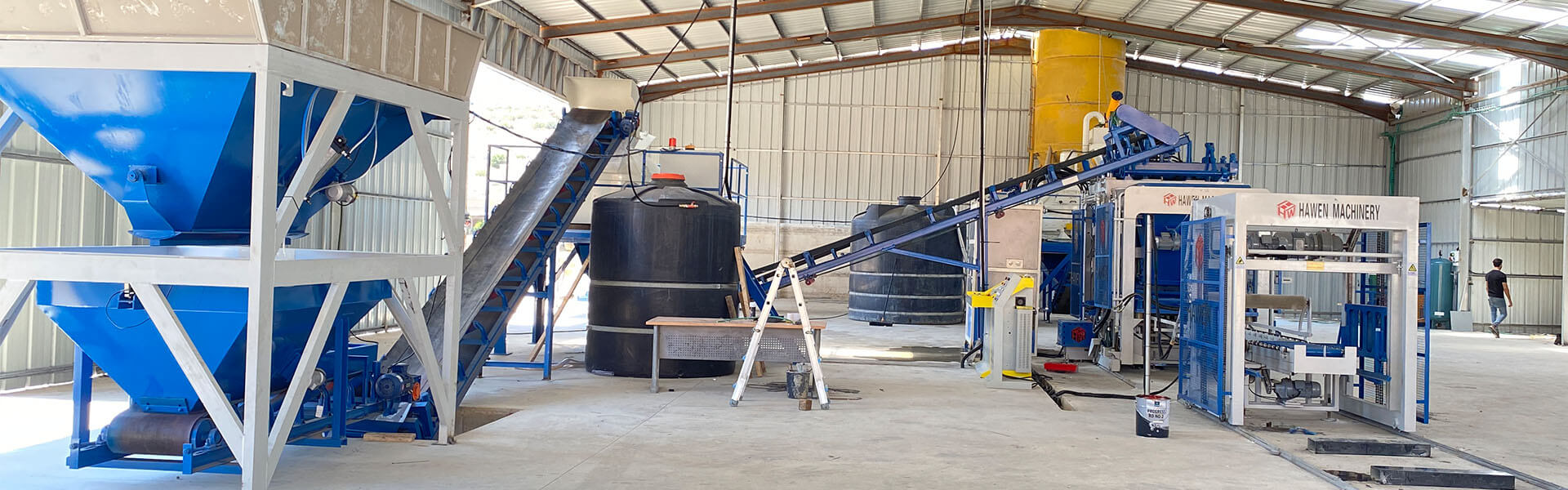
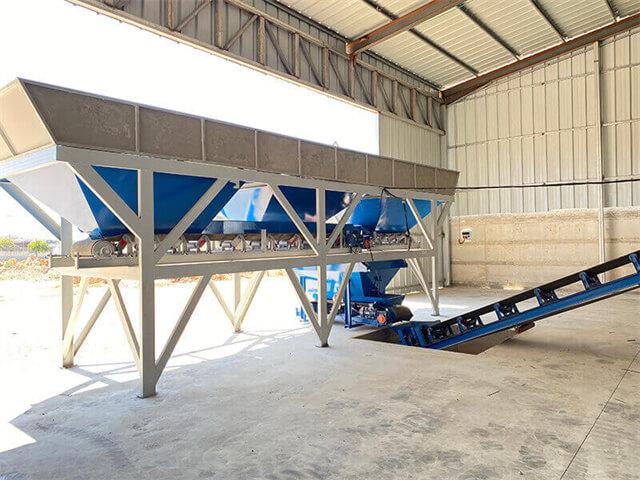
Separate aggregate bins and disciplined loading help keep contaminated sand from entering an approved recipe unnoticed.
Separate useful fines from harmful clay contamination
Not every particle that passes a small sieve is harmful. Some stone dust can be part of a designed grading, while active clay, clay lumps, soil, and friable material can coat aggregate or change water demand. The first task is to identify the material, not to reject sand only because it looks dusty.
Watch for sudden stickiness, muddy wash water, soft lumps that smear between the fingers, or sand that changes behavior after rain. Compare the suspect delivery with an approved retained sample. If the same recipe begins to feed poorly through the block machine after a source change, hold the new sand before compensating with extra water.
A clear-bottle settling check can reveal a change between deliveries, but it is only a screening tool. It cannot distinguish every clay mineral or establish contractual acceptance. Use it to trigger proper sampling and laboratory work, not as a substitute for the project specification.
Sample the stockpile and choose the right test
Take increments from several locations and depths rather than scooping one convenient surface. Avoid sampling only the washed face of a pile or only material beside the loader route. Combine and reduce the sample under the applicable procedure, label the source and delivery, and preserve enough material for confirmation.
ASTM C117 determines material finer than the 75-micrometre sieve by washing. ASTM C142/C142M addresses clay lumps and friable particles. Where the specification calls for it, sand-equivalent or methylene-blue testing can provide additional information about dust-like or clay-active fines. These methods answer different questions and should not be treated as interchangeable.
Use the limits in the customer specification, applicable aggregate standard, and local code. There is no responsible universal pass number for every product and source. FHWA materials guidance notes that clay lumps and excess minus-75-micrometre material can increase water demand, impair bond, and affect workability or durability. That is why a measured result matters before the batching system is recalibrated.
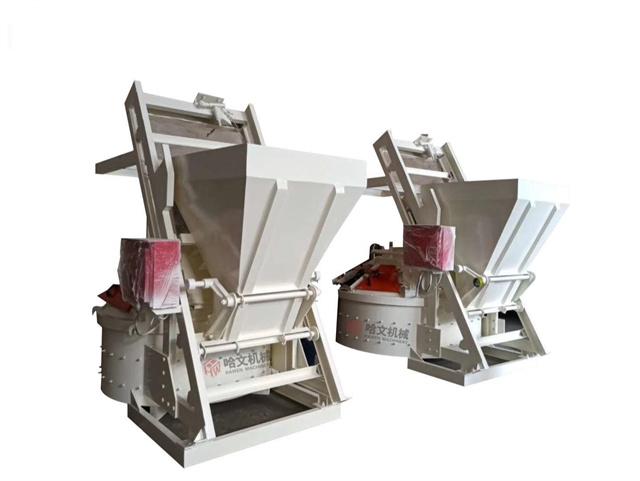
A capable mixer can distribute approved fines, but it cannot turn harmful clay contamination into sound aggregate.
Stop contamination between delivery and batching
Approve sources by more than a supplier name. Record quarry face or pit area, processing route, grading, test report, and delivery identity. A change within the same source can alter fines and clay behavior. Quarantine an unverified load so it cannot blend invisibly into the working stockpile.
Build piles on a firm, drained base and keep clean sand away from topsoil, wheel mud, washout, and runoff. Load from the pile face without scraping the floor. Maintain dividers between aggregate sizes and prevent the loader from carrying residue from a rejected bay into an approved one.
Rain does not create clay, but runoff can move soil into the pile and wet conditions can expose consistency problems. Link stockpile checks with moisture correction. The cement supply must also remain dry, yet increasing cement is not a sound way to hide dirty fine aggregate in a brick machine plant.
Correct the sand without masking the defect
Do not respond by adding water until the feeder appears normal. Clay-active material can consume or hold water, so an apparent workability correction may weaken green stability and make the next moisture change harder to control. Keep the suspect lot separate while the cause is confirmed.
Practical options include rejecting the load, washing and classifying it through a designed aggregate process, or blending it with verified clean material under an approved trial plan. Blending must be controlled by measured proportions. Random loader buckets create a moving target for the planetary mixer or twin-shaft mixer.
Run trial batches with recipe quantities, aggregate moisture, unit mass, fresh appearance, edge condition, and cured acceptance recorded. Change one factor at a time. A result is not proven until it remains stable across consecutive batches and a normal stockpile replenishment.
Stable sand quality supports repeatable feeding, compaction, appearance, and handling across the complete production line.
Connect aggregate approval with Hawen process control
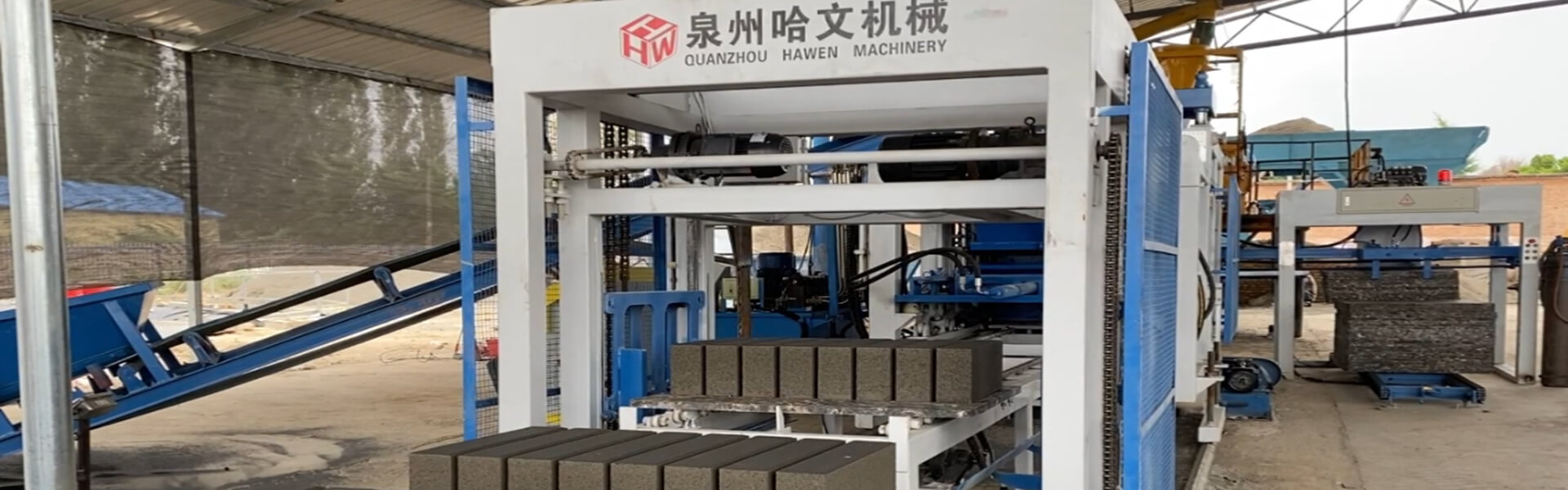
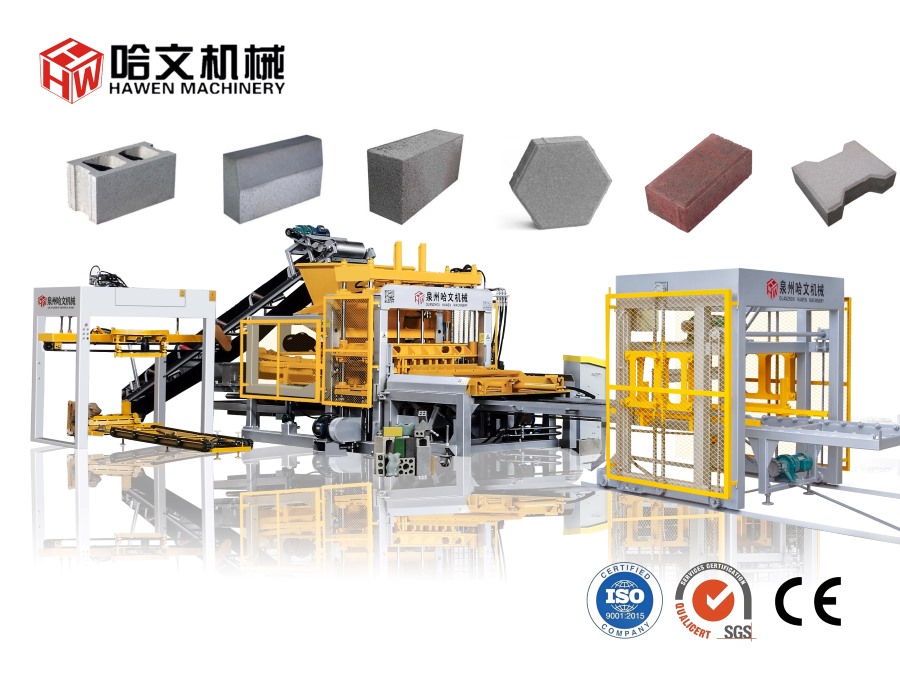
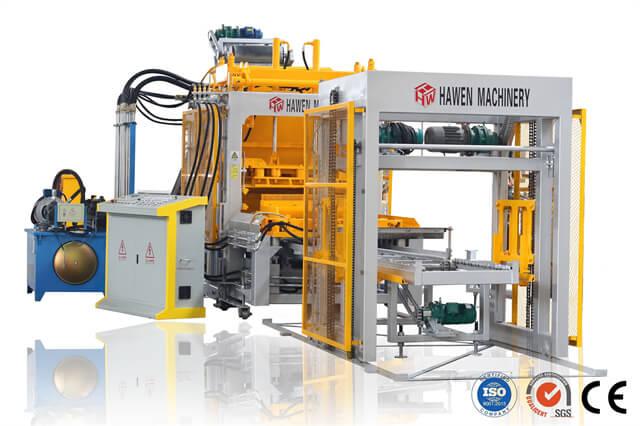
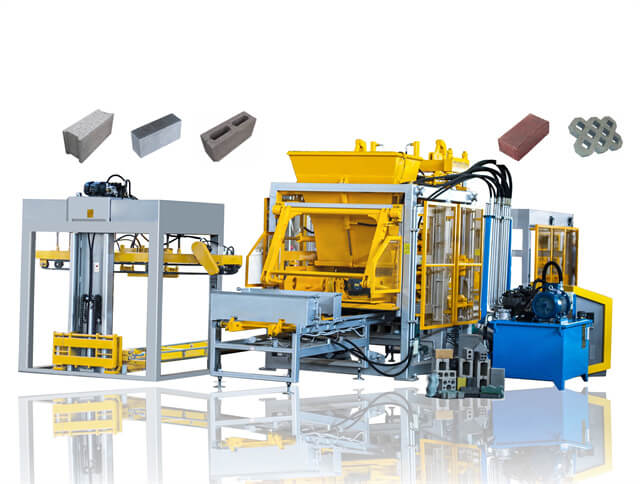
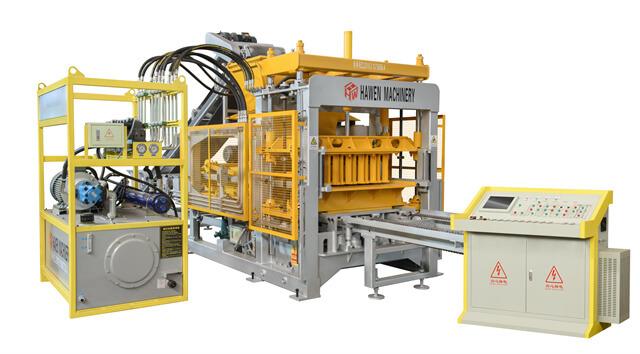
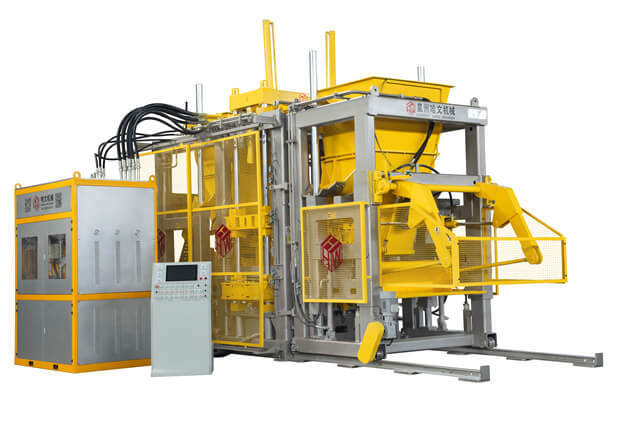
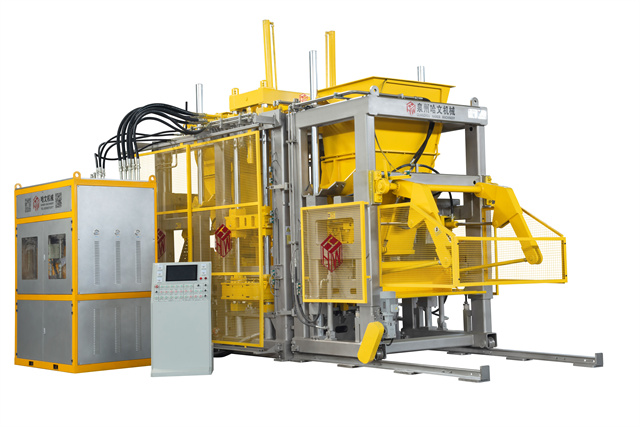
Hawen Machinery can review aggregate bins, weighing, mixing, transfer, and forming as one material path. A QT8 brick making machine or QT10 production line benefits from repeatable inputs, but no machine setting can certify an unknown sand source.
For line control, Hawen integrates a SIEMENS S7-200 PLC with an operator-friendly touch panel and remote monitoring capability. The system can show live operating status, retain repeatable recipe timing, and allow Hawen engineers to assist with remote parameter optimization. Laboratory aggregate acceptance and physical stockpile inspection still remain essential.
After an approved correction, compare feeder behavior and finished units at the same settings. This prevents operators from using the block making machine as a trial-and-error instrument. The aim is a documented material decision that the next shift can reproduce.
Action checklist
Hold the suspect delivery and compare it with an approved retained sample.
Take representative increments from multiple stockpile locations and depths.
Select wash-fines, clay-lump, sand-equivalent, or methylene-blue testing according to the specification.
Inspect drainage, bay dividers, loader practice, runoff, and pile-floor contamination.
Do not hide abnormal sand behavior with uncontrolled water or cement additions.
Approve the correction through consecutive trial batches and finished-product checks.
Sand is often treated as the simplest material in the yard, yet its smallest particles can steer water demand, bond, feeding, and finished appearance. A factory that samples before adjusting and controls the stockpile before the mixer does more than prevent one bad batch. It turns raw-material knowledge into a production advantage that follows every block from the bin to the customer.
FAQ
Are all fines in concrete sand harmful? No. Mineral fines can be part of an approved grading. The concern is excessive or unsuitable material, especially clay-active coatings, clay lumps, soil, and friable particles.
Can a jar test approve sand for block production? No. It is useful for comparing deliveries or triggering investigation, but contractual acceptance should use representative sampling and specified laboratory methods.
Why can clay-contaminated sand increase water demand? Very fine and clay-active particles have high surface interaction with water and can interfere with the behavior of the aggregate-paste system.
Should a plant add more cement when the sand is dirty? No. Extra cement does not remove clay, restore aggregate cleanliness, or make an unverified source acceptable.
Can contaminated sand be blended with clean sand? Only under an approved and measured trial plan. Random bucket blending creates unstable proportions and hides the true condition.
Which test limit should a factory use? Use the customer specification, relevant aggregate standard, local code, and validated product trials rather than a number copied from an unrelated project.
How can Hawen help after the sand is approved? Hawen can help coordinate weighing, mixing, recipe timing, feeder response, and forming records so the approved material is processed consistently.





 Tel: +86-13905968794
 Email: export@hwmachines.com
 MP/WhatsApp: +86-13905968794
 Manufacturer Address:Nanan,Quanzhou City,Fujian Province,China