How Aggregate Moisture Changes Water Dosing and Concrete Block Consistency
A block plant can use the same cement, the same programmed recipe and the same vibration settings every day, yet still see changes in block height, edge quality and green strength. One common reason is that the sand and aggregate do not enter the mixer at the same moisture condition. Rain, stockpile drainage, washing and even the depth from which a loader takes material change the amount of water carried into a batch. The control screen may show a constant water addition while the actual water available to the mix changes substantially.
This article focuses on one operating question: how should a concrete block producer account for aggregate moisture when dosing water? The answer starts with distinguishing water already in the materials from water added at the mixer. It then requires a repeatable way to observe the mix and correct the recipe before poor units accumulate. The principles apply to hollow blocks, solid bricks, pavers and curbstones, although the workable moisture window depends on each product, aggregate grading and mould geometry.
Why Aggregate Moisture Matters
Sand has a large surface area and usually contributes the most variable moisture among the aggregates used in block production. A pile can appear dry on its outside while the material beneath the crust remains wet. Water can also be unevenly distributed after a rainstorm: one loader bucket may come from the drained edge, and the next from a saturated center. If the batching system weighs both buckets as though they were identical, the dry aggregate mass and water contribution will differ.
Coarse aggregate also carries water, particularly after washing or when rainwater remains between particles. Its moisture effect may be smaller than sand's in a typical recipe, but it should not be ignored. In dry mix production, a modest change can alter how material fills narrow mould cavities and how it releases from the tamper head. A recipe that works for a dry stockpile may produce tacky blocks after rainfall without any change to the water valve setting.
Moisture changes two things at once. Wet aggregate brings water into the mixer, and some of the weight recorded by the batching scale is water rather than stone or sand. Therefore an accurate correction considers both the water dose and the amount of dry aggregate represented by the weighed material. Producers using an automatic batching machine should check how its controller defines moisture and whether its correction changes aggregate target weights as well as water addition.
Understand the Water Balance
The relevant quantity is the total effective water in the mixture, not simply the number of liters dispensed through the mixer nozzle. Water can arrive with damp sand and stone, admixture solutions and recycled material. Some of that water may be absorbed into aggregate pores; some remains on the particle surfaces and becomes available during mixing. The distinction matters when the plant calculates corrections from laboratory moisture results. A quick field reading may represent total moisture, whereas an engineering recipe may be based on a saturated surface dry reference condition.
Consider a simplified illustration. A batch calls for 500 kg of dry sand. If incoming sand contains 4% moisture on a dry-mass basis, that quantity of sand carries approximately 20 kg of water. The wet sand quantity corresponding to 500 kg dry sand is approximately 520 kg. If the operator simply weighs 500 kg of wet sand and still adds the original mixer water, the batch contains less dry sand than intended and extra water. The numbers are an illustration, not a universal block recipe; actual correction must use the plant's moisture definition and the aggregate's absorption characteristics.
For production control, record a reference recipe using clearly defined units: dry or saturated surface dry aggregate mass, target effective water, cement mass and the moisture reading method. Then document which value the controller expects. A common mistake is to enter a moisture percentage measured on a wet-mass basis into a controller that interprets it on a dry-mass basis. Another is to correct the water amount but leave the sand weight uncorrected. Either may be small in one batch but important over a full shift.
Do not use a single published water to cement ratio as a substitute for observing dry mix behavior. Zero-slump or low-slump concrete for vibropressing behaves differently from flowing cast concrete. The suitable window depends on binder, aggregate fines, mould design, vibration energy and intended surface appearance. A controlled trial on the actual block making machine is more useful than transferring a number from an unrelated plant.
How Dry Mix Concrete Responds
When a dry mix is too dry, particles do not rearrange readily under vibration. The material may bridge above thin ribs in a hollow block mould, leaving low density zones or chipped web edges. Fresh units may appear rough, crumbly or uneven in height. More vibration time may partly mask the symptom while slowing production and increasing equipment wear; it does not correct an unstable water supply.
When the mix is too wet, it may stick to the feeding cart, mould walls or tamper head. Demoulded units can slump, lose sharp edges or show a smeared surface. Fine paste may build up on the equipment and transfer defects from one cycle to the next. A wet mix can initially look dense, but its dimensional stability and final performance still need measurement. The visual symptom alone does not prove how much strength will change.
Many plants operate between these obvious extremes. There, moisture variation shows up as subtle shifts in filling time, vibration response, unit weight and block height. A change in aggregate moisture can be mistaken for a mechanical fault. Before modifying the vibration frequency or hydraulic pressure, compare fresh material condition, batch records and unit weights. The mixer also affects the result: inconsistent mixing time or water distribution can produce the same apparent moisture problem.
Measuring and Adjusting Moisture
There is no single measurement method that suits every plant. A basic operation can take representative sand samples at a defined frequency and determine moisture by drying. The result arrives later but provides a useful reference for checking other methods. A faster operation may use a handheld meter or an in-bin sensor. These instruments need calibration against the actual aggregates and periodic comparison with a gravimetric test. A sensor mounted where material rarely flows is unlikely to represent the material being batched.
Sampling quality matters as much as instrument quality. Do not sample only the dry top layer of a pile when the loader is drawing from below. Take samples from the feed stream or the active stockpile face, avoid foreign material and record the location and time. More frequent sampling is justified after rain, a new delivery, aggregate washing, a loader change in stockpile position or a visible shift in block appearance.
Where automatic moisture compensation is installed, confirm that the sensor reading reaches the correct recipe and that the dosing system has enough resolution for the required correction. Check water meter calibration, nozzle condition and valve closing response. A controller may calculate the correct target but still deliver an inaccurate amount if a valve leaks or a meter has drifted. The same check applies to weighing load cells on sand and aggregate bins.
Make changes in measured increments. When a mix appears wetter than normal, verify the current sand condition and batch data before reducing water. Change one variable, run enough cycles for old material to clear the mixer and hopper, then inspect several consecutive pallets. This avoids treating a transient mix of old and new batches as the final result. Record the new setting so the next shift understands why it changed.
Diagnosing Production Symptoms
| Observed symptom | Moisture-related possibility | Check before adjustment |
|---|
| Crumbly corners and incomplete ribs | Mix may be too dry or unevenly mixed | Sand moisture, mixer time, feed distribution |
| Paste sticking to tamper shoes | Mix may be too wet or too fine | Actual water delivery, aggregate grading, surface condition |
| Unit weight changes between batches | Incoming moisture or dry aggregate mass changed | Scale records, stockpile source, pallet tare |
| Height changes after rainfall | Water contribution from aggregate increased | Sand samples, recipe correction, vibration settings |
These observations are prompts for investigation, not one-to-one diagnoses. A worn mould, misaligned tamper, inconsistent pallet or changed cement can produce similar symptoms. Compare several indicators before assigning a cause. If a product is intended to meet a specified strength or dimensional standard, confirm performance through the applicable testing program rather than relying solely on fresh appearance.
A Practical Control Plan
Start with a known good baseline for each product. Save its dry material proportions, normal moisture range, water addition range, mixer time, block weight and typical fresh appearance. Keep separate records for hollow blocks, dense pavers and large curbstones if their mixes differ. A single global water correction can be misleading when the products use different sand fractions or binders.
Before the first production batch, inspect the stockpile and obtain a representative moisture reading. Confirm that the batching machine's entered value matches the current material. At a defined interval, repeat the reading and compare it with the first one. Increase frequency whenever weather or source material changes. Operators should record both the measured value and any actual change made to water addition; otherwise a later investigation cannot reconstruct the batch condition.
During production, weigh sample fresh units at a consistent point in the process and measure their height with the same method each time. These checks cannot replace moisture measurement, but they reveal whether the forming process remains stable. Inspect a pallet from the beginning, middle and end of a run. When a visible change appears, isolate the affected interval and trace it back through batch records before adjusting the machine.
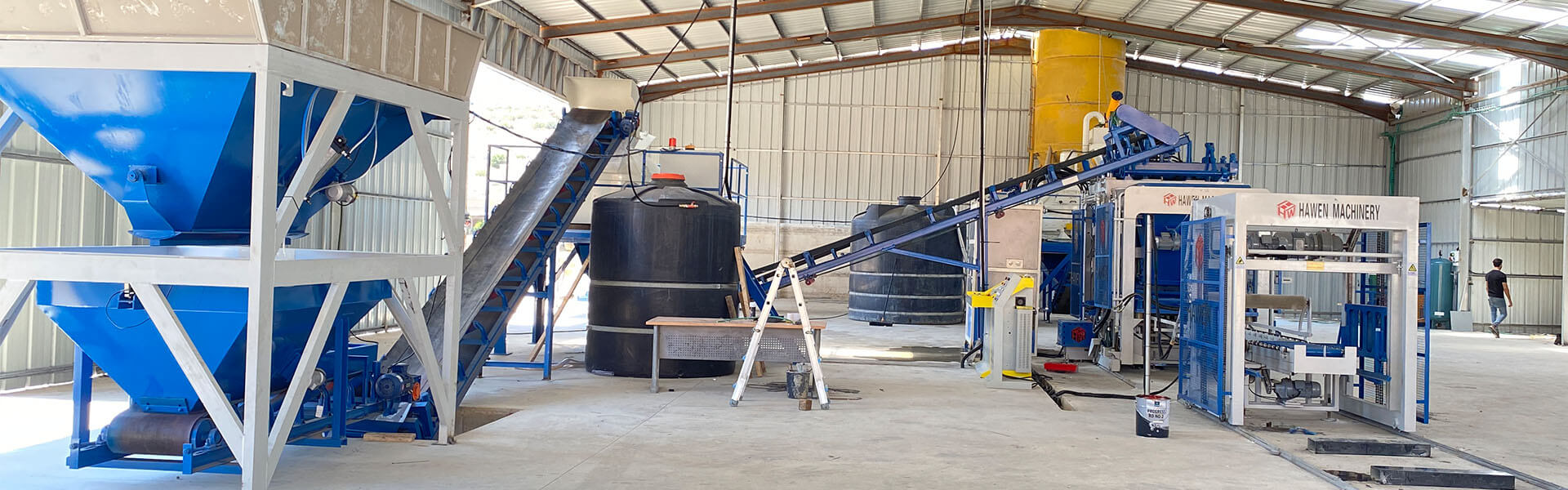
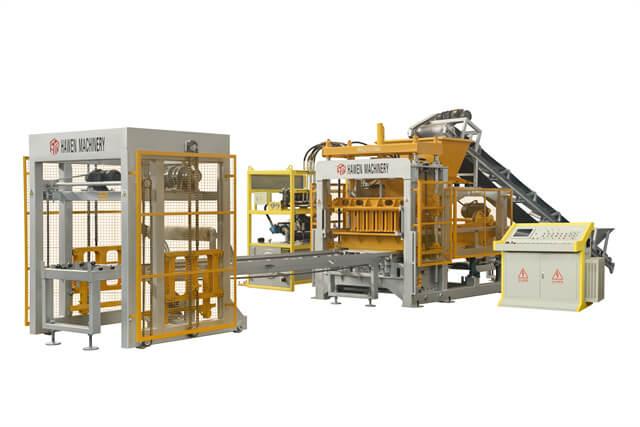
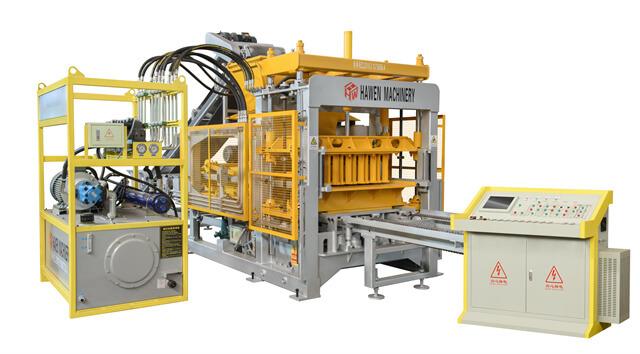
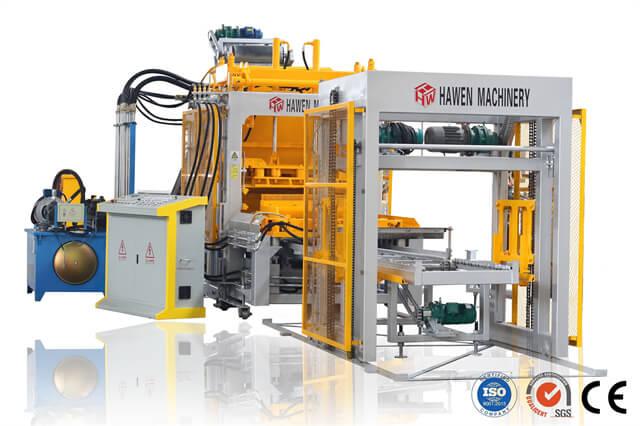
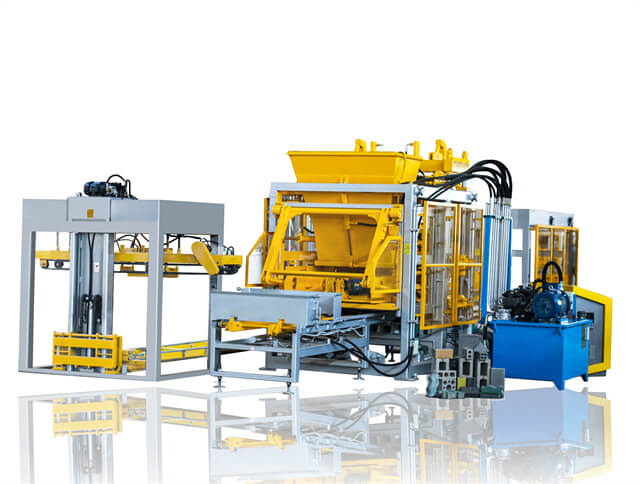
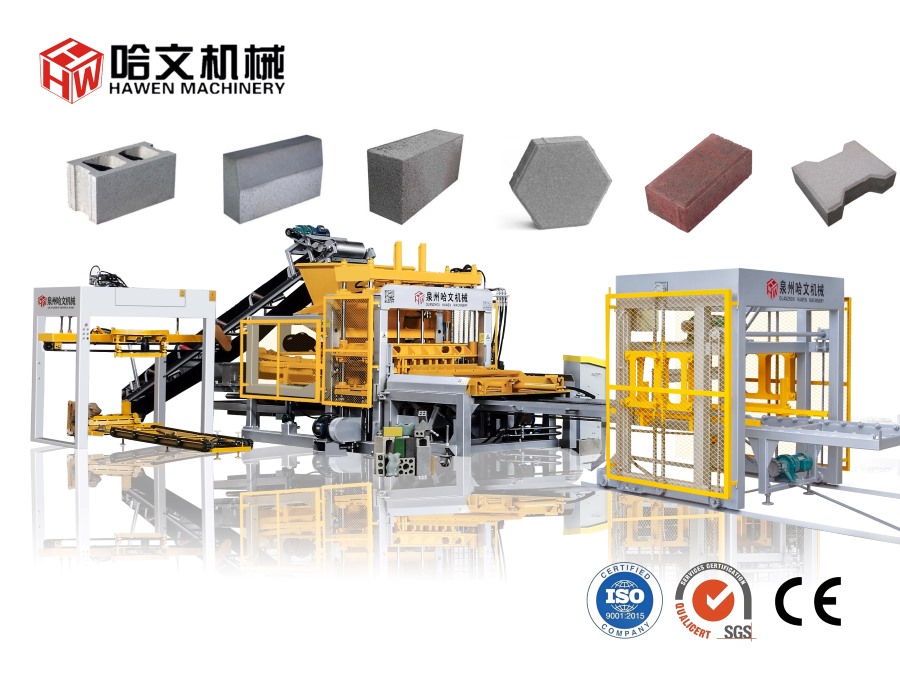
For a new plant, include moisture correction in commissioning and operator training. The exact control method can be simple or automated; its quality depends on how well it reflects the materials entering the mixer. A QT10 production line, for example, still needs sound material measurement despite having automated forming equipment. Automation repeats a recipe; it cannot make an unknown incoming water content disappear.
FAQ
Can operators judge moisture by squeezing a handful of mix? A hand test can provide a quick warning, but it depends on the person and aggregate grading. Use it alongside measured moisture, block weight and production records.
Should mixer water always be reduced by the full measured water in sand? Not automatically. Confirm whether the measurement includes absorbed water and whether the recipe uses dry or saturated surface dry aggregate assumptions. Apply the correction method defined for that recipe.
Does a moisture sensor remove the need for sampling? No. Periodic reference samples are needed to check calibration and whether the sensor still sees representative flowing material.
Why does a recipe fail only after heavy rain? The sand may carry more water and may also vary widely within the pile. A fixed mixer water dose then gives different effective water from batch to batch.
Conclusion
Aggregate moisture is part of the batch water balance. Measure it where material actually enters production, apply the correct dry-mass and water adjustments, and verify the result on formed units. Stable moisture control helps a block plant hold a repeatable filling and compaction condition without chasing every quality change through the machine settings.







 Tel: +86-13905968794
 Email: export@hwmachines.com
 MP/WhatsApp: +86-13905968794
 Manufacturer Address:Nanan,Quanzhou City,Fujian Province,China