Pallet size looks like a simple specification, but it shapes the whole automatic concrete block machine line. It influences mold layout, cycle stability, curing rack design, pallet return, stacking method, and future product expansion. Choosing the right pallet is therefore not only a machine decision; it is a factory-flow decision.
Why pallet size matters
In a block making machine plant, every fresh product sits on the pallet before it has enough handling strength. If the pallet is too small, the mold layout may limit output or product choice. If it is too large for the line, pallet weight, return speed, rack space, and handling equipment may become inefficient.
Planning note: Do not select pallet size from the main block machine catalog alone. Review the complete movement path from mold filling to curing, unloading, cubing, and empty pallet return.
Product range and mold layout
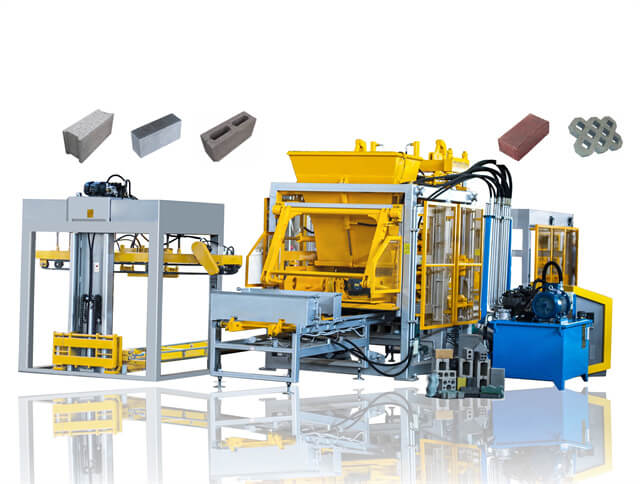
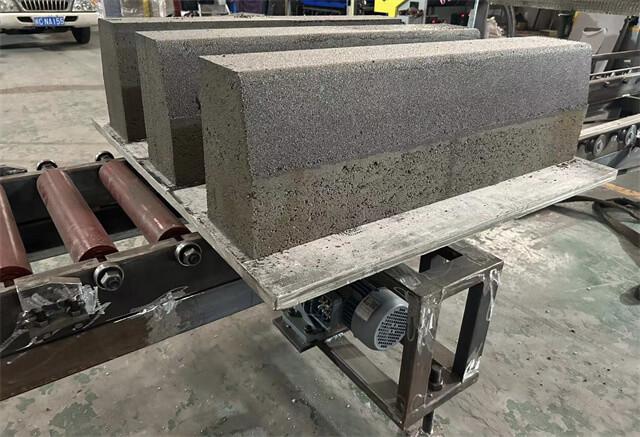
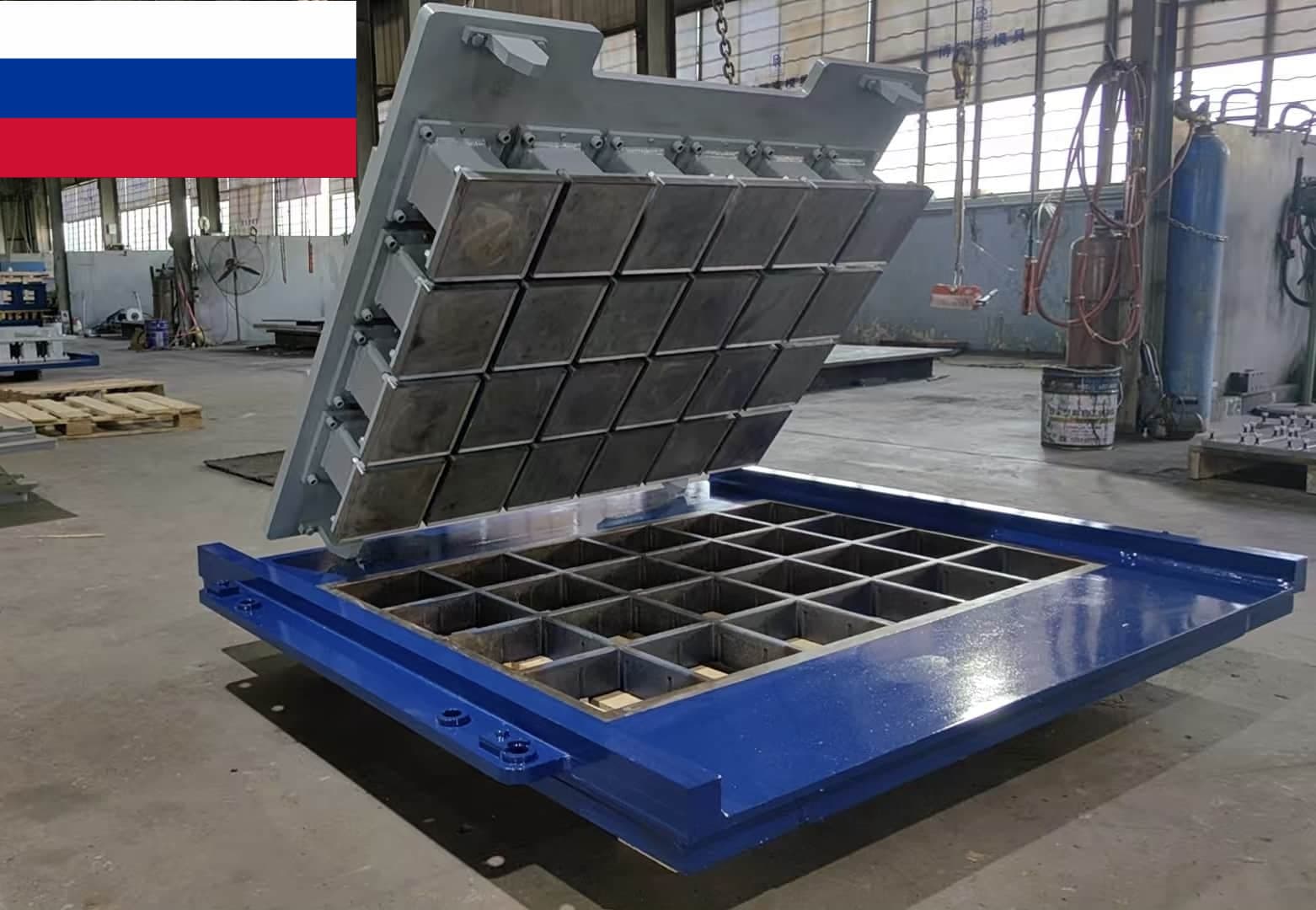
The first question is product range. Hollow blocks, solid bricks, pavers, kerbstones, and special blocks use different cavity layouts. A hollow block mould may need a different layout strategy from an interlocking paver mould or curb stone mould. If the factory expects product changes, pallet selection should leave room for future mold sets.
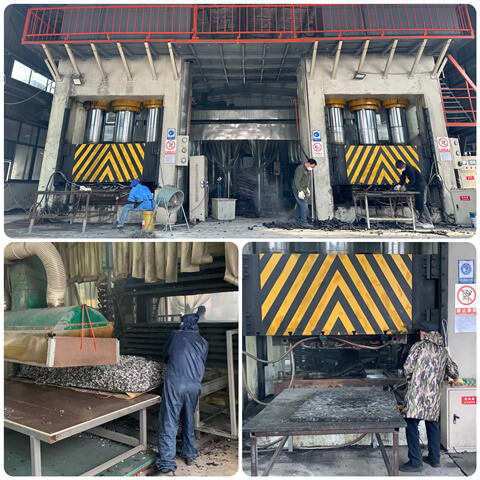
Hawen Machinery designs molds according to original machine requirements and can support compatibility with major brands such as Masa, Hess, Zenith, Poyatos, Besser, Tiger, Columbia, Quadra, and Omag. Heat treatment improves wear resistance, and hardness is controlled around HRC59-61 for durable production. This matters because pallet size and mold layout must work together, not fight each other.
Automation around the pallet
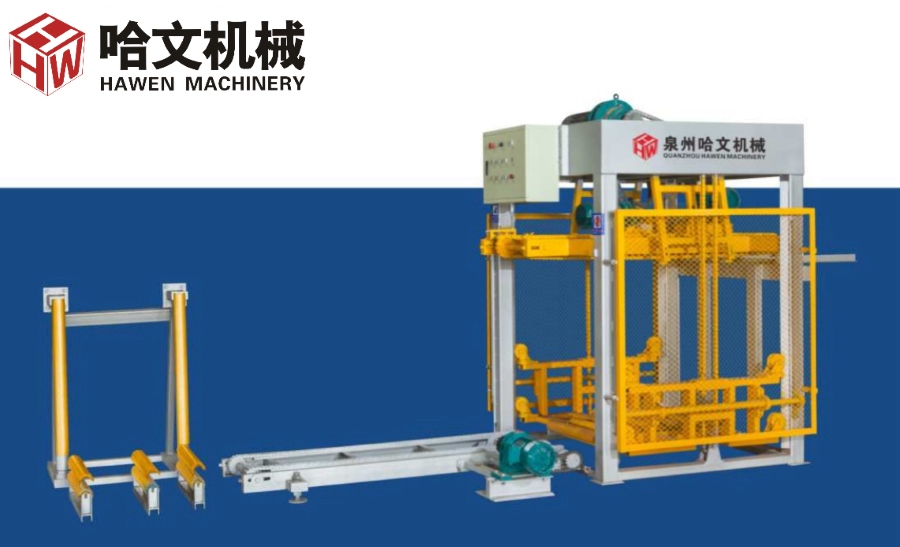
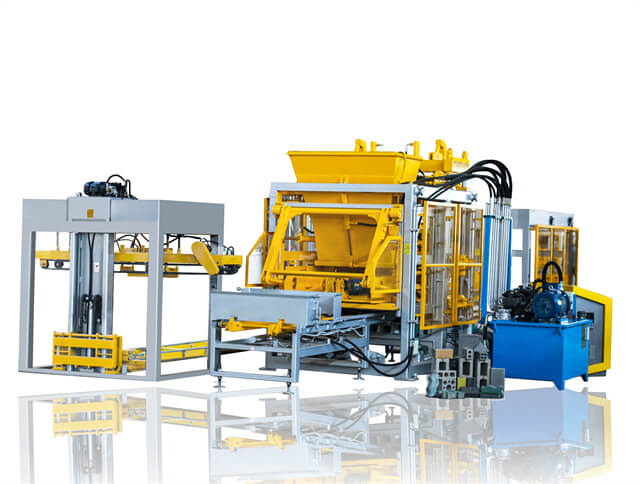
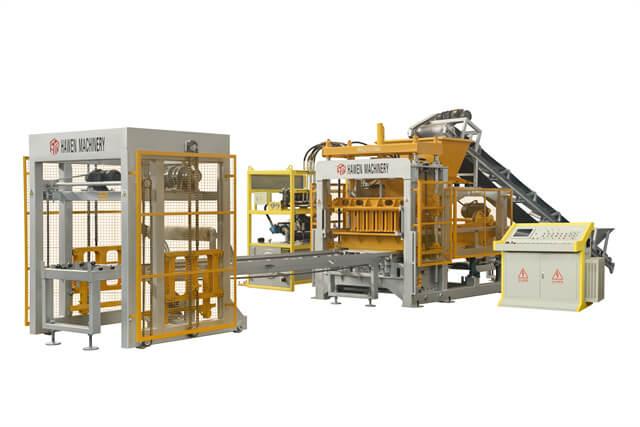
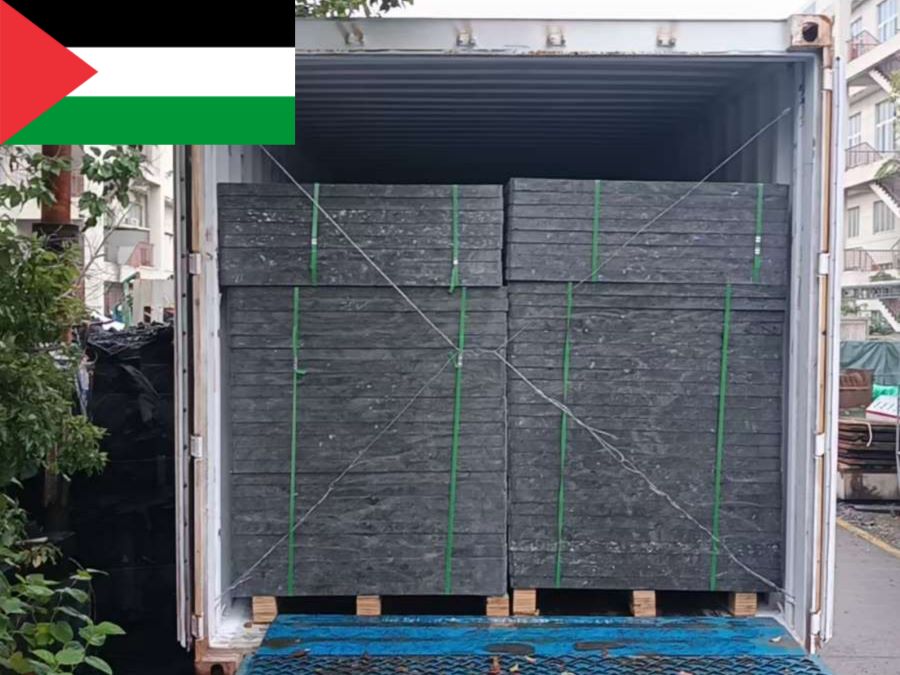
Pallet size affects the automatic pallet provider, elevator, lowerator, curing rack, and automatic offline palletizing system. It also affects the choice of GMT pallet, because stiffness, flatness, and long-term stability are essential for block height consistency.
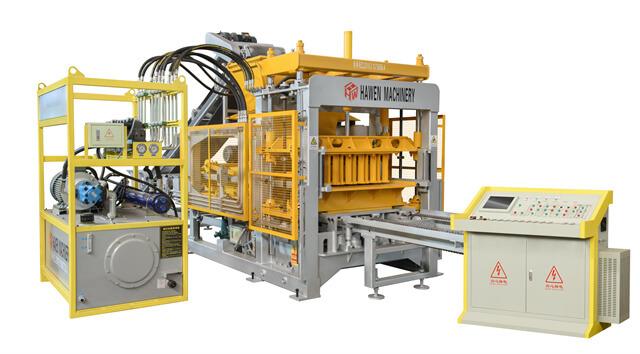
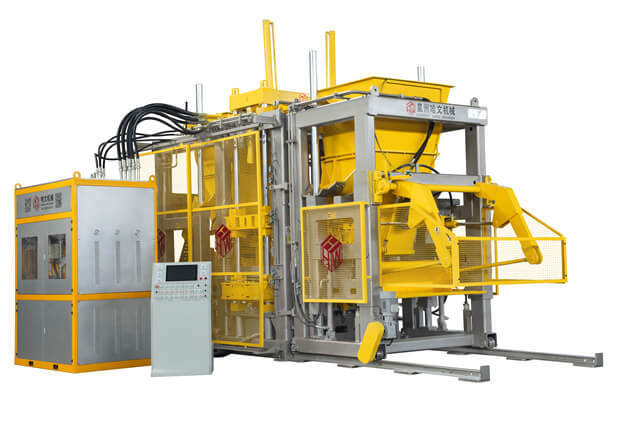
Factories with a QT15 automatic concrete paver block machine or QT12 hydraulic hollow block production line usually think more about output, rack circulation, and automatic handling. Smaller or growing plants using a QT6 cement paver brick production machine or QT4 automatic interlocking paver brick machine may focus more on flexible products and compact layout.
Hawen Machinery selection method
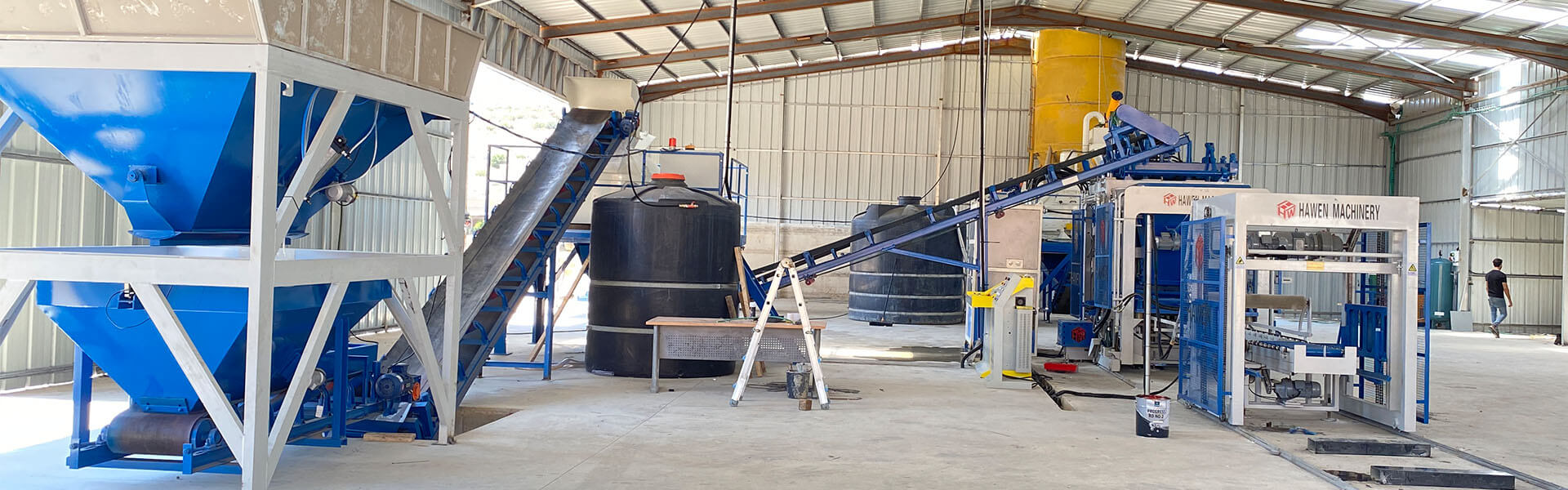
Hawen does not recommend pallet size in isolation. The selection starts from product drawings, target output, curing method, available factory space, pallet return route, and stacking plan. The main machine, batching machine, concrete mixer, cement silo, pallet circulation, and packing area should be reviewed as one production map.
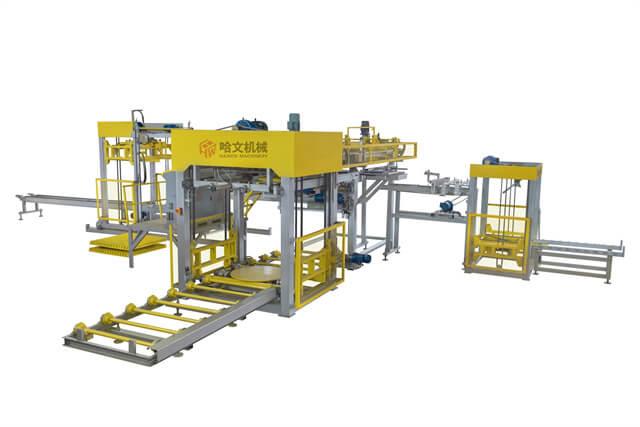
For buyers, this approach reduces later modification cost. A pallet that fits the block machine but does not fit curing racks or cubing equipment can create daily bottlenecks. A pallet that supports both current products and future molds gives the factory more room to grow.
Purchase checklist
- List all current and future products before choosing the pallet.
- Confirm mold cavity layout on the proposed pallet size.
- Review pallet weight, stiffness, flatness, and expected working environment.
- Check curing rack, pallet return, and palletizing compatibility.
- Ask the supplier to review factory layout with pallet movement included.
The pallet is the quiet platform under every finished block. When it is selected well, it disappears into the rhythm of production. When it is selected poorly, every cycle reminds the factory of the mistake. A strong block machine line begins with this kind of practical foresight: the discipline to design not only the machine, but the movement of value through the whole plant.
FAQ
Is a larger pallet always better?
No. A larger pallet may increase product layout options, but it can also affect handling weight, curing space, and automation design.
Can one pallet size cover all block products?
It depends on product range and mold layout. A supplier should review hollow blocks, pavers, kerbstones, and future products together.
Why does pallet flatness affect block quality?
An uneven pallet can create height variation, edge defects, and unstable compaction during brick machine production.
Should pallet size be chosen before factory layout?
It should be chosen together with the layout because pallet circulation affects curing racks, return flow, and stacking.
What pallet material is commonly used?
Many automatic concrete block plants use GMT pallets because they provide stable support and good durability for repeated cycles.
How does Hawen help buyers choose pallet size?
Hawen reviews products, molds, machine model, curing method, layout, and automation equipment before recommending a pallet plan.





 Tel: +86-13905968794
 Email: export@hwmachines.com
 MP/WhatsApp: +86-13905968794
 Manufacturer Address:Nanan,Quanzhou City,Fujian Province,China