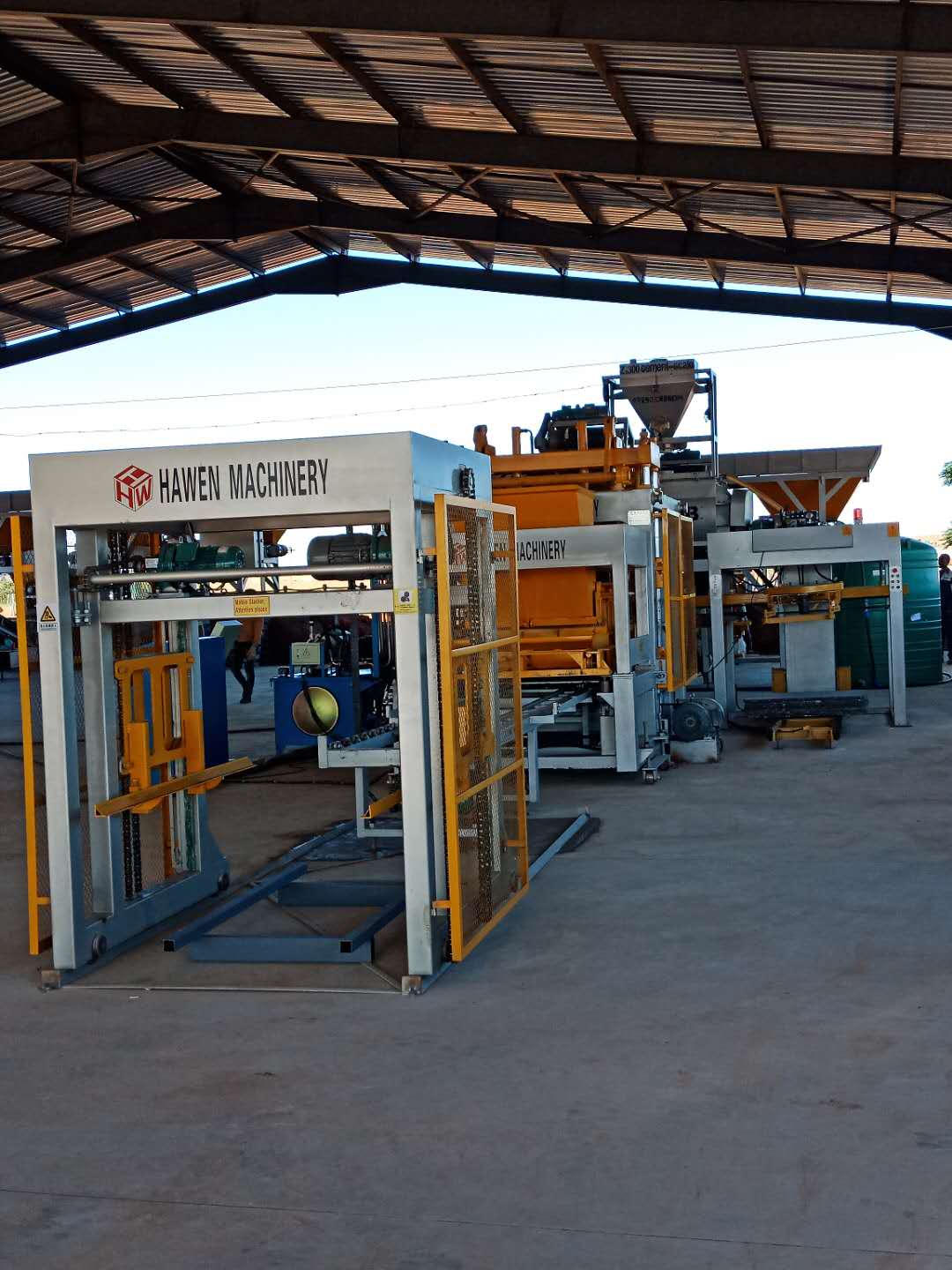
Concrete block machine automation level should be judged by the whole production process, not only by whether the host machine has a PLC control system. A plant may be called automatic, but the actual automation scope can be different. Some lines automate forming only, while others include automatic batching, mixing, pallet feeding, stacking, cured block cubing, and pallet return. Buyers should define automation level clearly before comparing quotations.
The useful question is not simply "Is this machine automatic?" A better question is "Which repeated actions are automatic, which actions still need workers, and which actions limit daily output?" This helps the buyer understand labor demand, production rhythm, maintenance complexity, and future upgrade needs.
Automation scope, not the model name, determines labor demand and real production rhythm. Compare quotations line by line: batching, mixing, feeding, forming, pallet handling, stacking, cubing, and pallet return.
Why automation level needs clear definition
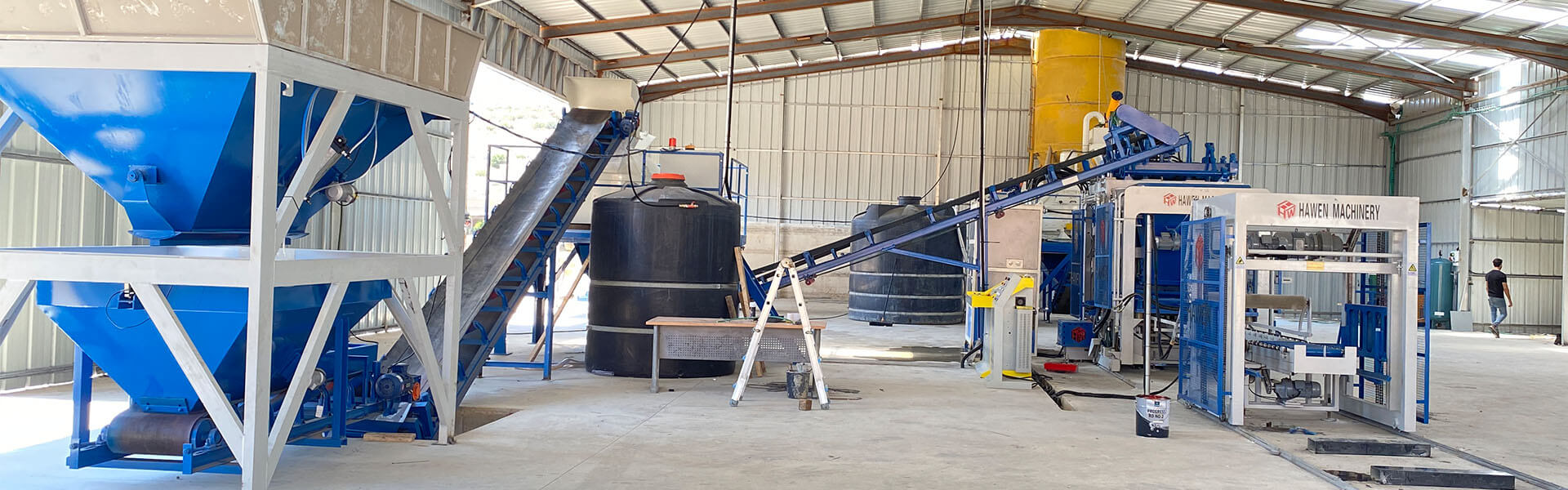
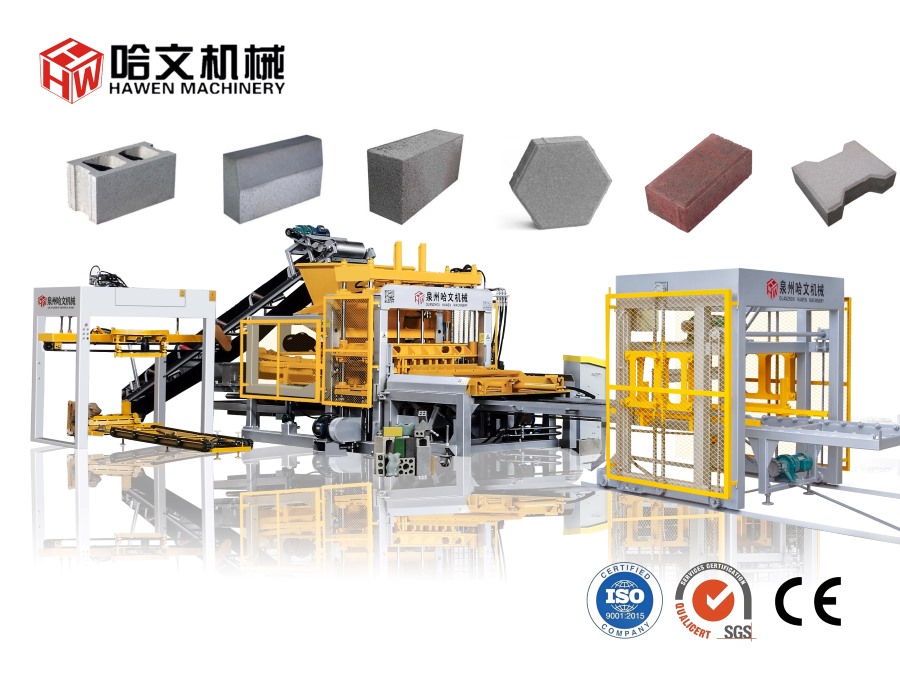
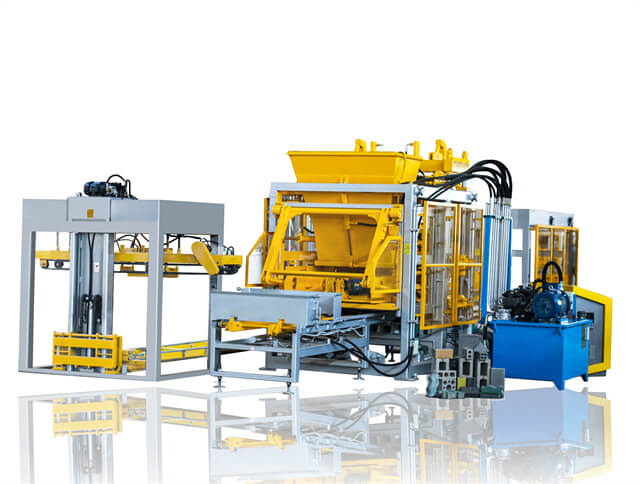
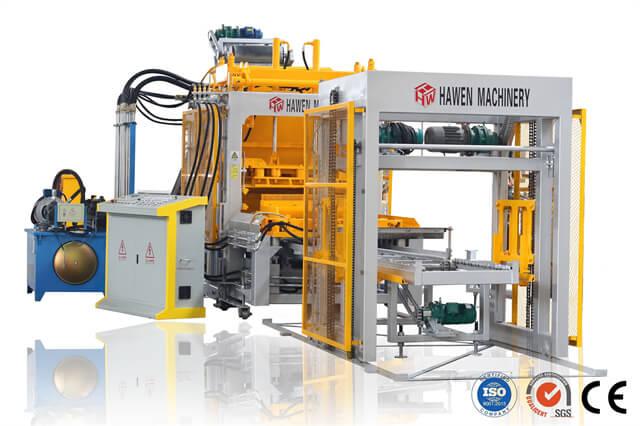
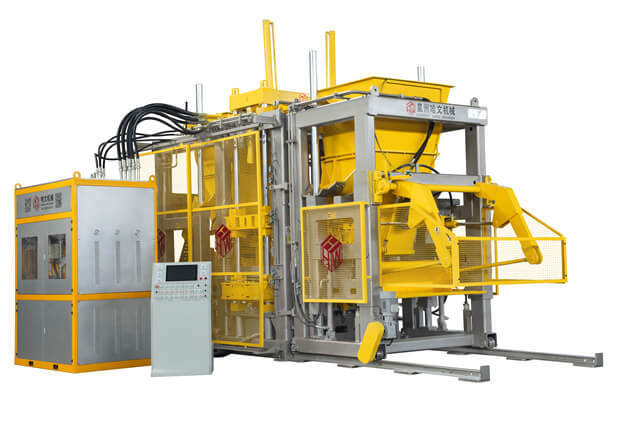
Automation can refer to different parts of a concrete block making plant. The host machine may automatically feed material, vibrate, press, demould, and transfer pallets. The batching system may automatically weigh aggregates. The mixer may receive cement and water according to set parameters. The stacker may automatically collect green block pallets. An offline cuber may automatically arrange cured blocks for shipment.
If these functions are not separated, buyers may compare two very different quotations as if they were equal. One supplier may quote an automatic forming machine with manual handling, while another may quote a complete automatic block production line. The model name may be similar, but labor requirement and real production capacity may be very different.
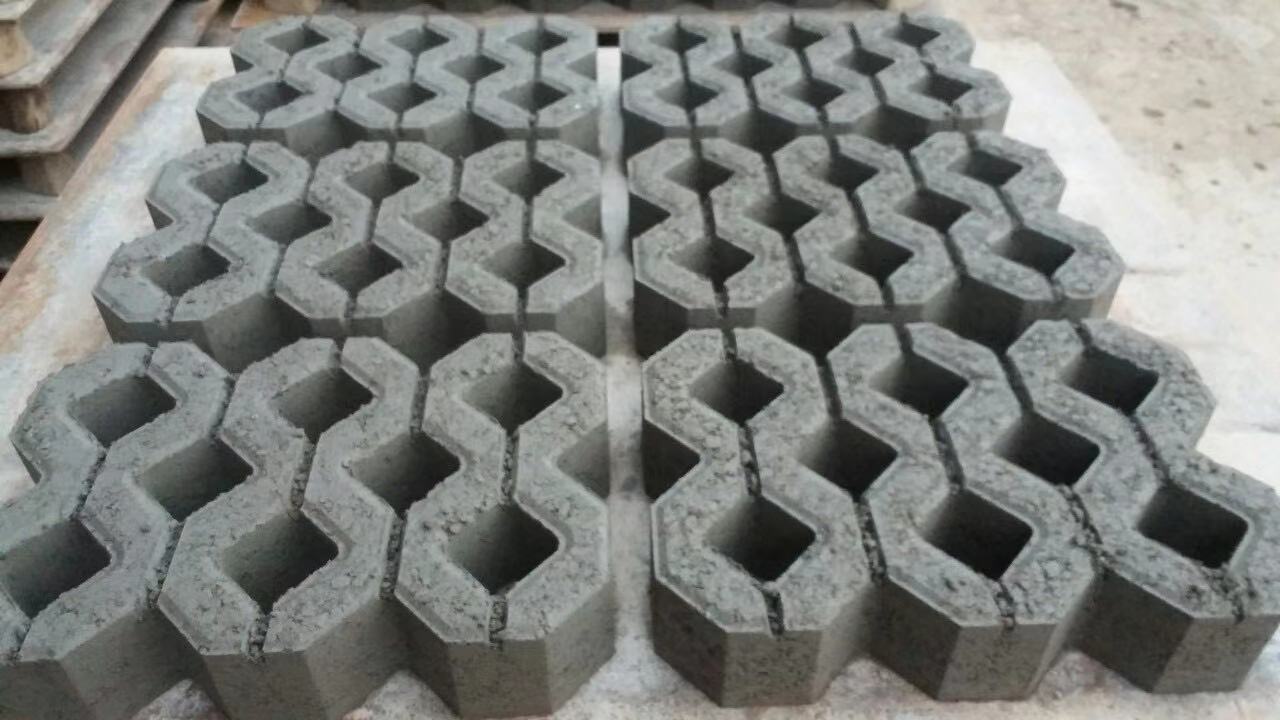
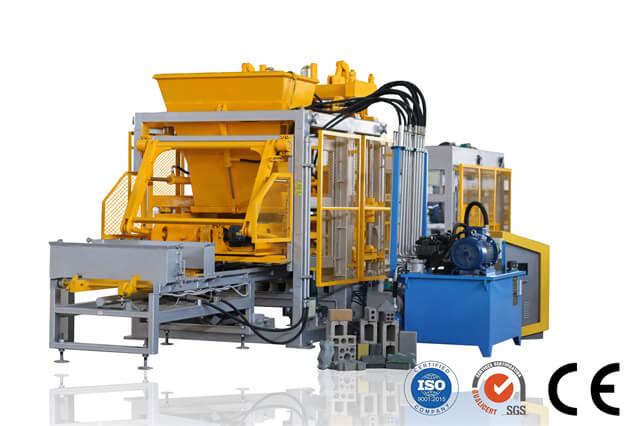
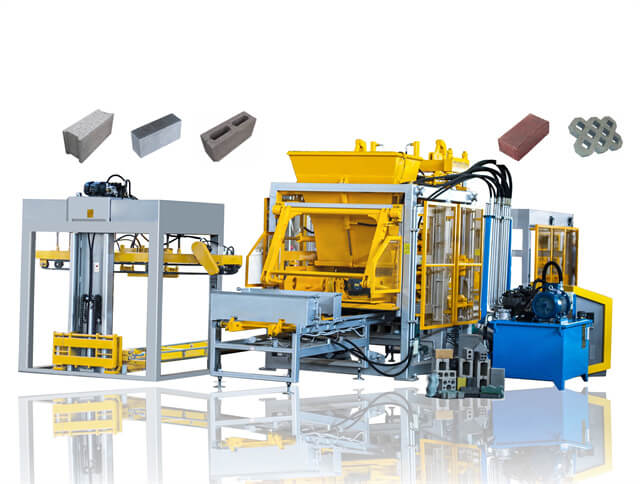
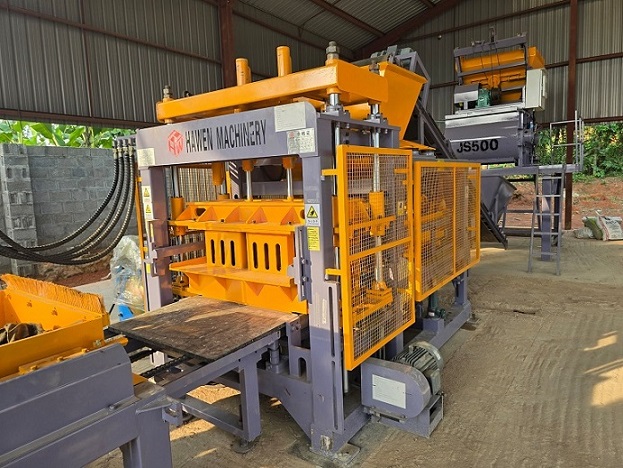
When reviewing a QT8 automatic concrete paver fly ash brick making machine, buyers should ask which parts are automatic in the proposed configuration and which parts still need manual operation.
Automatic batching, mixing, and material feeding
Material preparation is the first automation area to review. Automatic aggregate batching can improve proportion consistency when sand, stone powder, crushed stone, fly ash, and other materials are weighed repeatedly. Cement silo, screw conveyor, cement scale, water dosing, and mixer control should also be checked. If batching and mixing are still handled manually, product quality may depend heavily on operator experience.
Material feeding between the mixer and host machine should also match the automation level. Belt conveyor direction, hopper capacity, mixer discharge speed, and sensor coordination affect whether the host machine receives concrete without waiting. If the host machine is automatic but material feeding is slow, the plant still loses output.
For plants that plan batching and mixing as one integrated scope, the choice of a suitable batching plant for cement block production is worth reviewing alongside the host machine configuration.
Pallet feeder, stacker, cuber, and labor demand
Pallet handling is where automation differences become very visible. An automatic pallet feeder supplies pallets to the host machine. A stacker collects green block pallets and prepares them for curing yard movement. An offline cuber can separate cured blocks from pallets and stack finished products for shipment. Each added automation unit can reduce labor pressure, but it also requires more space, power, maintenance, and operator training.
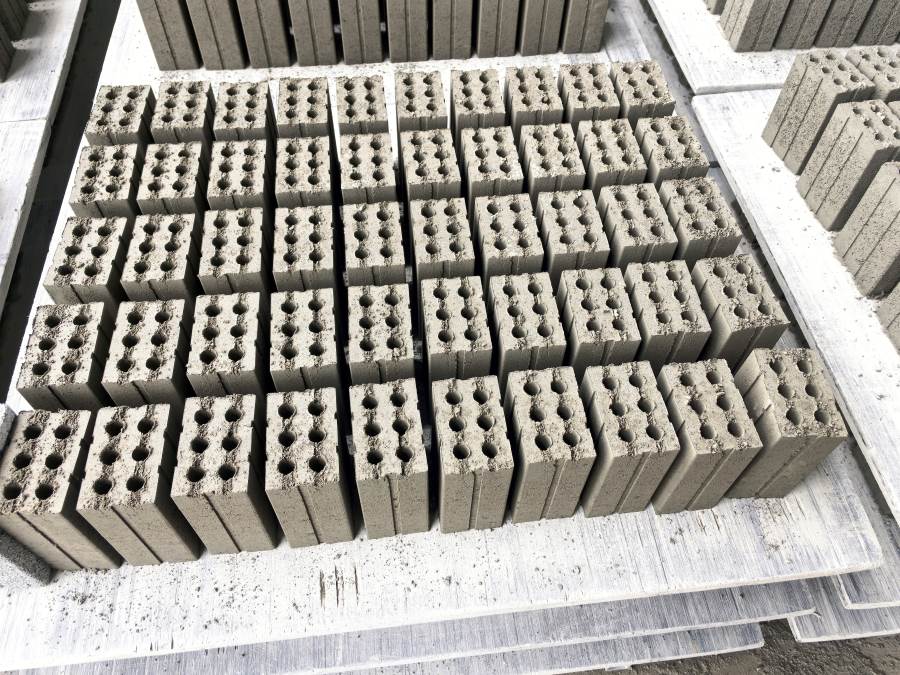
A practical buyer observation is that automation should match the local labor situation. In some markets, manual unloading may be acceptable at the beginning. In other markets, high labor cost or high daily output makes automatic stacker and cuber systems more important. The buyer should calculate workers needed per shift, not only the machine price.
Automation level review table
| Automation area | What to check | Buyer meaning |
|---|
| Batching and mixing | Aggregate weighing, cement feeding, water dosing, mixer control, and discharge signal. | Improves recipe consistency and reduces manual proportion errors. |
| Host machine | Material feeding, vibration, pressing, demoulding, pallet transfer, and PLC control. | Defines the core forming process and repeated cycle stability. |
| Stacker system | Pallet alignment, stack height, lifting movement, and forklift connection. | Reduces green block handling pressure after demoulding. |
| Offline cuber | Cured block return, gripping range, finished stack pattern, and pallet return. | Improves finished block packing when output is high. |
Automation scope, layout space, power supply, and worker allocation must be confirmed against the actual site conditions and the supplier's technical documents. Treat the table above as a review framework, not a fixed configuration list.
FAQ
Does PLC control mean the whole block plant is automatic?
No. PLC control may automate the host machine, but batching, mixing, pallet handling, curing yard movement, and cubing may still require separate review.
Is higher automation always better?
Not always. Higher automation can reduce labor and improve consistency, but it also increases investment, maintenance needs, layout space, and operator training requirements.
What should buyers ask in a quotation?
Buyers should ask which actions are automatic, which actions are manual, how many workers are needed per shift, and whether future automation upgrades are possible.
Conclusion
Concrete block machine automation level should be judged by batching, mixing, material feeding, host machine control, pallet feeder, stacker, cuber, pallet return, and labor demand. Buyers should compare automation scope line by line before comparing price. The next step is to ask the supplier for a process flow drawing and confirm which actions still need manual work during daily production.
Preparing an automation comparison? Share your target block types, daily output plan, available layout space, and local labor conditions so the automation scope can be reviewed against your actual production process.





 Tel: +86-13905968794
 Email: export@hwmachines.com
 MP/WhatsApp: +86-13905968794
 Manufacturer Address:Nanan,Quanzhou City,Fujian Province,China