A concrete block machine layout drawing should be reviewed before civil work, foundation construction, and equipment shipment. Many buyers focus on machine capacity first, but the layout drawing decides whether the batching machine, mixer, host machine, pallet feeder, stacker, curing yard, forklift, and finished block loading area can work together. If the layout is not checked early, the buyer may need expensive site changes during installation.
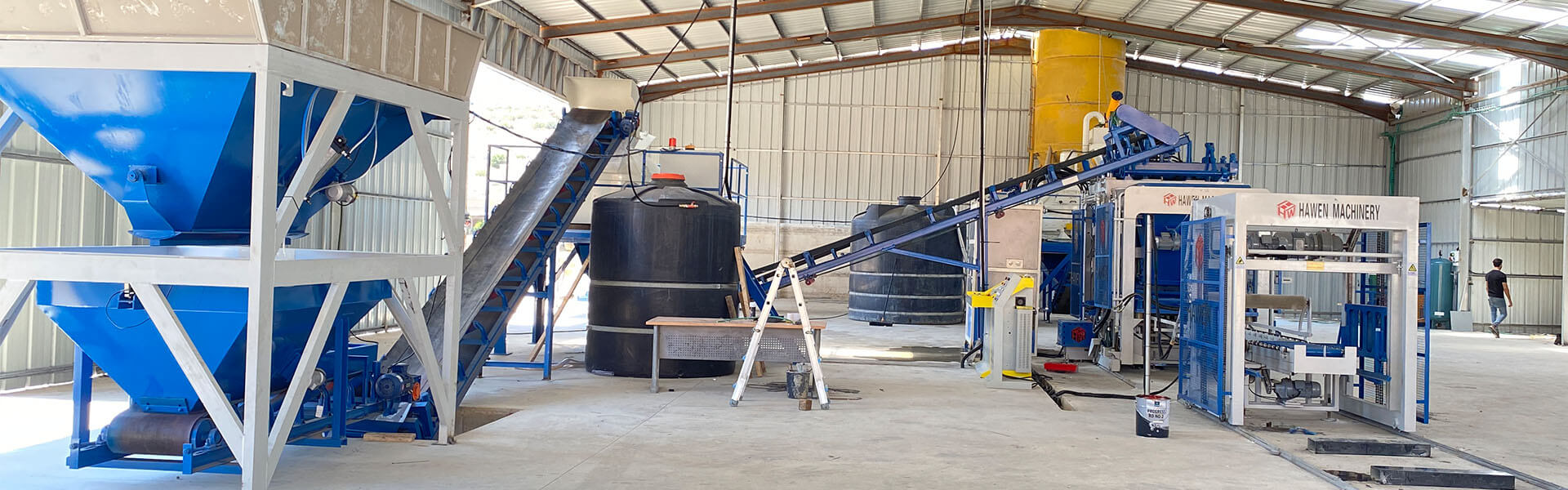
A good layout drawing is not only a simple machine position map. It should show production direction, material flow, pallet circulation, operator access, maintenance space, electrical cabinet position, cement silo position, mixer platform, conveyor direction, stacker movement, and curing yard connection. For an automatic concrete block making plant, these details affect daily output as much as the host machine model.
Why layout drawing review matters
The layout drawing connects machine configuration with the real site. A buyer may order a strong automatic concrete block machine, but if the mixer discharge is too far from the host machine or the forklift route crosses the aggregate loading route, the plant may not reach stable output. Layout mistakes usually appear during installation, but by then the foundation may already be finished.
Before approving the drawing, the buyer should confirm land size, workshop height, cement silo position, loader access, forklift turning radius, curing yard capacity, and finished block loading direction. The drawing should also show whether the plant is installed indoors, outdoors, or in a semi-open area. Each condition has different requirements for weather protection, drainage, dust control, and electrical safety.
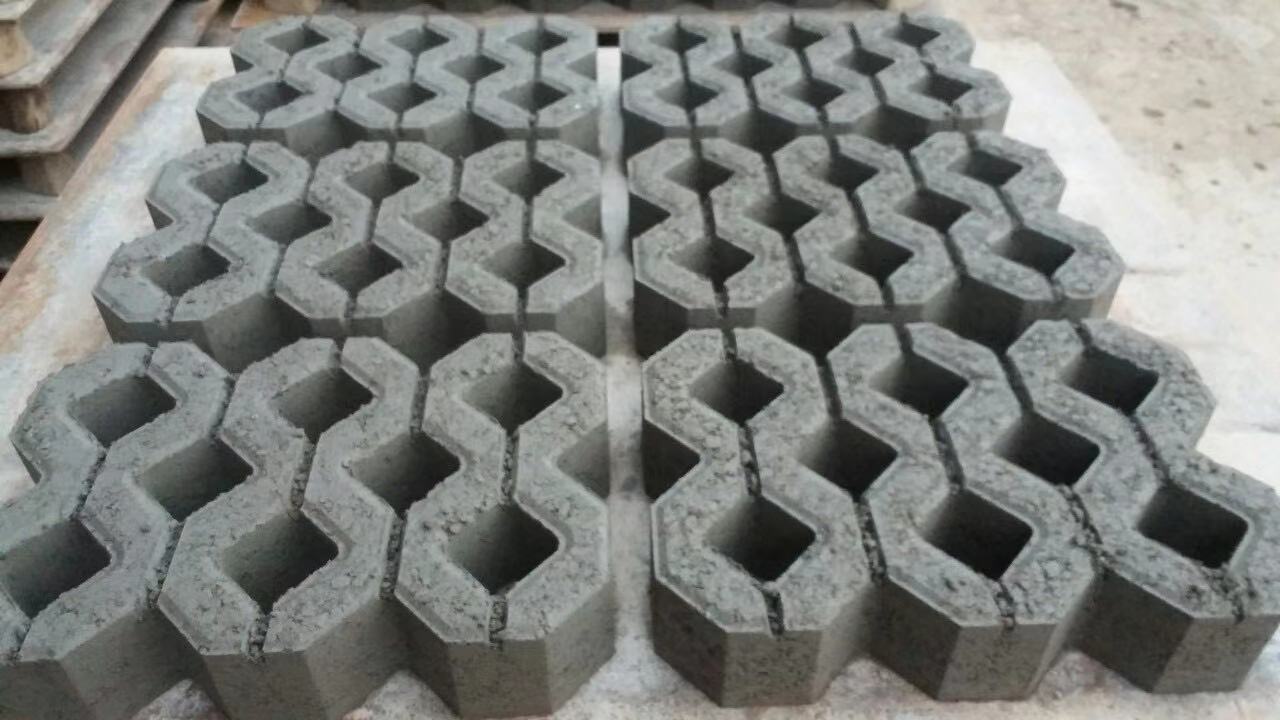
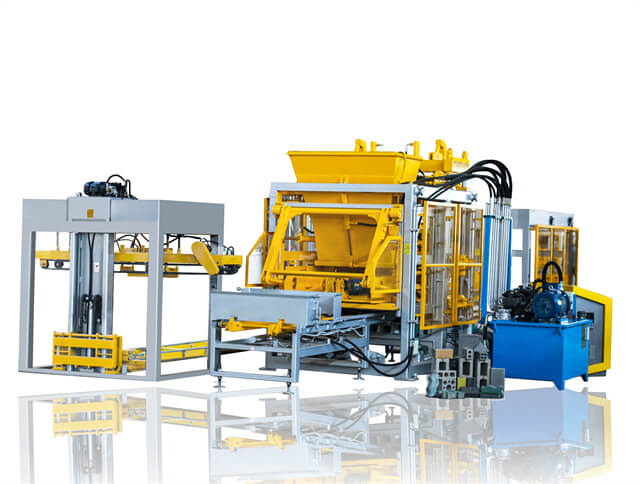
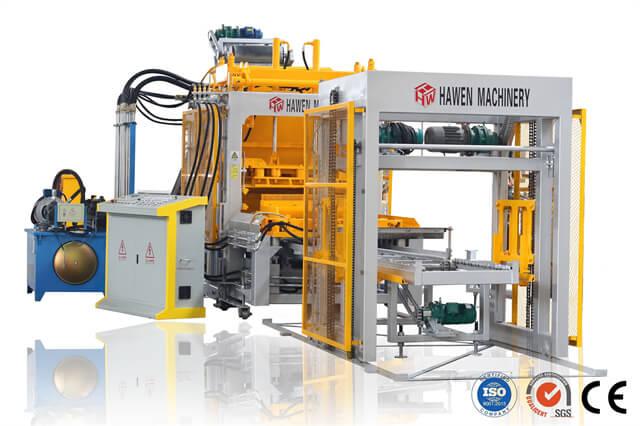
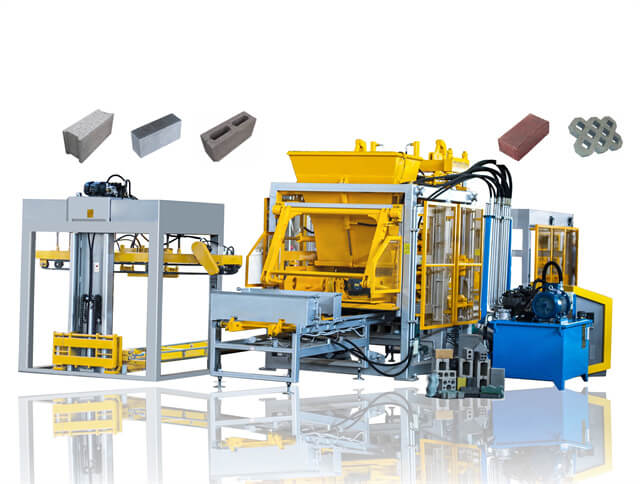
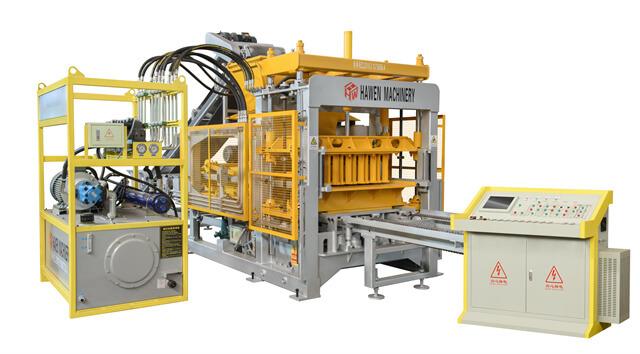
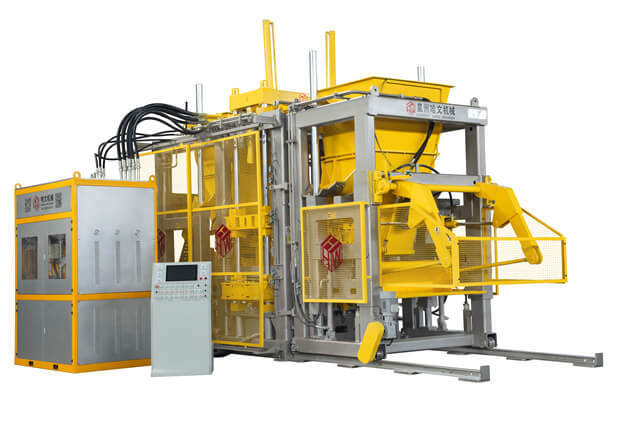
When reviewing a QT8 automatic concrete paver fly ash brick making machine, the same layout logic applies. The model name explains the forming machine, but the drawing explains whether the full production line can run smoothly.
Batching, mixer, and host machine position
The batching area should allow loader access without disturbing finished block shipment. Sand, crushed stone, stone powder, fly ash, and other aggregates should enter the batching system easily. If the loader must cross the curing yard or finished block loading area, production becomes slower and less safe.
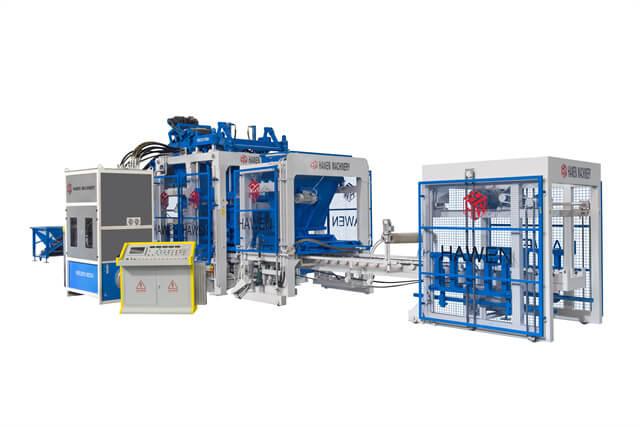
The mixer should be positioned so material can move to the host machine hopper smoothly. A JS concrete mixer, belt conveyor, and host machine should be matched in height and direction. If the conveyor angle is too steep or the material transfer distance is too long, semi-dry concrete may become uneven before forming. This can affect block surface, height, and demoulding quality.
The host machine should have enough space on all service sides. Operators need access for mould change, sensor adjustment, hydraulic inspection, pallet feeder checking, and cleaning. A layout that places the host machine too close to walls or other equipment may look compact, but it can make maintenance difficult.
Pallet, stacker, curing yard, and forklift route
Pallet circulation should be drawn as a complete loop. Empty pallets enter the pallet feeder, green blocks leave the machine on pallets, the stacker lifts and organizes them, forklifts move them to the curing yard, cured blocks return for unloading or cubing, and empty pallets return to the feeder. If the drawing does not show this loop clearly, the buyer cannot judge real production flow.
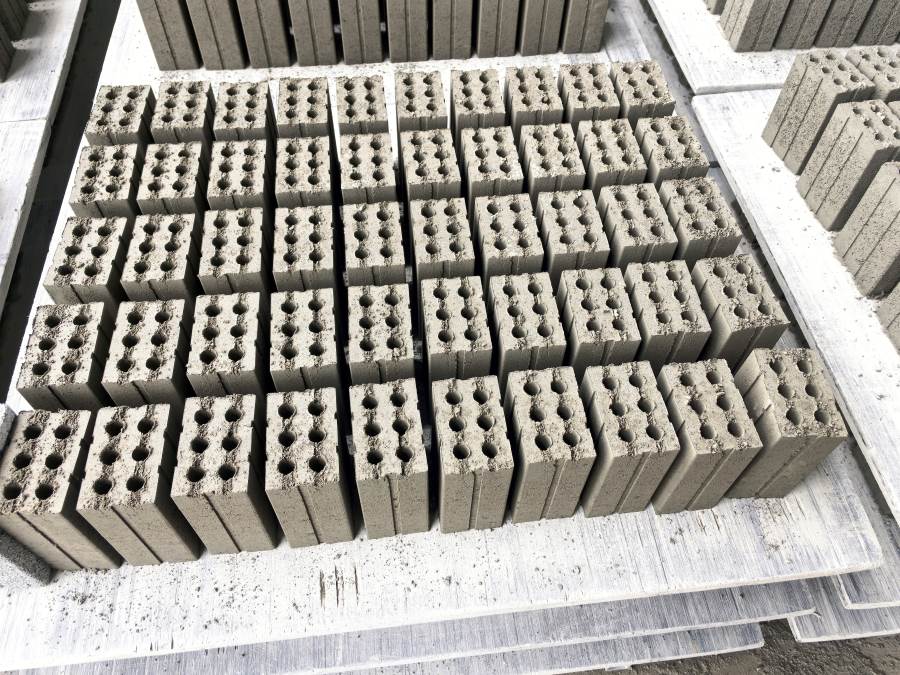
The curing yard should be calculated from daily output, curing time, stack height, product type, and pallet quantity. Hollow blocks, pavers, solid blocks, and kerbstones occupy different space and create different handling loads. A high-output machine may stop if the curing yard cannot receive green blocks fast enough.
A practical layout observation is that forklift route conflicts are often hidden in early drawings. The buyer should mark loader movement, green block movement, empty pallet return, cured block return, and truck loading direction. If these routes cross repeatedly, the plant may lose time during every shift.
Power, foundation, and maintenance access
The layout drawing should include electrical planning. The control cabinet should be placed where the operator can see the host machine, pallet feeder, block discharge, and stacker area. Cable routes should be safe and protected from forklift damage, water, and dust. Voltage, frequency, grounding, and emergency stop positions should be confirmed before installation.
Foundation planning is also important. The host machine, mixer platform, cement silo, batching machine, and conveyor supports may require different foundation details. Vibration equipment should be installed on a stable and level foundation. If the foundation is uneven, block height, machine movement, and equipment wear may be affected.
Layout review table
| Review item | What to check | Risk if ignored |
|---|
| Batching area | Loader access, aggregate storage, weighing system, and conveyor direction. | Raw material feeding may interrupt production flow. |
| Mixer and host machine | Mixer discharge height, belt conveyor angle, hopper position, and service space. | Material feeding may become slow or uneven. |
| Pallet circulation | Pallet feeder, stacker, curing yard, empty pallet return, and forklift route. | The host machine may wait for empty pallets or yard space. |
| Foundation and power | Machine foundation, cement silo foundation, grounding, cable protection, and emergency stops. | Installation may be delayed or unsafe. |
FAQ
Should the layout drawing be checked before payment?
Yes. The buyer should review the layout before final confirmation because foundation, power, curing yard, and forklift routes affect installation cost and production stability.
Can the supplier make the layout drawing?
Yes, but the buyer should provide accurate site size, workshop height, entrance direction, power location, curing yard condition, and product plan.
What is the most common layout problem?
One common problem is ignoring pallet circulation and curing yard flow. The machine can form blocks, but green blocks cannot be moved away fast enough.
Conclusion
A concrete block machine layout drawing should be reviewed as a production flow document. Buyers should check batching access, mixer discharge, host machine service space, pallet circulation, stacker movement, curing yard capacity, forklift routes, foundation, power, and maintenance access. The next step is to compare the supplier layout with the real site and adjust the drawing before installation work begins.





 Tel: +86-13905968794
 Email: export@hwmachines.com
 MP/WhatsApp: +86-13905968794
 Manufacturer Address:Nanan,Quanzhou City,Fujian Province,China