```html
Block sticking during demoulding is a common issue in concrete block production. When a freshly formed block does not separate from the mould smoothly, the product may lose its shape, develop damaged edges, or remain partially inside the mould. The cause is not always the mould itself. Concrete moisture, material filling, vibration, mould condition, and the demoulding movement can all affect the result.
Overview
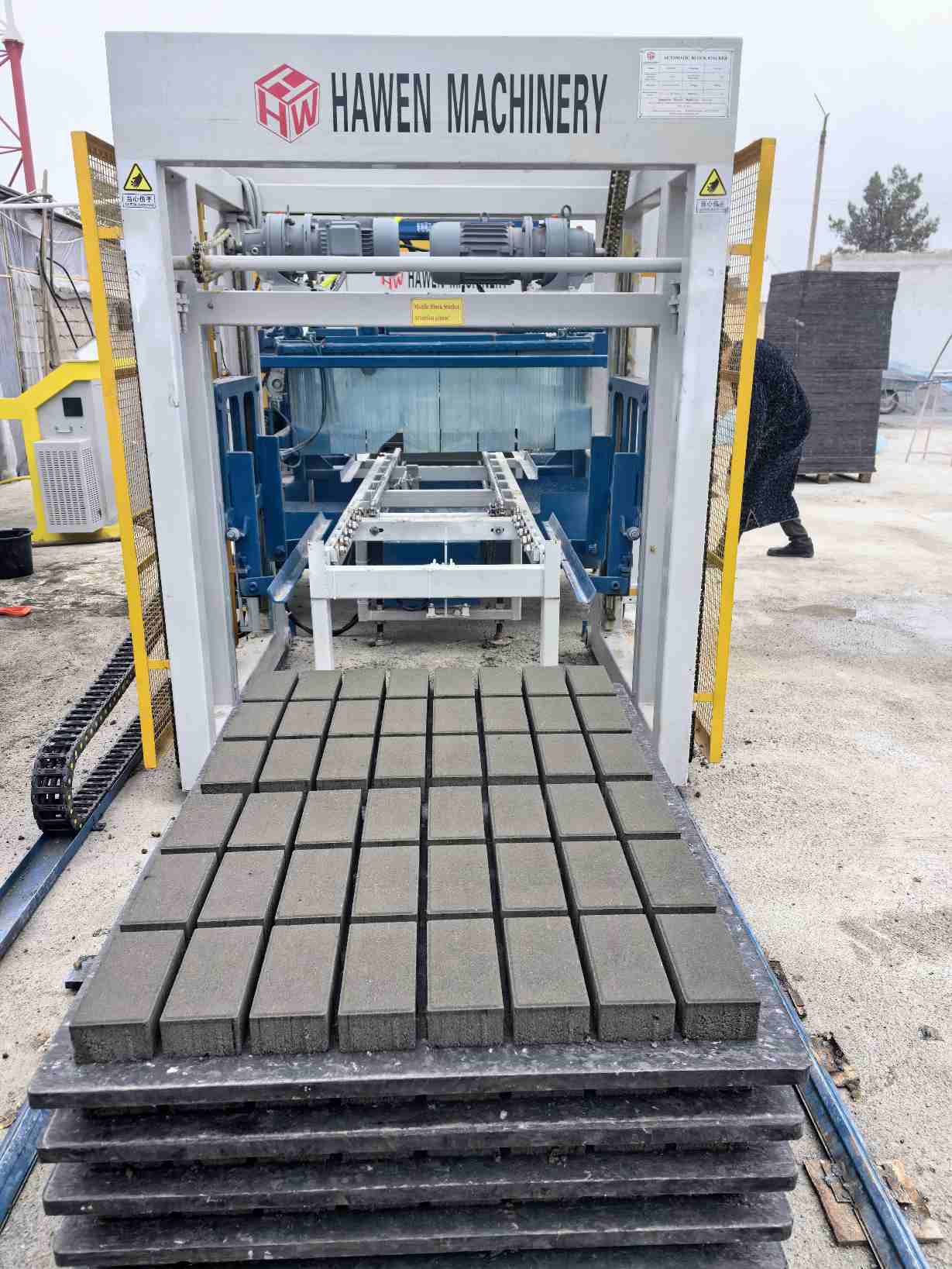
During the forming cycle of a block making machine, the concrete is filled into the mould, compacted by vibration, and pressed into the required shape. After forming, the product needs to separate from the mould as the mould and pressing system move through the demoulding process.
If the concrete adheres to the mould surface or the product does not have enough strength to maintain its shape, the block may stick during demoulding. The problem can occur with hollow blocks, solid blocks, pavers, and other concrete products, although the specific cause may be different.
Process note: Before changing the demoulding speed or machine settings, check the concrete mix, mould condition, and forming process. A demoulding problem is often related to conditions earlier in the production cycle.
Concrete Mix and Moisture
Concrete moisture is one of the first factors to check when a block sticks to the mould. If the mix contains too much water, the concrete can become more adhesive and may not maintain sufficient shape immediately after forming.
On the other hand, a mix that is too dry may not fill the mould cavities properly and can create weak areas around the product edges. This can also make demoulding unstable.
For this reason, operators should check the actual condition of the concrete rather than changing the demoulding setting alone. Aggregate moisture, cement content, mixing time, and material proportions can all influence the behavior of the fresh concrete.
Mould Condition
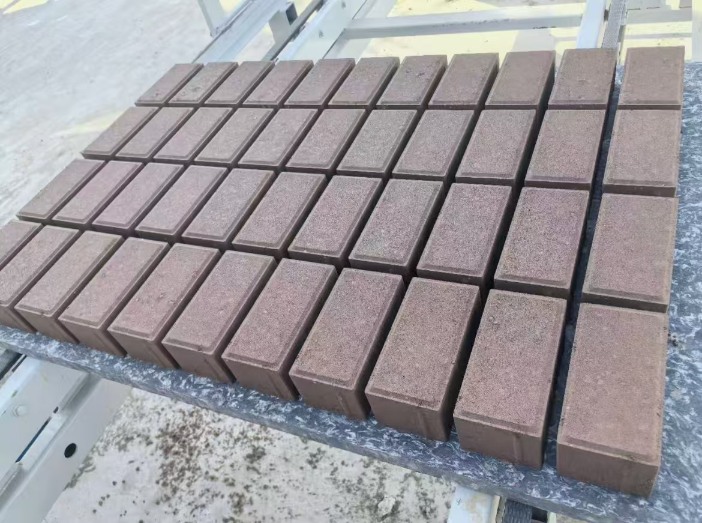
The condition of the concrete block mould directly affects how easily the fresh product separates from the mould. Concrete residue, rust, damaged surfaces, or excessive wear inside the mould cavities can increase resistance during demoulding.
Mould cavities should be kept clean and inspected regularly. Small changes in the mould surface may become more noticeable after many production cycles, especially when the same mould is used continuously.
The clearance between mould components should also be checked according to the mould design. If the mould does not move correctly during forming and demoulding, the product may experience additional resistance when it is released.
The forming process also affects demoulding. If the concrete is not distributed evenly inside the mould, some cavities may contain more material than others. Uneven filling can create different levels of resistance when the products are released.
Vibration helps the concrete move into the mould cavities and improves compaction. However, the vibration time and intensity need to match the concrete mix and product type. Insufficient vibration may leave poorly compacted areas, while excessive vibration can change the material distribution inside the mould.
When only one or several cavities show sticking while the others work normally, operators should compare the material filling and mould condition of those specific cavities before changing the entire machine setting.
Demoulding System
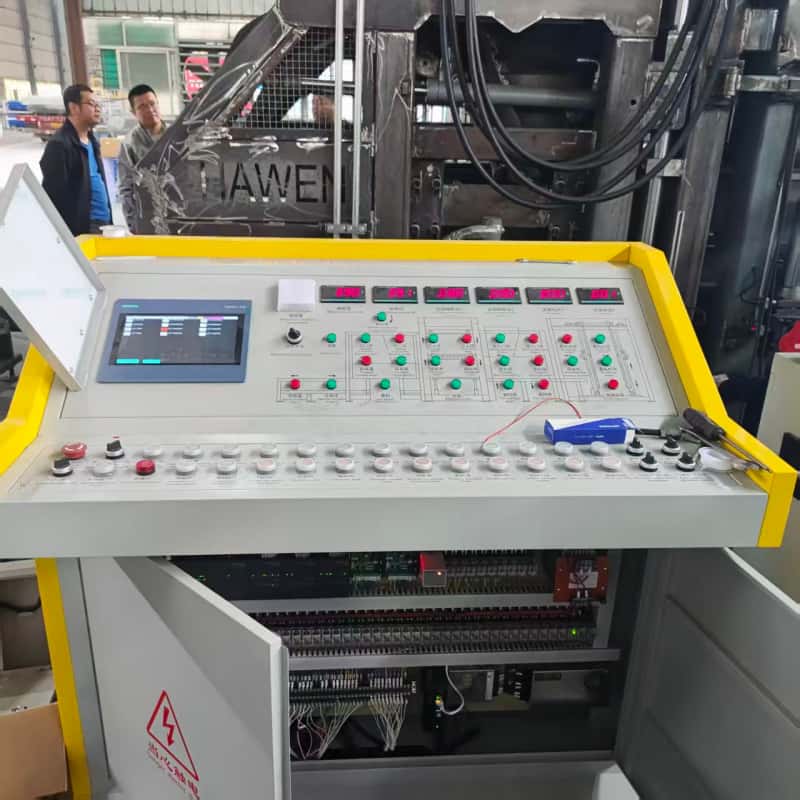
The movement of the mould and pressing components should be stable during demoulding. If the mould rises too quickly, moves unevenly, or does not maintain the correct position, the fresh block can be pulled or damaged instead of being released smoothly.
The hydraulic system, mechanical guides, sensors, and mould positioning should therefore be checked when sticking occurs repeatedly. Hydraulic pressure and movement speed should remain stable throughout the forming cycle.
In an automatic production line, the timing between pressing, mould lifting, product support, and pallet movement is also important. A small sequence error can affect the demoulding result even when the concrete and mould are in normal condition.
Hawen Machinery Note
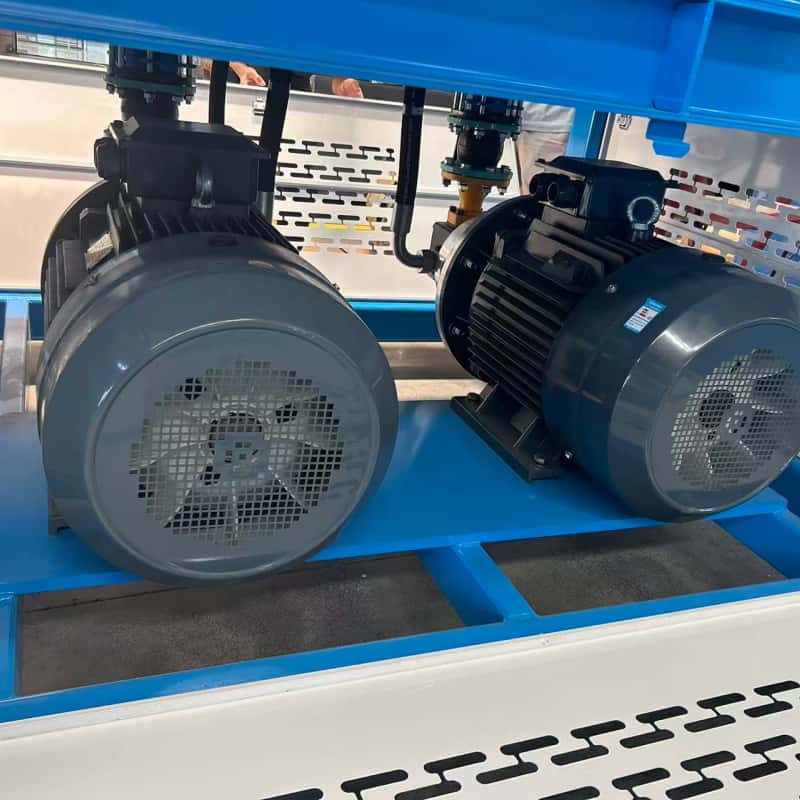
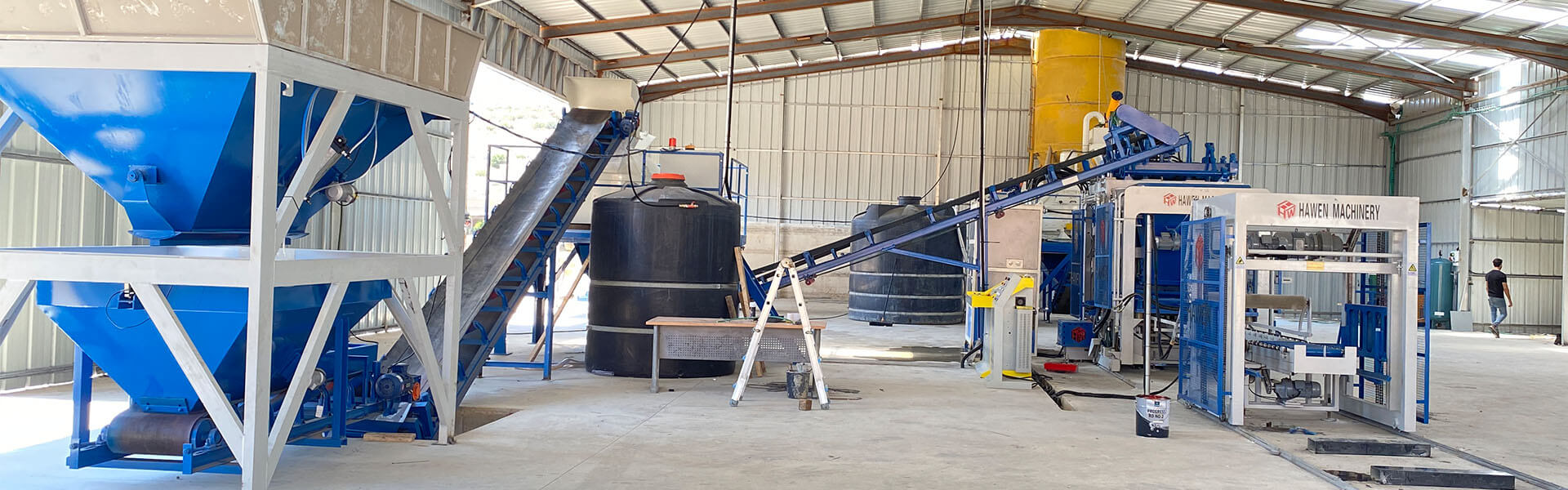
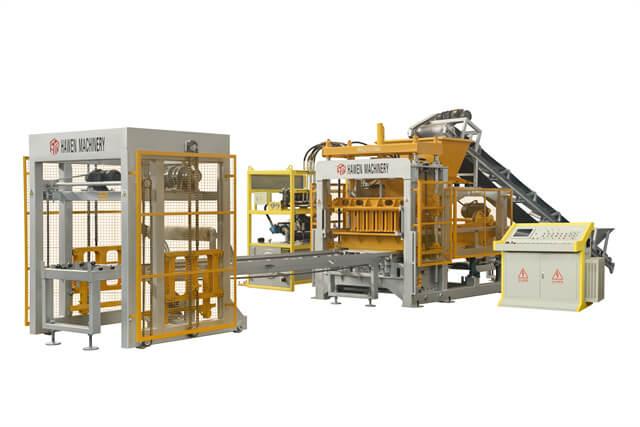
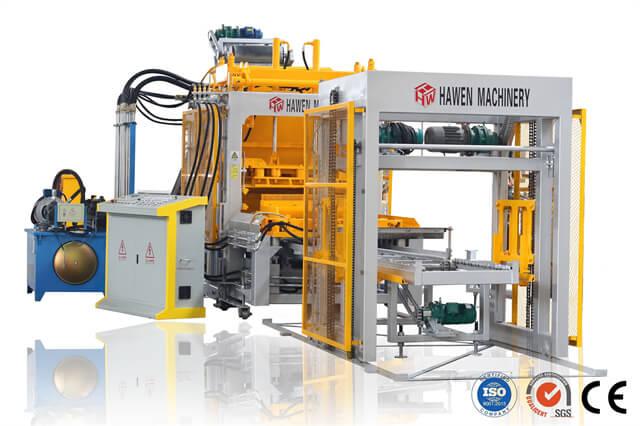
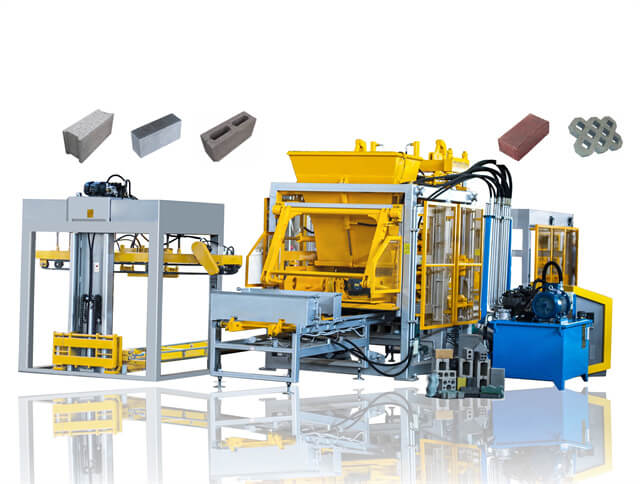
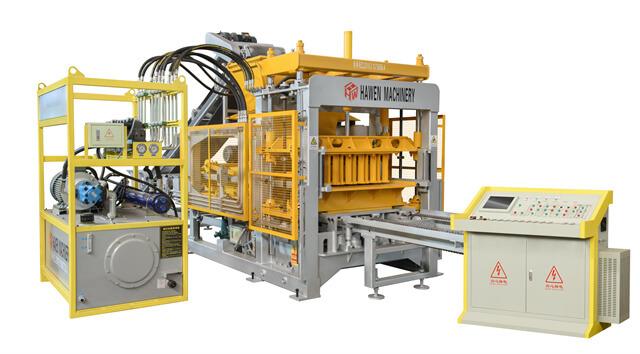
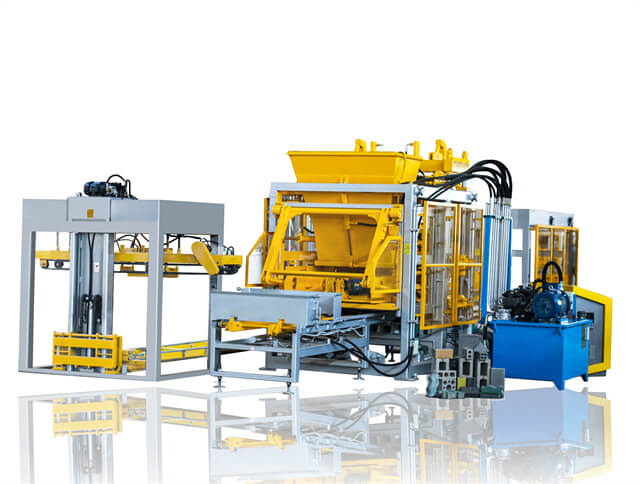
Hawen Machinery automatic block making machines use hydraulic forming systems and controlled mould movement for the forming and demoulding process. The hydraulic system controls the movement of the pressing and mould components, while the vibration system supports concrete compaction before demoulding.
The hydraulic system uses YUKEN proportional and directional valves together with an ALBERT hydraulic pump. The movement of different hydraulic actions can be controlled according to the forming sequence, helping maintain stable mould movement during continuous production.
When commissioning a new mould or changing to a different concrete product, the forming parameters should be checked together with the mould dimensions and concrete mix. Trial production can be used to confirm whether the product separates smoothly and maintains its shape after demoulding.
Production Checklist
- Check concrete moisture and material proportions before changing machine parameters.
- Clean the mould cavities and inspect them for residue, rust, damage, or excessive wear.
- Check whether the concrete is being distributed evenly across all mould cavities.
- Observe vibration and pressing conditions during the forming cycle.
- Check mould movement, hydraulic pressure, guides, and positioning during demoulding.
- Compare different mould cavities to determine whether the problem is general or localized.
A smooth demoulding process depends on several connected conditions. The concrete must have suitable moisture and consistency, the mould should remain clean and properly maintained, and the forming and hydraulic movements should work together. Checking these factors in sequence is usually more effective than changing one machine parameter repeatedly.
FAQ
Why does fresh concrete stick to the mould?
Common factors include excessive moisture, mould residue, mould surface damage, uneven filling, insufficient compaction, or unstable demoulding movement.
Can too much water cause block sticking?
Yes. Excessive moisture can make the fresh concrete more adhesive and reduce its ability to maintain its shape during demoulding.
Why does only one mould cavity have a sticking problem?
A localized problem may be related to residue, wear, damage, or uneven material filling in that particular cavity. Inspect the affected cavity before changing the whole machine setting.
Should vibration time be increased when blocks stick to the mould?
Not necessarily. Check concrete moisture, mould condition, filling, and demoulding movement first. Vibration should be adjusted according to the actual forming condition.
Can hydraulic movement affect demoulding?
Yes. Unstable hydraulic pressure, incorrect movement speed, or inaccurate mould positioning can affect how smoothly the product separates from the mould.
```





 Tel: +86-13905968794
 Email: export@hwmachines.com
 MP/WhatsApp: +86-13905968794
 Manufacturer Address:Nanan,Quanzhou City,Fujian Province,China