How to Prevent Cracks in Concrete Kerbstones During Early Curing is a practical question for any factory that wants stable output instead of daily firefighting. When early curing cracks is ignored, the block machine may still run, but the finished blocks often show thin cracks along corners, surface lines, and rejected kerbstones after first handling. A good brick machine line needs process discipline before it needs more speed.
Why it matters
Early curing cracks affects product appearance, density, cycle stability, and customer confidence. If the problem is corrected late, operators may add cement, slow the line, or reject products that could have been saved by better control. For a block making machine, the best result comes from stable material behavior and repeatable machine movement.
Industry note: In concrete product factories, surface defects and strength variation are usually process signals. They should be traced through batching, mixing, forming, curing, and handling instead of treated as isolated faults.
Common causes
The common cause is that products lose moisture too quickly, pallets are moved too early, or the mix is too dry for the mold geometry. The issue may start at the aggregate batching machine, continue through the concrete mixer, and finally appear in the mold box. That is why a brick making machine operator should read the whole line, not only the final product.
Also check whether the cement silo feeds smoothly, whether the GMT pallet is flat, and whether the mold surface is clean. Small deviations are easy to miss during a busy shift, but they become visible after curing.
Practical solutions
The practical solution is to control first-hour handling, keep curing conditions stable, and adjust moisture before increasing pressure. Start with a short trial run. Compare fresh height, surface texture, corner strength, and demoulding behavior. Then change only one parameter at a time so the team knows what actually improved the result.
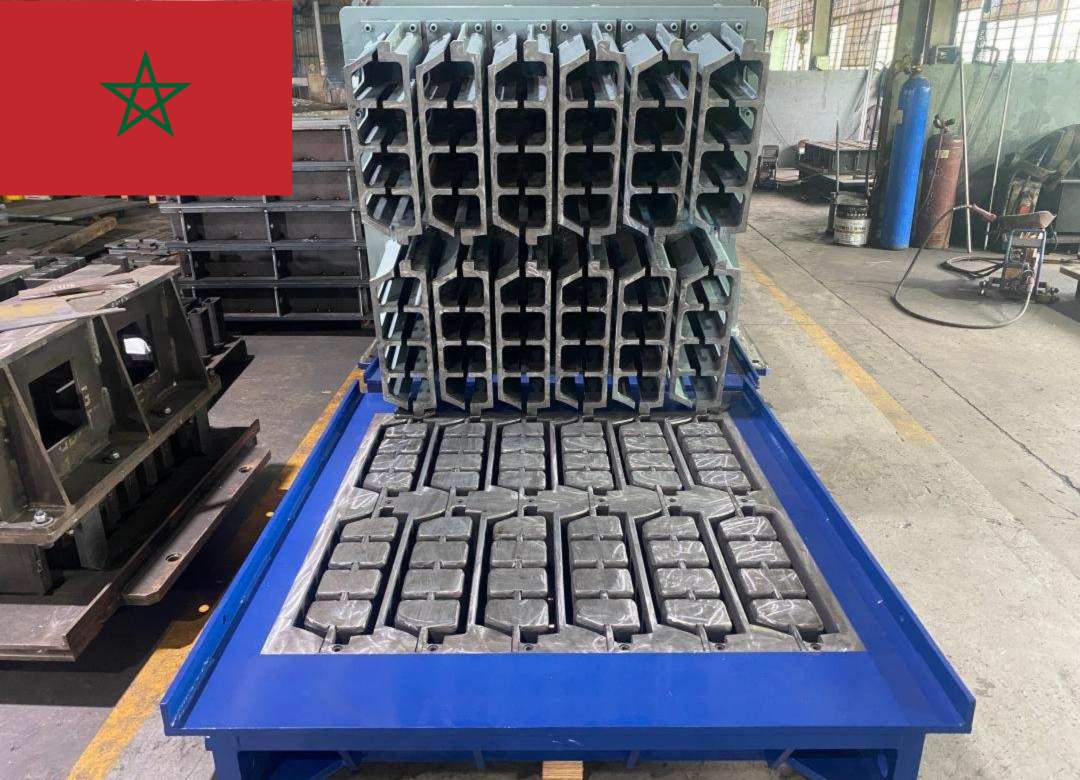
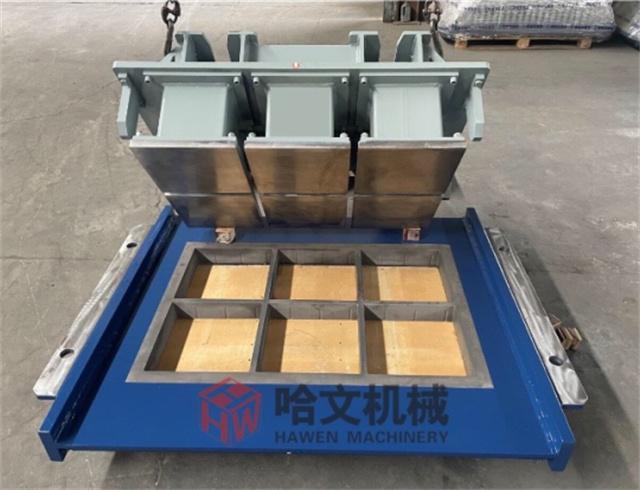
For mold-related products, inspect the hollow block mould, interlocking paver mould, and curb stone mould according to the product being made. A precise mold cannot correct an unstable mix, but a worn or dirty mold can ruin a well-prepared mix.
Hawen Machinery solution
Hawen Machinery manufactures molds compatible with major block machine brands such as Masa, Hess, Zenith, Poyatos, Besser, Tiger, Columbia, Quadra, and Omag. Molds are built to original-style specifications, heat-treated for wear resistance, and checked to HRC59-61 hardness for reliable production.
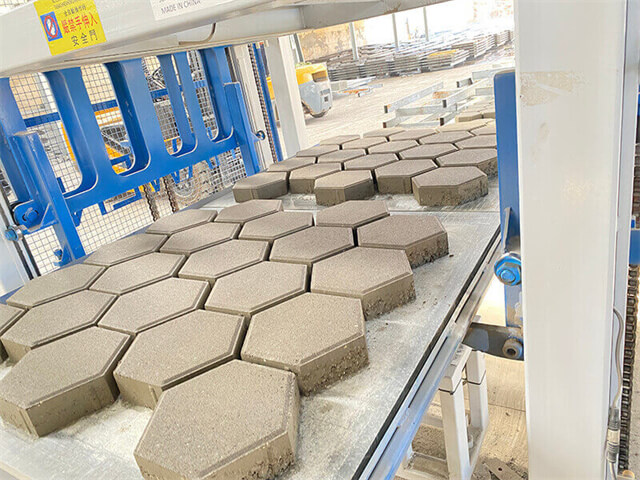
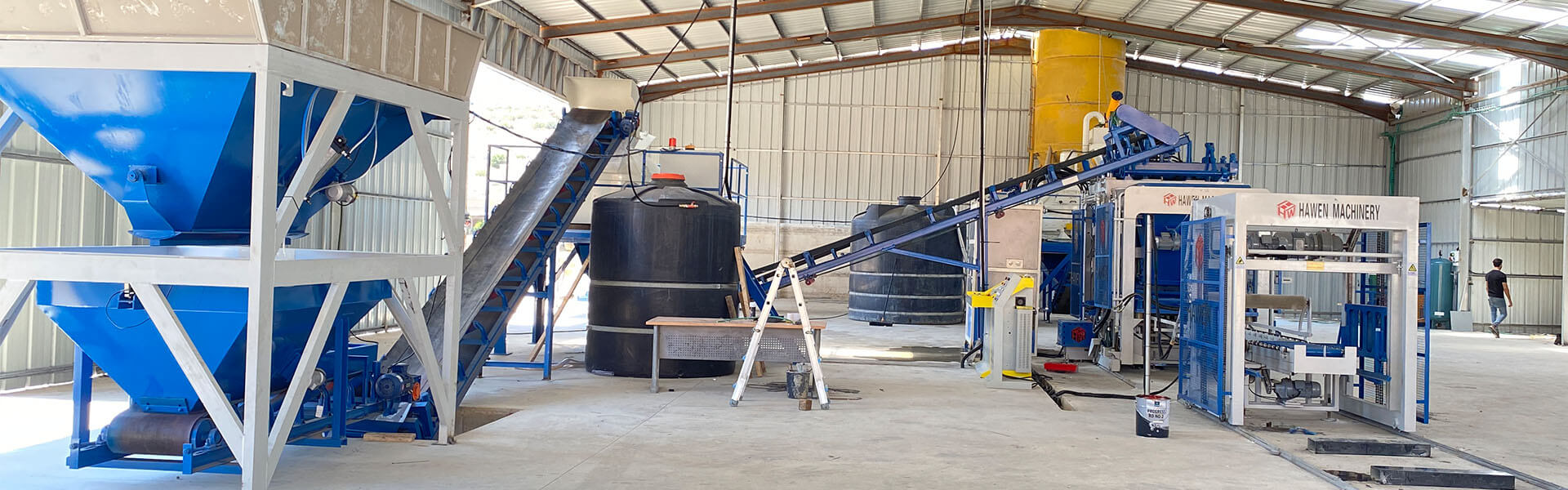
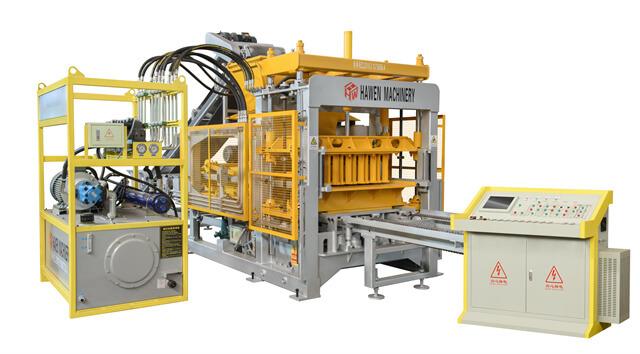
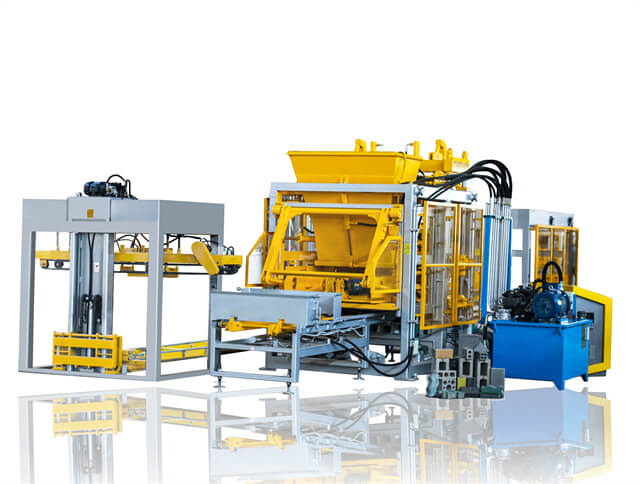
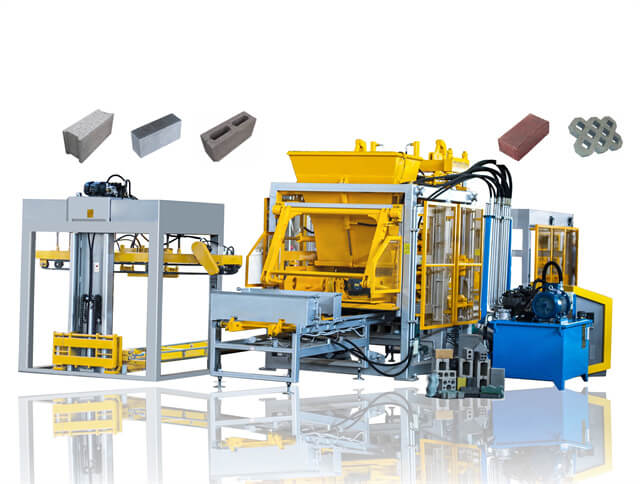
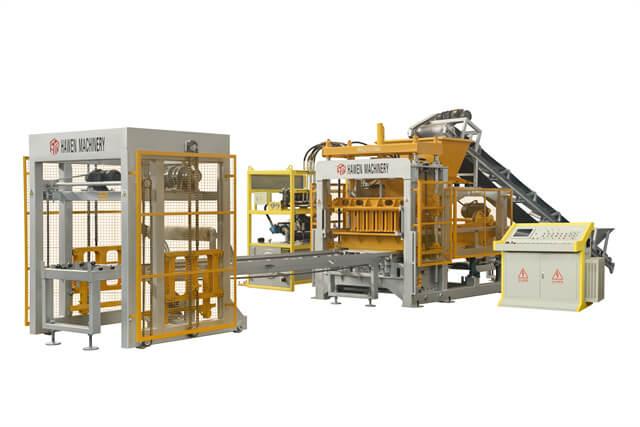
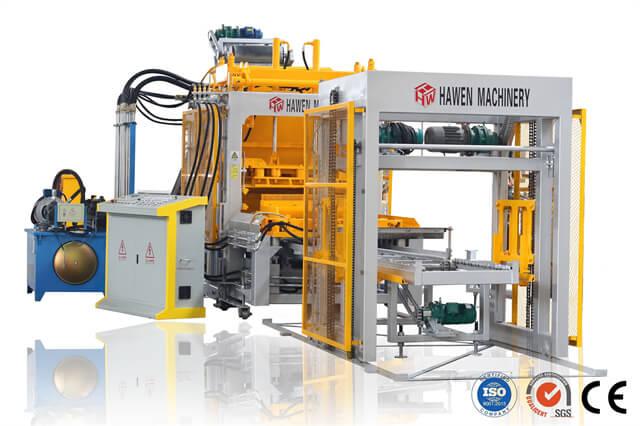
Customers can match the automatic pallet provider, automatic offline palletizing system, and main forming machine according to plant space and labor plan. This makes the production flow easier to control from raw material input to finished product stacking.
Operating checklist
- Record the product type, mold size, material moisture, and operator settings before adjustment.
- Inspect feeding, vibration, hydraulic movement, pallet condition, and curing flow in sequence.
- Run several pallets and compare fresh blocks before changing the next parameter.
- Keep the best setting as a standard recipe for the same product.
When a factory treats every setting as part of one controlled system, the QT12 automatic hydraulic hollow block production line becomes more than equipment. It becomes a repeatable production method, turning raw aggregates into products that carry the same geometry, strength, and trust from pallet to pallet.
FAQ
What is the first thing to check when early curing cracks creates defects?
Start with material moisture and grading, then check feeding movement, vibration timing, pallet flatness, and mold cleanliness.
Should operators increase cement immediately?
No. More cement may hide the symptom for a short time, but it raises cost and may not solve the root cause.
Can one setting work for every product?
Usually not. Hollow blocks, solid blocks, pavers, and kerbstones need different material behavior and forming parameters.
How many trial pallets are useful before mass production?
Use enough trial pallets to see whether the result is repeatable across cavities and across several cycles.
Why does the same machine produce different quality on different days?
Moisture, aggregate grading, operator settings, pallet condition, and curing environment can change from shift to shift.
How does Hawen Machinery help reduce process variation?
Hawen combines line planning, PLC control, vibration design, mold support, and after-sales guidance so customers can stabilize production step by step.






 Tel: +86-13905968794
 Email: export@hwmachines.com
 MP/WhatsApp: +86-13905968794
 Manufacturer Address:Nanan,Quanzhou City,Fujian Province,China