Many customers who plan to produce concrete pavers ask the same question: should the plant make single-layer pavers or face-mix pavers? Both can be profitable, but they serve different markets and require different equipment discipline. A single-layer paver is simpler to produce. A face-mix paver can offer a finer surface, richer color, and stronger visual appeal, but it requires better control of feeding, mixing, moisture, and mold release.
This article explains how to choose between single-layer and face-mix paver production when buying a concrete block machine or upgrading an existing brick machine plant.
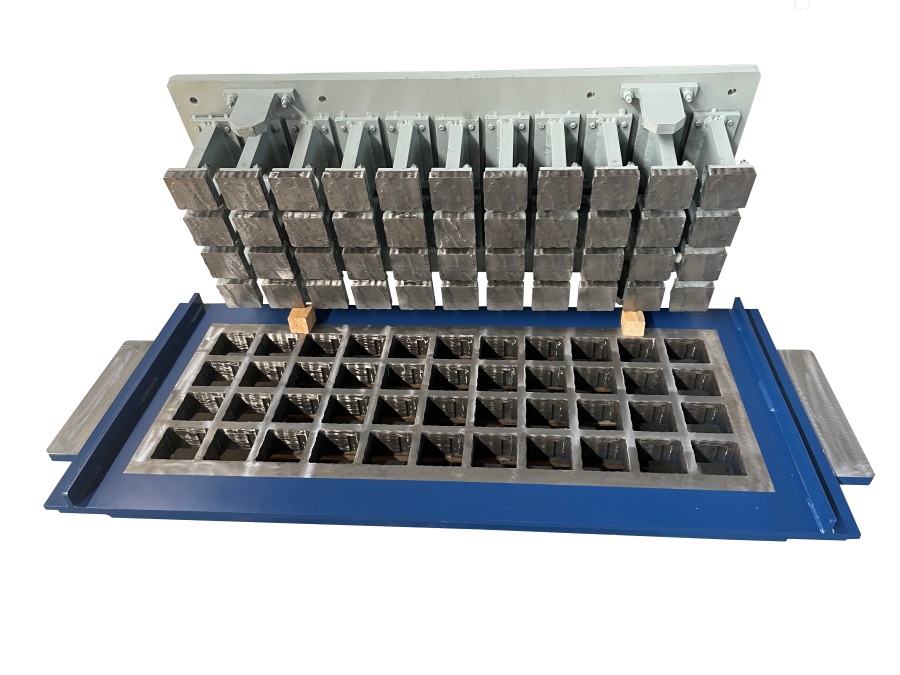
What single-layer and face-mix mean
A single-layer paver uses one concrete mix through the full thickness of the product. The same mix forms the base, edges, and visible surface. It is easier to manage and can be suitable for standard paving projects where cost, output, and durability are the main priorities.
A face-mix paver uses a base mix for the body and a finer surface mix for the visible layer. The surface layer may include finer aggregate, pigment, and a different texture target. This method can produce a more refined appearance, but it requires more precise feeding and timing from the block making machine.
Product quality and market position
Single-layer pavers are often chosen for basic roads, industrial yards, and cost-sensitive projects. They can be strong and reliable when material, compaction, and curing are controlled. A brick machine with stable vibration and good mold quality can produce consistent single-layer pavers efficiently.
Face-mix pavers are usually selected when appearance matters more. Commercial plazas, sidewalks, garden paths, and architectural projects may need better color consistency and surface texture. The buyer should confirm whether the local market will pay for this higher visual quality before investing in extra equipment.
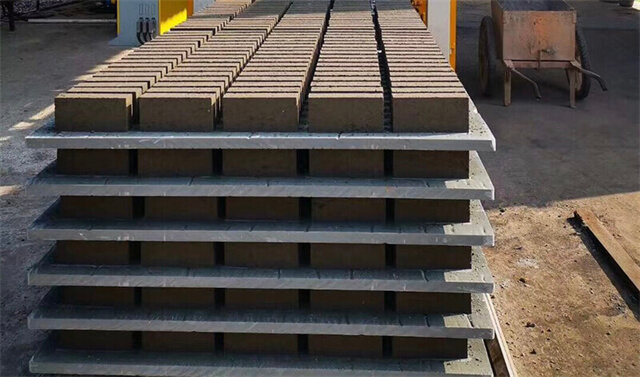
Equipment differences
Single-layer production usually needs one main mix feeding system. Face-mix production may need separate handling for base mix and surface mix. This can involve additional feeding devices, more careful material transfer, and stricter timing. The batching machine, mixer, and hopper arrangement must support the selected production method.
For face-mix pavers, the concrete mixer must prepare a surface mix that is fine and uniform. A planetary concrete mixer is often suitable where color distribution and fine material blending are important. A twin-shaft concrete mixer can be used for strong base mix production where robust mixing and fast discharge are priorities.
Downstream flow also changes. Face-mix products may need more careful curing and handling because customers inspect the visible surface more closely. An automatic offline palletizing system can help reduce random manual impact after curing.
Mixing, color, and moisture control
Color consistency is one of the main challenges in face-mix production. Pigment, cement, fine aggregate, moisture, mixing time, and surface layer thickness must remain stable. If moisture changes, the surface may show color bands or rough texture. If feeding timing is unstable, the face layer may not spread evenly.
A cement silo and controlled aggregate dosing help keep the mix stable. Operators should record pigment use, water correction, first-board appearance, and curing condition. Face-mix pavers need more process memory than basic single-layer products.
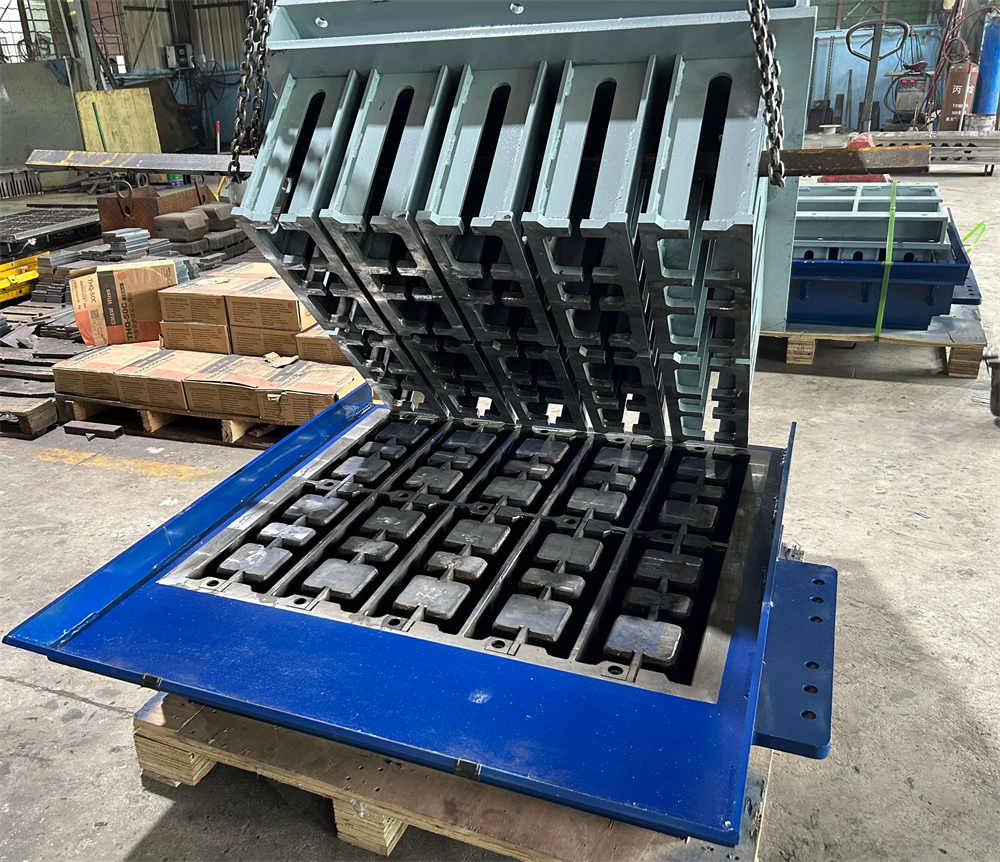
Mold and vibration requirements
Mold design is critical for both methods. Hawen Machinery designs molds compatible with Masa, Hess, Zenith, Poyatos, Besser, Tiger, Columbia, Quadra, Omag, and other recognized block machine brands. The molds follow original specifications, are heat-treated for wear resistance, and are checked at HRC59-61 hardness. For pavers, a precise concrete block mould protects edge shape and surface uniformity.
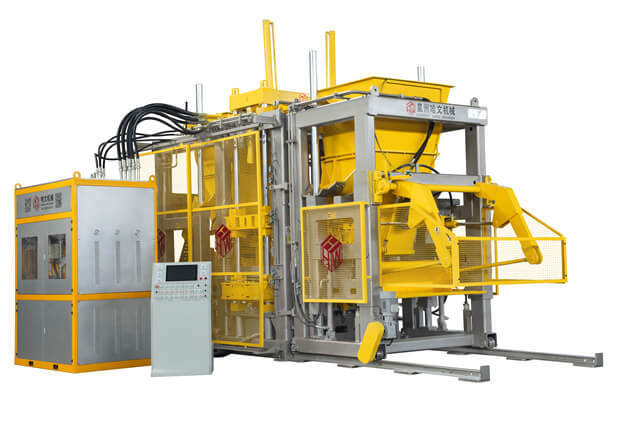
Hawen Machinery uses a four-shaft vibration box design with eccentric blocks positioned outside the housing. This reduces vibration resistance and supports uniform compaction. For single-layer pavers, it helps density and strength. For face-mix pavers, it helps the base and surface layer form as a stable product without excessive cement use.
How to choose the right setup
Choose single-layer production if your market values cost control, standard product supply, and simpler operation. Choose face-mix production if customers pay for better appearance, color, and surface texture, and if your team can manage tighter material control. Do not choose face-mix only because it sounds advanced. Choose it because your market and factory discipline support it.
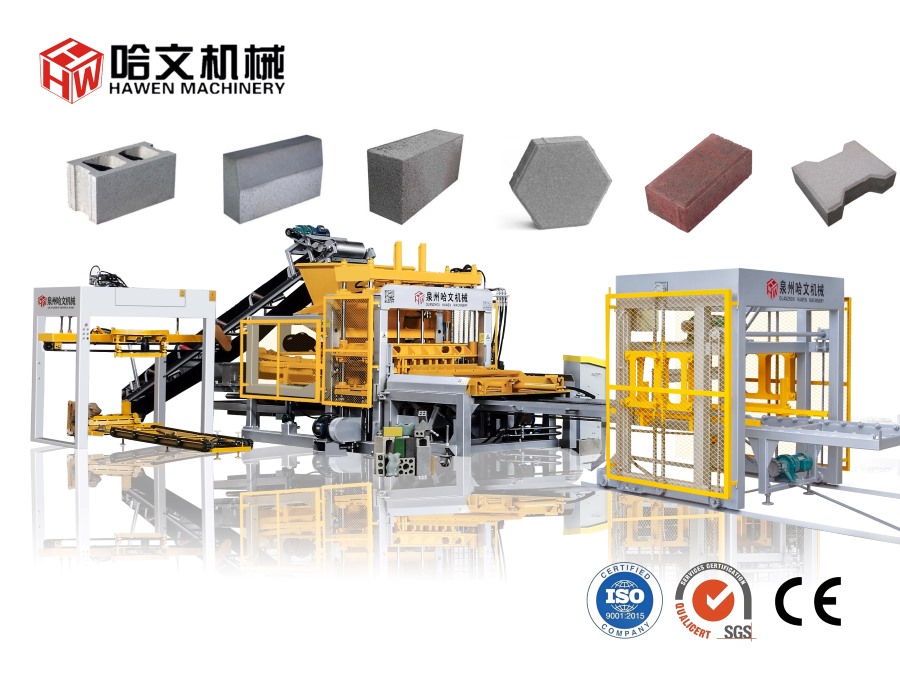
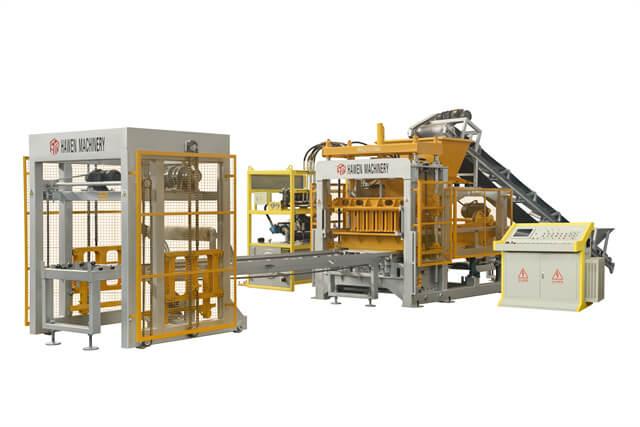
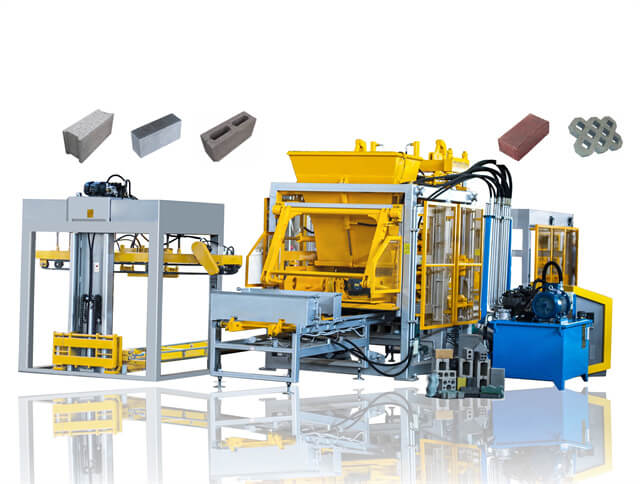
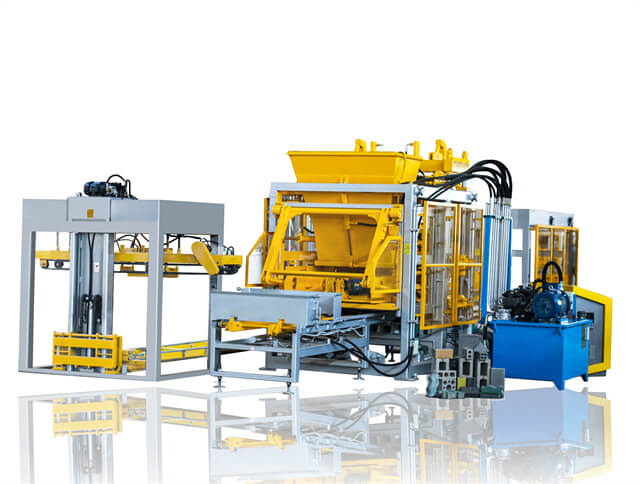
For buyers comparing equipment stages, a block making machine may be enough for simple products, while a more complete brick making machine line can support more demanding paver programs when feeding, pallets, and curing are ready.
Hawen Machinery can help customers compare product drawings, local market demand, mixer configuration, mold design, pallet flow, curing space, and automation level. The right choice is not the most complicated system. It is the system that turns your material, labor, and market into reliable daily production.
When paver production is chosen wisely, the block machine becomes more than a forming machine. It becomes a market tool: shaping not only concrete, but the reputation of the factory in every street, courtyard, and public space where those pavers are laid.
FAQ
Are face-mix pavers always better than single-layer pavers?
No. Face-mix pavers can offer better appearance, but single-layer pavers may be more practical for cost-sensitive and high-volume projects.
Does face-mix production need two mixers?
Some plants use separate mixing arrangements for base and face materials. The exact setup depends on output target and product requirement.
Why do face-mix pavers show color variation?
Pigment dosing, moisture, mixing time, surface layer thickness, and curing conditions can all affect color consistency.
Can one block machine produce both types?
Yes, if the machine configuration, feeding system, molds, and operating parameters support both methods.
Which setup is easier for a new factory?
Single-layer production is usually easier to start. Face-mix production requires stronger process control and operator training.
Can Hawen Machinery recommend a paver setup?
Yes. Hawen can review product samples, market positioning, budget, mixer choice, mold design, and automation level before recommending a setup.





 Tel: +86-13905968794
 Email: export@hwmachines.com
 MP/WhatsApp: +86-13905968794
 Manufacturer Address:Nanan,Quanzhou City,Fujian Province,China