Dust in a concrete block machine plant is not only a housekeeping problem. Cement powder, dry sand, stone dust, fly ash, and fine aggregate can escape during unloading, batching, conveying, mixing, mold cleaning, pallet cleaning, and finished-product handling. Uncontrolled dust can affect worker health, contaminate electrical cabinets, interfere with sensors, increase material loss, and make the factory harder to maintain.
This guide explains how to identify and control dust in a block making machine plant. It focuses on practical engineering controls, storage and transfer design, cleaning methods, equipment maintenance, worker procedures, and ongoing verification. Requirements differ by country and material, so factories should also follow local occupational-health rules and obtain qualified exposure assessment where needed.
Map the Dust Before Choosing Equipment
Identify each dust source
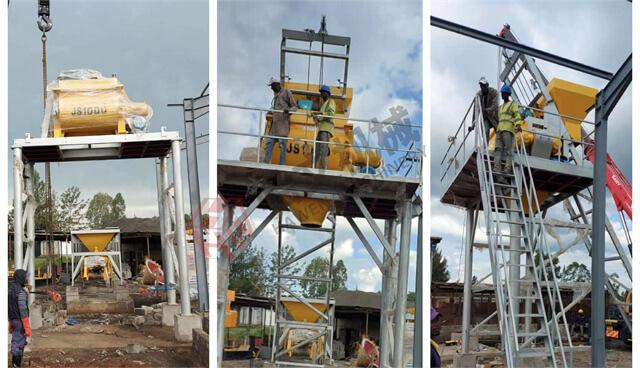
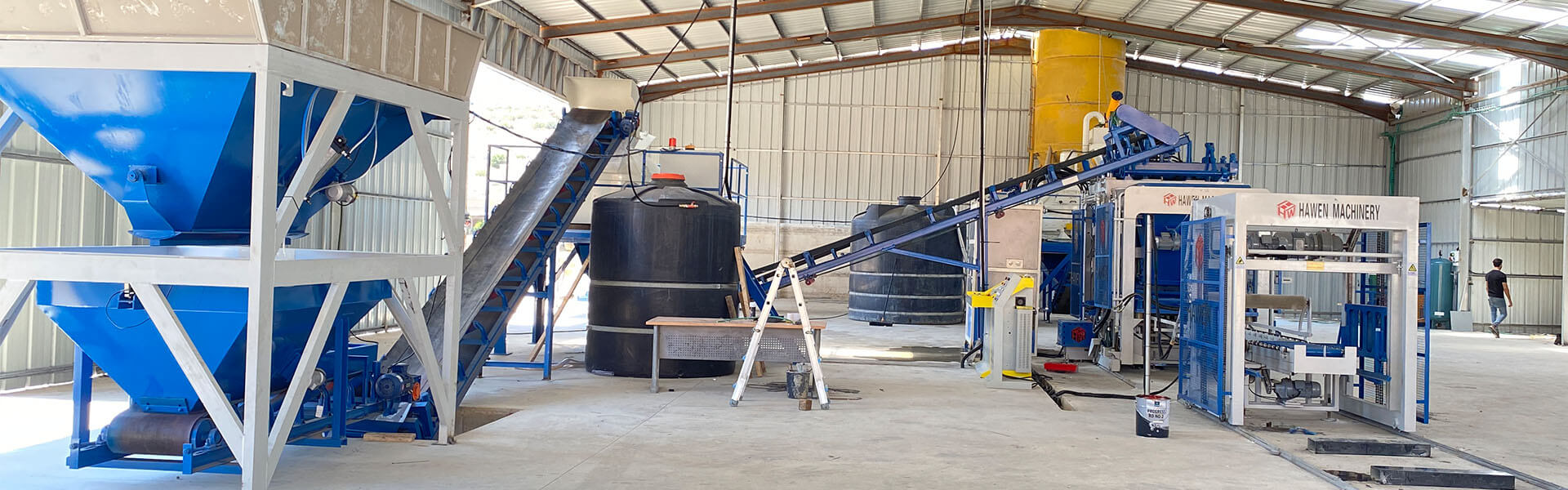
A useful dust-control plan starts with a process map. Walk through the full brick making machine plant from truck unloading to finished-product storage. Mark every point where dry material falls, changes direction, enters a hopper, leaves a conveyor, or is cleaned from equipment. Dust often comes from transfer points rather than the main block machine itself.
Common sources include cement-tanker connection, silo filter discharge, aggregate tipping, loader movement, dry sand, batching-bin gates, conveyor transfers, skip-hoist charging, mixer loading, mold cleaning, broken-product recycling, pallet brushing, and floor cleanup. Wind direction and open factory doors can spread dust from one area into another.
The factory should observe normal production, material delivery, product changeover, cleaning, and maintenance. A process may look clean while the line is running but release heavy dust when a filter is emptied or a blocked chute is opened.
Safety note: Sand, stone, concrete, and masonry materials may contain crystalline silica. NIOSH identifies concrete and brick manufacturing among activities where respirable silica exposure can occur. A factory should not judge respirable-dust risk by visible dust alone.
| Dust source | Primary control direction | Inspection point |
|---|
| Cement unloading and silo | Closed connection, maintained filtration, level control | Hoses, couplings, filter condition, pressure behavior |
| Aggregate tipping | Lower drop height, enclosure, moisture management | Loader route, bin walls, wind exposure, spilled fines |
| Conveyor transfer | Covered transfer, controlled discharge, extraction where needed | Skirts, covers, seals, belt alignment, material buildup |
| Mixer loading | Enclosed charging and local extraction | Lid, charging chute, vent, filter, inspection openings |
| Cleaning | Suitable vacuum or controlled wet method | Dry sweeping, compressed-air use, waste disposal route |
Control Dust Where Materials Enter the Plant
Control dust at storage and unloading
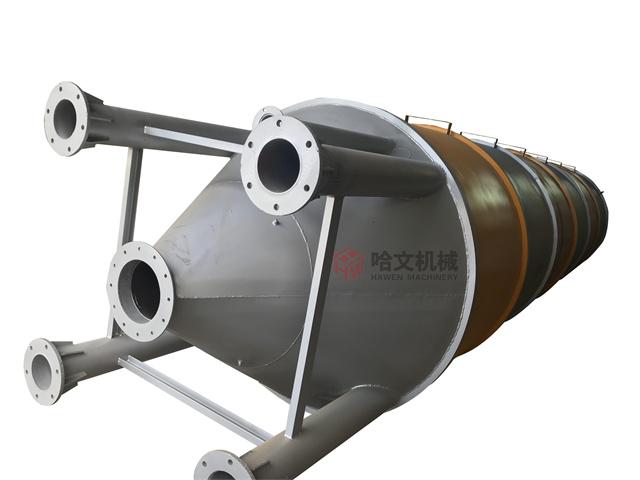
Cement delivery should use a closed transfer connection between the tanker and silo. Hoses, couplings, filters, pressure-relief devices, and level devices should be inspected according to the equipment instructions. Overfilling, blocked filtration, damaged seals, or poorly connected hoses can release large amounts of powder in a short time.
The cement silo should be located where delivery vehicles can connect without crossing wet-product or forklift routes. Filters need safe maintenance access. Collected powder should be handled without creating a second dust cloud during disposal or return to the process.
Aggregate yards need separation, drainage, and sensible moisture control. Completely dry fine material can become dusty during loader movement, while uncontrolled wetting can damage batching accuracy and mix consistency. Water suppression should therefore be designed carefully and should not create mud, slippery floors, or unknown water entering the concrete recipe.
Keep loader drop height as low as practical. Protect fine-material bins from strong crosswind. Clean spilled material before vehicles grind it into finer dust. If trucks deliver very dry powdery material, the plant should agree on unloading and control procedures before delivery starts.
Enclose batching and transfer points
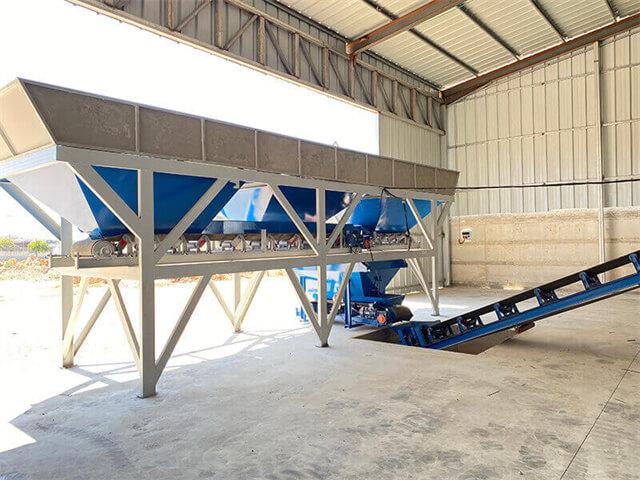
Batching bins, discharge gates, conveyors, and skip hoists can release dust every time material falls. Reducing free-fall distance is often useful. Covers, side skirts, enclosed chutes, and correctly placed extraction can capture dust before it spreads through the building.
A dust-control enclosure must still allow inspection and maintenance. If access is too difficult, operators may leave covers open or remove them permanently. Design doors, inspection panels, and cleanout points so that routine work can be completed without defeating the control.
Local exhaust ventilation should be positioned close enough to the source to capture dust without pulling excessive usable material out of the process. Airflow, ducting, filter selection, discharge, and replacement intervals should be designed or reviewed by qualified personnel. A fan alone is not automatically an effective control.
NIOSH guidance emphasizes engineering controls such as local exhaust ventilation, water methods where appropriate, and process enclosures. These controls act before dust reaches the worker and should be maintained as production equipment, not treated as optional accessories.
Reduce dust around the mixer
Mixer charging combines several dusty materials at one point. Cement and fine aggregate may become airborne when they enter an open mixer or fall from a high chute. The mixer should use a suitable lid, charging connection, inspection access, and ventilation arrangement. Openings should remain closed during normal operation unless the process requires access.
A concrete mixer must be matched to batch size and feeding method. A planetary concrete mixer may suit products requiring uniform fine-material distribution. Regardless of mixer type, charging order and moisture timing can affect dust. Introducing controlled moisture at the proper stage may reduce airborne fines, but water must remain consistent with the block recipe.
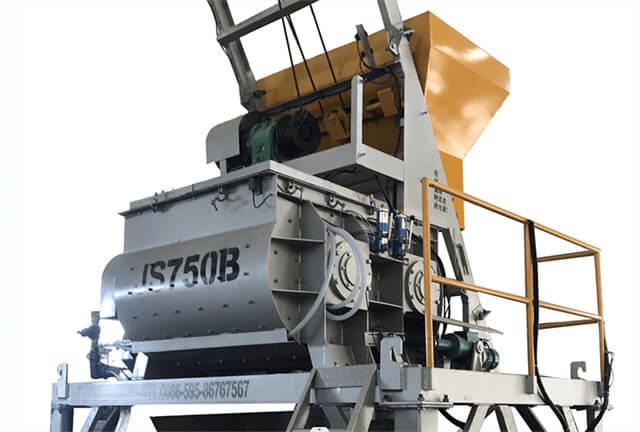
Do not open the mixer simply to check the material while dusty charging is active. Use safe viewing, sampling, and lockout procedures appropriate to the plant. Mixer filters, vents, and seals should be included in planned maintenance because a blocked vent can move dust to another opening.
Control Dust Around Forming and Cleaning
The forming section receives damp material, so it may generate less airborne dust than dry batching. However, dried buildup, broken blocks, pallet debris, and aggressive cleaning can still release dust. Material around sensors, guides, mold mounts, and electrical components should be removed with a controlled method.
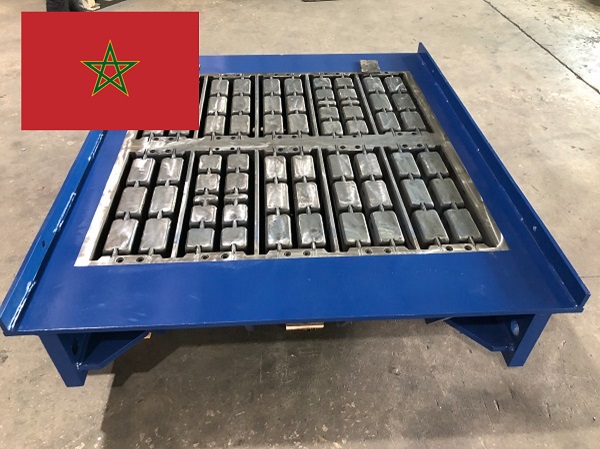
A hollow block mould, concrete block mould, or interlocking paver mould needs regular inspection. HAWEN Machinery produces molds compatible with brands including Masa, Hess, Zenith, Poyatos, Besser, Tiger, Columbia, Quadra, and Omag. They follow original specifications for accurate fit and smooth movement. Wear parts are heat-treated, with hardness checked at HRC 59-61.
Clean molds without damaging precision surfaces or forcing dust into bearings, sensors, and cabinets. If dried concrete requires frequent aggressive removal, investigate mix moisture, material buildup, scraper condition, and cleaning frequency. Prevention is easier than removing a thick hardened layer.
Use safe housekeeping methods
Housekeeping can either reduce dust or spread it. Dry sweeping and uncontrolled compressed-air cleaning can lift settled material back into the breathing zone and carry it throughout the plant. NIOSH safe-work guidance advises against dry sweeping or compressed air where these methods create hazardous dust, and recommends suitable alternatives such as controlled wet methods or appropriate vacuum systems.
Wet cleaning must be managed so water does not enter electrical systems, create slippery surfaces, affect stored materials, or flow into uncontrolled drains. Industrial vacuum equipment should be suitable for the dust and the work area. Filters, bags, hoses, and disposal methods need safe maintenance.
Set a cleaning schedule by area. Cement handling, batching, mixer platforms, forming equipment, pallet return, curing transfer, and finished-product areas do not need identical methods. Assign responsibility and record recurring spill points. If the same location becomes dusty every shift, correct the source instead of accepting cleanup as normal production.
Protect Machine Reliability and Workers
Protect controls sensors and hydraulics
Dust can reduce machine reliability. It may cover optical or proximity-sensor targets, block cabinet filters, trap heat, contaminate connectors, and hide small hydraulic leaks. Fine material mixed with oil becomes abrasive dirt around moving components.
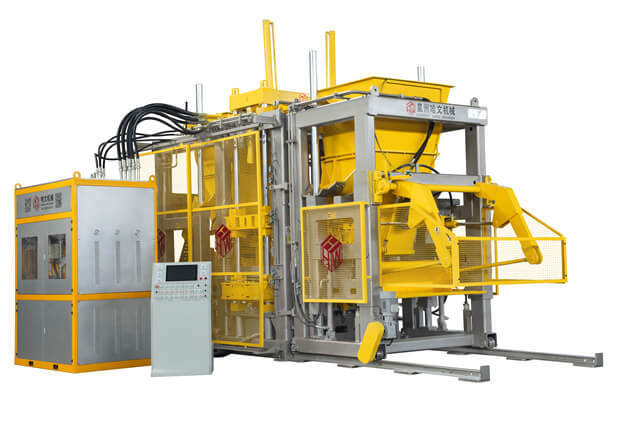
HAWEN Machinery integrates a Siemens S7-200 PLC with a touch panel and remote monitoring capability. The operating status of the block machine can be reviewed in real time, and parameters can be optimized remotely. Remote diagnosis is more effective when sensors, cabinets, and communication components are kept clean and maintained.
HAWEN block machines use a four-shaft vibration box with eccentric blocks outside the housing. The design reduces vibration resistance, promotes uniform compaction, and can lower unnecessary cement use while improving efficiency. Dust-control work around vibration equipment should respect machine shutdown and isolation procedures because loose clothing, hoses, or cleaning tools must not enter moving areas.
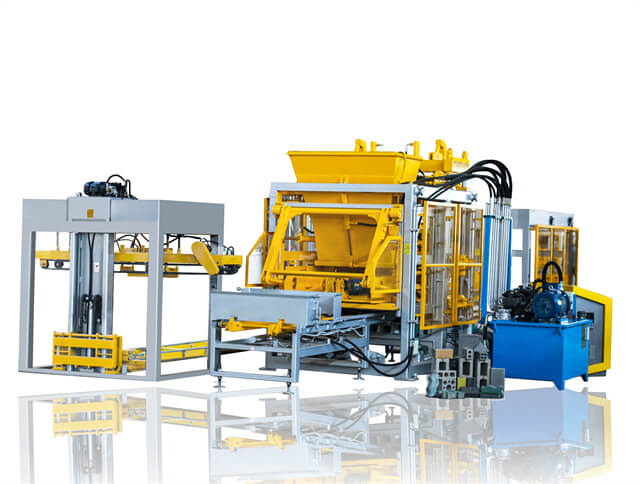
The hydraulic station uses Japanese YUKEN proportional and directional valves together with an American ALBERT hydraulic pump. Keeping the hydraulic area clean makes leakage easier to detect and helps protect components from abrasive contamination. Filters and oil condition should be maintained according to the machine plan, not only after a fault appears.
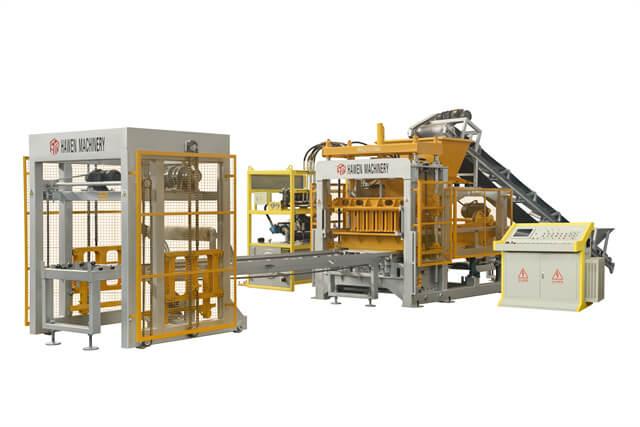
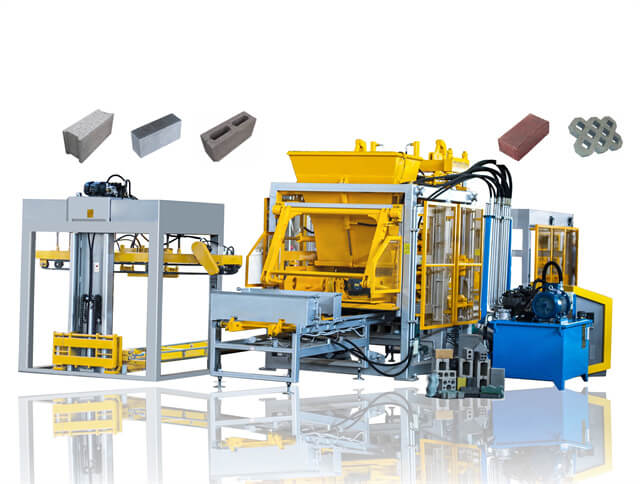
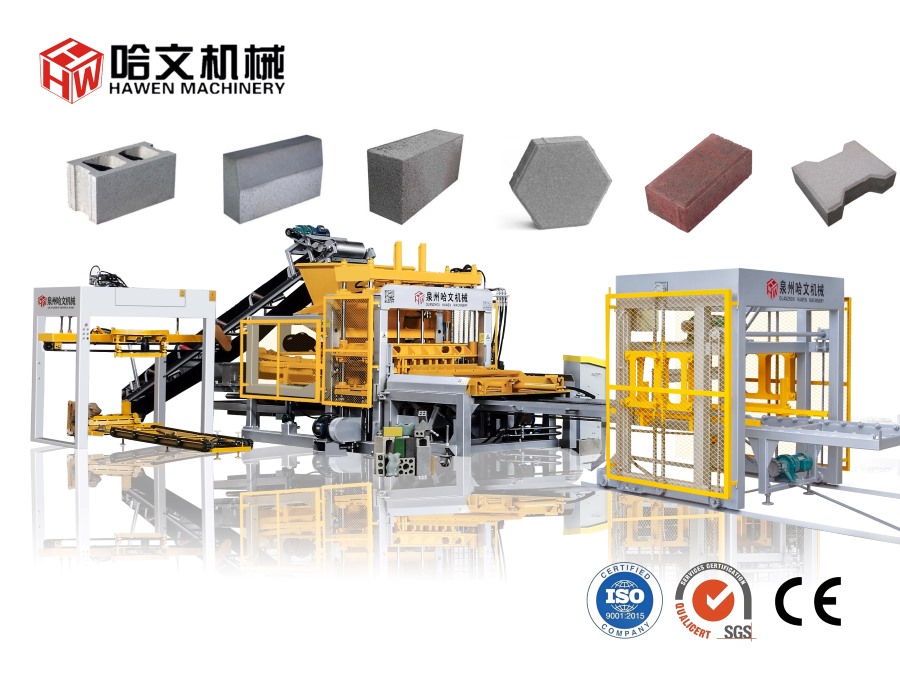
A fly ash brick paver making machine, solid cement block machine, or hydraulic hollow block production line should be laid out so operators can inspect and clean safely. Narrow inaccessible spaces often become long-term dust reservoirs.
Worker protection and exposure assessment
Engineering controls are the first priority because they reduce dust at the source. Work procedures, training, restricted access, housekeeping, and maintenance support those controls. Respiratory protection may still be required for certain tasks or exposures, but it should not be used as the only response to a dusty process.
Respirator selection, fit testing, training, filter choice, medical requirements, and replacement schedules should follow local law and qualified occupational-health advice. A random disposable mask is not a complete respiratory-protection program. Workers also need to understand which tasks generate dust and how to report failed controls.
Visible inspection cannot determine respirable crystalline silica exposure. Where silica-containing materials and dusty tasks are present, the factory should obtain appropriate exposure assessment from competent professionals. OSHA identifies concrete block and brick manufacturing as an industry segment with respiratory and silica hazards, while NIOSH provides sampling and engineering-control resources.
Production pallets and downstream handling also affect housekeeping. A clean, stable GMT pallet can reduce debris entering the return route. An automatic pallet provider and an automatic offline palletizing system should include accessible cleaning points so dried material does not build up around chains, rollers, and sensors.
Dust-control inspection checklist
A dust-control system must be checked regularly. Enclosures may be left open, extraction ducts may block, filters may overload, hoses may split, and workers may return to dry sweeping when production is busy. Inspection should confirm that controls still work under actual operating conditions.
| Inspection area | What to verify | Corrective direction |
|---|
| Silo and powder transfer | Connections, filters, seals, level control, spilled powder | Repair leaks and service filtration before the next delivery |
| Batching and conveyors | Covers, skirts, chutes, extraction, drop height, buildup | Capture dust closer to the release point |
| Mixer platform | Lid, charging seal, vent, filter, access doors | Restore enclosure and safe ventilation |
| Forming machine | Sensors, cabinets, mold area, dried debris, oil leaks | Clean safely and correct the source of buildup |
| Housekeeping | Cleaning tools, vacuum condition, wet methods, disposal | Stop practices that re-suspend dust |
| Worker protection | Training, restricted tasks, PPE program, exposure assessment | Use qualified safety and occupational-health support |
Buyers should discuss dust-control interfaces before confirming the plant layout. Ask where powder transfer occurs, which points are enclosed, where filters are maintained, how floors are cleaned, and whether platforms provide safe access. A high-output automatic concrete paver block machine needs material and housekeeping systems that can support its production rhythm without allowing dust to accumulate.
Conclusion
Dust control in a concrete block machine plant begins with source identification and engineering design. Closed cement transfer, maintained silo filtration, protected aggregate storage, enclosed batching, controlled drop points, mixer ventilation, safe mold cleaning, suitable housekeeping, and exposure verification work together. No single fan, spray, or respirator can replace a complete control plan.
HAWEN Machinery approaches a block production line as an integrated system. The brick machine, batching section, mixer, silo, vibration box, hydraulic station, molds, PLC controls, pallets, and downstream equipment all benefit from a cleaner environment. Good dust control protects people first, but it also protects sensors, components, material accuracy, product quality, and factory discipline. When a plant controls what escapes from the process, it gains more control over everything that remains: safer work, steadier production, cleaner blocks, and the durable roads, walls, yards, and public spaces those blocks will eventually build.
FAQ
Where does most dust come from in a concrete block plant?
Common sources include cement unloading, silo filters, dry aggregate tipping, batching gates, conveyor transfers, mixer charging, mold cleaning, broken products, pallet cleaning, and dry sweeping.
Can water spraying control all block-plant dust?
No. Water can help in suitable areas, but uncontrolled water may affect the concrete recipe, create mud, damage electrical equipment, or cause slippery floors. Controls must match the source.
Is a mask enough for cement and silica dust?
No. Source control and engineering controls come first. Where respiratory protection is required, selection, fit testing, training, maintenance, and medical requirements should follow local rules and professional advice.
Why should compressed air not be used for general dust cleaning?
Uncontrolled compressed air can lift settled fine material back into the air and spread contamination to workers, sensors, cabinets, bearings, and other plant areas.
How does dust affect a block machine?
Dust can cover sensors, block cabinet filters, trap heat, contaminate connectors, hide hydraulic leaks, and form abrasive dirt around moving parts.
How often should dust-control equipment be inspected?
Use a schedule based on operating hours, material dustiness, filter loading, equipment instructions, and observed conditions. Failed controls should be corrected before dusty production continues.
What should I send HAWEN for dust-conscious plant layout planning?
Send the site drawing, material list, delivery method, silo arrangement, batching route, mixer type, building ventilation, cleaning plan, target output, and applicable local safety requirements.







 Tel: +86-13905968794
 Email: export@hwmachines.com
 MP/WhatsApp: +86-13905968794
 Manufacturer Address:Nanan,Quanzhou City,Fujian Province,China