Is Concrete Block Manufacturing a Profitable Business?
Author:HAWEN Block MachineFROM:Brick Production Machine Manufacturer
TIME:2026-05-28
In an era characterized by accelerating urbanization, infrastructure expansion, and rising demand for cost-efficient construction materials, concrete block manufacturing has evolved from a conventional industrial activity into a strategically attractive investment sector. From residential housing projects and municipal road systems to commercial developments and public infrastructure, concrete blocks remain indispensable in modern construction ecosystems. Against this backdrop, many investors are asking a pivotal question: Is concrete block manufacturing truly profitable?
The short answer is yes — but profitability is neither automatic nor incidental. It is fundamentally contingent upon production efficiency, market positioning, raw material management, equipment reliability, and long-term operational strategy.
Why Concrete Blocks Remain in Persistent Demand
Concrete blocks possess several structural and economic advantages that sustain their market relevance across both developed and emerging economies. Compared with traditional clay bricks, concrete blocks offer superior dimensional consistency, faster installation efficiency, lower breakage rates, and reduced labor intensity during construction.
Moreover, governments worldwide are increasingly prioritizing sustainable urban development and affordable housing initiatives. This macroeconomic trend has substantially stimulated the demand for hollow blocks, paving stones, curbstones, interlocking pavers, and other precast concrete products.
Particularly in regions undergoing rapid infrastructure transformation — including Africa, Southeast Asia, the Middle East, and Latin America — the demand trajectory for concrete products continues to demonstrate remarkable resilience.
Note: In many developing markets, local block factories supply not only private construction projects but also government-backed infrastructure programs, which creates relatively stable procurement channels.
The Core Profit Drivers in a Concrete Block Business
A profitable concrete block factory is not merely dependent on selling large quantities. Sustainable profitability derives from a sophisticated balance between production cost control and product quality consistency.
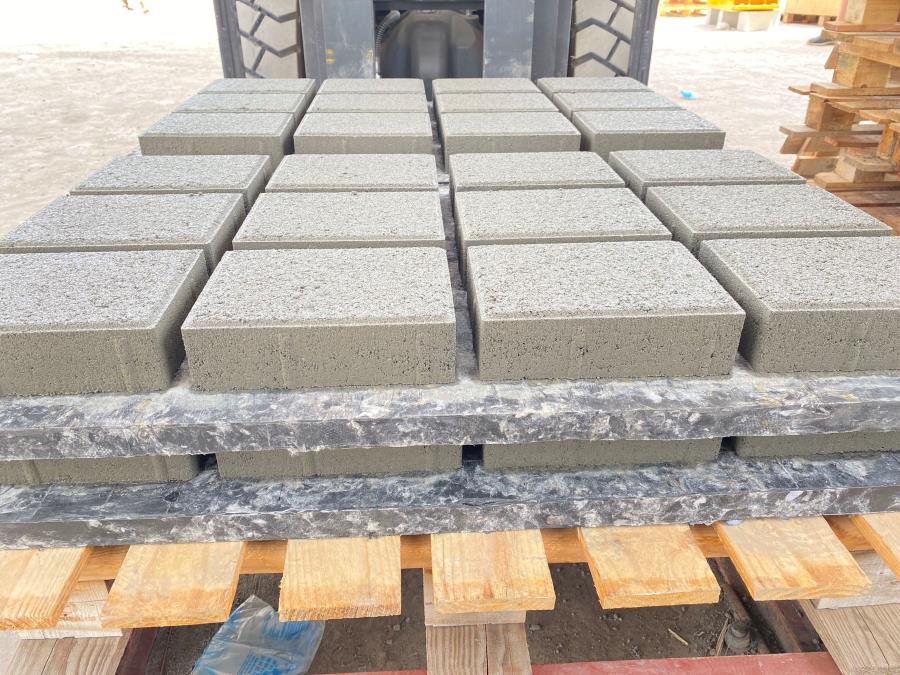 Several variables exert decisive influence over financial performance:
Raw Material Optimization
Cement, aggregates, sand, fly ash, and stone powder collectively constitute a significant proportion of manufacturing expenditure. Factories capable of optimizing material ratios without compromising compressive strength often achieve higher profit margins.
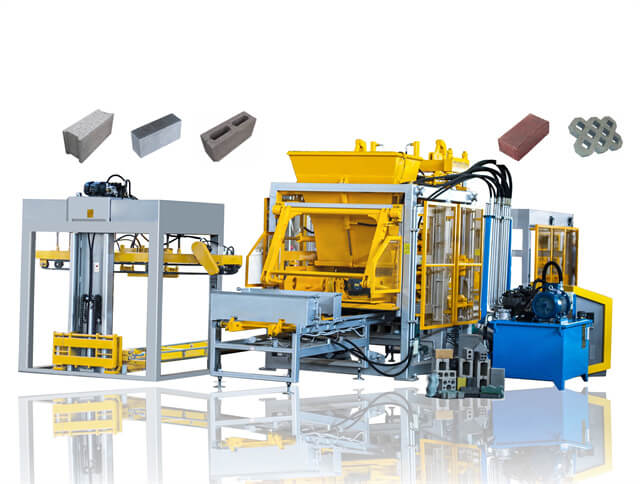
An advanced block making machine with efficient vibration and compaction systems can substantially reduce cement consumption while maintaining product density and structural integrity.
This is precisely where equipment engineering becomes critically important.
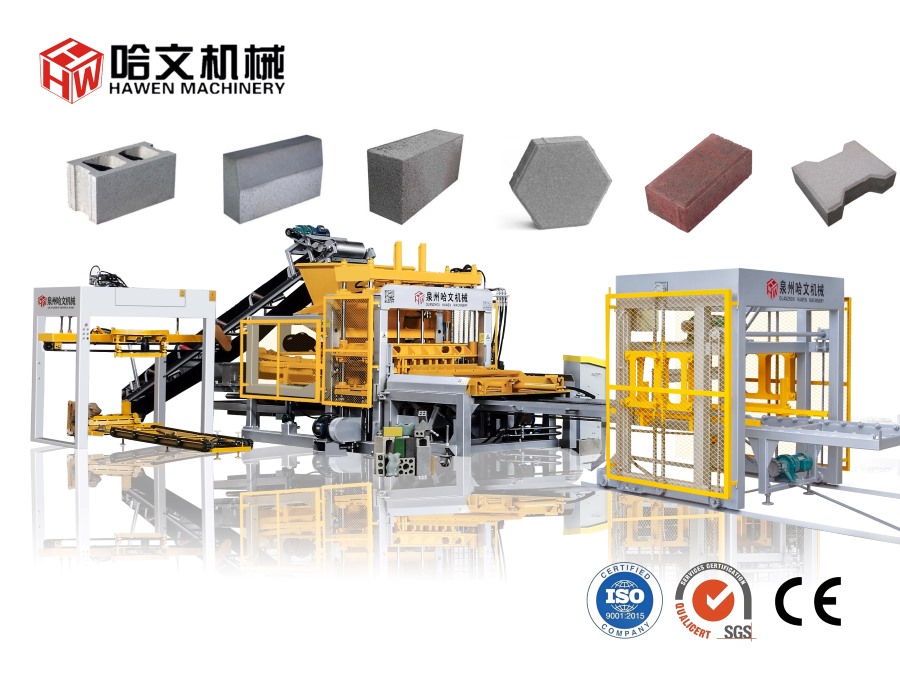
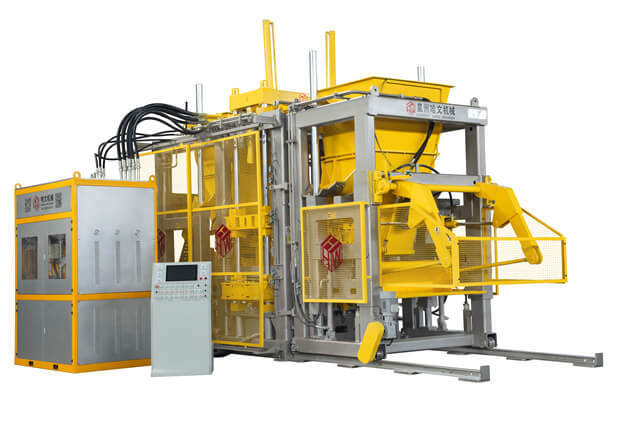
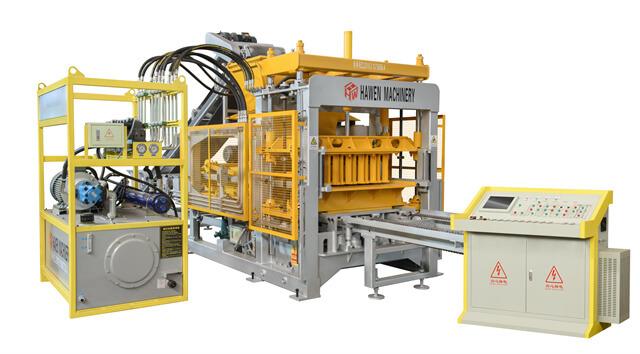
At Hawen Machinery, the four-shaft vibration architecture adopted in many block machines positions eccentric blocks externally rather than within the housing. This structural configuration minimizes vibration resistance, improves material distribution uniformity, and enhances compaction efficiency. As a consequence, manufacturers can often lower cement usage while still producing high-strength blocks with stable dimensions.
For large-scale producers, even marginal reductions in cement consumption can translate into substantial annual savings.
Equipment Determines Operational Efficiency
In the concrete products industry, machinery is not merely a production tool; it is the economic backbone of the entire operation.
A low-quality brick machine may appear financially attractive at the initial procurement stage, yet it frequently generates hidden long-term costs through downtime, inconsistent product quality, excessive maintenance, elevated energy consumption, and labor inefficiency.
By contrast, a high-performance brick making machine improves:
Production capacity
Product consistency
Labor productivity
Pallet utilization efficiency
Energy optimization
Long-term operational stability
Consequently, equipment selection should be approached as a strategic capital investment rather than a short-term purchasing decision.
Automation Significantly Enhances Profitability
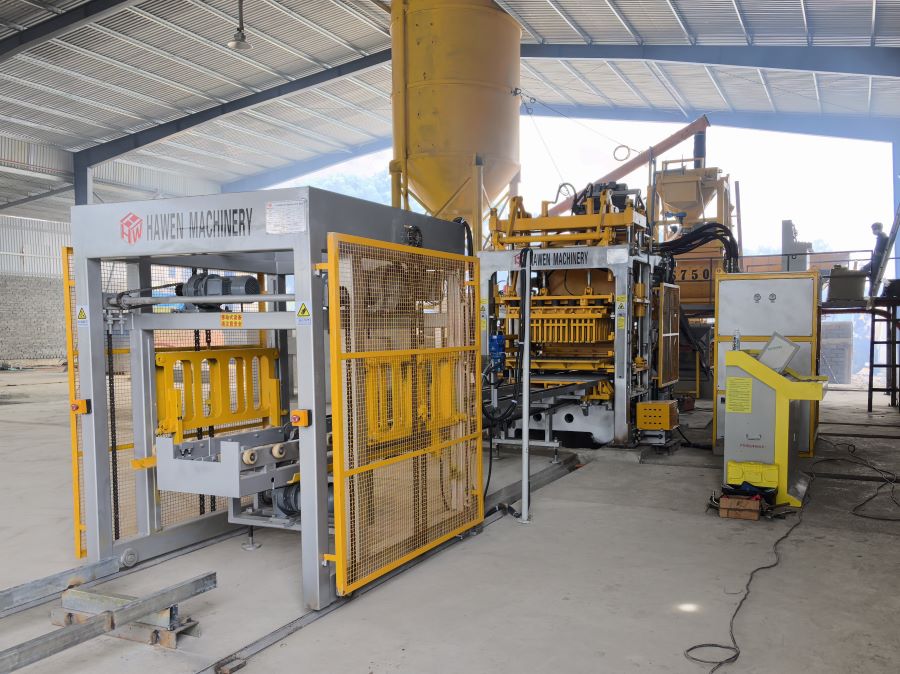
Modern concrete block factories increasingly rely on automation to mitigate labor dependency and improve operational precision.
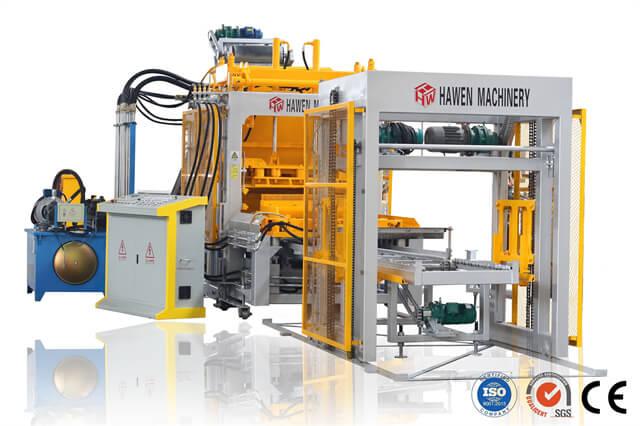
An advanced block machine equipped with an intelligent control platform enables operators to regulate molding cycles, vibration frequency, hydraulic pressure, feeding systems, and curing parameters with remarkable consistency.
For example, Hawen Machinery integrates a SIEMENS S7-200 PLC system combined with an intuitive touchscreen interface and remote diagnostic functionality. Through this integrated control framework, production parameters can be adjusted remotely while real-time machine operating conditions remain continuously observable. This significantly improves process stability and reduces unexpected interruptions during continuous production cycles.
In highly competitive markets, production consistency is often the determining factor between customer retention and customer attrition.
Hydraulic Systems Influence Long-Term Stability
Hydraulic performance directly affects molding pressure, machine responsiveness, and operational durability.
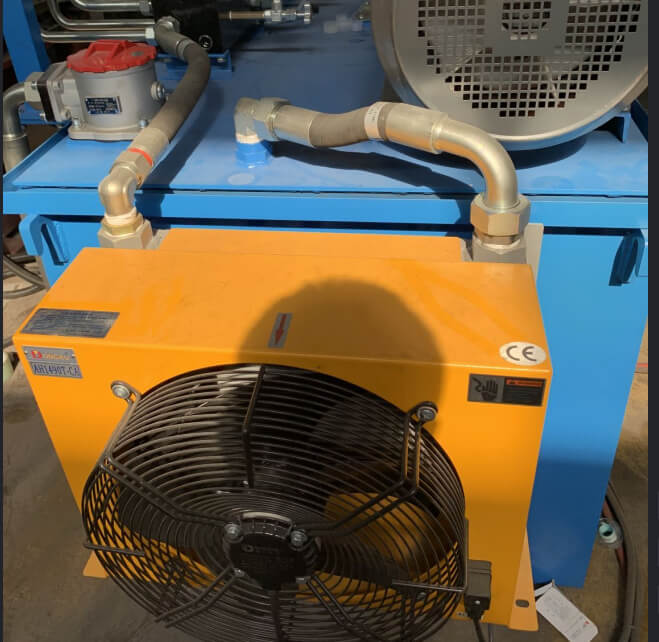
Inferior hydraulic components often result in oil leakage, unstable pressure output, excessive heat generation, and accelerated wear. These issues inevitably undermine production efficiency and increase maintenance expenditure.
To enhance long-term reliability, some high-end block making machines employ internationally recognized hydraulic components. At Hawen Machinery, many hydraulic stations incorporate Japanese YUKEN proportional and directional control valves together with high-performance American hydraulic pump systems. This configuration contributes to smoother pressure regulation, improved load endurance, and greater operational precision under intensive production conditions.
For factories operating continuously over extended production shifts, hydraulic stability becomes indispensable rather than optional.
Product Diversification Expands Revenue Streams
Another major determinant of profitability is product diversification.
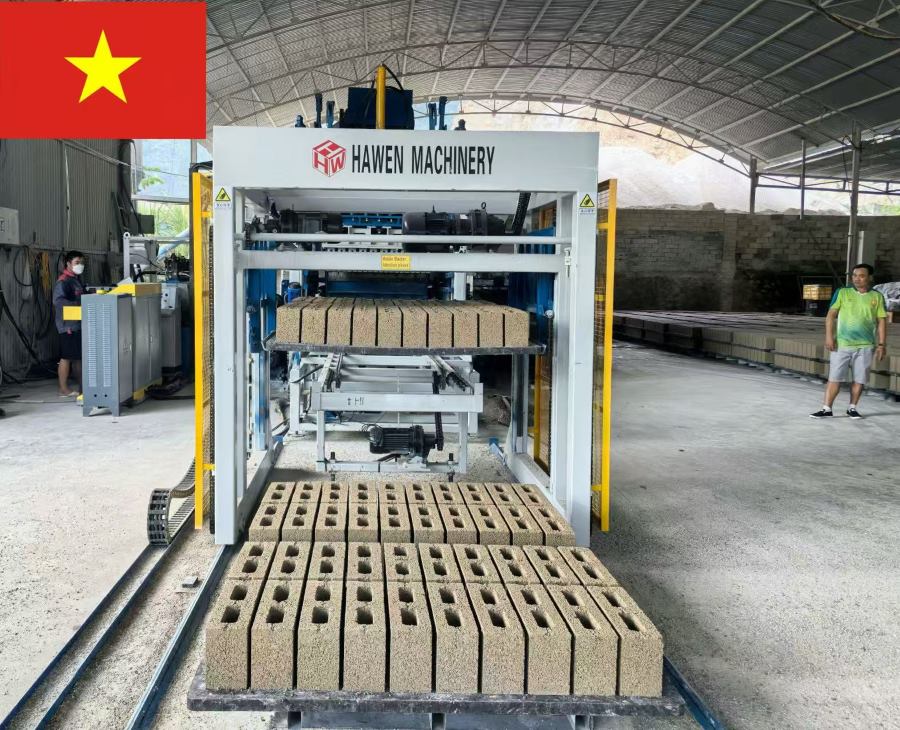
A single brick making machine can often produce multiple categories of concrete products simply by replacing molds, including:
Hollow blocks
Solid bricks
Interlocking pavers
Curbstones
Grass-planting blocks
Retaining wall blocks
Decorative landscape products
This flexibility allows manufacturers to adapt rapidly to changing market demand and seasonal fluctuations.
Furthermore, specialized decorative products generally yield higher profit margins than standard construction blocks due to their architectural value and aesthetic customization.
Mold Quality Directly Affects Block Precision
In high-volume production environments, mold precision substantially influences dimensional accuracy, edge smoothness, and overall product appearance.
Poor-quality molds deteriorate rapidly under continuous vibration and pressure, resulting in uneven block dimensions and increased rejection rates.
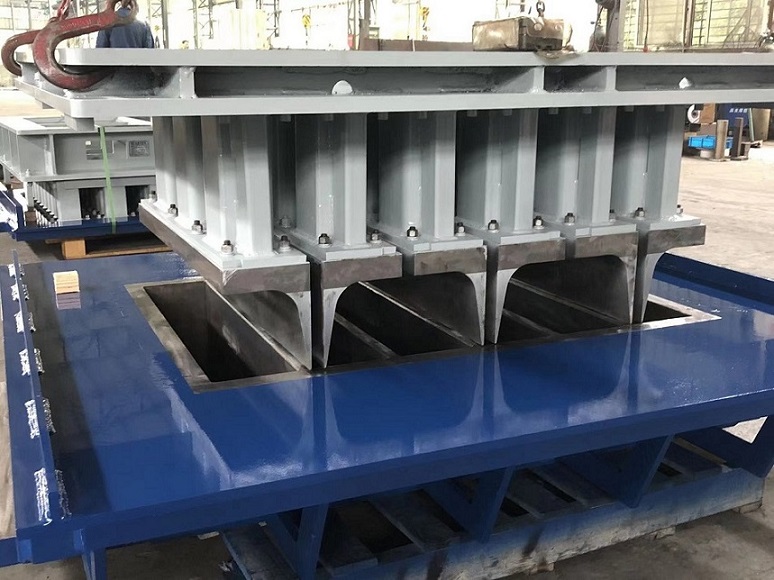
Hawen Machinery designs molds compatible with internationally recognized block machine brands such as Masa, Hess, Zenith, Poyatos, Besser, Columbia, Tiger, Quadar, and Omag. By adhering closely to original technical specifications, these molds ensure stable compatibility and precise production performance across multiple machine platforms.
Additionally, the molds undergo specialized heat-treatment processes to improve wear resistance, while hardness levels are typically maintained within the HRC60–62 range. This significantly extends service life under intensive manufacturing conditions.
For factories pursuing premium paving products or architectural blocks, mold precision can directly affect commercial competitiveness.
Technical Observation: In decorative paver production, even slight dimensional deviations may negatively impact installation alignment and visual uniformity.
Is the Market Becoming Saturated?
This concern is frequently raised by prospective investors. In reality, the concrete products market remains highly localized.
Transportation costs for heavy concrete products are relatively high, which naturally limits long-distance supply competition. Consequently, many regions still possess substantial opportunities for local manufacturers capable of delivering reliable quality and stable supply capacity.
Moreover, numerous small factories continue to operate outdated manual systems with inconsistent quality standards. Modern automated block factories equipped with efficient block making machines can often outperform traditional competitors through superior efficiency, reduced wastage, and stronger product consistency.
In many emerging economies, the issue is not excessive competition — but insufficient industrial modernization.
Challenges Investors Should Not Ignore
Despite its considerable potential, concrete block manufacturing is not entirely risk-free.
Common operational challenges include:
Fluctuating cement prices
Inadequate curing management
Unstable electricity supply
Poor aggregate grading
Inefficient factory layout planning
Insufficient market research
Low-quality machinery procurement
Therefore, successful operators typically combine technical competence with disciplined business management. Factories that prioritize preventive maintenance, quality control, and production optimization generally achieve stronger long-term profitability.
Final Thoughts: Profitability Depends on Industrial Vision
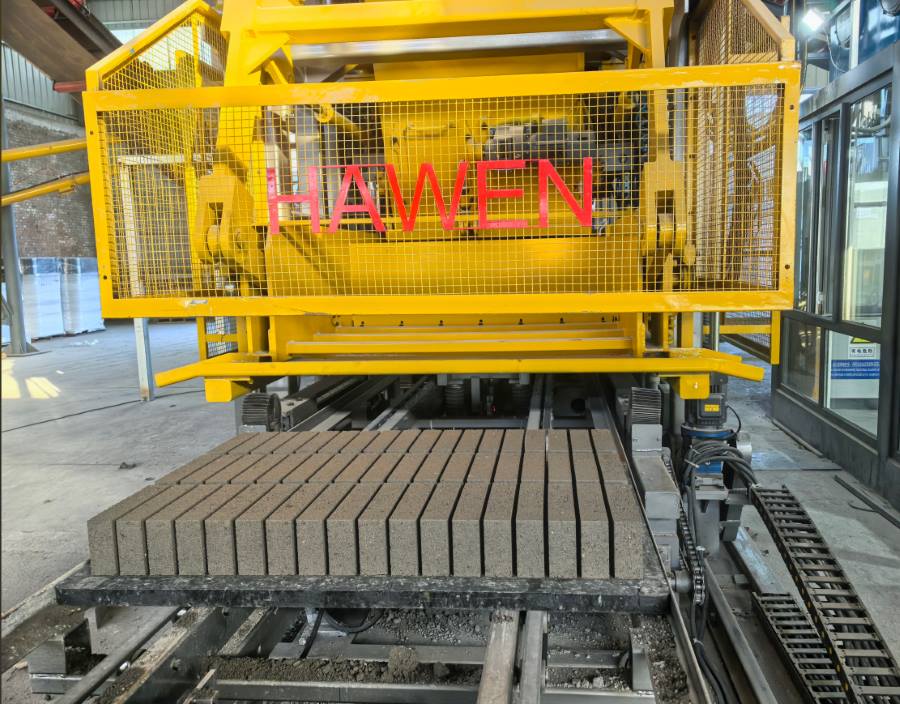
Concrete block manufacturing is far more than a simple production business. At its highest level, it represents a convergence of industrial engineering, construction economics, supply-chain management, and infrastructure development.
The most profitable factories are rarely those pursuing short-term gains. Rather, they are enterprises that continuously refine production efficiency, maintain rigorous quality standards, embrace automation, and cultivate long-term market credibility.
As global urbanization accelerates and infrastructure demand continues to expand, concrete products will remain fundamental to modern civilization itself. Roads, schools, hospitals, residential communities, drainage systems, and public spaces all rely upon durable concrete components produced every day by block factories around the world.
For visionary investors willing to combine advanced equipment, operational discipline, and strategic market positioning, the concrete block manufacturing industry still offers extraordinary long-term potential.
Ultimately, a concrete block is not merely a construction material. It is a foundational unit of urban development — a silent yet indispensable element shaping the cities, economies, and societies of the future.
FAQ
1. How long does it usually take to recover the investment in a concrete block factory?
The investment recovery period varies according to production scale, local market demand, labor costs, and equipment automation level. Small and medium-sized factories using efficient block machines often achieve payback within two to four years under stable operating conditions.
2. Which products are generally the most profitable to manufacture?
Decorative paving stones, interlocking pavers, curbstones, and landscape blocks typically generate higher profit margins than ordinary hollow blocks because they possess greater architectural and aesthetic value.
3. Does a fully automatic block making machine reduce labor costs significantly?
Yes. A fully automatic brick making machine can substantially reduce dependence on manual labor by automating feeding, vibration, molding, stacking, and conveying processes. This improves production efficiency while reducing operational inconsistency caused by human factors.
4. Is technical experience necessary before starting a concrete block business?
Basic technical knowledge is beneficial, particularly regarding raw material ratios, curing methods, and equipment maintenance. However, many modern brick machine suppliers also provide installation guidance, operator training, and production support for new investors.
5. Why is vibration technology so important in block production?
Efficient vibration directly influences block density, compressive strength, dimensional accuracy, and cement utilization. Advanced vibration systems improve compaction uniformity, enhance product quality, and reduce unnecessary raw material consumption.





 Tel: +86-13905968794
 Email: export@hwmachines.com
 MP/WhatsApp: +86-13905968794
 Manufacturer Address:Nanan,Quanzhou City,Fujian Province,China