What Is the Role of Sensors in Automated Block Production
Author:HAWEN Block MachineFROM:Brick Production Machine Manufacturer
TIME:2026-04-22
In automated concrete block production, precision is no longer achieved solely through mechanical strength or operator experience. Instead, it is increasingly governed by data acquisition and real-time feedback, both of which rely fundamentally on sensor technology.
Sensors serve as the perceptual layer of a block production line. They translate physical variables—position, pressure, temperature, and material flow—into digital signals that can be interpreted and acted upon. Without sensors, even the most advanced PLC system would operate blindly, unable to detect deviations or ensure process stability.
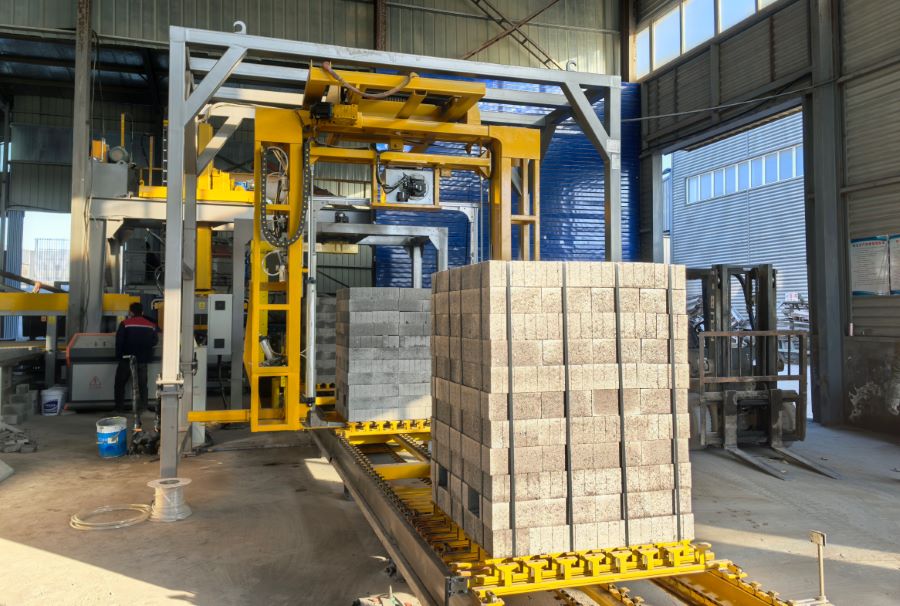
1. Sensors as the Foundation of Process Visibility
At the most basic level, sensors provide visibility into otherwise invisible processes. In a block machine, multiple operations occur simultaneously and at high speed. Human observation alone cannot reliably track these dynamics.
Key sensor functions include:
Detecting the position of pallets and molds
Monitoring material levels in feeding systems
Measuring hydraulic pressure and oil temperature
Tracking cycle timing and equipment status
Note: This continuous stream of data enables the system to maintain operational coherence, especially under high-throughput conditions.
2. Enabling Real-Time Feedback and Closed-Loop Control
Modern block production lines are built around the principle of closed-loop control, where outputs are constantly compared against expected values and adjusted accordingly. Sensors are indispensable to this mechanism.
For example:
Position sensors ensure accurate alignment between feeding carts and molds
Pressure sensors verify that compaction force meets predefined thresholds
Proximity sensors confirm the completion of each production step before the next begins
This feedback loop allows the system to self-correct in real time, thereby reducing variability and preventing defects.
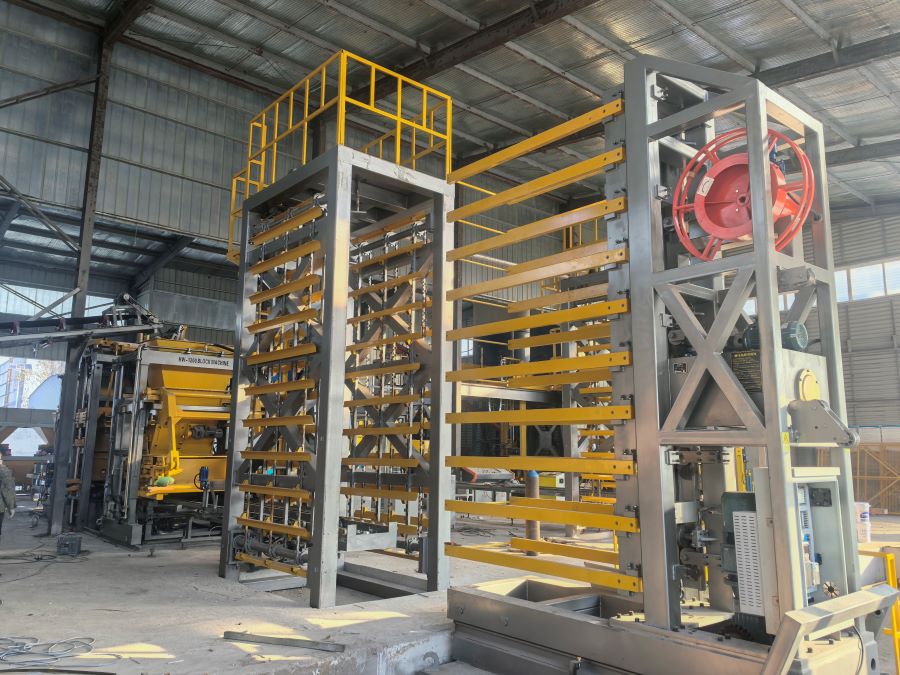
3. Integration with PLC Systems: From Data to Action
Sensors alone do not improve production; their value emerges when integrated with a robust control system.
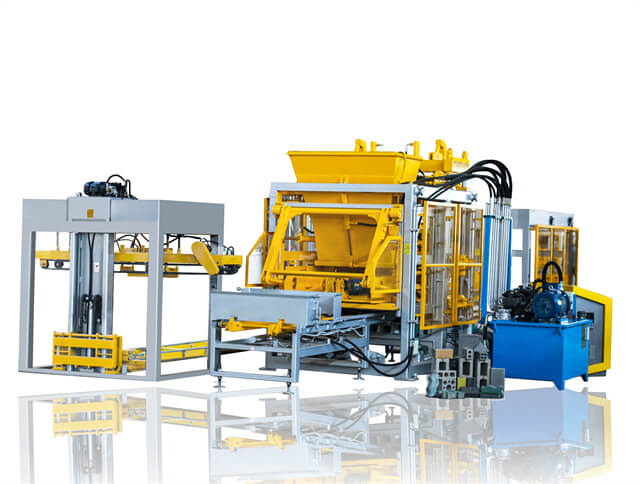
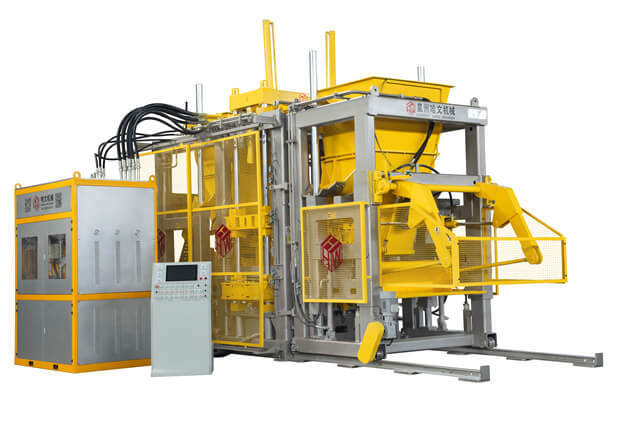
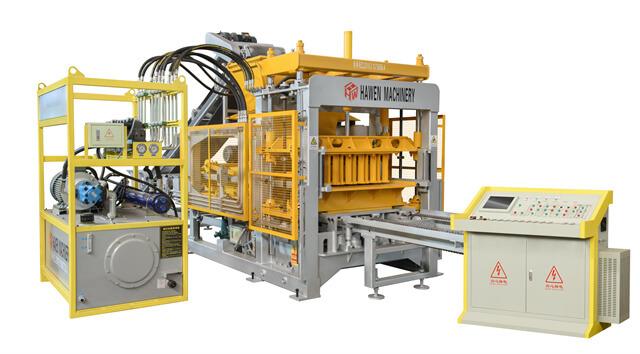
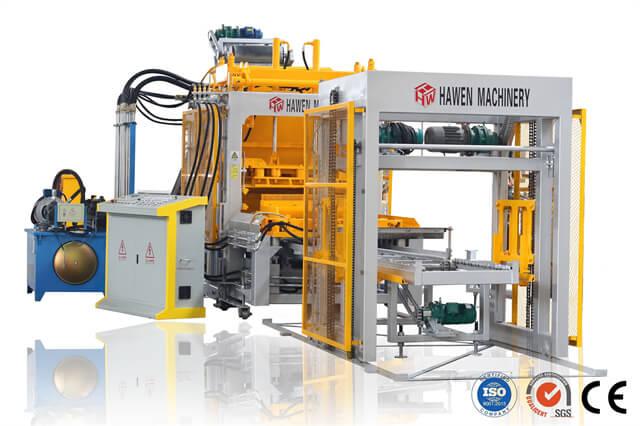
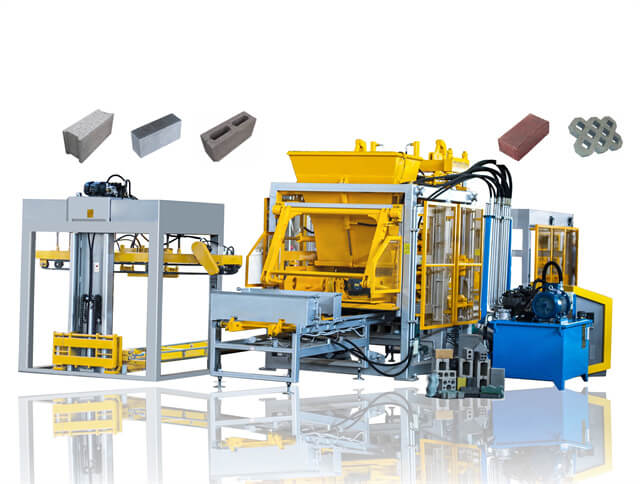
Hawen Machinery integrates a SIEMENS S7-200 PLC system with an intuitive touch panel and remote monitoring capabilities. Through this architecture, sensor data is continuously processed and translated into precise operational commands.
As a result:
Machine status can be monitored in real time
Operational parameters can be adjusted dynamically
Production anomalies can be identified before escalating
This synergy between sensors and PLC transforms the production line into a responsive and adaptive system, rather than a static sequence of mechanical actions.
4. Enhancing Hydraulic Precision Through Sensor Feedback
Hydraulic systems require meticulous regulation to maintain consistent pressure and flow. Sensors play a critical role in achieving this precision.
In advanced configurations, the hydraulic station utilizes high-grade proportional and directional control valves sourced from Japan, combined with a durable American-made hydraulic pump. Sensors continuously monitor pressure and temperature, enabling the system to:
Stabilize forming pressure during each cycle
Prevent overheating through timely adjustments
Optimize the movement of critical components such as feeding carts
Annotation: The movement of feeding carts, when regulated by servo-controlled hydraulic valves informed by sensor data, ensures steady and uniform material delivery to the mold.
5. Coordinating Vibration and Compaction
Compaction quality is highly sensitive to vibration parameters. Sensors ensure that vibration operates within optimal ranges and in precise synchronization with other processes.
Hawen Machinery adopts a four-shaft vibration box design with externally positioned eccentric blocks, which reduces resistance and enhances energy transfer. Sensors monitor vibration frequency and system response, allowing the control system to maintain:
Uniform compaction across all blocks
Reduced internal voids
Improved material efficiency with lower cement consumption
Without sensor feedback, such synchronization would be difficult to sustain over prolonged production cycles.
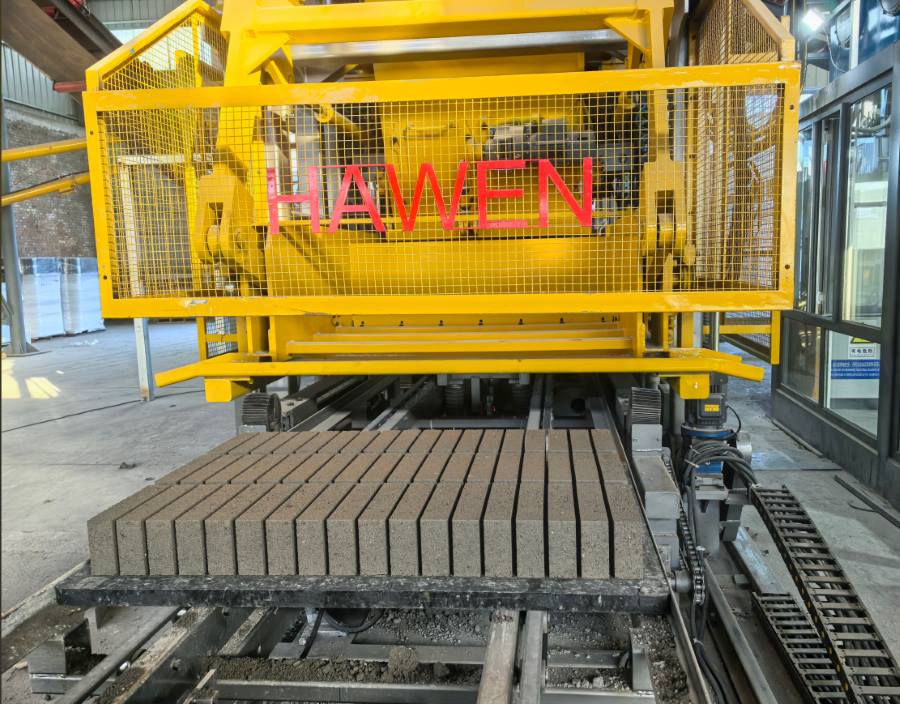
6. Safeguarding Mold Performance and Product Consistency
Mold condition is another critical variable in block production. Sensors indirectly contribute to mold longevity and performance by ensuring that operational parameters remain within safe limits.
Hawen Machinery designs molds compatible with leading brands such as MASA, HESS, ZENITH, POYATOS, BESSER, and TIGER. These molds are manufactured according to original specifications and undergo heat treatment to enhance wear resistance.
By maintaining stable pressure, accurate alignment, and controlled vibration, sensor-driven systems help:
Minimize uneven wear
Ensure consistent block geometry
Extend mold service life
7. From Automation to Predictive Intelligence
The role of sensors is evolving beyond immediate control toward predictive maintenance and data-driven optimization.
Advanced systems can:
Analyze historical sensor data to identify performance trends
Predict potential failures before they occur
Optimize production parameters based on long-term data patterns
Annotation: This shift reflects the broader transition toward Industry 4.0, where manufacturing systems become increasingly intelligent and self-optimizing.
Conclusion: Sensors as the Silent Architects of Precision
In automated block production, sensors operate quietly in the background, yet their impact is profound. They enable machines to see, interpret, and respond, transforming raw mechanical القوة into controlled and consistent performance.
When integrated with advanced control systems, hydraulic precision, and optimized vibration design, sensors elevate the entire production process from mere automation to intelligent manufacturing.
Ultimately, the quality of concrete blocks is not determined at a single stage, but emerges from the continuous interaction of data, control, and execution. Sensors are the starting point of this interaction. They ensure that every decision made by the machine is informed, every action is calibrated, and every product meets the intended standard.
In an industry where margins are tight and expectations are high, such precision is not optional—it is decisive. And as manufacturing continues to evolve, sensors will remain the indispensable link between physical processes and digital intelligence, quietly shaping the future of block production.
FAQ
1. What types of sensors are commonly used in block machines?
Common sensors include position sensors, proximity sensors, pressure sensors, and temperature sensors, all of which monitor different aspects of the production process.
2. How do sensors improve block quality?
By providing real-time data, sensors enable precise control of feeding, compaction, and curing conditions, ensuring consistent density and strength.
3. Can sensors help reduce machine downtime?
Yes. Sensors allow early detection of abnormalities, enabling preventive maintenance and reducing unexpected failures.
4. Are sensor systems difficult to maintain?
Modern sensor systems are designed for durability and reliability, requiring only routine inspection and occasional calibration to maintain optimal performance.





 Tel: +86-13905968794
 Email: export@hwmachines.com
 MP/WhatsApp: +86-13905968794
 Manufacturer Address:Nanan,Quanzhou City,Fujian Province,China