In the economics of concrete production, the lifespan of a block machine is not merely a technical concern—it is a decisive variable in capital efficiency and long-term profitability. While modern machines are engineered for durability, their actual service life diverges significantly across factories. The difference rarely lies in design alone; it emerges from a complex interaction of operational discipline, system stability, and environmental conditions.
Understanding what truly affects machine lifespan allows manufacturers to move from passive usage to strategic asset management.
1. Structural Design and Manufacturing Quality
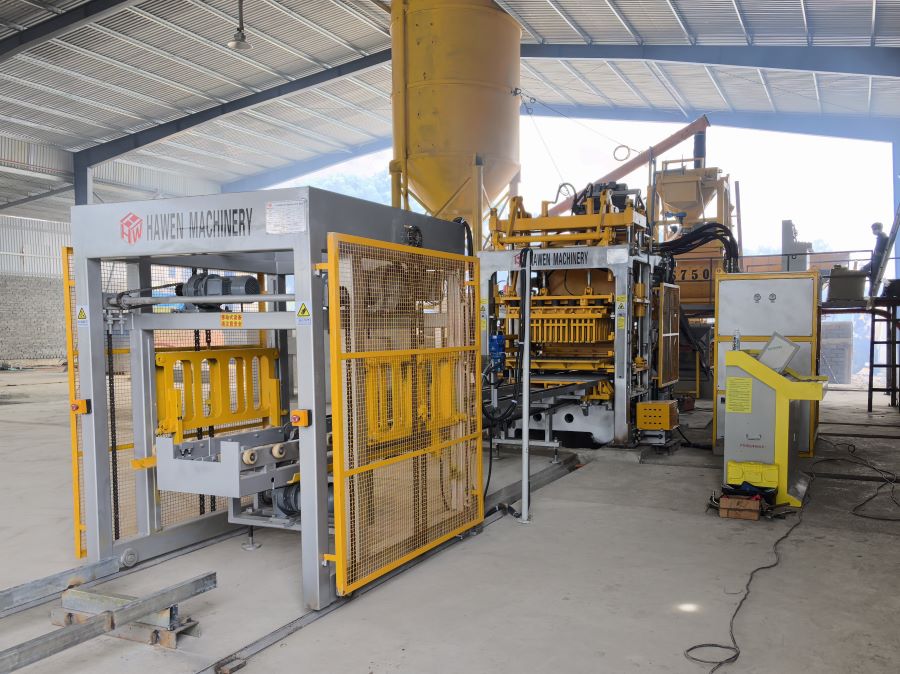
The foundation of longevity begins at the design stage. Machines built with high-grade steel structures, precision machining, and stress-relieved welding exhibit superior resistance to fatigue and deformation.
A rigid frame ensures:
Stable vibration transmission
Reduced mechanical distortion over time
Consistent alignment of moving components
Note: Structural integrity is not immediately visible during early operation, but it determines whether a machine maintains accuracy after years of continuous use.
2. Hydraulic System Stability and Load Management
The hydraulic system governs motion, pressure, and synchronization. Its performance directly influences mechanical wear across the entire machine.
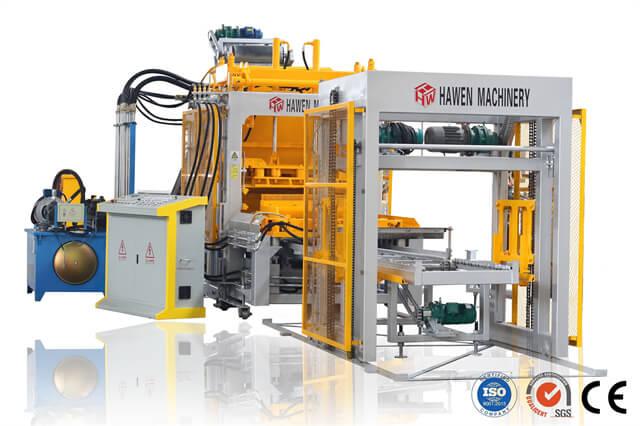
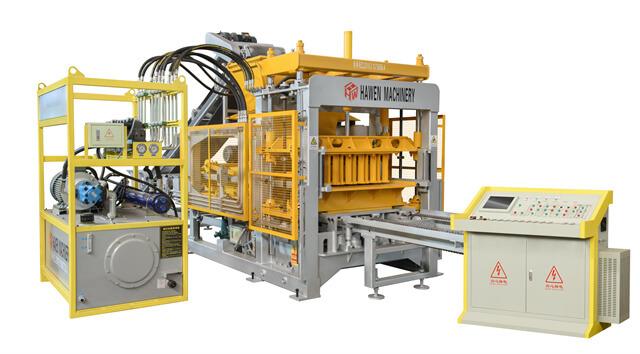
In advanced configurations, hydraulic stations integrate precision-engineered Japanese proportional and directional valves with robust American pump assemblies. This combination delivers refined flow control, stable pressure output, and high load-bearing capacity, even under intensive production cycles.
Key lifespan factors include:
Oil cleanliness and filtration quality
Pressure consistency during forming cycles
Smooth movement of feeding carts, ideally regulated by servo-controlled hydraulic valves
When hydraulic flow becomes unstable, micro-shocks and uneven forces accelerate wear on mechanical components.
3. Vibration System Efficiency and Balance
Vibration is essential for compaction, yet it is also a primary source of mechanical stress. Poorly managed vibration shortens machine lifespan significantly.
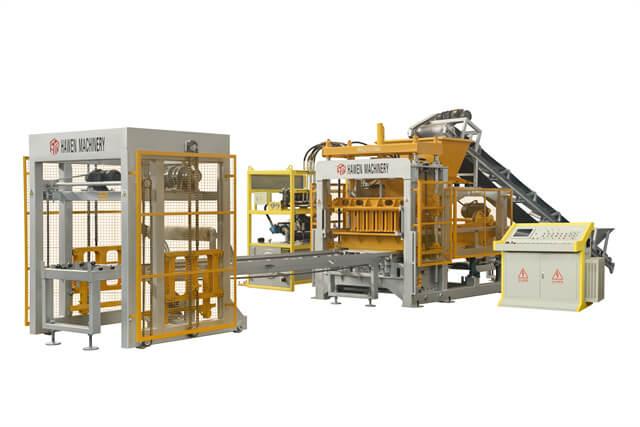
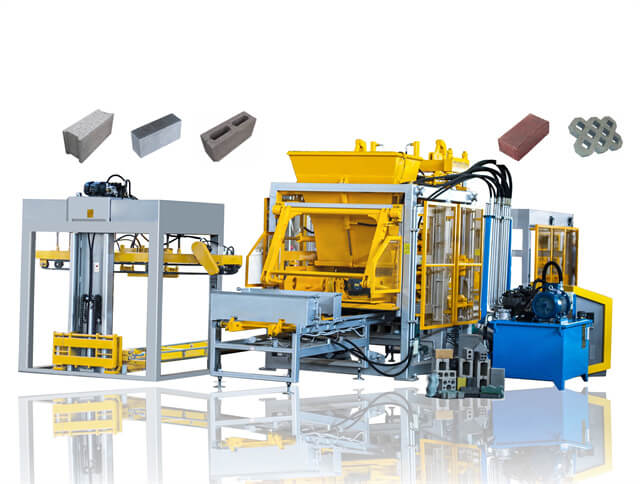
Hawen Machinery adopts a four-shaft vibration box design, positioning eccentric blocks outside the housing. This reduces resistance during vibration, ensures uniform compaction, and lowers cement consumption while improving overall efficiency.
A well-balanced vibration system:
Minimizes internal stress concentration
Prevents premature bearing and shaft wear
Maintains structural stability over long cycles
Annotation: Excessive or uneven vibration does not improve quality—it accelerates fatigue.
4. Control System Precision and Operational Consistency
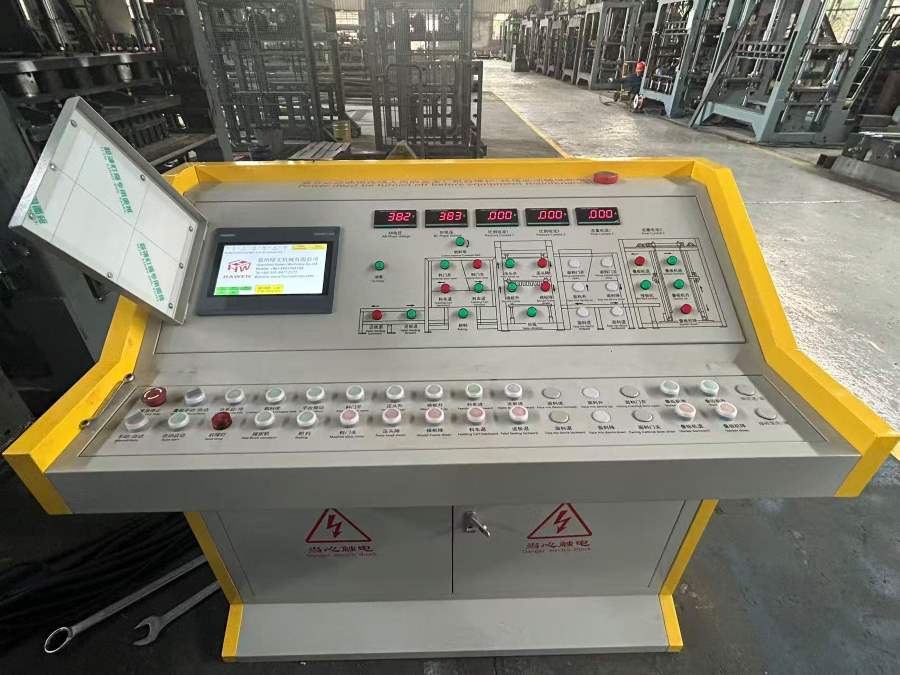
Modern block machines rely on digital control systems to maintain repeatability. Inconsistent control leads to fluctuating cycle times, irregular loading, and cumulative mechanical stress.
Hawen Machinery integrates a SIEMENS S7-200 PLC with an intuitive touch panel and remote monitoring capabilities. Through this system, operators can observe real-time machine conditions, fine-tune operational parameters, and implement predictive adjustments.
Consistent control contributes to:
Uniform mechanical loading
Reduced operational shocks
Lower long-term wear rates
5. Mold Condition and Interface Wear
Although molds are replaceable components, their condition directly affects the machine itself. Worn molds create uneven resistance during forming, increasing stress on vibration and hydraulic systems.
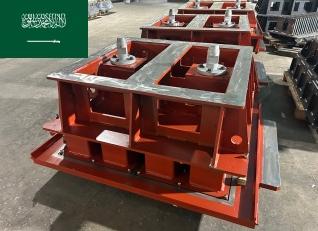
Hawen Machinery designs molds compatible with leading block machine brands, including MASA, HESS, ZENITH, POYATOS, BESSER, TIGER, and others. Manufactured according to original specifications and enhanced through heat treatment, these molds provide accurate fit, smooth operation, and extended service life.
Maintaining mold quality ensures:
Balanced force distribution
Reduced mechanical strain
Stable long-term machine performance
6. Raw Material Characteristics
Material properties are often overlooked, yet they significantly influence machine wear.
Key factors include:
Aggregate hardness and abrasiveness
Moisture consistency
Particle distribution uniformity
Highly abrasive materials increase wear on molds, liners, and feeding systems, while inconsistent moisture leads to unstable compaction forces.
7. Maintenance Discipline and Operational Culture
No machine, regardless of design sophistication, can outperform poor maintenance practices. Daily inspection, timely lubrication, and preventive servicing are decisive in extending lifespan.
Effective maintenance includes:
Routine inspection of moving components
Scheduled replacement of consumables
Immediate correction of abnormal signals
Note: Maintenance is not a technical task alone—it is an organizational habit.
8. Operator Skill and Handling Practices
Human factors introduce variability that machines cannot compensate for. Improper operation—such as overloading, incorrect parameter settings, or abrupt shutdowns—accelerates wear.
Well-trained operators:
Detect early warning signs
Adjust parameters appropriately
Maintain stable production conditions
Conclusion: Lifespan Is Engineered, But Also Managed
The lifespan of a block machine is not predetermined at the factory—it is shaped daily on the production floor. Engineering excellence provides the foundation, but operational discipline determines the outcome.
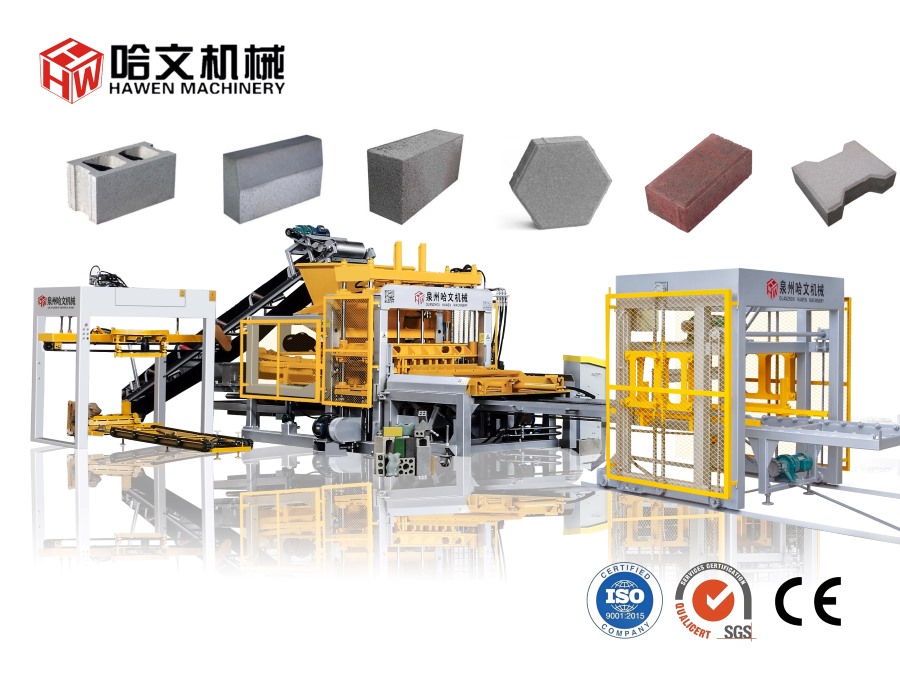
Hawen Machinery approaches machine design as an integrated system—where hydraulics, vibration, control, and mold compatibility work in synergy to reduce stress and extend durability. Yet even the most advanced system requires informed usage and consistent care.
In a competitive manufacturing landscape, longevity is not merely about durability; it is about sustaining precision, efficiency, and reliability over time. Those who understand this do not simply operate machines—they cultivate assets that deliver value year after year.
FAQ
1. What is the average lifespan of a block machine?
With proper maintenance, a high-quality block machine can operate effectively for 20 years or more.
2. Which system affects lifespan the most?
The hydraulic and vibration systems have the greatest impact due to their continuous mechanical load.
3. Can poor raw materials damage the machine?
Yes. Abrasive aggregates and inconsistent moisture can accelerate wear on multiple components.
4. How important is operator training?
Critical. Skilled operators significantly reduce improper usage and extend machine life.
5. Is preventive maintenance more effective than repairs?
Absolutely. Preventive maintenance reduces downtime, lowers costs, and ensures long-term stability.





 Tel: +86-13905968794
 Email: export@hwmachines.com
 MP/WhatsApp: +86-13905968794
 Manufacturer Address:Nanan,Quanzhou City,Fujian Province,China