What Are the Market Trends for Concrete Block Machines?
Author:HAWEN Block MachineFROM:Brick Production Machine Manufacturer
TIME:2026-02-26
What Are the Market Trends for Concrete Block Machines?
In an era defined by rapid urbanization, fiscal stringency, and mounting environmental constraints, the global market for concrete block machines is undergoing structural transformation rather than cyclical fluctuation. What was once a capital-intensive but mechanically straightforward industry has evolved into a technologically sophisticated segment embedded within the broader discourse of smart manufacturing and sustainable construction.
This article delineates the principal market trends shaping the competitive landscape, from automation and energy efficiency to digital integration and cross-platform compatibility.
 I. Accelerated Urbanization and Infrastructure Stimulus
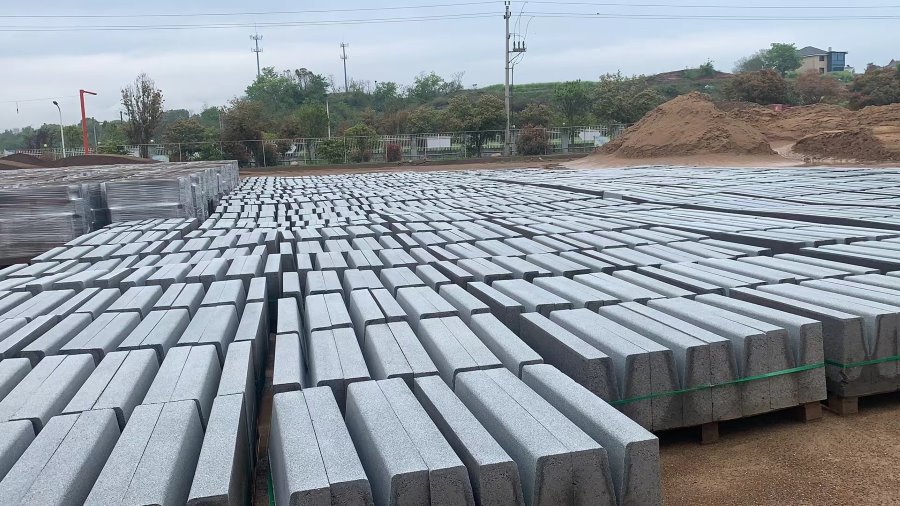
The primary demand driver remains unambiguous: urban population growth. Emerging economies across Asia, Africa, and Latin America continue to experience sustained migration from rural hinterlands to metropolitan corridors. Governments, under fiscal and political pressure, have responded with expansive infrastructure programs—affordable housing schemes, industrial parks, highways, and public utilities.
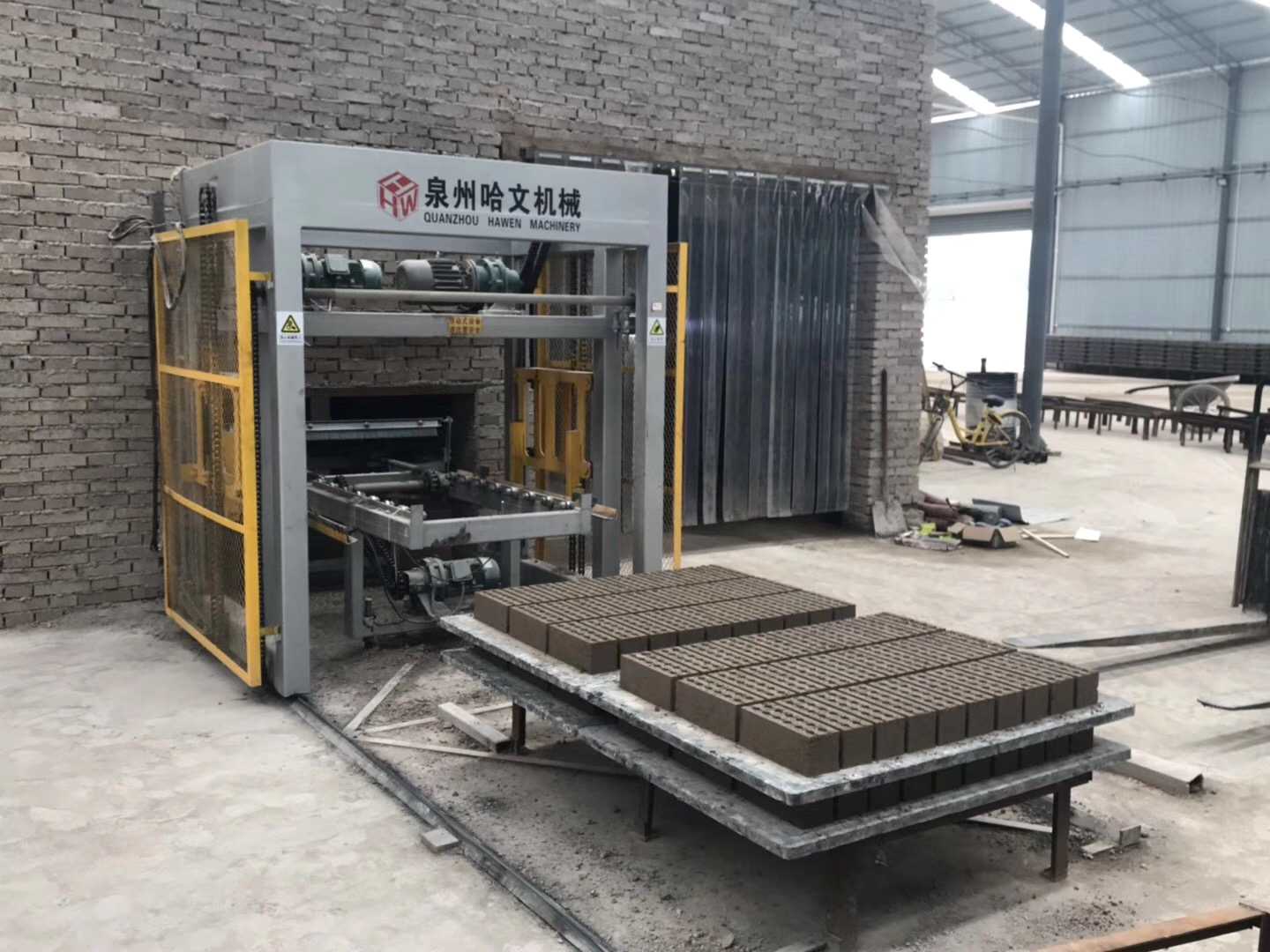
Concrete blocks, due to their compressive strength, modularity, and cost-efficiency, retain a comparative advantage over alternative walling systems. Consequently, block machine manufacturers are witnessing increasing demand for high-capacity, fully automatic production lines capable of delivering both structural and paving units at scale.
However, capacity alone is no longer a differentiator. Precision, consistency, and lifecycle cost optimization have become decisive procurement criteria.
I. Accelerated Urbanization and Infrastructure Stimulus
The primary demand driver remains unambiguous: urban population growth. Emerging economies across Asia, Africa, and Latin America continue to experience sustained migration from rural hinterlands to metropolitan corridors. Governments, under fiscal and political pressure, have responded with expansive infrastructure programs—affordable housing schemes, industrial parks, highways, and public utilities.
Concrete blocks, due to their compressive strength, modularity, and cost-efficiency, retain a comparative advantage over alternative walling systems. Consequently, block machine manufacturers are witnessing increasing demand for high-capacity, fully automatic production lines capable of delivering both structural and paving units at scale.
However, capacity alone is no longer a differentiator. Precision, consistency, and lifecycle cost optimization have become decisive procurement criteria.
 II. Automation and Intelligent Control Systems
A defining trend is the shift from semi-automatic lines toward fully automated, data-driven systems. Investors now evaluate equipment not merely by output per hour, but by its ability to minimize labor dependency, reduce downtime, and ensure stable quality under variable operating conditions.
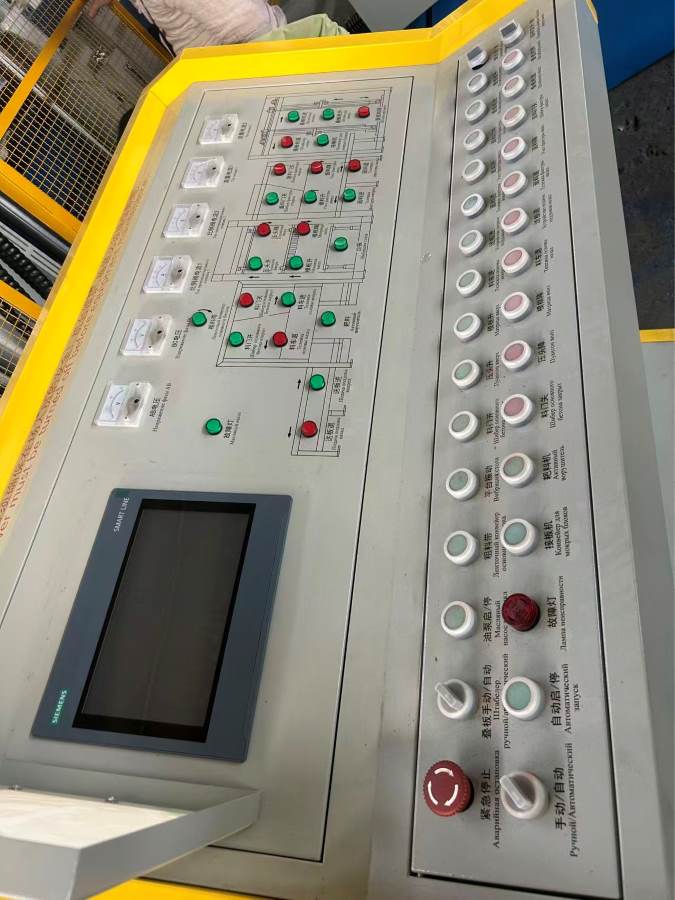
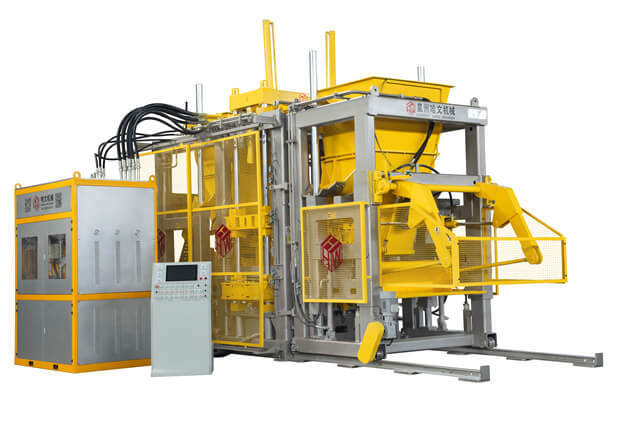
Leading manufacturers integrate industrial-grade PLC systems with remote diagnostics and parameter optimization. For instance, Hawen Machinery deploys a control architecture based on a SIEMENS S7-200 programmable logic controller, paired with an intuitive touch interface and cloud-enabled monitoring functions. Through this framework, operational data can be accessed in real time, production anomalies can be identified preemptively, and process parameters can be adjusted remotely to maintain dimensional accuracy and compressive strength consistency.
This transition reflects a broader industrial migration toward predictive maintenance and smart asset management.
II. Automation and Intelligent Control Systems
A defining trend is the shift from semi-automatic lines toward fully automated, data-driven systems. Investors now evaluate equipment not merely by output per hour, but by its ability to minimize labor dependency, reduce downtime, and ensure stable quality under variable operating conditions.
Leading manufacturers integrate industrial-grade PLC systems with remote diagnostics and parameter optimization. For instance, Hawen Machinery deploys a control architecture based on a SIEMENS S7-200 programmable logic controller, paired with an intuitive touch interface and cloud-enabled monitoring functions. Through this framework, operational data can be accessed in real time, production anomalies can be identified preemptively, and process parameters can be adjusted remotely to maintain dimensional accuracy and compressive strength consistency.
This transition reflects a broader industrial migration toward predictive maintenance and smart asset management.
 III. Hydraulic Performance and System Reliability
Hydraulic systems constitute the core of block machine performance. Market expectations have shifted from simple actuation to high-response proportional control and sustained heavy-duty operation.
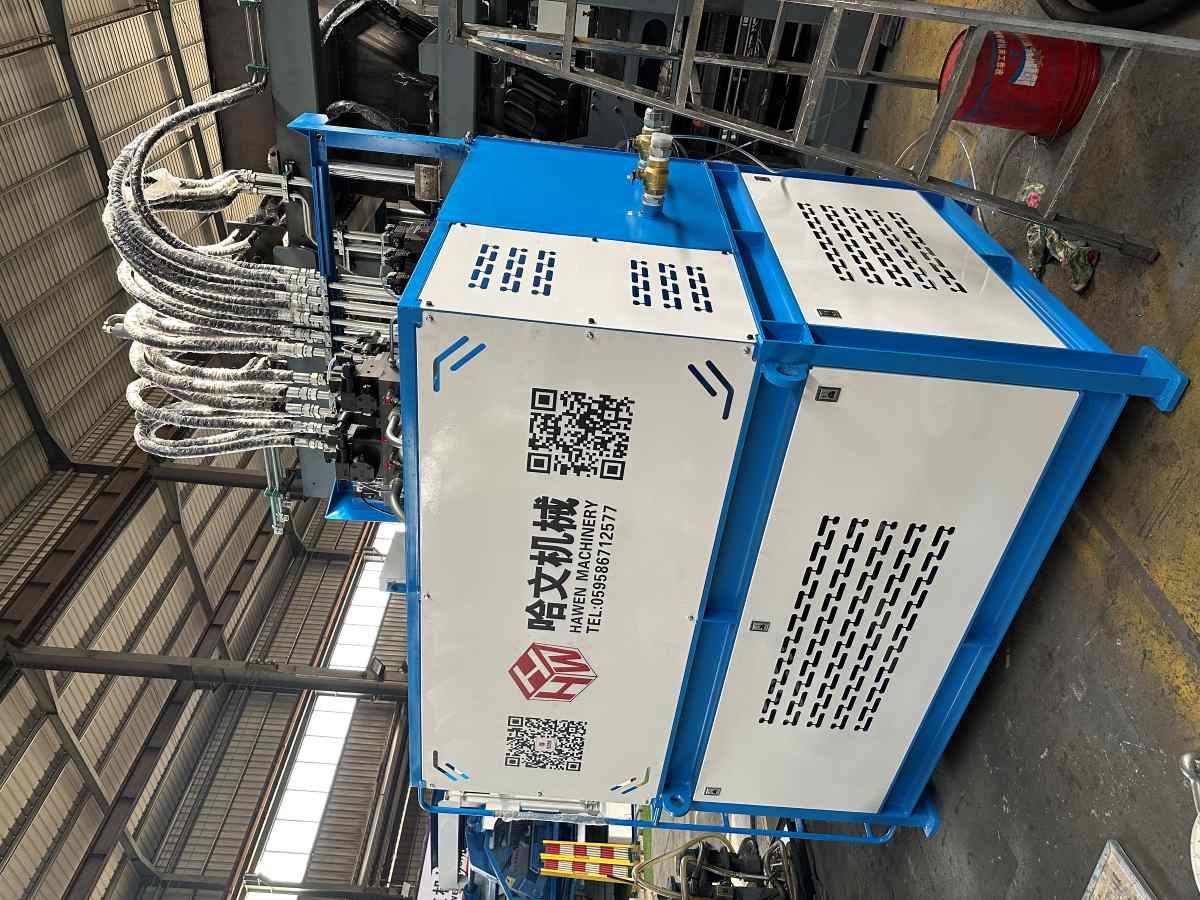
Premium manufacturers increasingly incorporate internationally recognized hydraulic components. Hawen Machinery, for example, equips its hydraulic stations with Japanese YUKEN proportional and directional control valves, ensuring refined motion control and pressure stability. The hydraulic power is delivered through a robust American ALBERT pump, engineered to maintain steady flow under prolonged load conditions. This configuration enhances operational accuracy, reduces internal leakage risks, and extends service life.
In mature markets, procurement decisions often hinge on the origin and reliability of such core components, reflecting a growing awareness of total cost of ownership rather than initial acquisition cost.
III. Hydraulic Performance and System Reliability
Hydraulic systems constitute the core of block machine performance. Market expectations have shifted from simple actuation to high-response proportional control and sustained heavy-duty operation.
Premium manufacturers increasingly incorporate internationally recognized hydraulic components. Hawen Machinery, for example, equips its hydraulic stations with Japanese YUKEN proportional and directional control valves, ensuring refined motion control and pressure stability. The hydraulic power is delivered through a robust American ALBERT pump, engineered to maintain steady flow under prolonged load conditions. This configuration enhances operational accuracy, reduces internal leakage risks, and extends service life.
In mature markets, procurement decisions often hinge on the origin and reliability of such core components, reflecting a growing awareness of total cost of ownership rather than initial acquisition cost.
 IV. Advanced Vibration Technology and Material Efficiency
Another salient trend concerns vibration engineering. Uniform compaction directly determines block density, surface finish, and structural integrity. It also influences cement consumption, which remains one of the most volatile cost variables in production.
Hawen Machinery adopts a four-shaft vibration box configuration, with eccentric weights strategically mounted outside the housing. This structural arrangement minimizes internal resistance during oscillation, facilitates homogeneous force distribution, and improves compaction uniformity. The result is enhanced block strength with optimized cement usage, thereby reducing production expenditure while elevating product quality.
Such innovations reflect the industry’s pivot toward performance optimization under resource constraints.
V. Sustainability and Low-Carbon Manufacturing
Environmental compliance has shifted from peripheral consideration to regulatory imperative. Carbon taxation mechanisms, green building certifications, and ESG investment standards are reshaping capital allocation decisions.
Modern block machines are increasingly engineered to accommodate diverse raw materials, including fly ash, slag, and recycled aggregates. This adaptability reduces reliance on virgin resources and aligns with circular economy principles. Furthermore, energy-efficient motors and optimized hydraulic circuits contribute to lower electricity consumption per unit output.
Manufacturers capable of quantifying carbon reduction metrics and lifecycle energy savings are positioned advantageously in both developed and emerging markets.
VI. Mold Compatibility and Cross-Platform Integration
In a globalized market, equipment interoperability has become strategically significant. Investors frequently operate mixed-brand production environments, necessitating molds that can integrate seamlessly across different platforms.
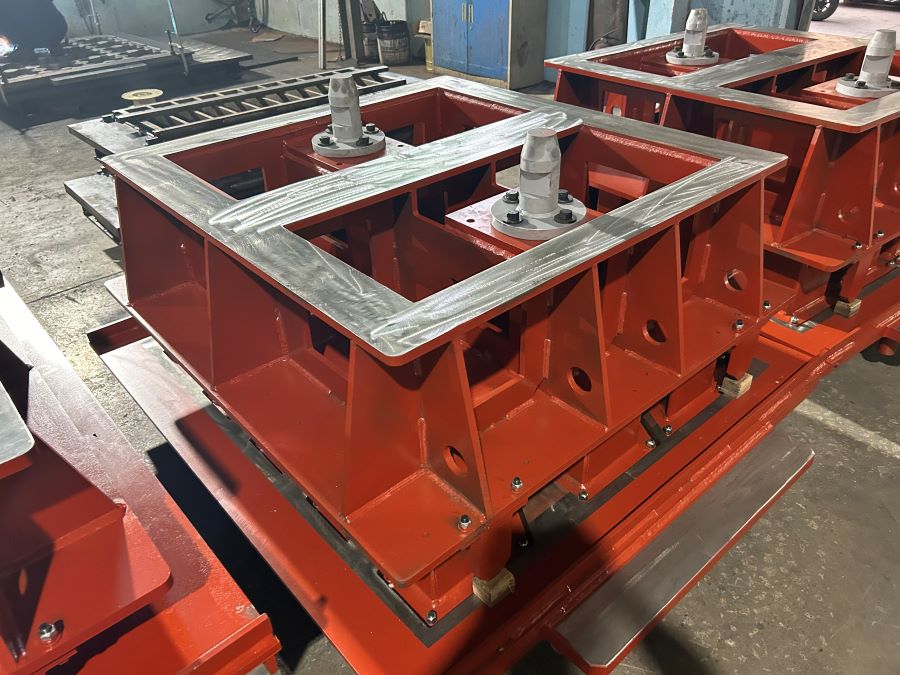
Hawen Machinery designs molds in accordance with the original specifications of leading international brands, including MASA, HESS, ZENITH, POYATOS, BESSER, and TIGER. By adhering to precise dimensional standards and tolerance requirements, these molds achieve accurate alignment, smooth demolding, and consistent block geometry regardless of machine origin.
This cross-compatibility mitigates transition costs and reinforces operational flexibility, attributes increasingly valued by multinational contractors and large-scale producers.
IV. Advanced Vibration Technology and Material Efficiency
Another salient trend concerns vibration engineering. Uniform compaction directly determines block density, surface finish, and structural integrity. It also influences cement consumption, which remains one of the most volatile cost variables in production.
Hawen Machinery adopts a four-shaft vibration box configuration, with eccentric weights strategically mounted outside the housing. This structural arrangement minimizes internal resistance during oscillation, facilitates homogeneous force distribution, and improves compaction uniformity. The result is enhanced block strength with optimized cement usage, thereby reducing production expenditure while elevating product quality.
Such innovations reflect the industry’s pivot toward performance optimization under resource constraints.
V. Sustainability and Low-Carbon Manufacturing
Environmental compliance has shifted from peripheral consideration to regulatory imperative. Carbon taxation mechanisms, green building certifications, and ESG investment standards are reshaping capital allocation decisions.
Modern block machines are increasingly engineered to accommodate diverse raw materials, including fly ash, slag, and recycled aggregates. This adaptability reduces reliance on virgin resources and aligns with circular economy principles. Furthermore, energy-efficient motors and optimized hydraulic circuits contribute to lower electricity consumption per unit output.
Manufacturers capable of quantifying carbon reduction metrics and lifecycle energy savings are positioned advantageously in both developed and emerging markets.
VI. Mold Compatibility and Cross-Platform Integration
In a globalized market, equipment interoperability has become strategically significant. Investors frequently operate mixed-brand production environments, necessitating molds that can integrate seamlessly across different platforms.
Hawen Machinery designs molds in accordance with the original specifications of leading international brands, including MASA, HESS, ZENITH, POYATOS, BESSER, and TIGER. By adhering to precise dimensional standards and tolerance requirements, these molds achieve accurate alignment, smooth demolding, and consistent block geometry regardless of machine origin.
This cross-compatibility mitigates transition costs and reinforces operational flexibility, attributes increasingly valued by multinational contractors and large-scale producers.
 VII. Regional Market Differentiation
Market maturity varies significantly by geography.
In developed economies, demand emphasizes automation, labor reduction, and digital traceability.
In emerging markets, robustness, ease of maintenance, and cost efficiency remain dominant priorities.
In frontier markets, modular and expandable production lines are favored to accommodate phased investment strategies.
Manufacturers that calibrate their product portfolios to regional capital structures and technical capabilities demonstrate stronger resilience against macroeconomic volatility.
VIII. From Machinery to Integrated Solutions
The competitive frontier is no longer confined to hardware supply. Forward-looking enterprises increasingly position themselves as solution providers, offering plant layout design, raw material testing, training, and after-sales digital support.
Hawen Machinery exemplifies this integrated approach by combining advanced hydraulic engineering, optimized vibration systems, intelligent control architecture, and cross-brand mold design within a coherent production ecosystem. This strategic orientation reflects an industry-wide transition from transactional sales to long-term industrial partnerships.
VII. Regional Market Differentiation
Market maturity varies significantly by geography.
In developed economies, demand emphasizes automation, labor reduction, and digital traceability.
In emerging markets, robustness, ease of maintenance, and cost efficiency remain dominant priorities.
In frontier markets, modular and expandable production lines are favored to accommodate phased investment strategies.
Manufacturers that calibrate their product portfolios to regional capital structures and technical capabilities demonstrate stronger resilience against macroeconomic volatility.
VIII. From Machinery to Integrated Solutions
The competitive frontier is no longer confined to hardware supply. Forward-looking enterprises increasingly position themselves as solution providers, offering plant layout design, raw material testing, training, and after-sales digital support.
Hawen Machinery exemplifies this integrated approach by combining advanced hydraulic engineering, optimized vibration systems, intelligent control architecture, and cross-brand mold design within a coherent production ecosystem. This strategic orientation reflects an industry-wide transition from transactional sales to long-term industrial partnerships.
 Conclusion: The Convergence of Technology, Sustainability, and Strategy
The market trends for concrete block machines reveal a sector in transformation rather than stagnation. Automation is replacing manual dependency. Precision engineering is superseding brute mechanical force. Sustainability considerations are redefining cost structures. Digital connectivity is dissolving geographical constraints.
Ultimately, the evolution of concrete block machinery mirrors the broader trajectory of global manufacturing: toward intelligence, efficiency, interoperability, and environmental accountability.
For manufacturers and investors alike, the question is no longer whether to adapt, but how swiftly and strategically they can align with these structural shifts. Those who internalize this paradigm will not merely survive cyclical fluctuations; they will shape the architectural foundation of tomorrow’s built environment.
Conclusion: The Convergence of Technology, Sustainability, and Strategy
The market trends for concrete block machines reveal a sector in transformation rather than stagnation. Automation is replacing manual dependency. Precision engineering is superseding brute mechanical force. Sustainability considerations are redefining cost structures. Digital connectivity is dissolving geographical constraints.
Ultimately, the evolution of concrete block machinery mirrors the broader trajectory of global manufacturing: toward intelligence, efficiency, interoperability, and environmental accountability.
For manufacturers and investors alike, the question is no longer whether to adapt, but how swiftly and strategically they can align with these structural shifts. Those who internalize this paradigm will not merely survive cyclical fluctuations; they will shape the architectural foundation of tomorrow’s built environment.





 Tel: +86-13905968794
 Email: export@hwmachines.com
 MP/WhatsApp: +86-13905968794
 Manufacturer Address:Nanan,Quanzhou City,Fujian Province,China