A custom concrete mould project may change after the first drawing is issued. A buyer may revise a block feature, clarify an installation connection or request a different product layout. Those changes need a clear technical record. Otherwise the quotation, workshop drawing and customer's expectation can describe different tools.
Hawen Machinery publicly lists hollow block, paver and kerbstone moulds. This article provides general drawing-control guidance for such projects. It does not establish a universal approval procedure or imply that a requested modification is automatically feasible. Confirm the actual review and manufacturing process with the supplier.
Establish the approved product and machine baseline
Identify the product drawing, mould reference, machine application and applicable interface information. Record which documents are approved and which remain preliminary. A photograph or a message stating looks good should not silently replace an identifiable drawing approval.
Separate the concrete product dimensions from the tooling and mounting dimensions. A change to one may affect another, but the relationship requires technical review. Keep every document connected to the same project reference so a supplier can determine which assembly the request concerns.
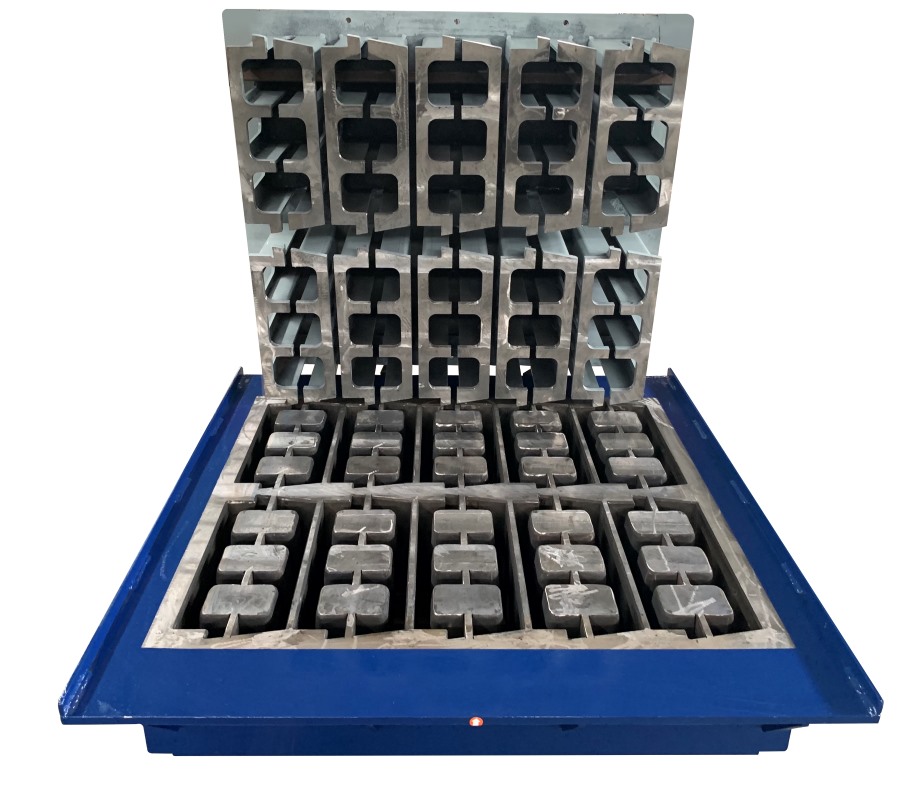
Hollow block mould reference: connect every proposed revision to the identified tooling set.
Describe the feature being changed and the reason
Mark the affected feature and state the intended requirement. Include the previous condition and the requested replacement where relevant. Explain whether the request corrects missing information or introduces a new requirement. This helps the technical team distinguish clarification from a scope change.
Describe the intended purpose without promising an outcome. A feature requested to assist an operation does not guarantee a particular cycle time or product result. Ask the supplier to assess feasibility and identify any further information needed before approval.
| Change record | Purpose |
|---|
| Affected drawing and feature | Locates the request precisely. |
| Technical impact review | Identifies connected dimensions, components and checks. |
| Scope and schedule impact | Keeps commercial expectations aligned with the design. |
| Released revision | Establishes the version authorized for the next stage. |
Review connected cavity, tamper-head and interface details
A feature change should be reviewed in the context of the assembly. Ask whether it affects the matched tamper head, mould layout, machine connection or inspection method. Do not assume that a small visual difference requires only a small manufacturing adjustment.
Identify whether manufacturing has already started. The available options, timing and cost may differ from a change made during initial design. Resolve those implications through the agreed project process before treating the revised drawing as an instruction to proceed.

Paver mould reference: assess a change against the complete assembly and intended product.
Release one identifiable revision for manufacturing
Keep the current approved set clear and mark superseded documents accordingly. Record who reviewed the change and which drawings were affected. If several people communicate with the supplier, use one coordinated approval route rather than leaving contradictory instructions in separate messages.
A useful review observation is whether the workshop and customer can identify the same current revision without searching through a chat history. If not, the project needs a clearer release record before the next manufacturing step.
Verify the revision at inspection and handover
Connect the completed tooling and inspection evidence to the released drawing. Confirm how the changed feature will be checked and which observations remain for installation or a production trial. Keep acceptance criteria separate from general promotional descriptions.
Retain the final reference after delivery. If replacement parts are ordered later, the plant needs the supplied configuration rather than the first quotation drawing. A reliable record reduces uncertainty when the same tooling returns for maintenance or further modification.

Kerbstone mould reference: preserve the final supplied configuration. Images do not document a particular design change.
FAQ
Is a marked photograph enough to approve manufacture? It may explain a request, but the relevant technical drawing and approval record still need confirmation.
Can a small feature change affect other parts? Potentially. Review the assembly rather than assuming the change is isolated.
Which drawing should be retained after delivery? Keep the final supplied and approved revision with its tooling reference.
Conclusion
Control a mould change through a clear baseline, a precise request, an impact review and an identifiable release. Verify the supplied tool against that record and preserve it for later support. This helps buyers and manufacturers work from the same technical requirement.




 Tel: +86-13905968794
 Email: export@hwmachines.com
 MP/WhatsApp: +86-13905968794
 Manufacturer Address:Nanan,Quanzhou City,Fujian Province,China