A forming machine can wait for production pallets even when the plant owns a large board fleet. The missing boards may be occupied in curing, waiting for product removal, held for inspection or delayed in transfer. Reviewing the return route helps the plant distinguish a true inventory shortage from a circulation problem.
Hawen Machinery publicly lists GMT pallets, pallet-providing equipment and production-handling systems. This article offers general operating checks for board circulation. It does not specify a universal pallet quantity, return speed or cleaning method; those depend on the installed process and supplied equipment.
Map the route from product removal to forming-machine supply
Identify where the board becomes empty and follow it through collection, cleaning, inspection, staging and re-entry. Mark manual and automatic transfers separately. Record who is responsible at each point so the route is understandable across shifts.
Include temporary locations used during maintenance or product changes. A board in an unrecorded staging area may look missing to the forming operator. The first improvement may be a clearer location record rather than additional equipment.
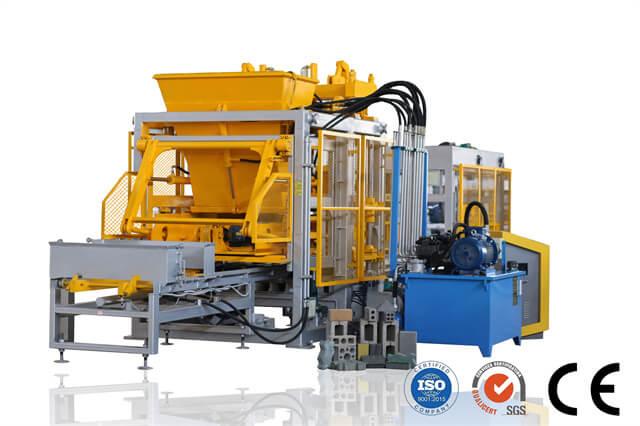
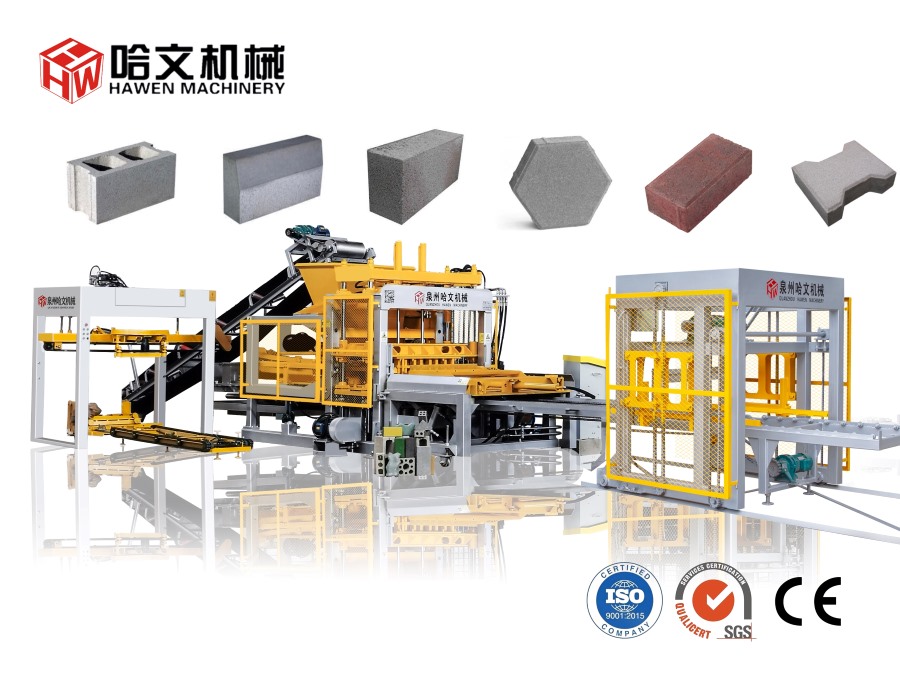
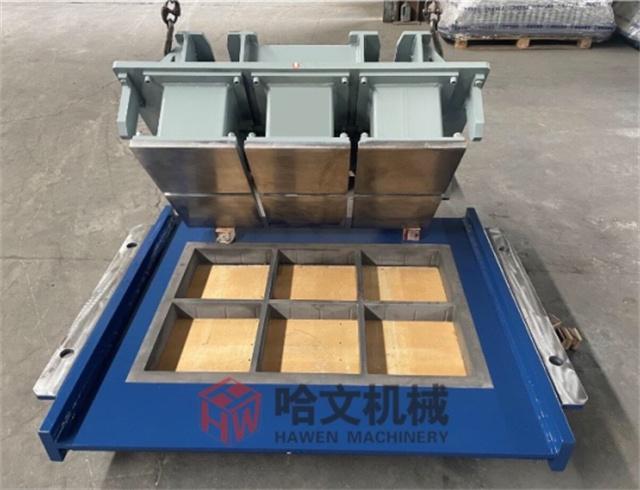
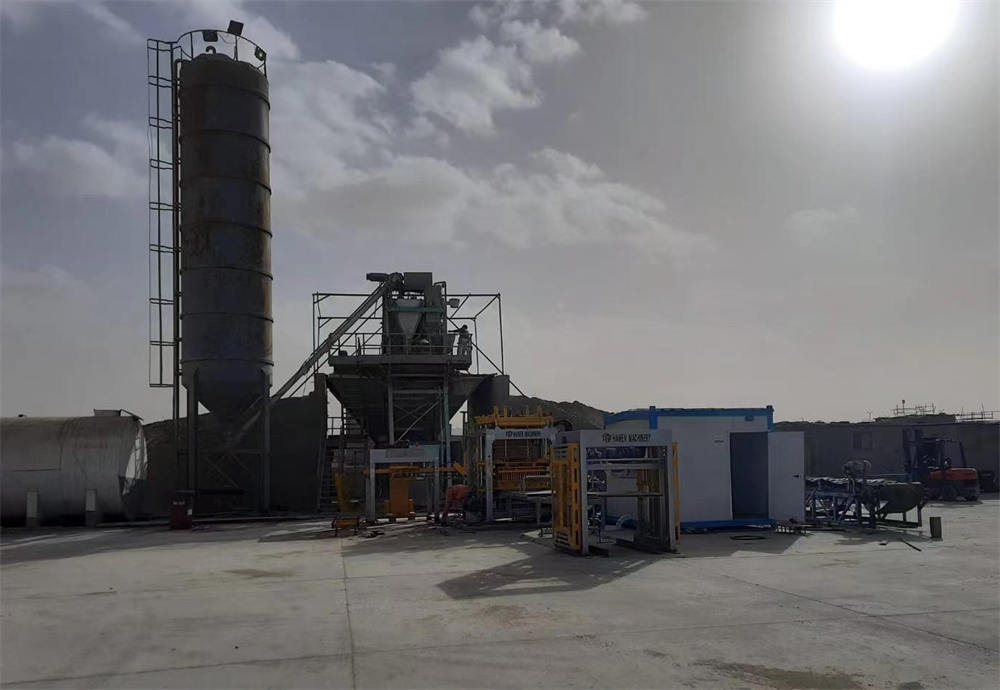
Line-layout reference: include the return route as well as fresh-product movement.
Count usable pallets by location and status
Separate total ownership from boards ready to feed the machine. Record occupied boards, empty usable boards, items awaiting cleaning and boards held for technical assessment. This breakdown shows whether the plant lacks inventory or cannot release existing inventory quickly enough.
Keep board types distinguishable where the plant uses more than one specification. A pile of available boards may not be suitable for the active machine or product configuration. Confirm compatibility through the relevant technical information rather than relying on similar appearance.
| Board status | Operating question |
|---|
| Occupied in production or curing | When can the relevant process release the boards? |
| Empty but awaiting cleaning | What capacity or responsibility delays preparation? |
| Held for inspection | Who determines reuse or removal from circulation? |
| Ready for machine supply | Can the transfer route replenish the active machine? |
Define cleaning and inspection handoffs
Use cleaning instructions appropriate to the supplied pallet and equipment. Identify the inspection point and the procedure for segregating questionable boards. An operator should not have to decide informally whether a visibly damaged board is acceptable while the forming machine waits.
Record repeat findings by location or operating period where practical. If damage clusters after one transfer, review that stage with the responsible technical team. Replacing boards without examining the route may leave the mechanism causing the loss unchanged.
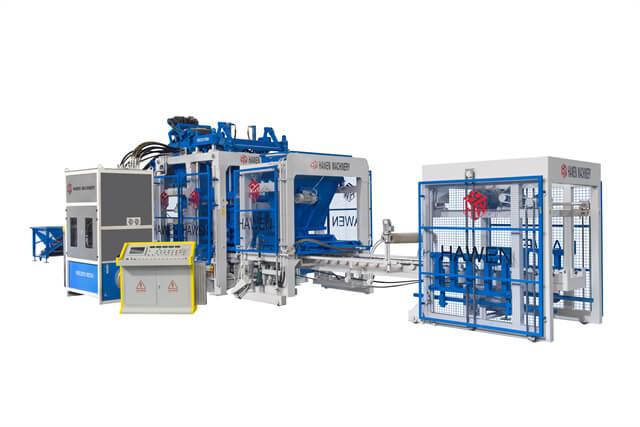
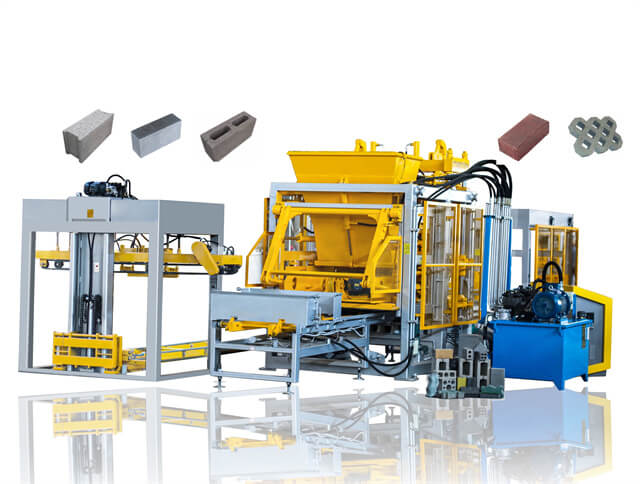
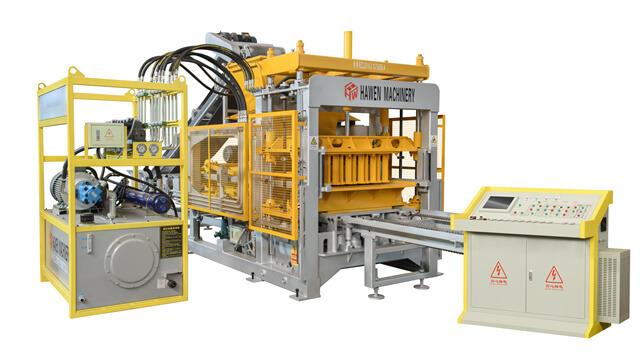
Forming-machine reference: a usable board must also reach the machine at the required time.
Observe return timing before increasing the pallet order
Follow circulation through a representative shift, including changes in product and batch release. Record when forming waits for boards and where boards are located at that moment. Average daily totals can conceal short periods of shortage followed by an excess of empty stock.
Compare the return sequence with the forming demand. If boards arrive in large intermittent groups, staging and replenishment timing may require attention. If the normal process genuinely occupies more boards than the fleet can support, additional inventory may be justified after technical and scheduling review.
A useful plant-review observation is whether a board shortage report names a location. Empty-pallet shortage is a symptom; boards waiting after product removal or held in cleaning identifies a process to investigate. Use that distinction to direct the next action.
Any equipment adjustment, access change or servicing must follow the supplied instructions and applicable site procedures. The circulation review describes where to gather information, not an instruction to bypass guards or intervene in moving equipment.
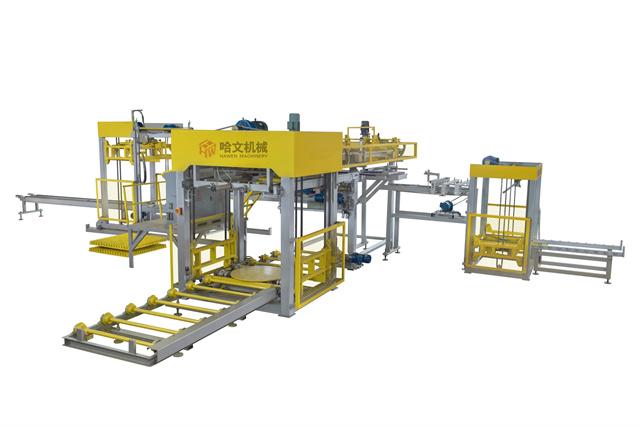
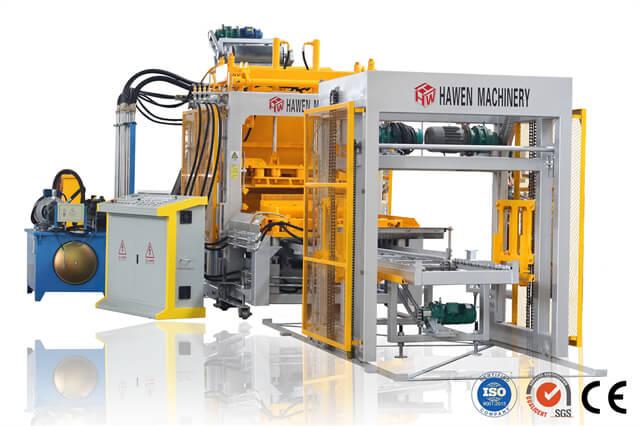
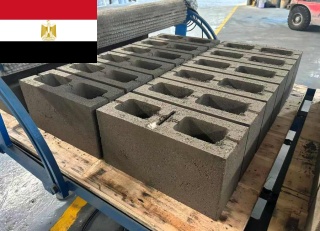
Cuber-system reference: product removal and downstream operations can influence board release. Images do not document a particular pallet-return installation.
FAQ
Does pallet shortage always require more boards? No. Check location, condition and return timing before deciding.
Should held boards count as available stock? Keep them separate until the responsible person authorizes reuse.
What is the most useful first record? Identify where boards are when the forming machine waits and what prevents their return.
Conclusion
Review empty-pallet return through location, usable status and timing. Map the route, define cleaning ownership and observe actual shortages across a shift. Buyers can then judge whether the right response is inventory, scheduling or an equipment-interface improvement.




 Tel: +86-13905968794
 Email: export@hwmachines.com
 MP/WhatsApp: +86-13905968794
 Manufacturer Address:Nanan,Quanzhou City,Fujian Province,China