A used concrete block machine can look complete in a photograph while important parts of its history remain unclear. The original configuration may have changed, repairs may involve undocumented components, and a demonstration may use a different mould or handling arrangement from the buyer's intended production. Records help turn those uncertainties into specific questions that can be checked.
The purpose of document review is not to certify condition from paperwork alone. It is to establish what machine is being offered, how its present arrangement developed, what evidence supports its operation, and what remains unverified. Physical inspection and technical evaluation still need to address the actual equipment.
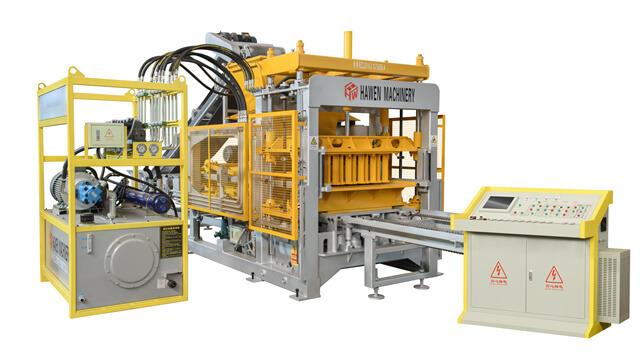
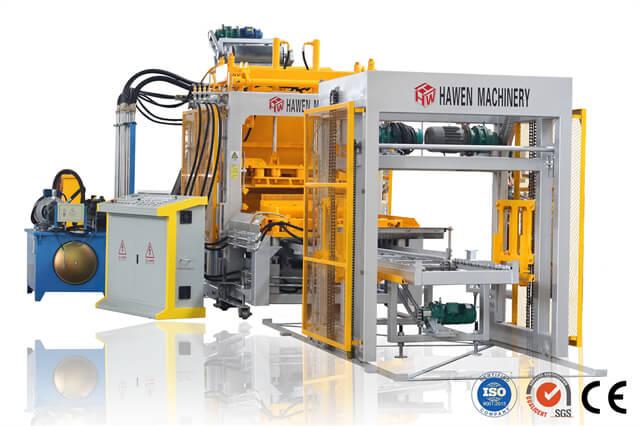
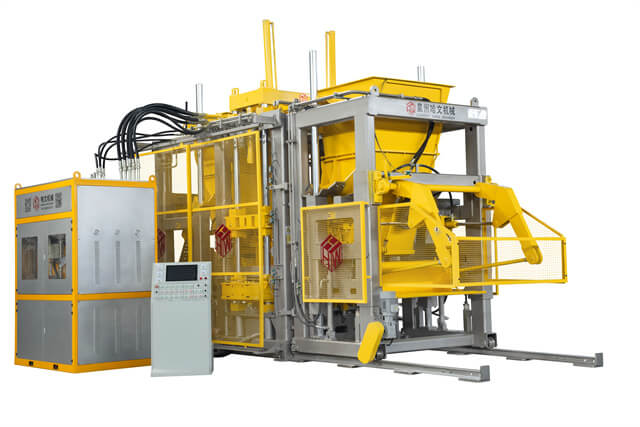
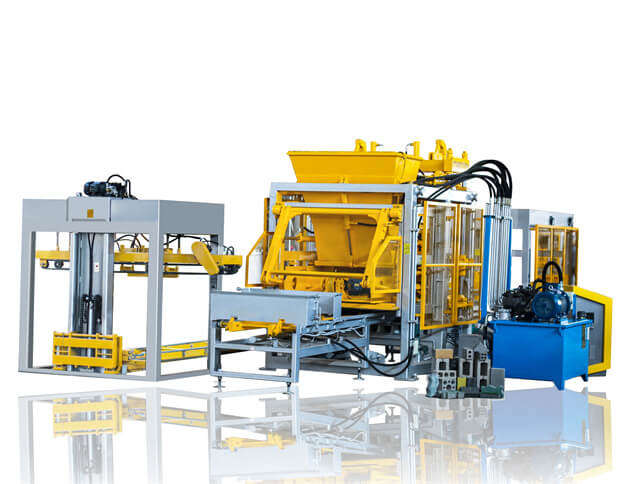
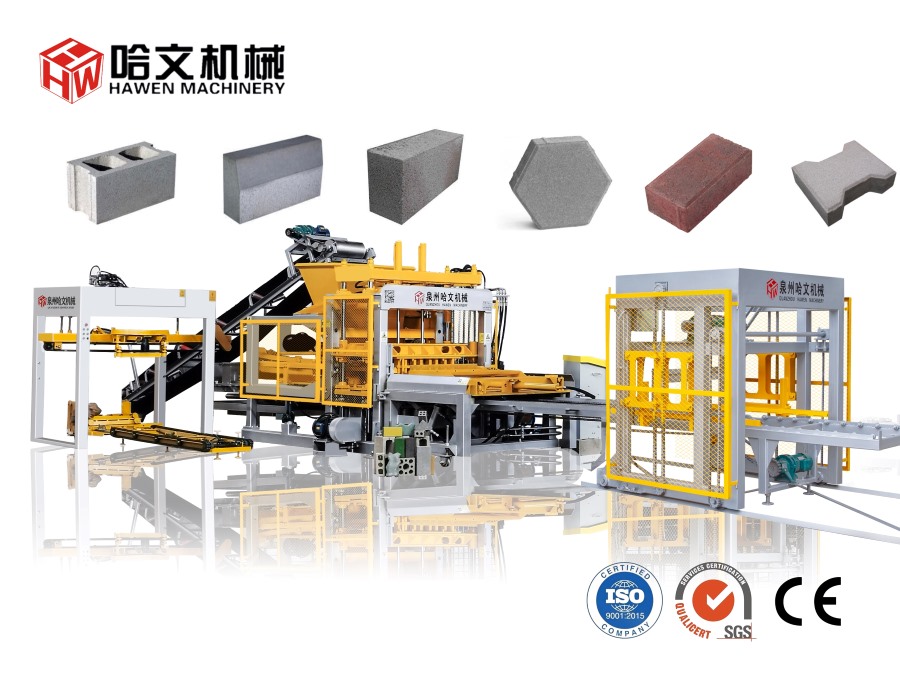
This guide focuses on records a buyer can request before purchasing a used concrete block making machine. The Hawen equipment photographs illustrate relevant assemblies; they do not represent a particular used machine for sale or prove the condition of a seller's equipment. Any inspection or operational test should be planned and conducted by appropriately qualified personnel.
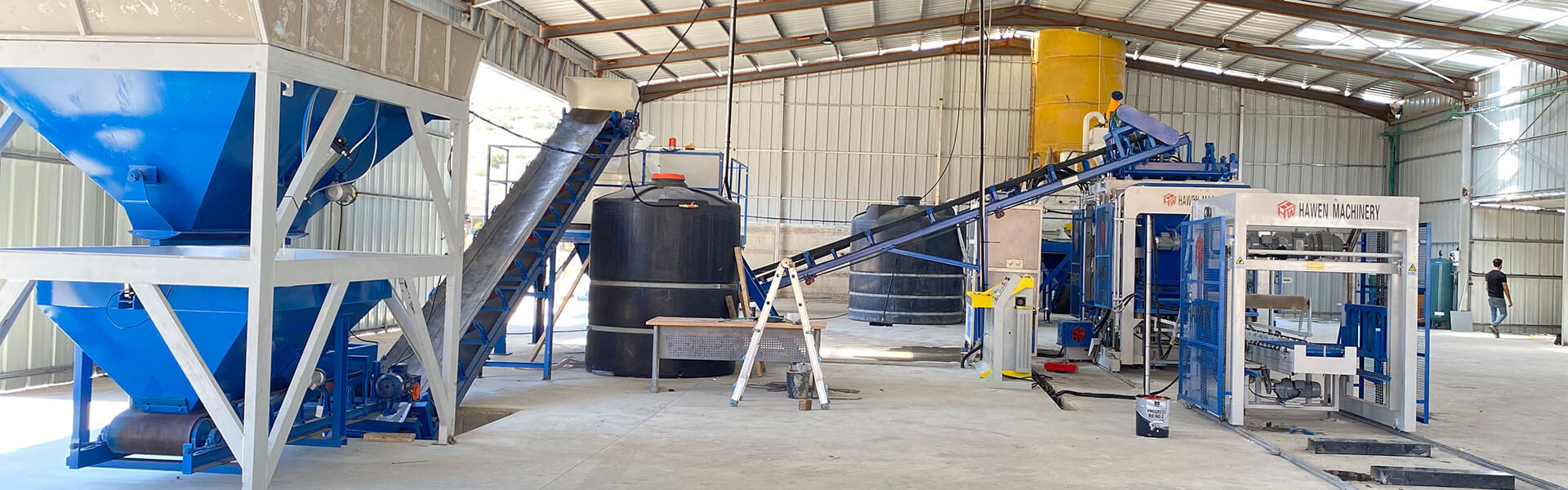
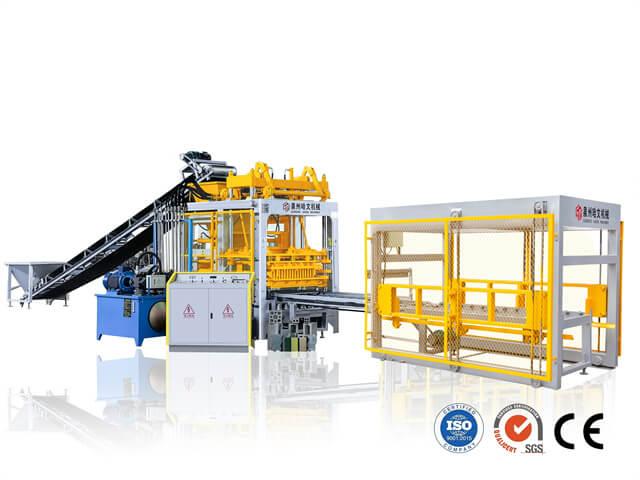
Equipment photographs help identify an arrangement; they are not a substitute for records of the specific used machine being offered.
Match the Machine Identity to Its Current Configuration
Start with clear identification photographs and a document list tied to the machine's serial number. Record the stated manufacturer, model, identification plate, and any available original supply documents. A familiar model designation alone is not enough: machines within a model family can differ in configuration, production pallet arrangement, controls, and auxiliary equipment.
Compare the original equipment list with a current layout and an itemized description of the offered installation. Identify the forming machine, hydraulic unit, control cabinet, feeding equipment, stacker, and any other included items. Where assemblies have separate identification, retain it. This makes it possible to connect a drawing, service invoice, or replacement part record to the correct item.
Request a record of significant changes since the original installation. A replacement drive, altered control system, revised feed arrangement, or different hydraulic component should have an explanation and applicable documentation. Missing change records do not automatically prove a defect, but they do reduce the confidence with which original specifications can be applied to the present machine.
When comparing the offered equipment with a current concrete block making machine configuration, keep the comparison specific. Product families provide useful terminology and configuration context; they do not establish compatibility with an older or modified installation. Ask the relevant supplier to review the identified machine and intended product rather than infer suitability from appearance.
Read Maintenance Records Alongside Operating History
Request dated maintenance and repair records, not only a statement that the machine was regularly serviced. Useful entries identify the assembly, reported symptom, work performed, parts installed, and follow-up result. Where a contractor carried out the work, the buyer should be able to distinguish the contractor's findings from the seller's summary.
Read maintenance history alongside the available operating history. The products previously made, operating pattern, raw material characteristics, storage periods, and recorded interruptions can help explain the service record. A long period without a maintenance entry might reflect limited use, incomplete documentation, or missed work; the document alone does not tell the buyer which explanation is correct.
Ask how reported operating hours were obtained and whether the control system or hour counter has changed. Hours can be useful context, but they are not a complete measure of wear or remaining life. Avoid treating an isolated counter photograph as stronger evidence than a coherent history supported by identifiable components and inspection findings.
From a procurement review perspective, a record that states the original fault and the post-repair check is more informative than an invoice listing parts without context. Use repeated entries to identify questions for the technical inspection. Do not assume that an expensive recent replacement resolves every related problem or guarantees a particular remaining service life.
Review Vibration and Hydraulic Repair Evidence
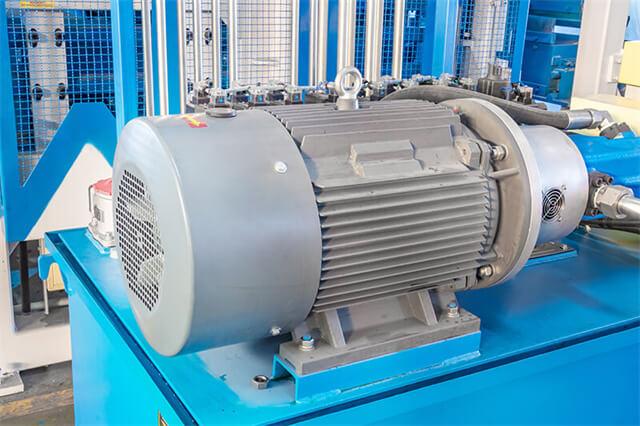
For the vibration system, request records that identify the installed arrangement and any significant repairs to the relevant motors, bearings, supports, or associated assemblies. The exact information depends on the machine design. Ask the reviewer to compare the installed components with the applicable documentation instead of assuming that externally similar parts are interchangeable.
For the hydraulic system, request component identification, the applicable circuit documentation, and service records for major changes or recurring faults. An account of pressure instability, overheating, leakage, or contamination should identify the investigation and subsequent checks where those records exist. A clean exterior or newly painted unit is not evidence that an operating problem has been resolved.
Keep the interpretation of those records separate from hands-on inspection. The buyer's qualified reviewer should determine which condition checks are appropriate, what access is needed, and whether an operational test can be conducted safely. This article does not provide adjustment settings, acceptable wear limits, or instructions for working on energized or pressurized equipment.
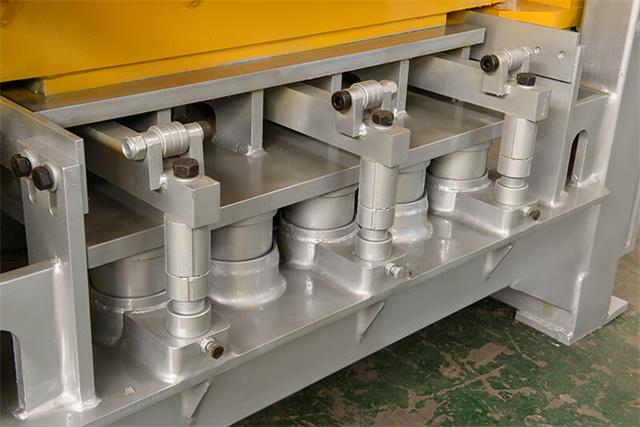
Repair history should identify the relevant assembly and explain what was inspected, changed, and checked afterward.
Check Control Drawings, Backups, and Support Access
Check whether the wiring diagrams, input and output lists, cabinet identification, and operating instructions correspond to the controls currently installed. Original drawings may no longer describe a retrofitted cabinet. Mark the revision and date of each document, and identify any sections that require confirmation rather than calling the entire folder current.
Request an inventory of the relevant controller, operator interface, drives, and other important control components. Establish the status of applicable software records and backups, including whether they belong to the offered installation and can be used by the authorized technical support team. A file name or a storage device is not proof that a usable, matching backup exists.
Clarify what support and access can legitimately transfer with the equipment. The original manufacturer's ongoing support, specialist service availability, software rights, and controlled access may need separate confirmation. Do not ask the seller to disclose passwords in ordinary correspondence. Arrange any necessary access transfer through an appropriate secure process with the responsible parties.
Have a qualified specialist review the condition and documentation of the safety-related systems as part of the equipment assessment. A normal production video cannot establish that protective functions are complete and suitable. Unexplained wiring changes or missing records should become explicit inspection questions, not assumptions that the machine can simply be restarted at another site.
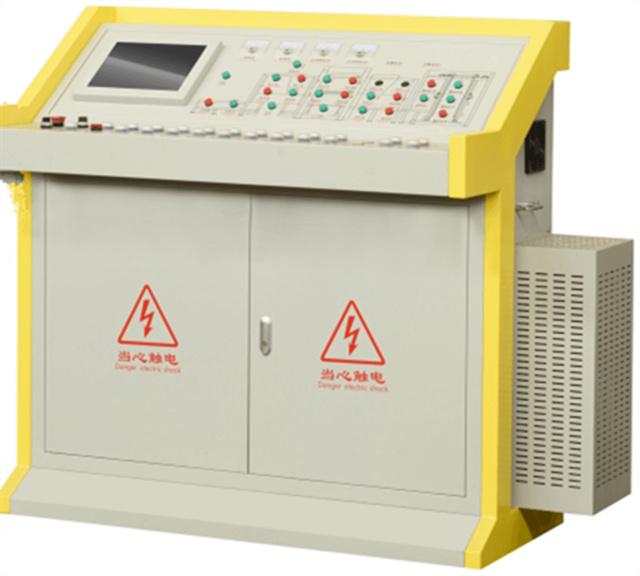
A control panel photograph is useful identification evidence, but drawings and the applicable software records require separate review.
Verify the Included Moulds and Production Pallets
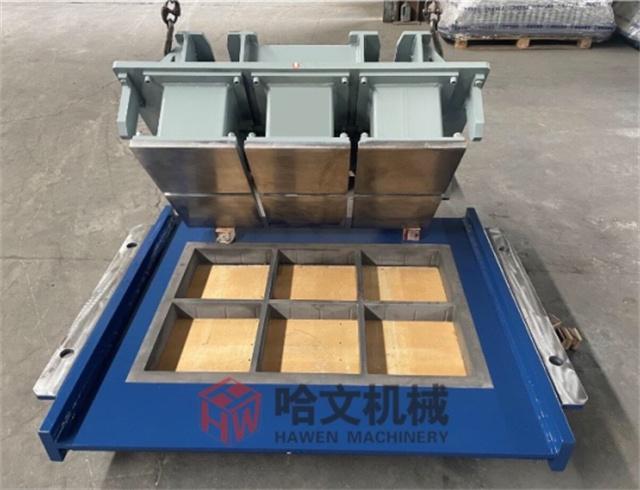
List every mould included in the offer by an identifiable product drawing, dimensions, and associated components. Confirm which tamper heads or shoes belong with each mould and which items are excluded. A photograph of several moulds in the seller's workshop does not establish that they are all part of the transaction or ready for use.
Request the available mould service and inspection records, then arrange a condition review against the intended products. The relevant reviewer should distinguish dimensional suitability, present condition, and compatibility with the offered machine. Those are different questions. A mould that can physically be fitted is not automatically evidence that it will make the buyer's required product consistently.
Document the production pallets being offered: quantity, nominal dimensions, material, identification where available, and the basis of any condition assessment. Keep production pallets distinct from shipping pallets or finished-product packaging. A total pallet count without usable-condition information can give an unrealistic impression of how much production the package can support.
Connect Trial Production Records to the Offered Machine
Ask for a trial record linked to the identified machine, installed mould, product drawing, and test date. Include the materials used and the relevant production arrangement. A demonstration of one standard product should not be treated as verification of every product in a seller's catalogue, particularly where the intended product needs a different feed or handling configuration.
Review the run record and inspection evidence together. Record what quantity was formed, what interruptions occurred, which units were inspected, and what acceptance requirements were used. Distinguish an uninterrupted video segment from a documented trial. Either may supply useful evidence, but they answer different questions and should not be described as equivalent.
Identify the limits of the demonstration. Fresh blocks leaving the machine do not establish their later strength or all other required product properties. Where a decision depends on cured-product results, request traceable test information under the applicable product requirements. Do not infer completed quality release from the appearance of newly formed units.
Agree who will review the trial evidence and how unresolved results affect the purchase decision. If the machine cannot be operated before sale, document that limitation clearly and evaluate what independent inspections can establish. An unavailable test is an evidence gap, not an invitation to replace verification with a promise about future output.
Define the Equipment and Records Included in the Transfer
Before commitment, prepare an evidence and scope schedule. It should connect the equipment list, document revisions, included tooling, available test records, and unresolved questions. Mark whether an item has been supplied, reviewed, or merely promised. This prevents a large document folder from creating the impression that every important issue has been checked.
Record Group
Evidence to Request
Buyer Decision
Identity and configuration
Nameplate, serial number, current layout, and change record
Confirm the documents describe the machine offered.
Maintenance and repair
Dated work orders, component identity, findings, and follow-up
Separate a recorded repair from an unverified assurance.
Controls and wiring
Applicable drawings, identified software versions, and backup status
Establish what can be maintained and supported.
Production trial
Product drawing, materials, settings, run record, and inspection results
Relate demonstrated output to the intended product.
Included equipment
Itemized list of machine, moulds, pallets, and auxiliaries
Avoid assuming a pictured item is included.
Open questions
Missing evidence, responsible reviewer, and resolution condition
Resolve material uncertainty before commitment.
Separate the equipment purchase from dismantling, transport, installation, and recommissioning responsibilities. Establish which parties will supply the necessary technical information and undertake the work. The retained records should be sufficient to explain the present configuration to those parties; they should not be treated as an installation plan by themselves.
Close material gaps before accepting a claim of production readiness. Where evidence remains unavailable, record the uncertainty and the agreed next verification step. Buyers should compare offers on what can actually be identified and assessed, not on the number of accessories pictured or on unsupported assurances that the previous owner had no problems.
Component identity and service documentation help a buyer distinguish an explained repair from an unresolved condition.
FAQ
Is the original machine invoice enough to verify a used machine?
No. It may help establish identity and the original supply scope, but it does not describe all later modifications, current condition, or the items included in the present offer. Compare it with the current equipment list, identification evidence, and technical records.
Does a recent overhaul prove the machine is ready for production?
Not by itself. Request the overhaul scope, findings, replaced components, and post-work checks. Then review the actual equipment and intended product requirements. The word overhaul can describe very different amounts of work.
Can a short video replace an independent inspection?
A video can show selected operating conditions, but it cannot resolve every condition, documentation, or safety question. Use it as part of the evidence package and define which issues still require qualified inspection or a more controlled trial.
What should a buyer do when important records are missing?
List the missing items and ask an appropriate reviewer what can be verified independently. Keep unresolved limitations visible in the decision. Do not substitute original model specifications for evidence about a modified machine's present configuration and condition.
Conclusion
Reviewing a used concrete block machine starts with matching records to the actual equipment. Establish identity, explain significant changes, connect repairs to follow-up evidence, and verify the status of controls documentation, tooling, and production trials. Keep physical condition and product suitability separate from the existence of paperwork.
Before making a commitment, request one controlled schedule of included equipment, applicable records, reviewed evidence, and open questions. Use that schedule to direct qualified inspection and clarify transfer responsibilities. A defensible purchase decision depends on what has been verified and what remains uncertain, rather than on appearance or an unexplained claim of production readiness.




 Tel: +86-13905968794
 Email: export@hwmachines.com
 MP/WhatsApp: +86-13905968794
 Manufacturer Address:Nanan,Quanzhou City,Fujian Province,China