Small orders create a different planning problem from continuous production of one standard concrete block. Each order may be commercially worthwhile, yet its quantity may not align with a complete production pallet, a convenient mixing batch, or an efficient mould campaign. Producing extra units can simplify the immediate run while leaving the yard with stock that has no clear customer.
A useful small-order schedule connects confirmed demand, usable inventory, production quantities, and dispatch readiness. It should show why a product is being made, which orders will receive it, and what happens to any remaining quantity. This is not the same as keeping the block machine busy for as many hours as possible.
This guide explains how a production planner can organize small concrete block and paver orders without treating excess stock as an unavoidable consequence. It does not prescribe a universal minimum order quantity or curing duration. Those decisions depend on the product, approved process, quality requirements, equipment configuration, and actual market demand.
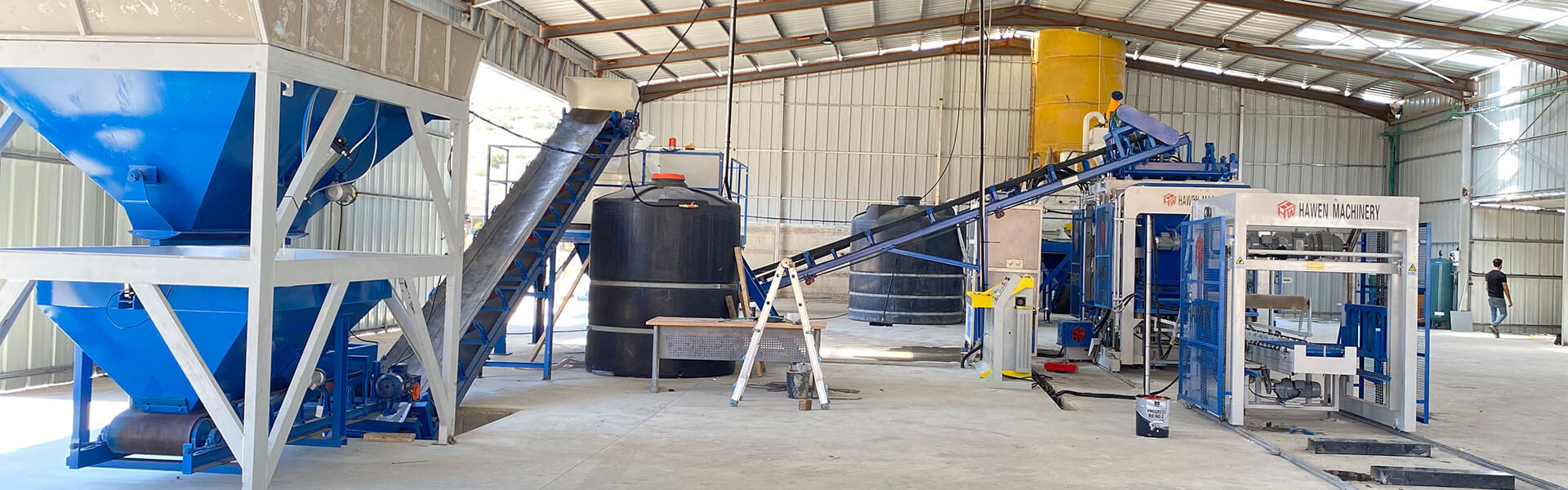
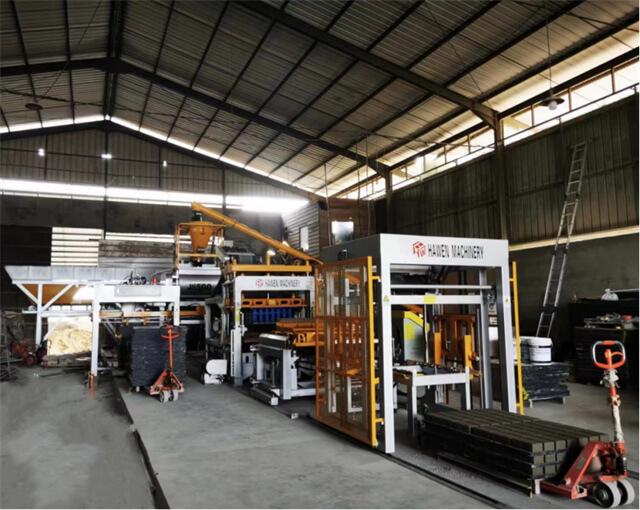
A block production schedule needs to account for the forming machine and the equipment that handles its output.
Translate Small Orders into Product and Pallet Units
Begin with an unambiguous product identity. Record the approved drawing or product code, dimensions, colour, surface finish, and relevant revision. Two orders described simply as grey pavers may require different thicknesses or finishes. Combining them on the basis of a short sales description can produce a scheduling mistake that only becomes visible at packing.
Translate each order into the units used by production. A customer may buy paving by area, masonry units by piece, and a delivery by packaged load. The schedule should retain the original commercial quantity and show the controlled conversion into pieces and production pallets. Use the actual approved product arrangement rather than a generic conversion taken from another mould.
Identify how many units the selected mould produces on each pallet and how dispatch packaging relates to that quantity. These are separate quantities. A complete forming pallet does not necessarily correspond to one saleable pack. Recording both prevents the planner from mistaking convenient machine output for the customer's required delivery quantity.
For a multi-size paving product, also check the required pattern or layer composition. A total piece count alone may hide a shortage of one size and a surplus of another. Keep the applicable composition visible in the order record and verify that the planned production arrangement can supply it without undocumented substitutions.
Separate Saleable Stock from Reserved and Held Products
Review existing inventory before creating a new production requirement. Separate stock that is released and available from stock reserved for other customers, awaiting inspection, held for a quality concern, damaged, or still in curing. A yard count is a physical observation; available stock is a planning status supported by records.
Allocate usable stock to an order only after checking product identity and any relevant appearance requirements. Matching a product code may not establish that two production lots are acceptable together for a visible paving area. Where the customer has approved a particular appearance or lot arrangement, retain that condition rather than merging quantities solely to close an inventory balance.
Calculate the remaining requirement after valid allocation. Keep the allocated stock linked to the customer order so that another planner does not promise the same units again. If an allocation is later withdrawn, update both the inventory status and the production requirement; a note in a sales message is not enough to keep the schedule current.
Distinguish confirmed orders from forecast replenishment. A standard product with repeat demand may justify an approved stock target, while a bespoke colour or special geometry may not. Label those production purposes separately. Otherwise, extra units made for convenience can gradually appear in the system as planned stock even though nobody authorized their quantity or storage period.
Group Production Campaigns by Mould and Mix Requirements
Group compatible orders into production campaigns where doing so reduces unnecessary changes without losing delivery control. Relevant differences can include the mould, product height, base mix, face-mix arrangement, pigment, and packaging requirement. Define what must remain the same for orders to share a campaign instead of assuming that products with similar names can run together.
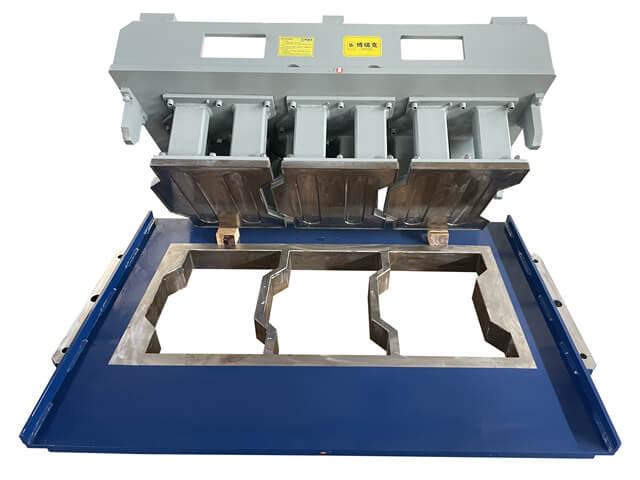
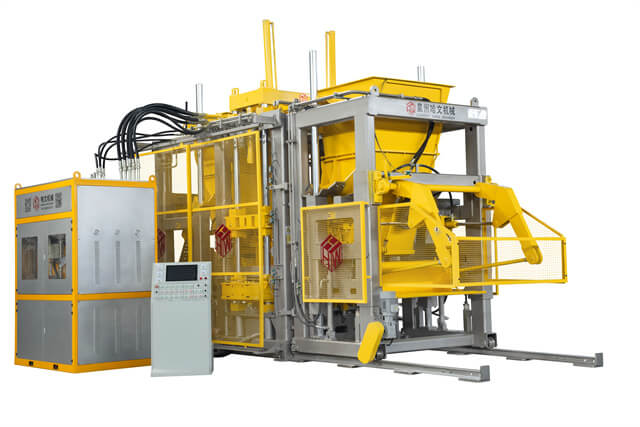
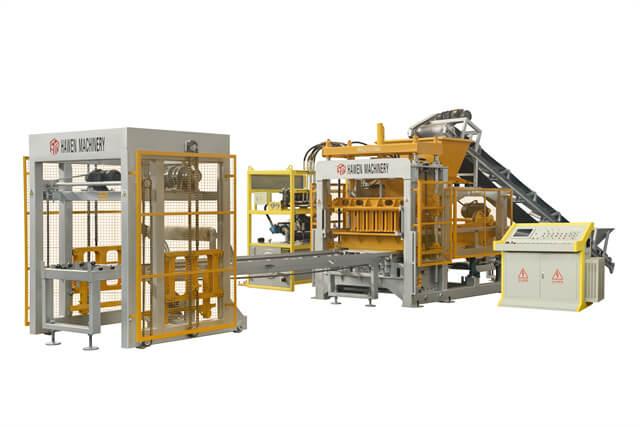
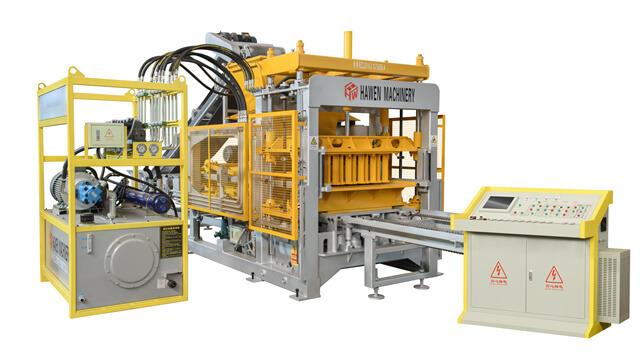
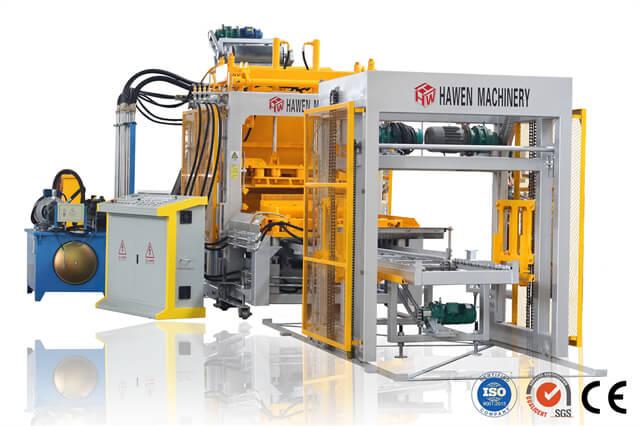
Mould compatibility remains a technical condition, not merely a scheduling preference. Buyers reviewing a QT10 automatic concrete block and paver production line should confirm the proposed product configurations and handling arrangements with the supplier. The schedule must use those confirmed arrangements rather than assume that changing the mould makes every product automatically compatible with the entire line.
Include the preparation and verification work around a campaign. The required mould must be available and suitable for use; the approved recipe and materials must be ready; and the initial production checks must be completed under the plant's procedures. Do not hide those activities inside a theoretical cycle-time calculation or shorten necessary checks to fit a crowded order list.
Colour sequencing needs a plant-specific review. A convenient sequence may still require cleaning and verification to prevent carryover into the next product. The planner should obtain the required changeover allowance from the responsible production team. A schedule should not instruct operators to bypass cleaning or quality checks simply because the following order is small.
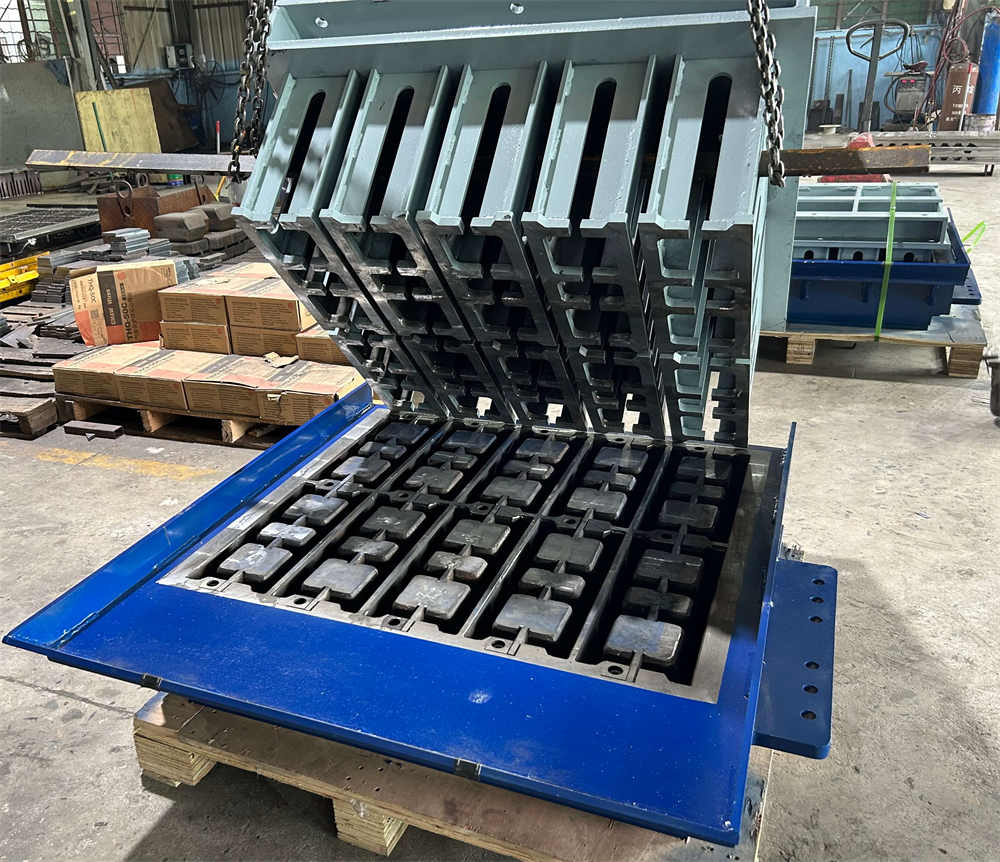
Mould availability and the approved product specification help define which orders can share a production campaign.
Schedule Backward from Dispatch and Quality Release
Work backward from the actual dispatch commitment. Identify when the order must be released, packaged, staged, and ready for loading, then determine when forming needs to occur. Forming completion and dispatch readiness are different milestones. An order should not be promised for delivery merely because its last production pallet is scheduled to leave the machine.
Use the approved curing and product-release requirements for the relevant product and conditions. Avoid inserting one assumed curing duration across the schedule. Quality status may depend on the applicable checks and release decision, not elapsed time alone. Where a release time remains uncertain, show that uncertainty to sales rather than converting it into a firm customer promise.
Check occupancy as well as elapsed time. Several short runs can collectively occupy curing positions, production pallets, or holding space that the next campaign needs. The plan should show when those resources are expected to become available. Moving material to another location does not make a capacity problem disappear if the alternative location cannot support the required process.
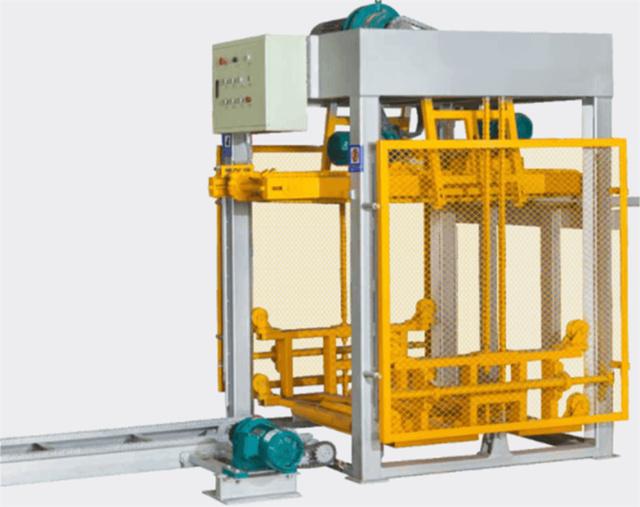
Account for downstream handling and packaging availability. A stacker, pallet return arrangement, cubing system, or manual handling team may have different operating windows from the forming machine. Confirm the configured production route for each product and ensure that an apparently open machine slot does not feed into an unavailable handling stage.
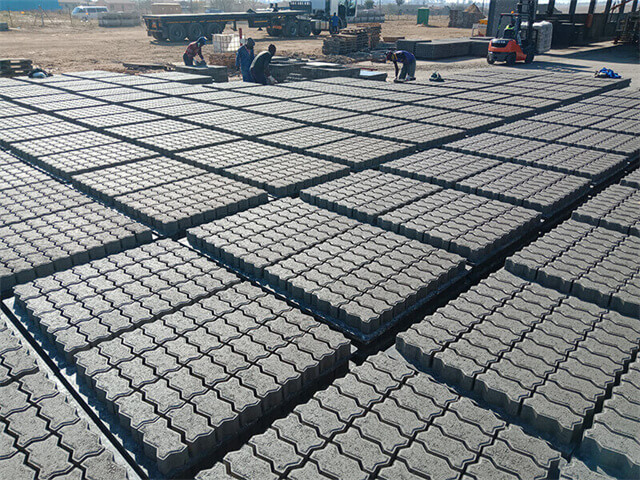
Products in curing occupy production space but should not automatically be counted as stock available for dispatch.
Approve Production Rounding Before the Run
Make rounding visible before releasing the run. If a remaining requirement does not divide into complete production pallets, show the planned pallet count and the corresponding gross pieces. Separately identify the expected accepted quantity using relevant production history where available. Do not disguise every difference between gross output and the order balance as a standard allowance.
Separate rounding surplus from replacement allowance. Rounding comes from the chosen production or packaging unit; a replacement allowance addresses a documented yield risk. They have different reasons and should be reviewed independently. Adding both without checking their interaction can leave an avoidable surplus, especially when an order is much smaller than a normal campaign.
A simple quantity review starts with confirmed demand less valid stock allocation, then compares that balance with expected accepted output from the planned run. Any positive balance after all intended orders are allocated is proposed surplus. Record its intended destination, owner, and review date. This calculation is a planning aid, not permission to assume that every unit formed will pass inspection.
From an order-review perspective, the useful question is not whether a few more pallets would improve immediate machine utilization. It is whether those pallets have an approved commercial purpose after quality release. A recurring standard item and a custom colour can justify different decisions even when their production quantities are identical. Make the decision before the run, while there are still alternatives.
Review the Weekly Schedule Against Actual Constraints
Maintain one current schedule shared by sales, production, quality, and dispatch. Each campaign should identify the linked orders, product revision, planned pallets, material readiness, mould availability, expected release window, and any approved surplus. The level of detail should support decisions without requiring operators to search through several conflicting versions.
Planning Check
Record to Review
Decision
Product identity
Drawing, dimensions, colour, finish, and revision
Combine only genuinely interchangeable demand.
Available stock
Released quantity less reservations and allocations
Use the order balance, not the total yard count.
Campaign size
Pallet output, batch requirements, and expected accepted yield
Approve any rounding surplus before production.
Capacity window
Forming, changeover, handling, and curing occupancy
Check the full route rather than nameplate output.
Dispatch readiness
Quality release, packaging, and loading commitment
Promise a delivery window based on released products.
Schedule revision
Changed quantity, reason, owner, and affected orders
Keep one current plan across sales and production.
Set a controlled point after which order changes require a review of the affected campaign. A late quantity increase may consume capacity already promised to another order; a cancellation may turn previously justified output into excess stock. Record who approves the revision and which dispatch commitments need to change. A schedule update is incomplete until the affected teams can see it.
Compare planned and actual outcomes after each campaign. Review accepted output, held quantities, changeover duration, curing occupancy, and unallocated stock. Investigate repeated differences before adjusting future assumptions. For example, persistent excess inventory may come from incorrect unit conversions or uncontrolled order amendments rather than from the block machine itself.
When evaluating equipment or expanding a plant, use the same order pattern as a test of the proposed operating plan. Ask whether the configured mould options, pallet handling, and production route support the expected mix of order sizes. High nominal output does not by itself resolve a planning problem caused by fragmented demand and limited storage.
Pallet handling capacity belongs in the schedule alongside forming time and the quantity ordered.
FAQ
Should every small order trigger a separate production run?
No. First check released stock and compatible confirmed demand. Orders can share a campaign when their product and delivery requirements genuinely match. Keep allocations separate so that combining production does not remove individual customer requirements or allow the same stock to be promised twice.
Is it always cheaper to make extra units than to change the mould again?
There is no universal answer. Compare the actual changeover burden with storage occupancy, handling, the likelihood of repeat demand, and the risk of unsold custom products. Any planned stock production should have an approved purpose; machine utilization alone is not a complete cost comparison.
Can products in curing be counted as available inventory?
They may be recorded as work in progress, but they should not automatically be treated as released stock. Keep their quality and process status visible. A delivery commitment should reflect the applicable release requirements and remaining packaging or handling work.
What should happen when accepted output is below the order balance?
Record the actual shortfall and review a controlled recovery plan. Check whether suitable released stock exists, whether another compatible campaign can supply the balance, or whether the delivery commitment needs revision. Do not hide the shortfall by allocating held or nonconforming products as saleable inventory.
Conclusion
Scheduling small concrete block and paver orders starts with accurate demand, not a target to keep the forming machine continuously occupied. Translate quantities into the actual production units, allocate only suitable released stock, group compatible campaigns, and plan backward from quality release and dispatch. Review the full handling and curing route before promising an available slot.
Before approving the next schedule, ask for a clear explanation of every proposed surplus quantity and every unresolved release assumption. Buyers considering new equipment should review whether the proposed configuration supports their real order pattern. The better plan is the one that can explain what will be made, which customer will receive it, and what resources are needed to deliver it.






 Tel: +86-13905968794
 Email: export@hwmachines.com
 MP/WhatsApp: +86-13905968794
 Manufacturer Address:Nanan,Quanzhou City,Fujian Province,China