Precision machining is an important part of manufacturing a concrete block mould, but buyers need more than a workshop video to evaluate it. A visually clean tamper head does not by itself prove dimensional conformity, correct assembly or suitability for the customer's machine. The useful question is how the component is manufactured and checked against the agreed drawings.
Hawen Machinery manufactures concrete moulds and presents hollow block, paver and kerbstone moulds in its public product range. When discussing a custom mould, buyers can use the following inspection framework to connect manufacturing workmanship with the requirements of their actual product and equipment. It does not prescribe universal tolerances or promise a particular service life.
What the tamper head must match in a concrete mould
The tamper head works with the mould cavities during forming. Its configuration must correspond to the product geometry, the associated mould components and the machine connection. Treating it as an isolated steel part overlooks those relationships. A supplier needs the intended concrete unit and relevant machine information before the design can be finalized.
A buyer should distinguish the finished block dimensions from the dimensions of the tooling. Both matter, but they are not interchangeable. Ask the supplier which drawings define the mould assembly and which inspection records will confirm its manufactured features. If an existing mould is being replaced, identify whether it represents the current approved design or includes undocumented modifications.
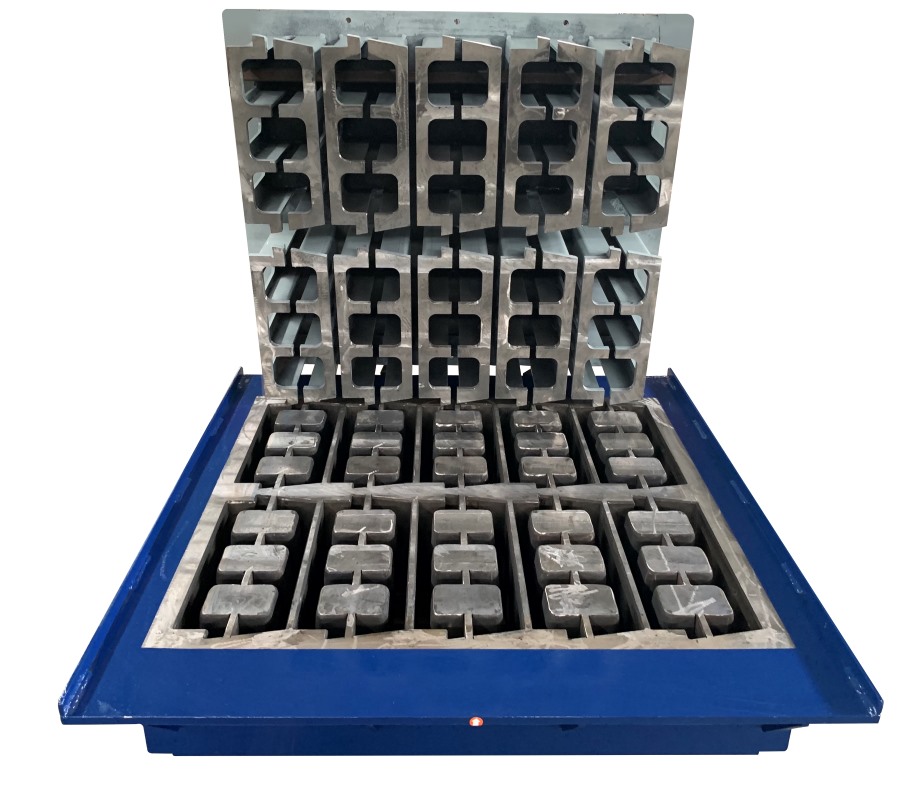
Hollow block mould reference: evaluate the tamper head in relation to the complete mould assembly.
Turn the product drawing into tamper-head inspection questions
Begin with an approved drawing revision. Identify the features that shape the concrete product, the relevant mounting information and the relationships between components. Ask which dimensions require inspection and what acceptance criteria apply. The answer should come from the agreed technical documentation rather than an unsupported statement that all moulds use the same accuracy.
Special features need clear identification. If a customer requests a surface detail, release-related modification or a change to an existing design, link the request to a drawing note. This makes it possible to check whether the feature was incorporated without confusing the request with a guaranteed production outcome.
| Review point | Evidence to request |
|---|
| Product-facing geometry | The approved drawing and inspection of the specified features. |
| Machine connection | Confirmed interface information for the actual equipment. |
| Assembly relationship | A matched-assembly review against the agreed technical requirements. |
| Design changes | Revision references showing which requirements were incorporated. |
Evaluate machining evidence beyond a polished surface
A machining video can show the operation being performed, but the viewer cannot reliably determine all dimensions or material properties from the footage. Use video to understand the manufacturing sequence, then request the documentation relevant to the agreed purchase. Do not infer hardness, dimensional tolerance or tool life from surface appearance alone.
Ask whether the demonstrated component belongs to the supplied assembly and how it is identified. An overall view followed by close-ups helps connect individual features to the complete part. The useful distinction is between manufacturing illustration and an inspection result: one explains the process, while the other supports a defined acceptance decision.
A practical workshop-review observation is that the strongest discussion often starts at the drawing rather than the machine. When the reviewer can point to a feature and ask how it was checked, craftsmanship becomes connected to an observable requirement rather than remaining a promotional description.

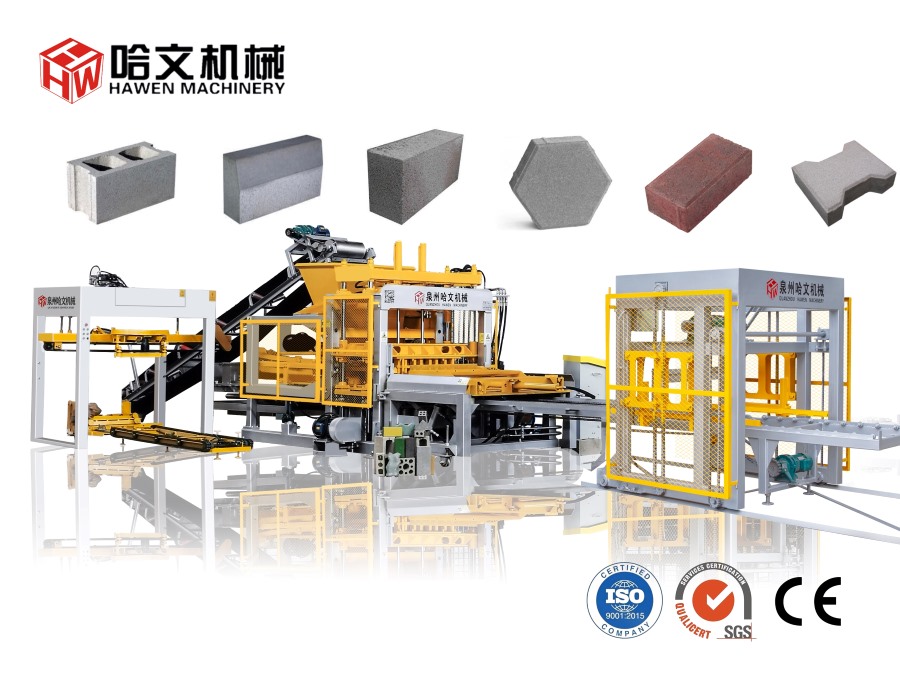
Paver mould reference: different product geometries require their own drawing-based checks. This image does not document a machining inspection.
Check the tamper head with its matched mould components
Component conformity is one part of the review; the assembled relationship is another. Confirm that the supplied head and mould are the intended matched set and that the relevant connections have been reviewed. Agree how the assembly will be checked before shipment and what remains to be verified on the customer's machine.
If a material trial is included, identify the product, materials and observations used. A successful run can provide useful evidence under those conditions, but local mix characteristics, machine setup, pallet condition and operation still influence production. Keep these factors visible rather than attributing every finished-product characteristic to machining alone.
Keep drawing and component identification available after delivery
Record the supplied mould reference, applicable drawing revision and any approved changes. This information helps the plant order a replacement component or explain a later production concern. A photograph is useful support, but it should not replace the documented identity of the tooling.
Ask which inspection and maintenance guidance accompanies the supply. Follow the manufacturer's instructions for handling, installation and servicing. If wear or damage appears, document the observed condition and production context before requesting technical advice. A traceable history helps distinguish a design question from an operating or maintenance issue.

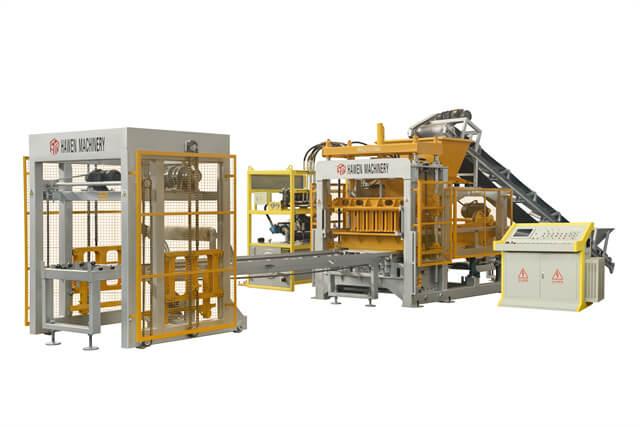
Kerbstone mould reference: retain the identification and drawings for each product-specific tooling set.
FAQ
Does a smooth finish prove a tamper head is accurate? No. Accuracy must be assessed against specified dimensions and an appropriate inspection method.
Can the same inspection checklist cover every mould? A common structure is useful, but the features and acceptance criteria must match the particular design.
What should a buyer retain after delivery? Keep the tooling reference, approved drawings, relevant inspection records and supplied operating guidance.
Conclusion
Evaluate tamper-head machining through the product drawing, inspection evidence and the matched assembly. Manufacturing care matters most when it is connected to requirements the buyer can review. Before ordering, agree the design references, checks and delivery records needed for the actual mould project.




 Tel: +86-13905968794
 Email: export@hwmachines.com
 MP/WhatsApp: +86-13905968794
 Manufacturer Address:Nanan,Quanzhou City,Fujian Province,China