A factory acceptance test for a concrete block machine is most useful when it answers agreed questions about the equipment being supplied. A video of a moving machine may show that a sequence operates, but it does not automatically demonstrate the buyer's intended product, local material compatibility or complete plant performance. Buyers should define the test before the demonstration so the resulting evidence supports a real purchasing decision.
Hawen Machinery's public website lists forming machines, concrete moulds, mixers and other production equipment. The guidance below concerns how a buyer can structure an equipment test discussion; it does not describe a guaranteed Hawen test package. The agreed proposal and contract should define which checks apply to the specific project.
Decide what the factory test must establish
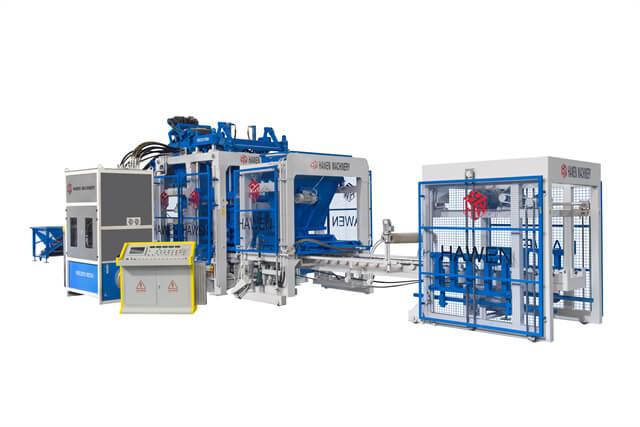
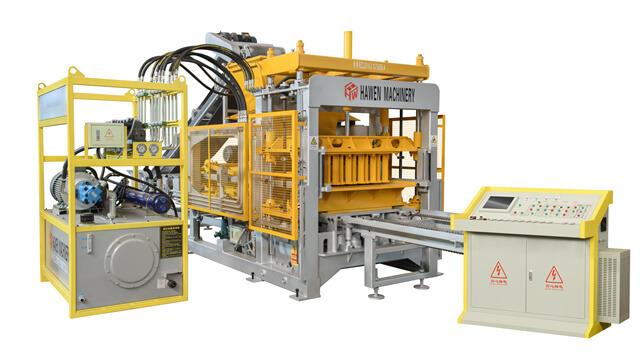
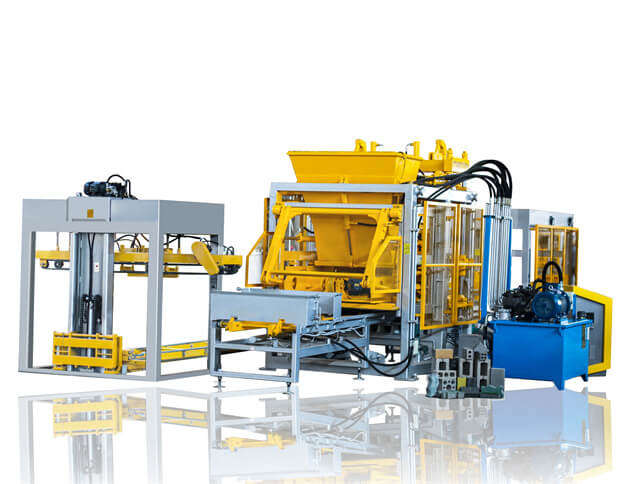
A forming-machine reference image: identify the exact configuration covered by the agreed factory test.
Begin with the purpose of the test. A buyer might want to verify equipment identity, demonstrate an operating sequence, review a supplied mould or observe a representative product run. These objectives require different evidence. An empty cycle can help demonstrate movement and controls, while a material run provides additional observations about filling, forming and release under the conditions actually used.
Write the questions in observable terms. Instead of asking whether the machine works well, identify the functions to demonstrate and the records required. Agree who witnesses the test, how observations will be recorded and who can accept the result. If an item remains open, the record should explain what needs further review rather than silently treating it as passed.
Identify the tested machine and mould configuration
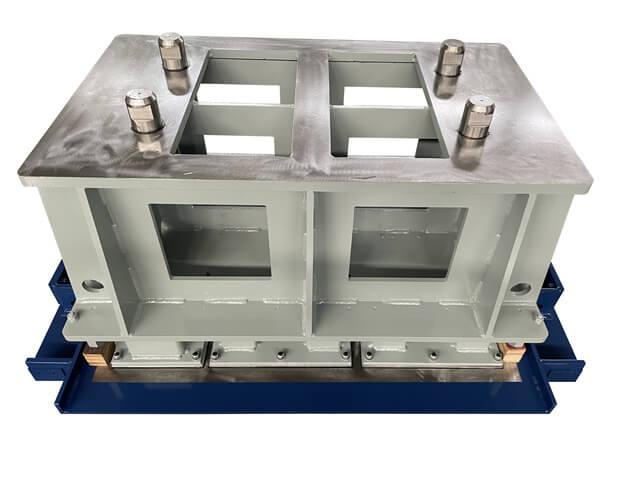
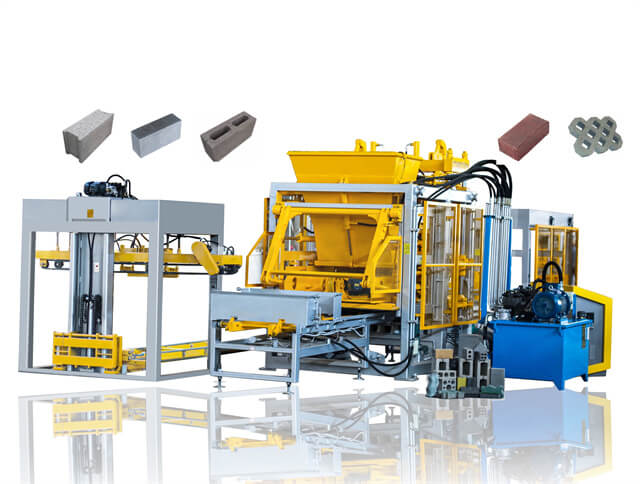
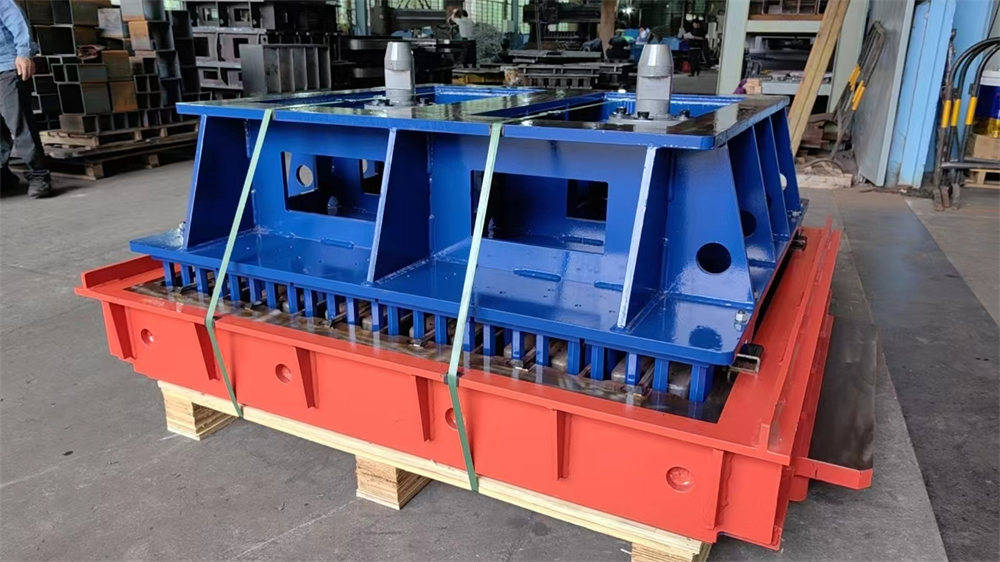
A hollow block mould reference: connect the tested mould to its approved product drawing.
Link the demonstration to the supplied equipment list. Record the machine identification, mould drawing reference, production-board dimensions and relevant accessories. Where the demonstration uses equipment not included in the order, state that clearly. A buyer should be able to distinguish the purchased package from supporting factory equipment visible in the background.
Confirm which product the mould represents. Product geometry and cavity arrangement influence the forming process, so a demonstration with one simple unit should not be presented as verification of every future product. If several moulds are included, agree whether each receives a separate check and what that check covers. Maintain drawing revisions so the test record refers to the version approved for manufacture.
| Test item | Evidence to agree |
|---|
| Equipment identity | Machine and supplied assembly references connected to the order. |
| Mould and product | Approved drawing revision and the unit used in the run. |
| Operating demonstration | An agreed sequence and a factual record of interruptions or adjustments. |
| Outstanding work | Named actions, responsible parties and the required completion evidence. |
Agree materials and operating conditions before interpreting results
If concrete is used, record the material basis of the demonstration. Factory materials may differ from the buyer's aggregates, cement and moisture conditions. That does not make the test useless, but it limits what can be concluded. Describe the run as evidence under identified conditions rather than proof that the same settings will work unchanged at the destination plant.
Define the observation period and any performance measurement method in advance. A single favorable cycle is not equivalent to sustained production. Equally, a test should not be expanded into an unagreed endurance exercise. The objective is a clear, proportionate procedure that both parties can prepare for and interpret consistently.
Record concrete product observations and adjustments together
During a material run, connect product observations to the operating sequence. Record the product reference, visible fresh-unit condition, interruptions, changes made and the result of the next check. If dimensions are measured, identify the method and acceptance basis. Product testing requirements should come from the relevant agreed specification, not from an improvised claim during filming.
A useful video-review practice is to request continuity around important events. Footage showing the machine, material supply and fresh-product exit together helps the reviewer understand the sequence. Close-up views support detail inspection but should be linked to the relevant equipment and run. Edited footage can explain a process; it should not be the only basis for a measurement that depends on elapsed time.
Separate factory findings from site commissioning requirements
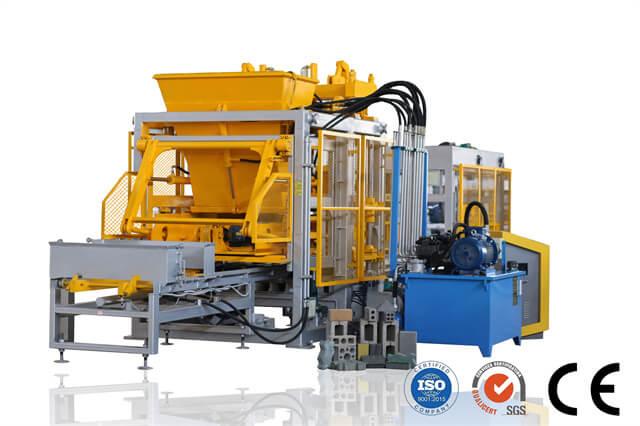
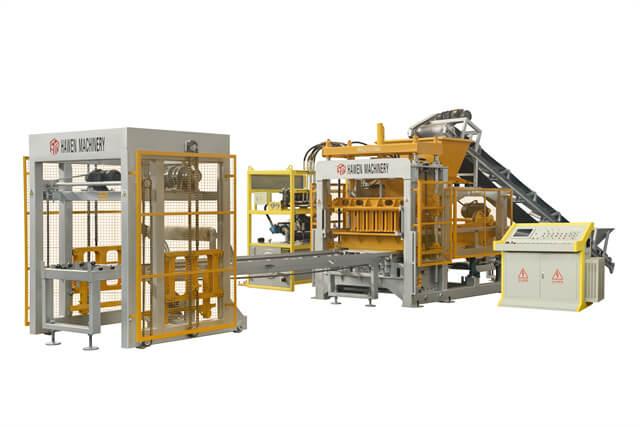
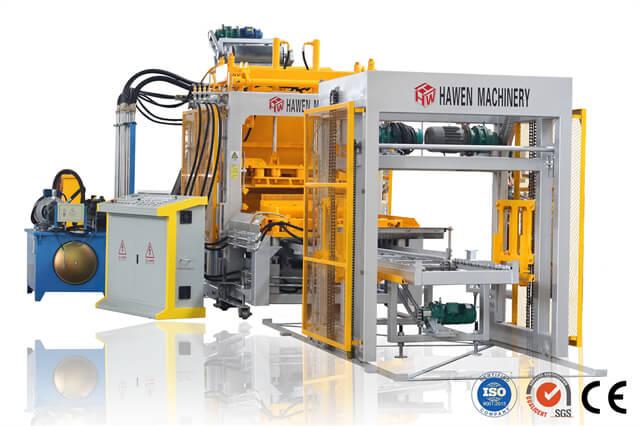
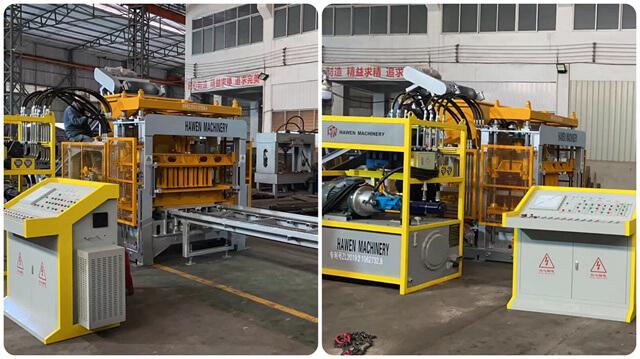
A production-line reference: site commissioning must also address equipment interfaces and downstream handling. Images illustrate equipment, not a documented acceptance test.
Site foundations, utilities, installation, local materials and downstream handling still need verification after delivery. List these as commissioning responsibilities rather than assuming the factory test completes them. A successful factory run is one stage in acceptance, not a substitute for checking the installed production line.
Close the test with an agreed report. Separate completed checks, observations requiring monitoring and items needing corrective work. Attach the relevant drawings and records. Before authorizing the next contractual milestone, review the report against the agreed process so both parties understand the status.
FAQ
Does a factory video prove finished-product compliance? Not by itself. Compliance requires the relevant product checks and testing under an agreed specification.
Should the buyer's materials be used? Discuss feasibility and the purpose of the test. Whatever materials are used, record them and acknowledge the limits of comparison.
What should happen when a check cannot be completed? Mark it as outstanding and agree an owner, action and verification step.
Conclusion
Define a factory test through observable questions, an identified configuration and agreed evidence. Record operating conditions, product observations and unresolved work together. Buyers can then use the results to make a documented decision while preserving the separate checks needed during site commissioning.




 Tel: +86-13905968794
 Email: export@hwmachines.com
 MP/WhatsApp: +86-13905968794
 Manufacturer Address:Nanan,Quanzhou City,Fujian Province,China