A concrete block production line may travel in several shipment groups rather than arrive at the site together. The forming machine, batching and mixing equipment, conveyors, moulds, pallets, cabinets, and loose components can have different preparation or transport arrangements. Split delivery can support a project schedule, but its value depends on whether each group contains what the next installation activity actually needs.
The first container to arrive is not automatically the first useful installation stage. A large assembly may be present while its associated supports, connecting parts, drawings, or handling arrangements are still outstanding. Buyers therefore need to plan around dependencies and package contents as well as transport dates. The relevant question is what the site can complete with the equipment and information available at that point.
This guide explains how buyers and project coordinators can review a split delivery plan for an automatic concrete block plant. It focuses on grouping, identification, document control, and readiness decisions. The actual arrangement must reflect the supplied equipment, approved installation method, site conditions, and responsibilities agreed with the supplier and logistics team.
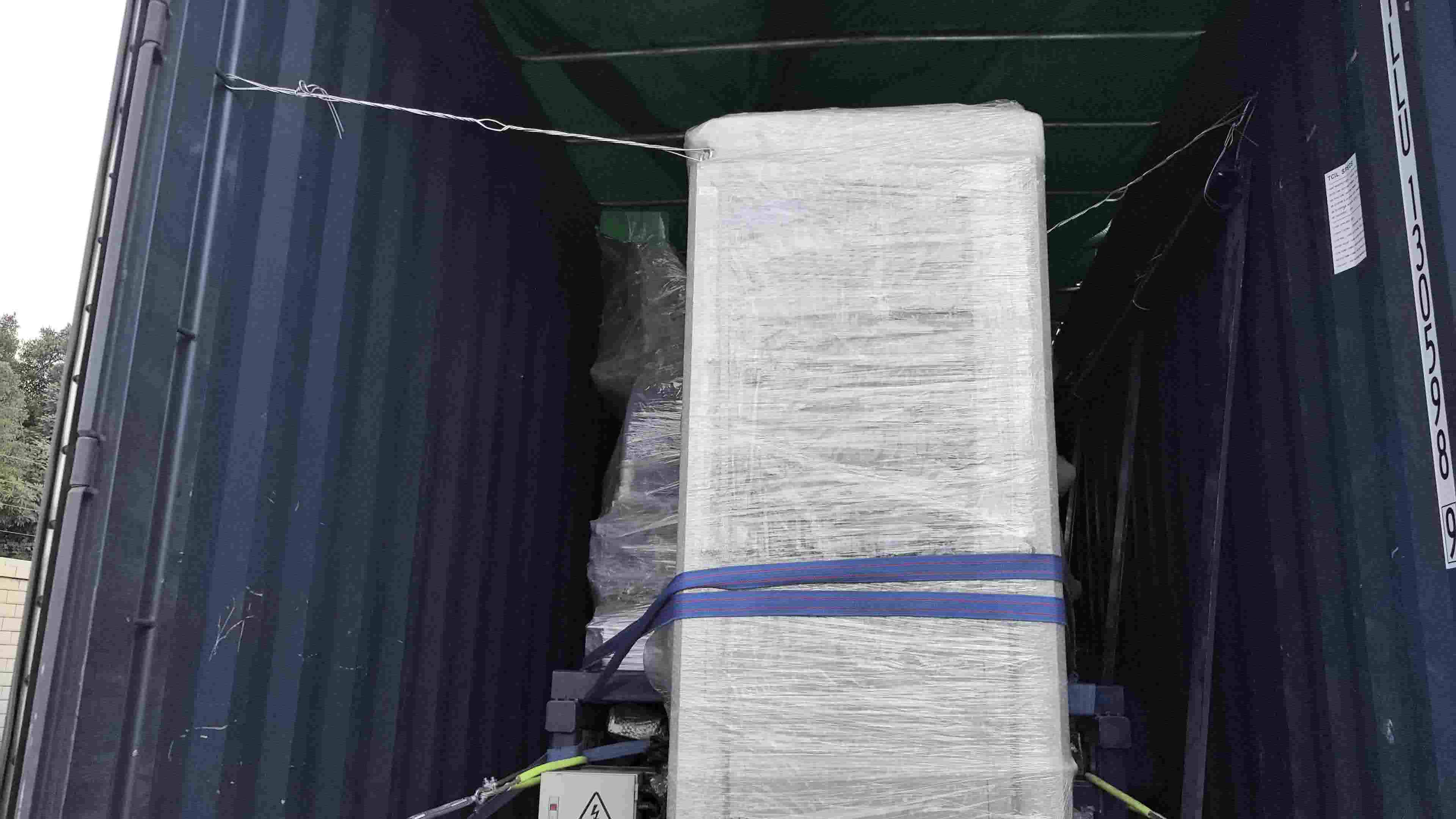
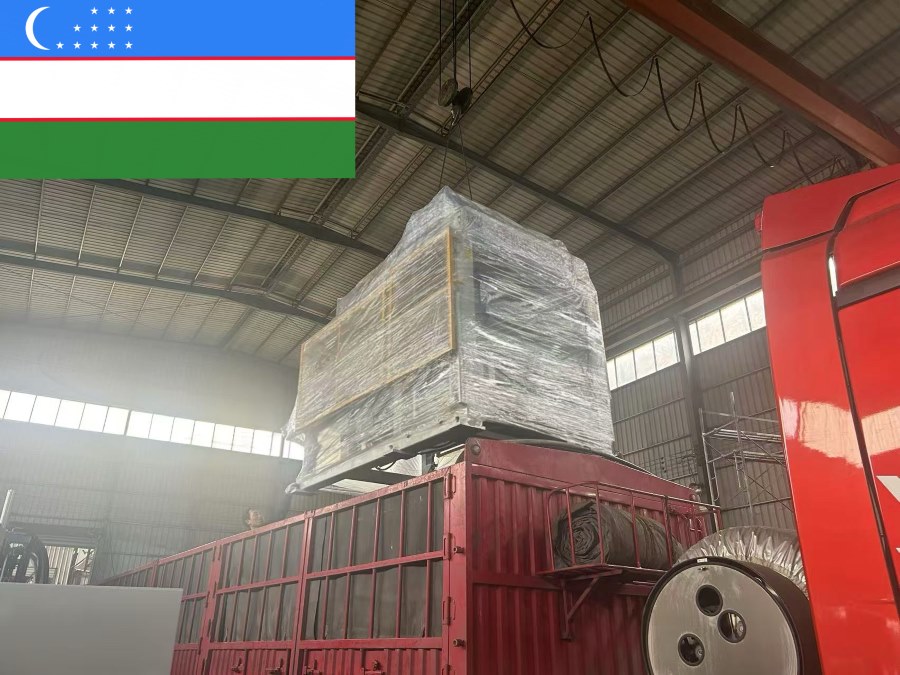
An export shipment illustrates the equipment delivery stage; the grouping and sequence for a split delivery must be planned for the actual project.
Define the Purpose of Each Delivery Group
State why the project is considering split delivery. The reason may involve equipment availability, transport arrangements, building readiness, or an agreed installation sequence. A clear purpose helps the team evaluate the proposal. Sending items earlier has limited value if the site cannot receive, locate, or use them under the project plan.
Give each delivery group a defined objective. It may provide equipment for an installation activity, bring remaining assemblies for an integrated stage, or deliver separately identified tooling and accessories. Record the objective in terms that the supplier, receiving team, and installation coordinator can recognize. A label such as first shipment explains its order but not its intended contribution.
Agree what the group is expected to make possible and what remains outside its scope. The presence of a forming machine does not by itself establish that a complete production process is available. If the buyer expects installation work to begin before all equipment arrives, the supplier and site team should confirm the particular activity and its prerequisites.
Assign responsibility for maintaining the sequence plan. Purchasing, production planning, logistics, and the installation team may each hold part of the information. Use one controlled reference for shipment grouping, required items, and open dependencies so a change discussed by one team is not missed by another.
Map Installation Dependencies Before Choosing the Shipment Order
Start from the proposed installation activities and identify what each one needs. Relevant prerequisites can include the designated equipment, approved foundation information, site preparation, handling arrangements, associated components, and current instructions. Use the supplier's actual installation requirements rather than inferring the sequence from a general product photograph or sales layout.
Separate physical dependencies from information and site dependencies. An assembly may depend on another installed frame or support, but work may also depend on an approved drawing or a site responsibility being completed. Record these categories clearly. A delivery schedule that lists equipment alone can appear complete while a required decision or site condition is still unresolved.
Check the direction of access and the order in which equipment will occupy the work area. Later installation may become difficult if an earlier delivery is placed in a position that blocks the intended route. The site team should review the arrangement using the actual dimensions and approved handling plan. This is a project planning check, not a substitute for the installation method.
Ask the supplier to review the dependency list before assigning assemblies to transport groups. A change in the order may affect which components need to travel together or which activity can be completed first. The useful outcome is an agreed sequence linked to the selected configuration, not an assumption that every block plant follows the same installation order.
Keep Installation Kits and Matching Assemblies Traceable
A shipment can contain the major equipment while leaving an installation-critical box in another group. Identify the associated parts and documents required for each planned activity. Depending on the supplied scope, these may include supports, connecting components, specified fasteners, accessories, or assembly information. Confirm the actual contents with the supplier rather than creating a generic list and assuming it is complete.
Where the supplier defines an installation kit, preserve its identity through packing and receiving. If the contents are divided between packages or shipments, show the relationship explicitly. Record which package contains each required item and which delivery group carries it. Avoid marking a kit complete solely because its main or largest component has been dispatched.
Keep matching or project-specific items traceable to their intended assemblies. Similar-looking parts can belong to different positions or versions. The packing information should provide the supplier references needed for the installation team to identify them. If a part is substituted or revised, update the relevant documents and obtain the appropriate confirmation before treating the change as resolved.
Distinguish installation requirements from spare stock. A box described informally as spares may contain an accessory needed for the initial assembly, or it may hold items intended only for later maintenance. Clarify that distinction in the supply and packing records. The site should be able to tell which items are required for the planned stage without relying on informal recollection.
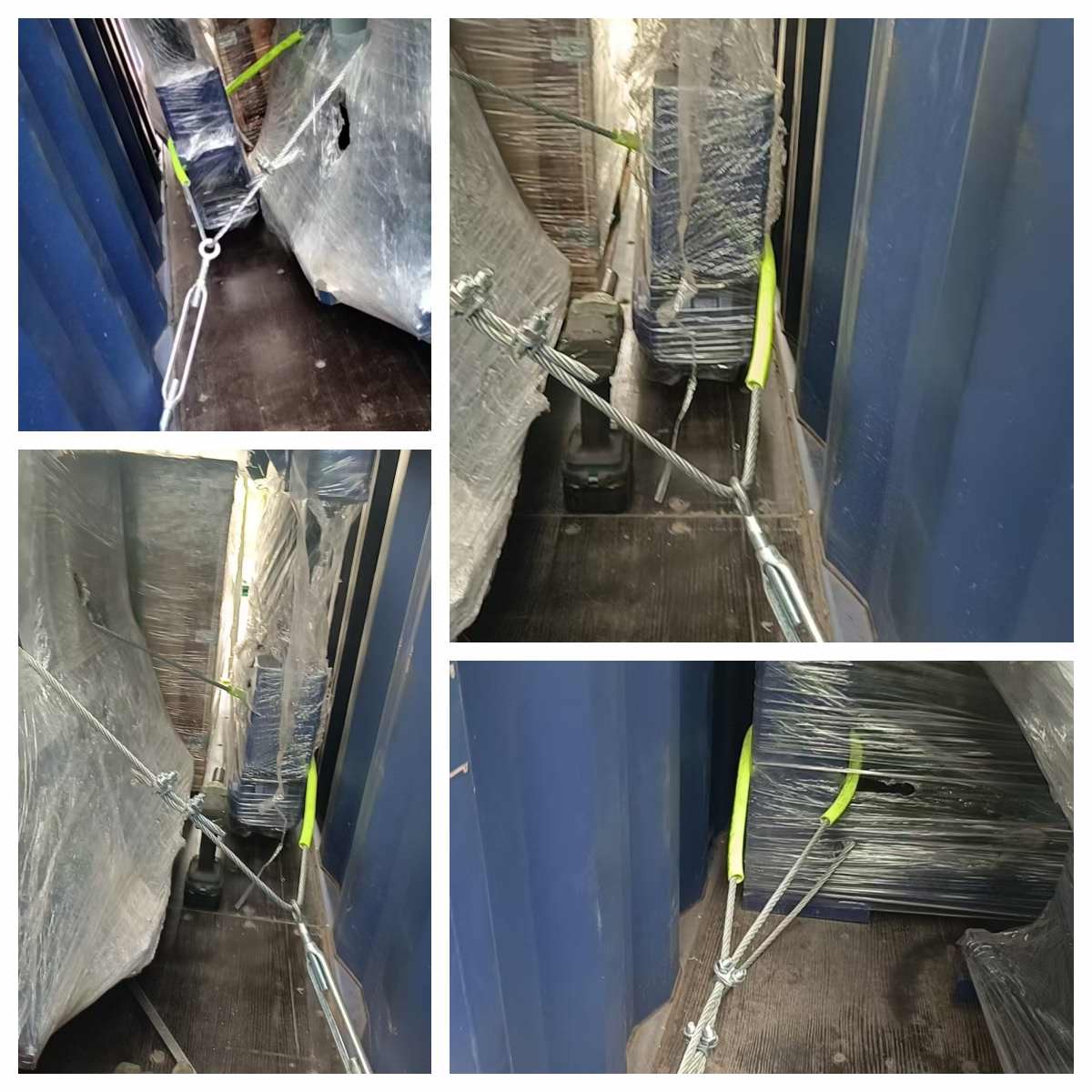
Package references should connect major equipment and separately packed items to the installation activity they support.
Connect Packing Lists with the Approved Drawing Revision
Identify the equipment list and drawing revision used to prepare the shipment plan. If the selected configuration changes, the grouping should be reviewed against that change. A packing list can match an earlier scope while the site expects the current design. Keep the revision relationship visible so the receiving and installation teams know which documents belong together.
Prepare a packing list for each group and retain a consolidated project view. The group list helps the receiver verify what arrived, while the consolidated view shows which parts of the supplied scope remain outstanding. Use consistent item and package references across both. Avoid maintaining unrelated spreadsheets whose descriptions must be interpreted manually each time a delivery arrives.
Record partial quantities and remaining balances accurately. An item listed across several shipments should show what belongs to each group and what remains to follow. A simple dispatched status can hide a partial supply. The receiving team should be able to compare the physical packages with the relevant group list without assuming that a whole line item is present.
Provide the controlled installation information required for the planned activity through the agreed project process. Confirm how revised drawings and instructions are communicated when equipment is already in transit. The site should identify the current approved information before work proceeds, while preserving enough history to understand earlier packing references.
Distinguish Dispatch, Arrival, and Installation Readiness
Use separate milestones for release from the supplier, dispatch, arrival at the receiving point, delivery to the site, and readiness for the intended installation activity. Those events can occur at different times. Record which dates are planned, forecast, or observed so a schedule does not present an estimate as a completed event.
Connect each milestone with a responsible party and evidence. A transport update may establish that a shipment is progressing, while a receiving record establishes which packages were actually delivered and observed. Installation readiness requires its own review of equipment, information, and site prerequisites. One event should not automatically close all later stages in the project record.
Plan the receiving and staging arrangement for the order in which groups are expected. Identify where each group will be located and how items needed first remain accessible. If the expected arrival order changes, review that arrangement. An unplanned storage position can create extra movements or separate associated packages from the team preparing the next activity.
When comparing a HAWEN automatic concrete block production line, discuss any proposed split delivery against the actual supplied scope and installation responsibilities. Ask which dependencies the supplier needs the buyer to confirm and how outstanding items will be reported. This makes delivery sequencing part of the project review rather than a transport decision made in isolation.
| Planning record | Information to connect | Readiness question |
|---|
| Delivery group objective | Shipment reference and the installation activity it is intended to support. | What can the site complete when this group arrives? |
| Dependency list | Equipment, site work, handling arrangements, and required information. | Which prerequisites remain outside the arriving shipment? |
| Installation kit references | Major assembly, associated items, package marks, and delivery groups. | Are the items required for the activity present and identifiable? |
| Controlled scope | Equipment list, drawing revision, group list, and consolidated balance. | Does the delivery plan reflect the current approved configuration? |
| Milestone status | Planned, forecast, and observed dispatch, arrival, and readiness events. | Which event has actually occurred and what still needs verification? |
Review Missing Items and Schedule Changes Before Releasing a Stage
If a required item is delayed or a shipment group changes, return to the dependency list. Identify which installation activity is affected and what decision is needed. The supplier and site team may confirm an alternative sequence, or the activity may need to wait. Record the agreed change rather than letting the site infer a new method from the items available.
Keep delivery completeness, installation completion, and operational acceptance separate in the review. An assembly received in good condition may still need associated parts or authorized checks before the next stage. Starting production requires the complete conditions specified for the approved operating arrangement. A partial delivery plan should not be interpreted as permission to bypass an equipment or commissioning requirement.
A useful project-review check is to select one planned installation activity and trace every required item back to its package and delivery group. Then confirm the site and document prerequisites with their responsible owners. If the activity depends on an unidentified box or an unconfirmed drawing, the sequence is not yet sufficiently clear for a reliable readiness decision.
Record outstanding issues with an owner and the next review point. Keep the latest sequence available to purchasing, logistics, receiving, and installation personnel. Once the affected activity is completed, retain the references that show how the open dependencies were resolved. That history helps distinguish a genuine supply gap from an item that arrived earlier but was not located or recorded.
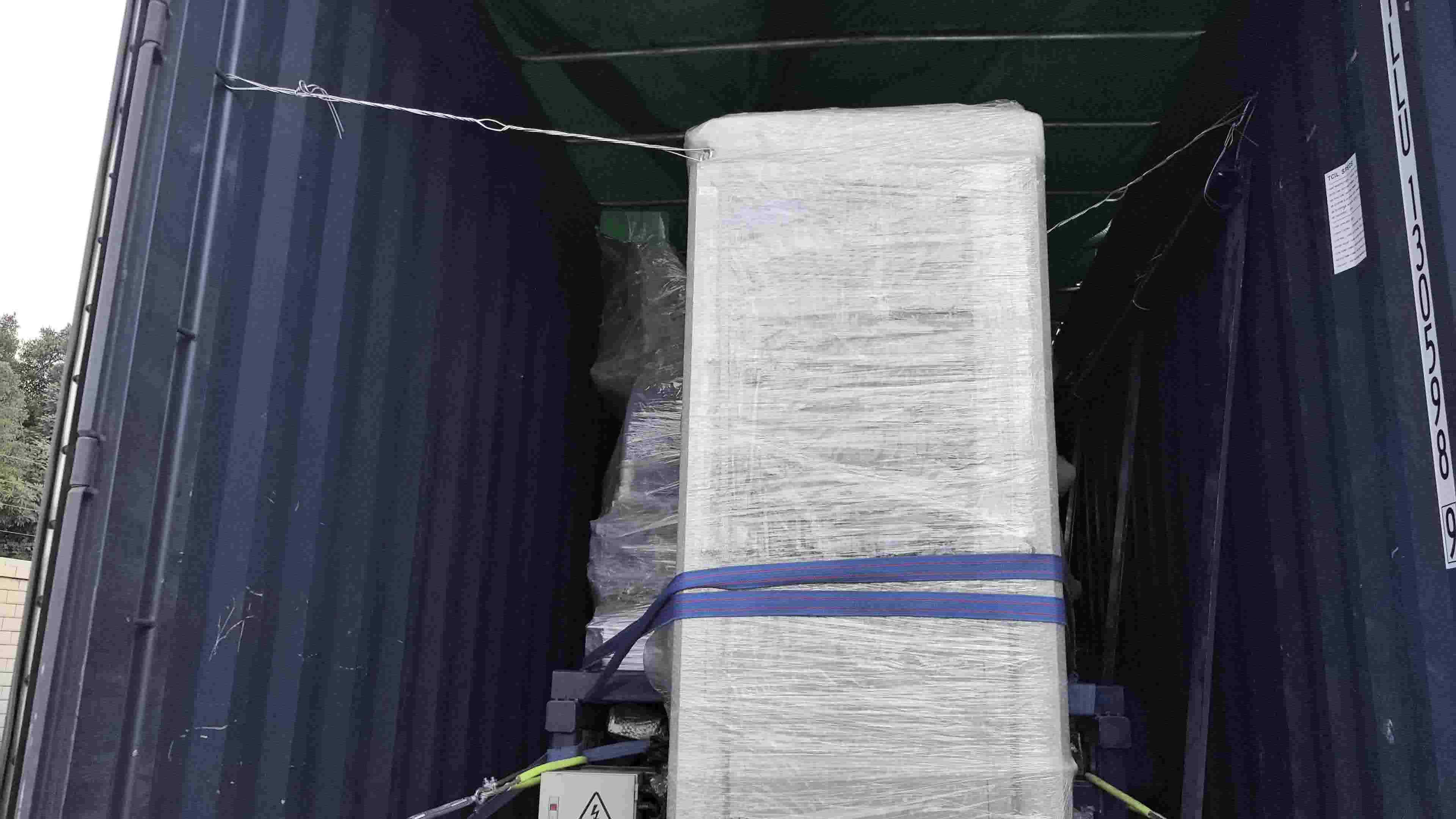
Transport preparation and installation readiness are separate milestones that need connected project records.
FAQ
Does the largest machine always belong in the first delivery group?
No universal order should be assumed. Assign equipment using the approved installation activities, dependencies, and site conditions.
Can installation begin before the whole line arrives?
Only the activities confirmed for the available equipment, information, and site conditions should proceed under the agreed installation plan.
Should every group have its own packing list?
A group-specific list helps verify that delivery. A consolidated project view is also useful for tracking partial quantities and outstanding items.
What if the transport arrival order changes?
Review the installation dependencies, receiving locations, and next activities with the responsible parties, then record the agreed sequence.
Does receiving one shipment mean the related stage is accepted?
Receipt, installation readiness, completion, and operational acceptance are distinct decisions under the applicable project process.
Conclusion
Useful split delivery planning begins with installation dependencies and complete, identifiable groups of equipment and information. Connect the delivery objective, associated components, packing references, drawing revisions, and site responsibilities before fixing the shipment sequence. Keep planned and observed milestones distinguishable.
Before approving a split delivery proposal, ask the supplier and site team to demonstrate what each arriving group enables and which prerequisites remain outstanding. Review that decision when the schedule or configuration changes. This gives buyers a practical basis for coordinating deliveries around the installation work the site can actually complete.












 Tel: +86-13905968794
 Email: export@hwmachines.com
 MP/WhatsApp: +86-13905968794
 Manufacturer Address:Nanan,Quanzhou City,Fujian Province,China