Adding a paver product can expand a concrete-products plant’s market options, but it is more than a decision to purchase another mould. The plant must connect the new unit to the existing material flow, forming machine, pallet circulation, transfer route, curing arrangement and quality routine. A buyer who evaluates these links before ordering is more likely to obtain a product that can be repeated in normal production rather than one that works only during an initial demonstration.
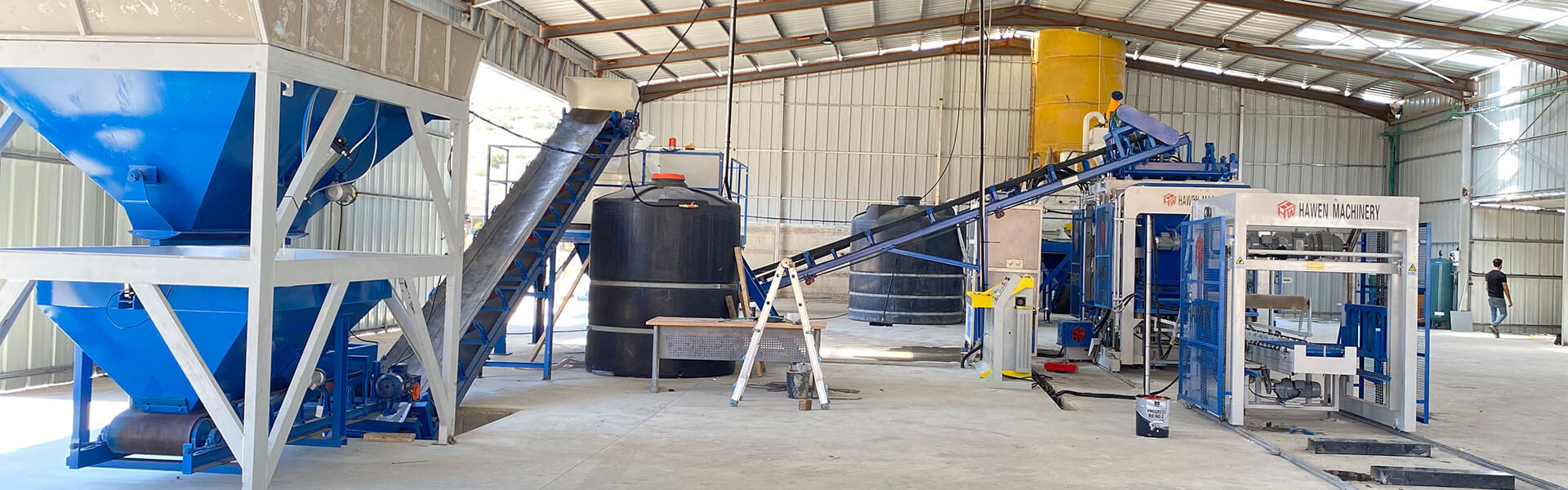
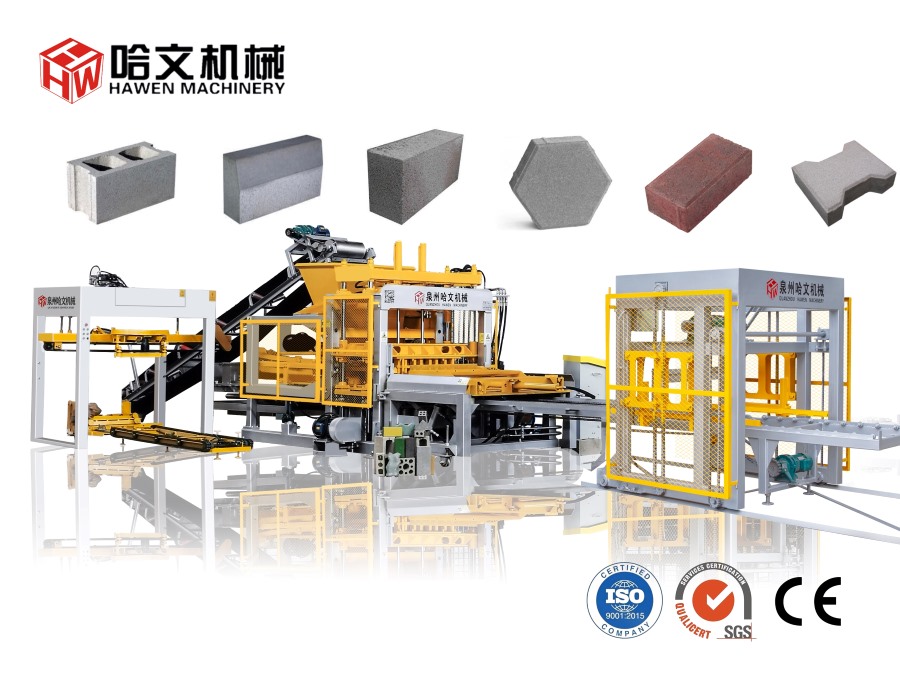
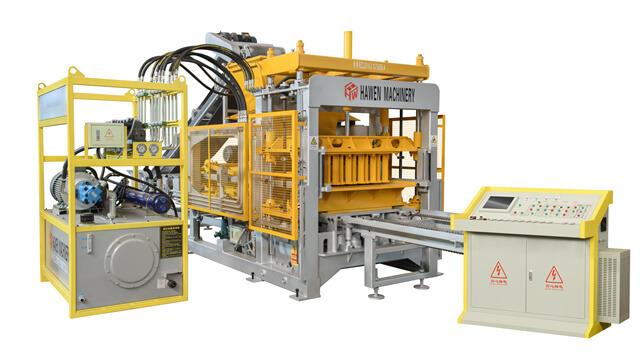
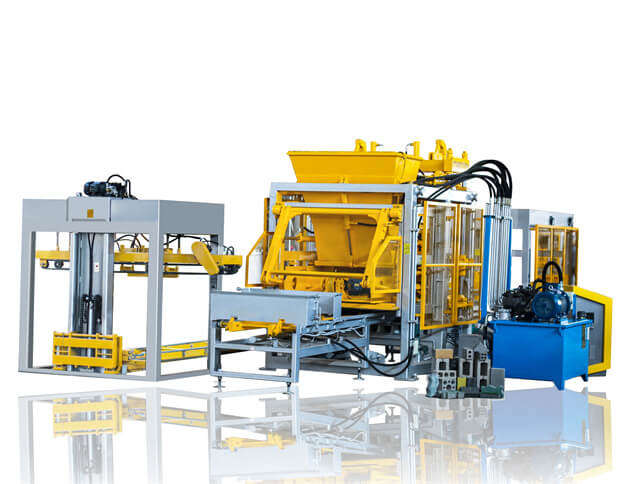
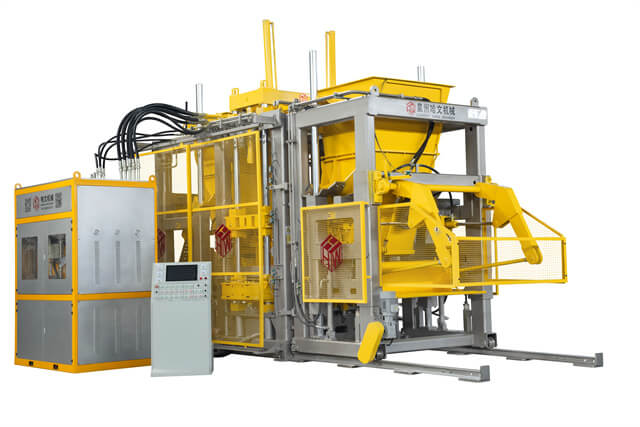
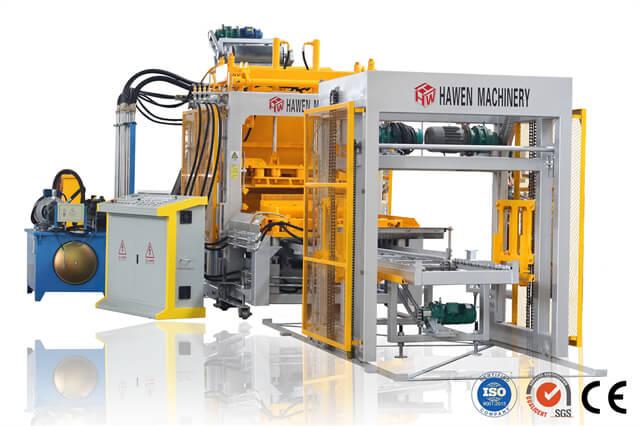
Hawen Machinery’s public product range includes block machines, interlocking paver moulds, mixers, batching equipment and pallets. These are useful categories for a paver-project checklist. They do not remove the need for site-specific verification: the final product design, material selection, inspection criteria and safe operating method must be defined for the plant’s market and local requirements.
Define the paver decision before specifying the mould
Start with the intended buyer and application. Is the plant serving contractors, distributors, municipal work, residential paving or another segment? What unit shape, thickness, finish and color range are actually required? How frequently will orders repeat? These questions shape the commercial value of flexibility. A large mould catalogue has little value if the plant cannot schedule product changes, manage materials or inspect the finished units consistently.
Write a concise product brief containing the unit drawing, target market, expected order pattern, visual requirements, handling route and relevant quality checks. This brief becomes the common reference for discussions with equipment, mould and material suppliers. It also stops the project from drifting toward attractive product ideas that have no defined production or sales plan.
Review the production interfaces around the paver mould
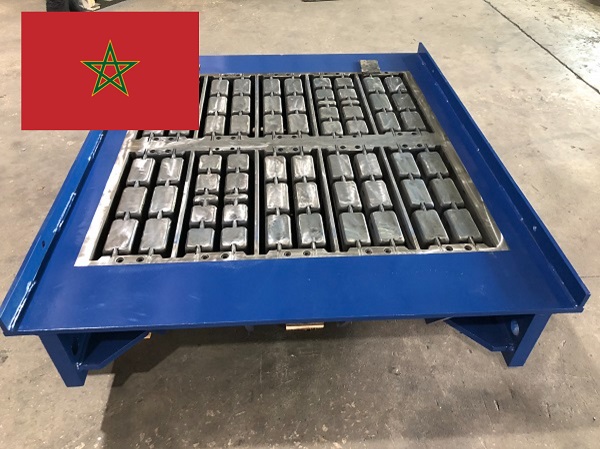
Confirm the proposed mould against the forming machine’s documented interface, usable board dimensions, fastening arrangement and required travel. Confirm how material reaches all cavities and how the fresh paver will be supported after release. The pallet is particularly important because a fresh unit must survive transfer and early curing without the damage that may be hidden during a short machine-side inspection.
| Interface | Check before purchase | Operating consequence |
|---|
| Mould and machine | Dimensions, locating and fastening confirmation. | Repeatable and safe mould changes. |
| Material and cavities | Material feed and changeover plan. | Consistent filling and reduced carryover. |
| Pallet and transfer | Support condition and handling path. | Fewer fresh-product marks or chips. |
| Curing and inspection | Space, route and product-check responsibility. | A complete process rather than a machine-only trial. |
Run a controlled first-product trial
The first production run should be treated as a learning and acceptance event. Use agreed materials, identify the mould and pallet condition, produce a limited initial group, and inspect it before extending the run. Record observations on filling, visible edges, surface appearance, handling stability and any adjustments. Avoid unsupported promises about output or quality; actual results depend on the materials, product geometry, equipment condition and operating method.
Follow samples beyond demoulding. Observe transfer, stacking, curing and any point at which the fresh unit is touched or moved. A paver can look acceptable at the mould but reveal a handling issue later in the route. The useful outcome of the trial is a repeatable procedure: product identification, normal setup, first-piece checks, responsible roles and a clear escalation path when an observation falls outside the plant’s acceptance criteria.
Plan routine changeovers and inspection
Routine success depends on the changeover plan. Identify the lifting and storage method for the mould, cleaning points, material-transition steps, pallet inspection point and first-piece approval method. Ensure that maintenance access and applicable safety procedures are part of the written operating arrangement. These operational details often determine whether a plant can offer product variety without consuming excessive shift time.
Keep quality records simple enough to be used. Record the product, mould, batch reference, pallet observation, first-piece result and any corrective action. At shift handover, highlight open issues so the next team does not repeat an adjustment without knowing why it was made. Periodic review of these records can show whether a defect follows a product, a material condition, a pallet route or a particular changeover step.
FAQ
Can a block plant add pavers with only a new mould? A new mould is one part of the project. The buyer should also confirm machine fit, material handling, pallet support, transfer, curing and inspection.
Why inspect the first pavers after transfer? Fresh units may be affected by handling conditions that are not visible at the machine immediately after release.
What should a changeover checklist include? Product identity, mould handling, material transition, pallet condition, first-piece inspection and assigned responsibilities are useful starting points.
Conclusion
Adding pavers is a production-system decision. Buyers should begin with a defined market need, verify every equipment interface, observe the full first-product route and document a repeatable changeover method. The next step is to use that evidence to compare the proposed mould, material plan and operating capacity against the plant’s actual sales programme.





 Tel: +86-13905968794
 Email: export@hwmachines.com
 MP/WhatsApp: +86-13905968794
 Manufacturer Address:Nanan,Quanzhou City,Fujian Province,China