A concrete block machine is normally discussed in terms of moulding capacity, automation and product range. A buyer should also ask a more operational question: can the planned material route keep the forming process supplied with consistent concrete under real shift conditions? Aggregate storage, weighing, mixing, discharge and transfer all shape the material that reaches the mould. If one stage is poorly matched to the next, the block machine may experience interruptions or product variation that cannot be solved by changing machine settings alone.
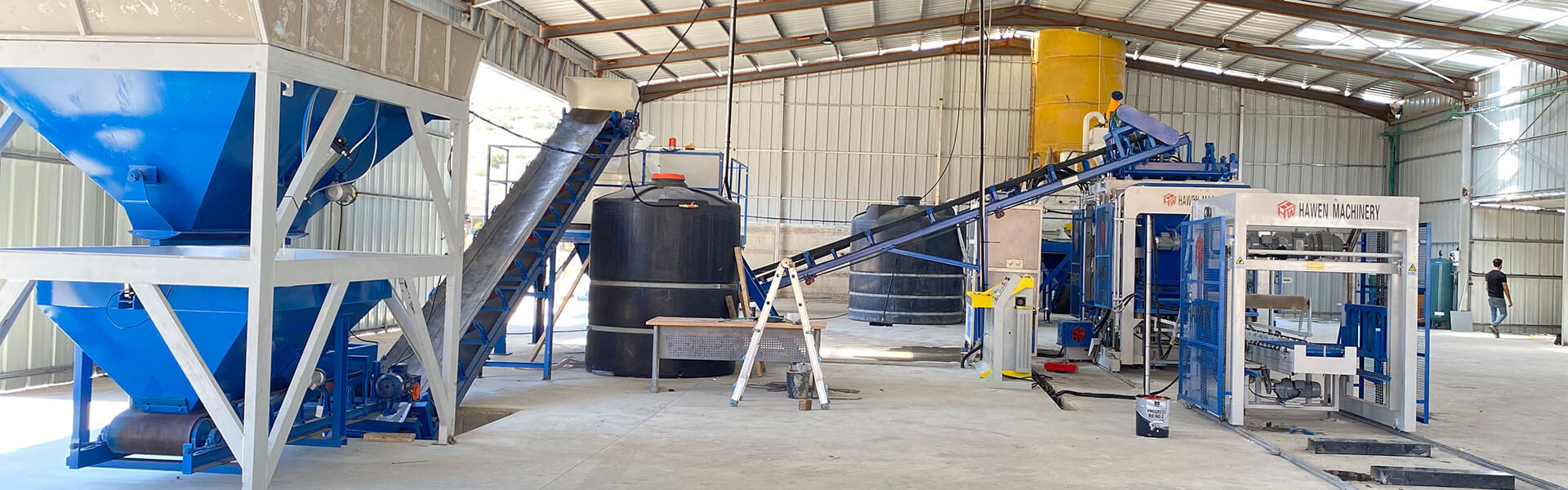
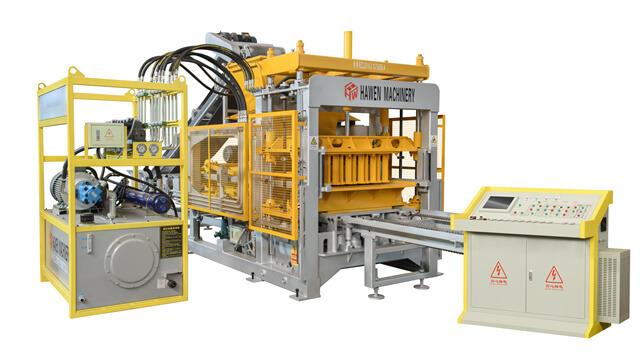
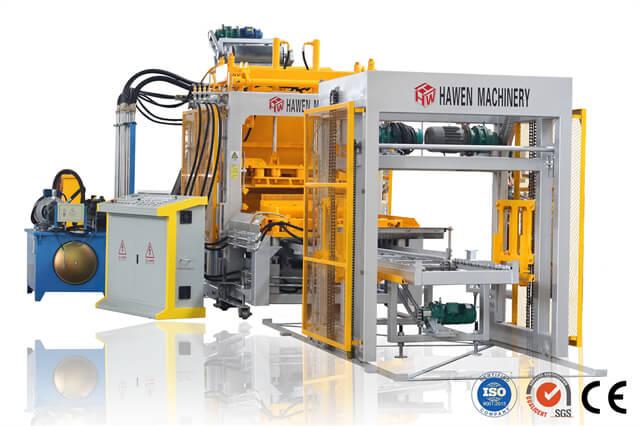
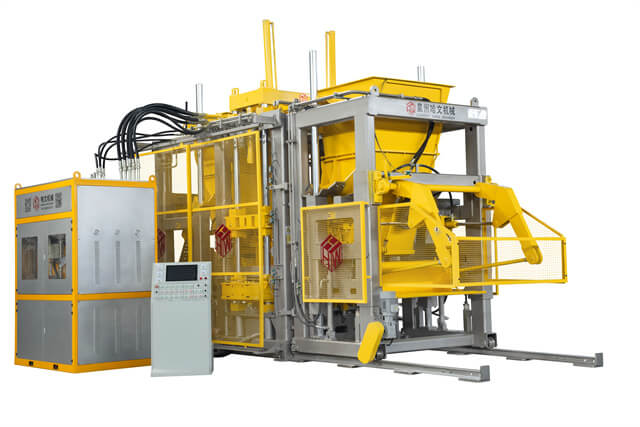
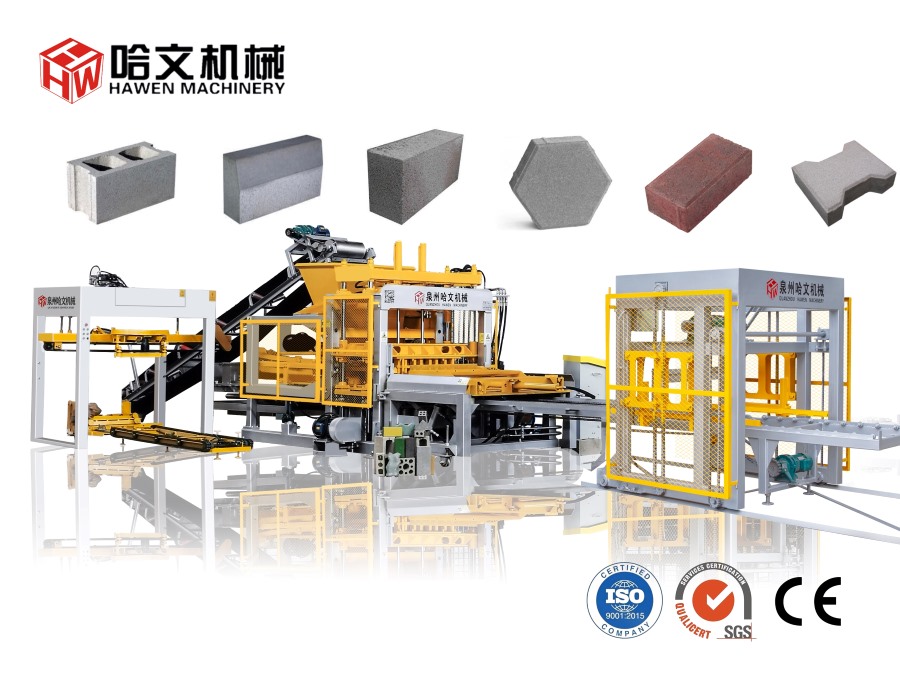
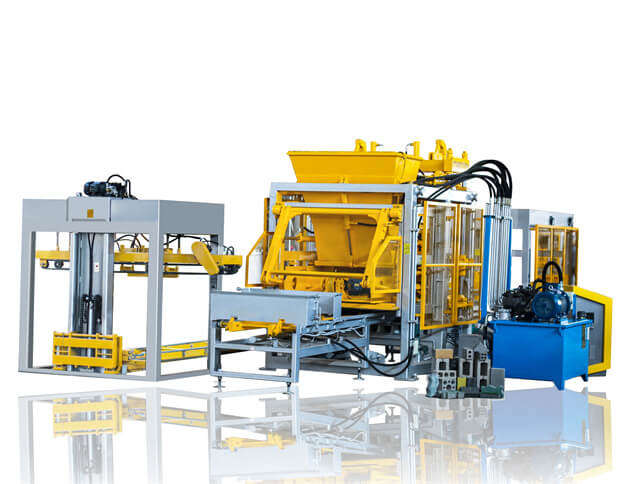
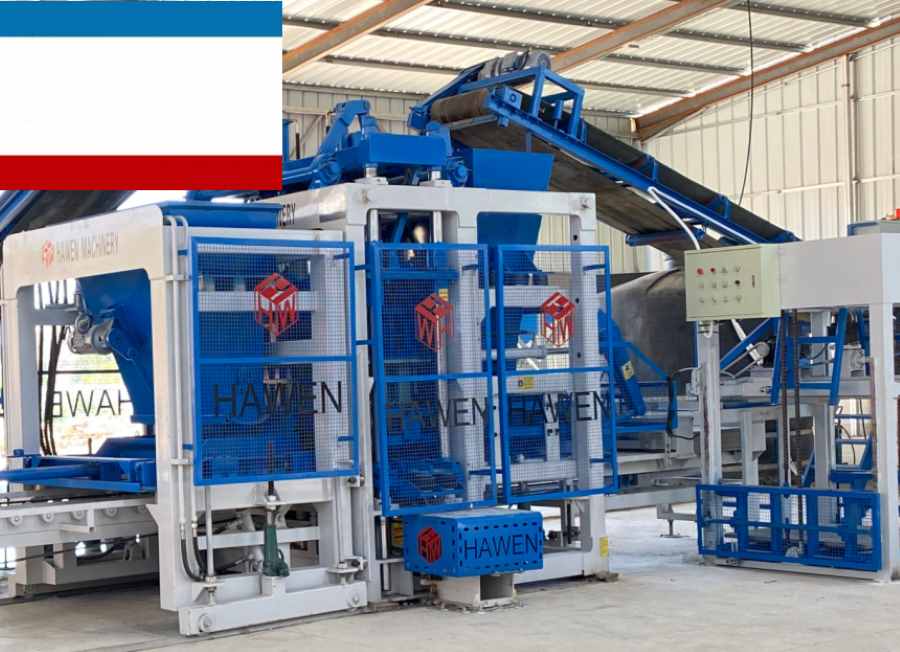
Hawen Machinery publicly presents block-making equipment alongside batching machines and concrete mixers. That product grouping reflects a useful purchasing principle: material flow should be evaluated as part of the production line, not as a separate civil-work detail to solve after the main machine arrives.
Map the material route first
Draw the route from aggregate delivery to the point where material enters the forming machine. Mark every storage point, conveyor, weighing location, mixer, gate, hopper and transfer device. Then add the people who inspect or operate each point. This simple map exposes missing decisions early. For example, it may show that the plant has a suitable mixer but no clear way to separate materials during a product change, or that the forming machine is expected to run continuously while aggregate loading is intermittent.
Define the expected products before estimating capacity. Hollow blocks, solid units, pavers and kerbstones can require different materials, product geometries and quality checks. The purpose is not to make a universal recipe; it is to identify whether the production plan needs a stable single-material flow, frequent changes, face-mix handling or a planned cleaning interval. Use actual local aggregate availability and intended market products rather than a generic capacity figure.
Review each handoff between batching, mixing and forming
| Handoff | Buyer question | Reason to verify |
|---|
| Storage to weighing | How are materials identified and kept available? | Inconsistent or unavailable aggregate interrupts the line. |
| Weighing to mixing | What checks confirm the intended batch sequence? | The team needs a traceable starting point when variation appears. |
| Mixing to transfer | Does discharge clear reliably and safely? | Residual material and delays complicate product changes. |
| Transfer to forming | Can supply match the planned production rhythm? | Starvation or overfilling can destabilize the process. |
At every handoff, review access for inspection, cleaning and maintenance. An arrangement may fit inside a layout drawing but still leave no safe or practical way to clear a blockage, check a gate or service a wear component. The final design must follow the supplied equipment documentation and applicable safety obligations, but buyers should identify these space and access questions before installation.
Use production checks to locate variation
When fresh units show an unexpected change, avoid treating the forming machine as the only possible source. Record the product, shift, material condition, first observed symptom and any action taken. Check the material route systematically: availability, handling, batch identification, discharge behavior, pallet condition and the normal production setting. A factual record supports a controlled response and prevents several unrelated adjustments from being made at once.
A basic shift record can be brief. It may include the product name, mould identification, material or recipe reference, start time, first-piece observation, interruption and follow-up action. The value comes from reviewing repeated patterns. If the same point causes an issue across shifts, the plant can investigate a process condition rather than treating each event as a separate operator error.
Prepare a realistic acceptance run
Before final acceptance, agree a representative run using the intended materials and a defined product sequence where possible. Observe whether the equipment can batch, mix, discharge and transfer material in a stable way, then examine the resulting fresh units using the buyer’s agreed inspection approach. This connects equipment performance to the product the plant is being purchased to make.
Include product changes and normal operating interruptions in the acceptance discussion when they are important to the business plan. A line can look satisfactory during a short, uninterrupted demonstration but still need better staging, cleaning or operating guidance for routine shifts. Document observations, name follow-up actions and distinguish between completion items and items to monitor after commissioning.
FAQ
Why review material flow before buying a block machine? The forming stage depends on a consistent material supply. A mismatch upstream can create downtime or variation that is wrongly attributed to the machine.
Should capacity be calculated only from the machine cycle? No. Include material availability, batching, mixing, discharge, transfer, product changes and normal maintenance time.
What is a useful first step? Create a route map from aggregate storage to the forming-machine hopper and assign each handoff an owner and inspection point.
Conclusion
Material flow is a production decision, not a background utility. Buyers should map the route, examine every handoff, record variation systematically and test representative conditions before accepting a line. The next step is to turn the map into a site-specific layout, operating routine and acceptance checklist.





 Tel: +86-13905968794
 Email: export@hwmachines.com
 MP/WhatsApp: +86-13905968794
 Manufacturer Address:Nanan,Quanzhou City,Fujian Province,China