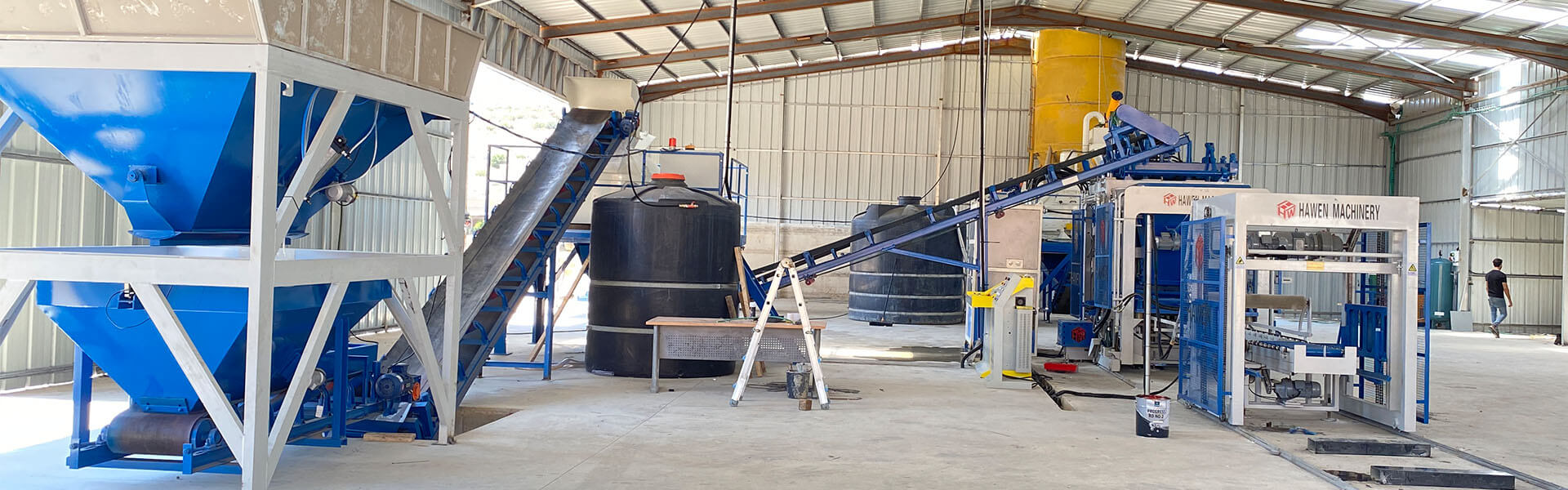
A concrete block plant can appear flexible because a forming machine may accept several mould sets. In practice, a new mould is only useful when the plant can change it safely, set it accurately and return to stable production without turning every product switch into a long troubleshooting session. Buyers evaluating an automatic block machine should therefore assess mould-change readiness as a production-system question. The mould, vibration table, pallet, material feed, lifting method, curing arrangement and operator routine all contribute to the result.
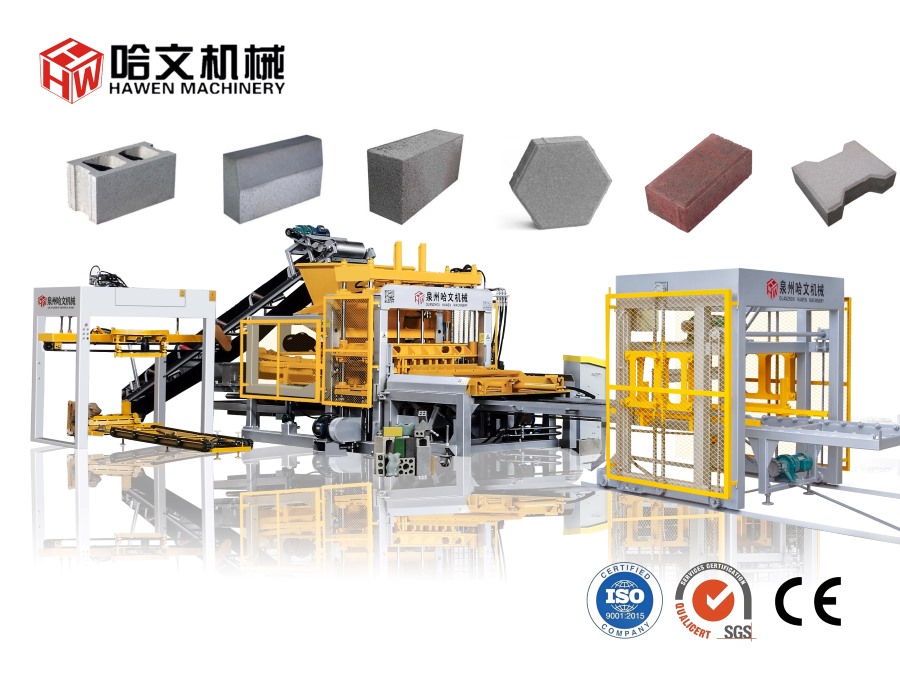
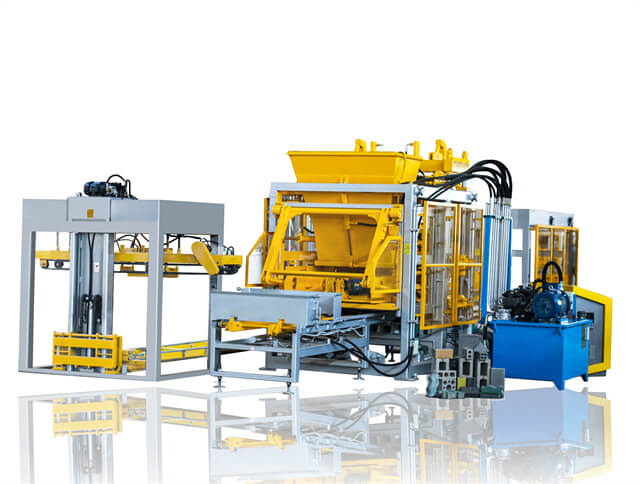
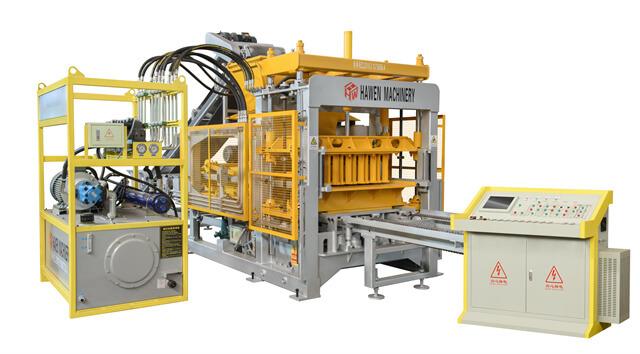
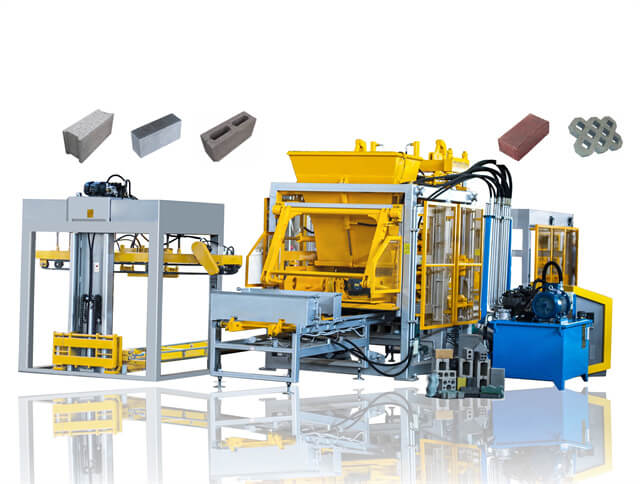
Hawen Machinery’s public product range includes block-making machines, hollow-block and paver moulds, mixers, batching equipment, pallets and palletizing equipment. That range is a useful reminder that a mould is not an isolated purchase. Its dimensions and intended products need to fit the plant’s board size, material consistency, handling route and sales plan. The following framework helps a buyer review those connections before selecting an additional product family.
Start with the production plan, not the mould catalogue
Begin by defining what will change in the market-facing product, rather than asking only whether a mould can physically be mounted. Is the objective to add hollow units, solid blocks, interlocking pavers, kerbstones or a new block geometry? Each choice affects aggregate grading, face-mix needs, stripping behavior, pallet loading, curing space and inspection criteria. A high-margin paver may justify a planned changeover window; a commodity unit may need a very short and repeatable change because volume, not variety, drives the business case.
Write a simple weekly product plan before requesting mould information. It should state the unit dimensions, projected daily output, color or surface requirements, order frequency and curing time. This prevents a common mismatch: purchasing a versatile mould suite while the batching and material-storage arrangement cannot switch mixes without contamination or excessive downtime. It also gives the supplier enough context to discuss the mould layout rather than proposing a generic cavity count.
| Planning input | Why it matters during a mould change | Practical evidence to request |
|---|
| Target product geometry | It affects cavity layout, compaction demand and stripping behavior. | A drawing and a sample-unit acceptance checklist. |
| Production frequency | Frequent swaps require a repeatable routine and staging area. | A timed changeover sequence with responsible roles. |
| Concrete mix and finish | Different mixes can change fill, vibration response and cleaning needs. | A mix-transition and cleanout plan. |
| Pallet and curing route | The new unit must remain stable after demoulding and through handling. | Pallet suitability and a first-day handling trial. |
Check the mould-to-machine interface before discussing output
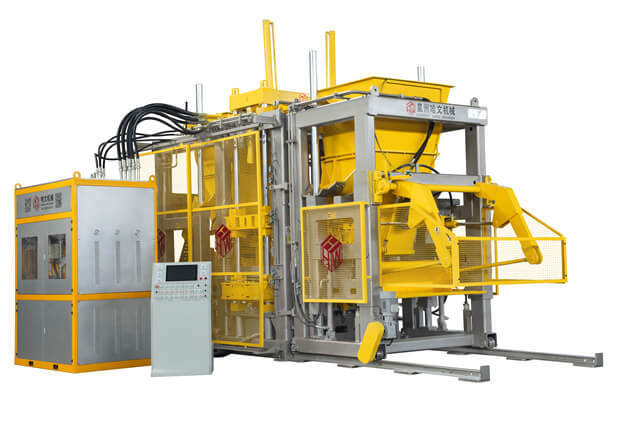
The essential technical check is compatibility with the forming machine’s usable production-board area and mould fixing arrangement. A buyer should confirm the relevant machine model, pallet size, mould height range, fastening locations, guide elements and any interface dimensions supplied by the manufacturer. Do not rely on a photo, a model name or the fact that two machines have a similar quoted capacity. Small differences in mounting and travel can create costly adaptation work.
Compatibility should also be examined from the operating side. The feed drawer and material distribution arrangement must cover the cavities consistently. The tamper and vibration sequence must suit the product geometry. A mould with narrow webs or detailed paver faces may demand more attention to filling and release than a simple hollow block. These are not reasons to avoid product variety; they are reasons to define a start-up procedure and quality checks that match the unit being made.
Ask for a controlled document set: general arrangement drawing, mould layout drawing, interface confirmation, recommended fastening method and a list of normal adjustment points. If components are being supplied by different parties, identify who has responsibility for the final interface. This avoids the unhelpful situation in which a machine supplier, mould maker and local installer each assume another party is responsible for fit-up.
Plan lifting, locating and changeover handling
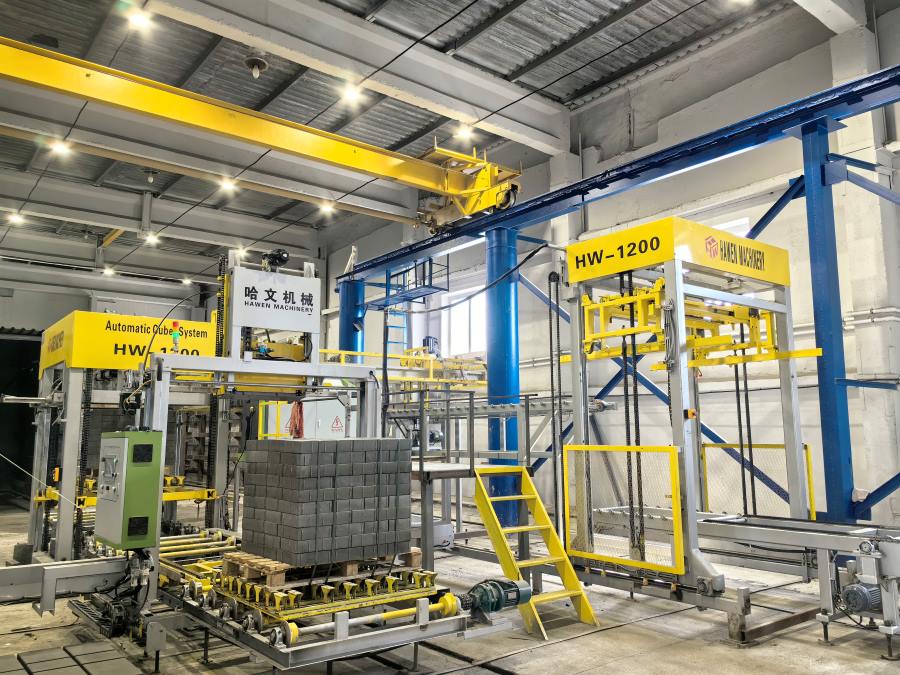
A mould-change plan is incomplete if it stops at bolts and dimensions. The plant needs a safe route from storage to the machine, an appropriate lifting device, clear travel space and a protected location for the removed mould. Buyers should review mould weight, approved lifting points, sling or lifting-beam requirements, floor conditions, headroom and the visibility available to the operator. Local safety rules and a qualified lifting procedure should govern the final arrangement.
Accurate locating is as important as lifting. Operators need a clean, repeatable method for seating the mould, checking guide surfaces, tightening specified fasteners and confirming free movement before production starts. Loose debris, dried concrete or damaged locating surfaces can turn an otherwise correct installation into uneven dimensions or premature wear. A short inspection at every changeover is usually cheaper than discovering a problem after a pallet stack has entered curing.
Storage affects the next change too. Keep moulds identified, protected from impact, supported so that critical surfaces are not distorted, and close enough to the change point that handling does not consume the whole shift. Record any wear observations when the mould is removed. This produces a practical history of which products cause the most cleaning, adjustment or maintenance effort.
Use a controlled first-run trial to establish the new recipe
The first run with a new mould should be treated as an acceptance and learning exercise, not merely a production target. Start with agreed material conditions, establish the fill and compaction settings using the machine’s normal controls, and inspect early units before committing a long run. Check dimensions, visible edges, density-related consistency indicators, surface defects, handling damage and pallet stability. The exact acceptance limits should be set by the product standard, market requirement and the plant’s own quality system.
Record settings only after the process is stable. A useful changeover card can include product name, mould identification, material recipe reference, pallet type, notable machine settings, first-piece inspection items, cleaning points and a sign-off field. It is not intended to replace machine instructions or trained judgement. It gives the next shift a traceable starting point and makes it easier to separate a material change from a mould or equipment issue.
During the trial, observe the whole route. A unit that looks acceptable at demoulding may chip during transfer, lean in a stack or require a different curing arrangement. The most valuable observation is often made at the point where a fresh product first meets real plant handling. Review that observation with the people responsible for batching, forming, transfer, curing and final inspection.
Keep the trial record focused on observations that can be checked. Instead of writing that a mould “runs well,” note the product, the batch reference, the approximate start time, the first visible defect if any, the adjustment made and the result of the next inspection. This disciplined language helps a plant distinguish a one-off operator action from a condition that must be addressed through material preparation, mould maintenance or machine setup. It also gives managers a useful basis for deciding whether a new product should be added to the regular production schedule.
Where buyers intend to sell into a market with dimensional, appearance or strength requirements, those requirements should be defined before the trial. The equipment team can then organize samples and records around the actual acceptance decision. Avoid treating a successful dry run as complete proof of product compliance; curing, handling and the buyer’s relevant testing regime remain part of the final evaluation.
Finally, keep one approved sample and the associated inspection record where the production and quality teams can consult them. It creates a shared visual reference for the product and limits avoidable disagreement when future shifts begin the same mould change.
Questions to ask before ordering a mould for a block production line
Ask the machine supplier or mould supplier to confirm which information they used to determine compatibility. Ask what product drawings and tolerances are needed, how the mould will be identified, which normal wear parts should be inspected, and what handling equipment is assumed. Request guidance on initial commissioning, but distinguish guidance from claims about guaranteed output: real performance depends on material, utilities, operation and product geometry.
Also ask the commercial question that is often missed: what is the expected sequence when changing from one product to another? Include cleaning, material transition, mould exchange, adjustment, trial pieces and first-quality approval. A buyer who budgets this sequence can compare product opportunities on a more realistic basis than one who compares mould price alone.
FAQ
Can one block machine make several types of concrete products? Many forming systems are designed to work with different moulds, but the practical range depends on the machine interface, pallet size, material handling and process setup. Confirm compatibility for the specific machine and mould combination.
What is the first document a buyer should request? A product drawing together with an interface confirmation is a strong starting point. It defines the unit to be made and creates a basis for checking how the mould connects to the machine.
Why should a plant run a first-piece inspection after a mould change? It catches fit, filling, compaction and release issues before they become a larger batch of nonconforming units or a handling problem farther down the line.
Conclusion
A good mould purchase expands a block plant’s product options only when the changeover is planned as a system: market demand defines the product, the interface confirms fit, safe handling protects people and equipment, and a controlled trial establishes a repeatable process. Before committing, buyers should compare drawings, handling needs, material transitions and the first-run inspection plan. That approach turns mould flexibility from a brochure feature into a measurable production capability.





 Tel: +86-13905968794
 Email: export@hwmachines.com
 MP/WhatsApp: +86-13905968794
 Manufacturer Address:Nanan,Quanzhou City,Fujian Province,China