Identify the motor and the protection that stopped it
A block production line contains several motors with different jobs. The mixer, hydraulic pump, conveyors, and vibration system do not experience the same loading pattern. When an operator reports that the machine has overloaded, first identify the exact motor and the device that issued the stop. That information determines which manual and measurements are relevant.
A thermal overload indication, a drive overcurrent alarm, and a circuit breaker opening are not interchangeable diagnoses. Record the original code and the operating step before anyone clears the display. Replacing the motor based only on the word overload can leave the actual fault unresolved.
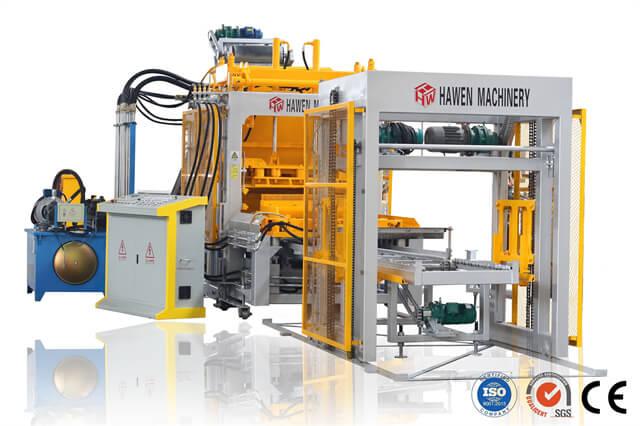
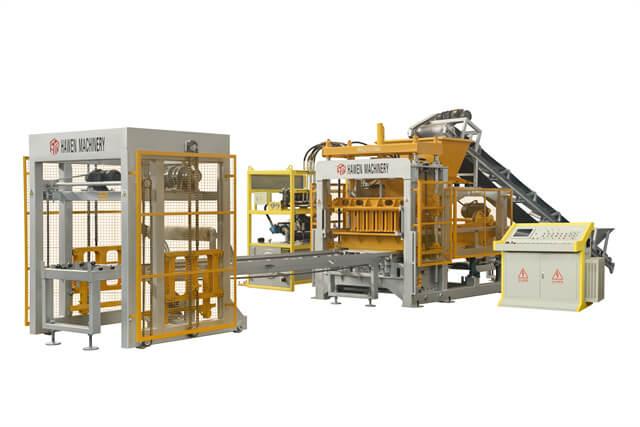
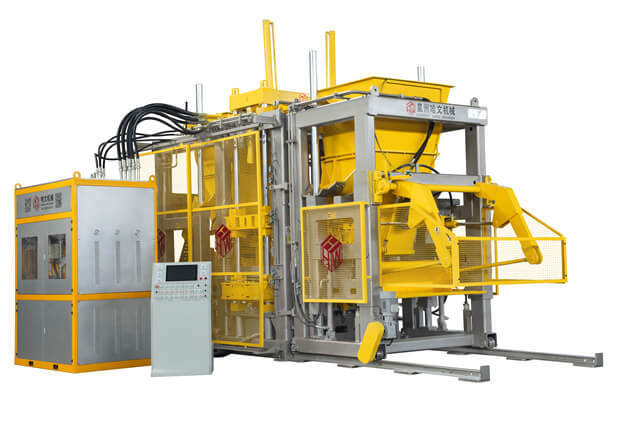
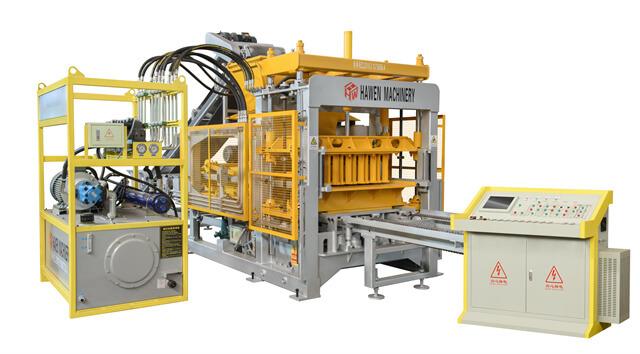
This guide provides a diagnostic framework for plant managers and buyers. Electrical measurements, mechanical access, and protection-setting changes belong to qualified personnel using the machine and component manufacturers' procedures. The equipment photographs are illustrations, not examples of a confirmed fault.
Startup trips versus trips after sustained production
The timing of a stop helps organize the investigation. A stop during acceleration raises different questions from one that appears after a long run. Record whether the motor was starting empty, starting against material, or restarting shortly after another interruption.
Compare the event with the approved operating sequence. A mixer may be carrying a different batch condition, a conveyor may have retained material, or a pump may be starting under a different circuit condition. These are possible investigation paths, not proof that the driven equipment caused the stop.
For a delayed trip, record how long the equipment had been running and what changed during that period. Product recipe, ambient conditions, repeated starts, and maintenance history can all help the technician select the next check. Do not treat a reset followed by a successful restart as evidence that the cause has disappeared.
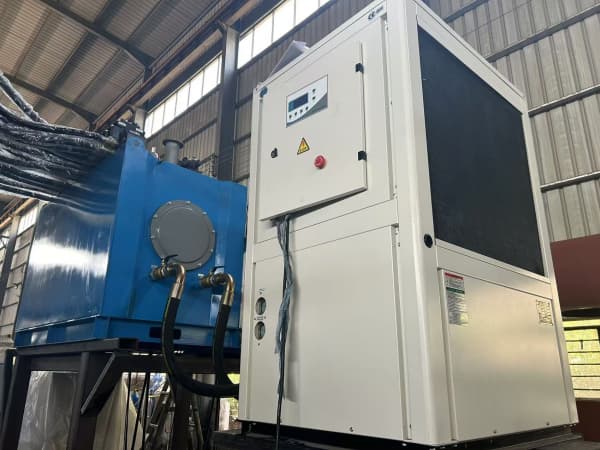
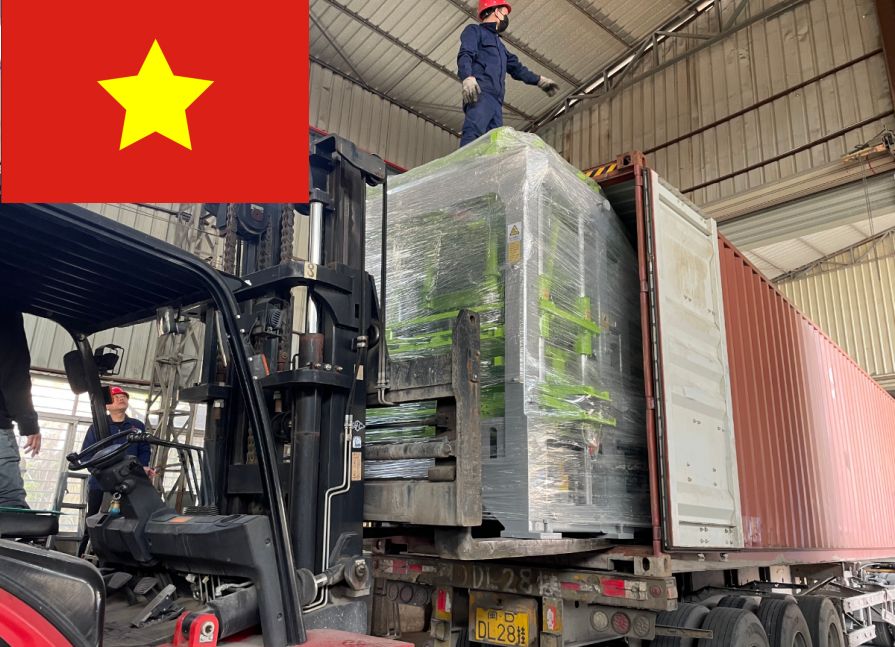
Motor and pump illustration; evaluate the actual installed motor and circuit.
Mixer buildup, conveyor resistance, and driven-machine condition
A motor drives a load, so examine the associated equipment as well as the electrical device. After safe isolation, inspect the accessible mechanical condition using the approved maintenance procedure. Look for material buildup, obstruction, damaged components, and recent changes that could affect movement.
For a mixer, relate the event to batch quantity, material consistency, and the condition of the mixing components. For a conveyor, review loading, belt and roller condition, and the location of accumulated material. Do not assume that a mechanically visible issue explains every electrical symptom.
A useful maintenance report describes what was found and where. Replace phrases such as the motor worked too hard with the observed condition and the checks performed. That record allows later comparisons if the problem returns after cleanup or repair.
Hydraulic pump and vibration motors need separate checks
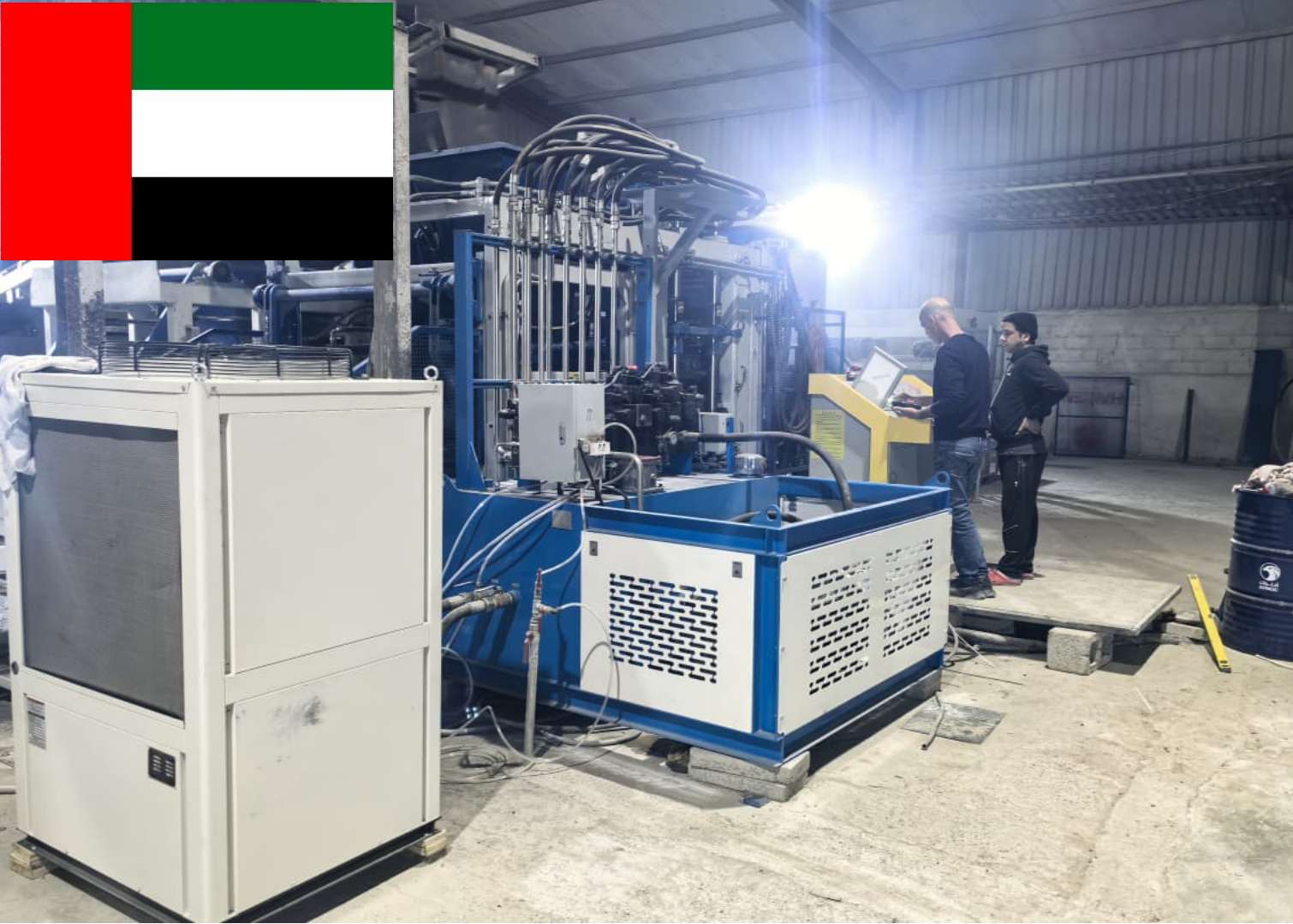
If the affected motor drives a hydraulic pump, review the circuit and operating step with the machine supplier. Pressure and flow demand, oil condition, and the starting arrangement may be relevant. Do not adjust a relief valve or increase motor protection settings simply to keep the production cycle running.
Vibration motors and drive arrangements require their own approved settings. Some systems use a mechanical vibration box, while others use different drive configurations. Do not change eccentric settings, frequency limits, or synchronization parameters without checking the exact system instructions.
The equipment nameplate alone does not describe every operating limit of the complete assembly. A replacement motor must suit its mounting, duty, control arrangement, and driven mechanism. An apparently larger motor is not automatically a suitable correction for a repeated trip.
Supply voltage, phase conditions, and motor data
Qualified electrical personnel should compare the installed motor and starter or drive data with the electrical drawings and nameplates. The review may include supply conditions, connections, and measured operating values using instruments suitable for the circuit.
Voltage imbalance, phase loss, and connection faults can affect motor operation. The required tests and acceptance limits come from the relevant equipment documentation. Measurements on a drive output also require an appropriate method; they should not be interpreted as though every circuit were a direct mains connection.
Record the conditions during each measurement. A current reading without motor identity, speed, load state, and operating step has limited diagnostic value. Compare equivalent conditions before concluding that a repair reduced the problem.
Cooling airflow and the actual motor duty
Inspect cooling provisions according to the motor instructions. Dust accumulation, restricted ventilation, damaged cooling components, or unsuitable surrounding conditions can deserve attention even when production output has not changed.
For variable-speed operation, confirm the permitted speed and load range with the motor and drive documentation. A motor's cooling and thermal performance may differ across its operating range. Do not prescribe a universal minimum speed or assume that reducing speed always reduces thermal risk.
Record frequent starts and short interruptions, not just productive running hours. A revised production sequence can change duty even when the daily output remains similar. The supplier should assess whether the proposed operation remains within the approved motor and control arrangement.
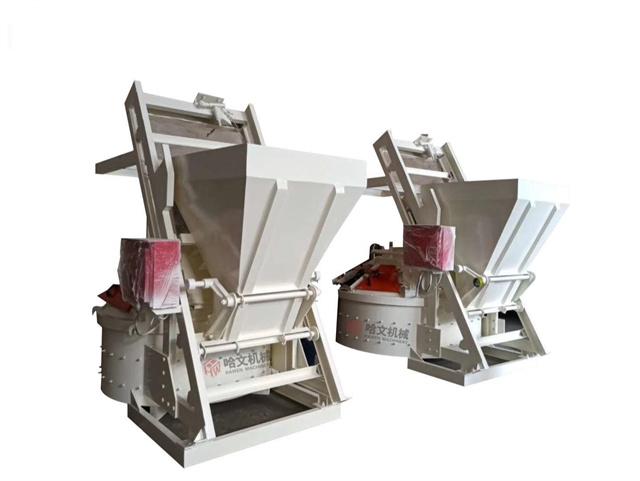
Mixer loading and mechanical condition belong in an overload investigation.
A trip-pattern checklist for the maintenance team
Use the following table to organize evidence before replacing components. Several causes may be present at once, and the first visible symptom may not identify the source. Stop and follow the equipment's fault procedure whenever the instructions require it.
| Trip pattern | Evidence to collect | Next review |
|---|
| During startup | Starting condition and exact fault code | Starting sequence, load, and electrical configuration |
| After sustained operation | Duty history and cooling conditions | Thermal, load, and supply assessment |
| During one production step | Recipe, timing, and driven mechanism | Process load and control sequence |
| After maintenance | Parts replaced and settings changed | Installation and configuration verification |
Protection settings are engineering values
Confirm the protection configuration against the installed motor, starting method, and approved design. Relevant settings may include motor data, thermal protection, and drive parameters, but their exact meaning varies by device. Use the manual for the actual model.
Do not increase the overload threshold, fit a larger protective device, or lengthen acceleration without an engineering review. Such changes can affect protection coordination, starting behavior, and mechanical operation. A quieter alarm screen is not evidence of a corrected fault.
Keep an approved parameter backup and a change record. If settings differ from commissioning, identify who changed them and why. Restore or revise parameters only under the authorized technical procedure, then verify the relevant operation.
Controlled restart after an overload event
Follow the required stop, isolation, inspection, and recovery steps. Residual heat, stored pressure, and mechanical loads may remain after power is removed. Do not repeatedly reset a trip in an attempt to finish a batch without investigating the condition.
After corrective work, restore guards and complete the manufacturer's permitted checks. Assess the machine under the relevant production condition, not solely during a brief idle run. Any energized measurements must be carried out by appropriately qualified personnel using the required precautions.
Document the original symptom, the action taken, and the verification result separately. A replaced part is a maintenance action; evidence that the original fault no longer occurs under a comparable operating condition is the basis for accepting the correction.
What a buyer should request before accepting a block line
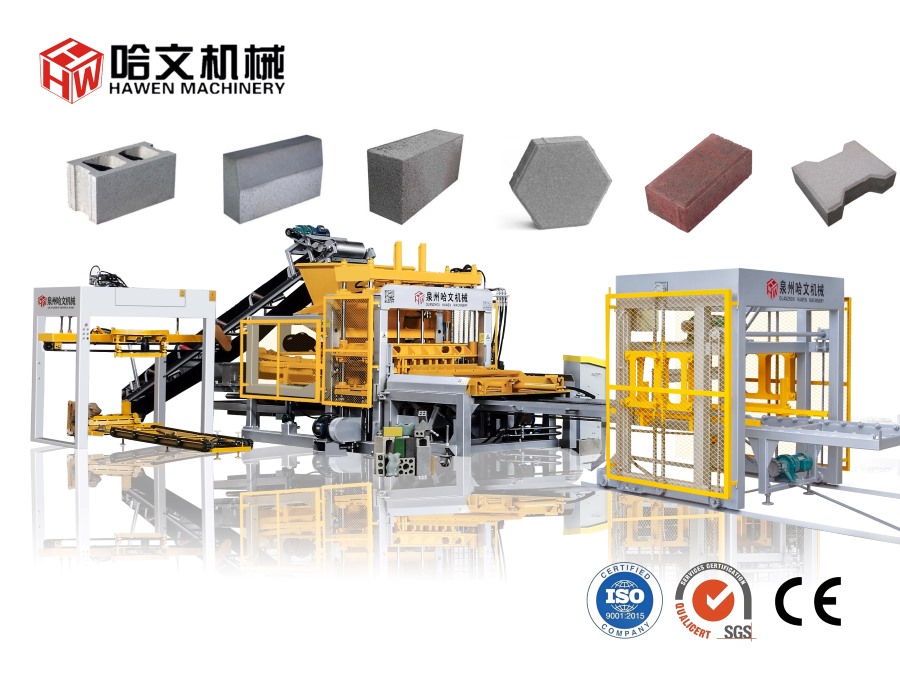
When comparing a concrete block production machine, request motor identification, electrical drawings, approved supply requirements, and the applicable duty information. These details are more useful for operation than a total installed power figure alone.
During handover, ask the supplier to explain how the operator identifies an affected motor from the alarm information. Review spare-part specifications, parameter backups, and the distinction between operator checks and qualified electrical work. Good documentation shortens the time needed to begin a correct investigation.
Observe the agreed production sequence with representative materials and products. Record what was demonstrated and which conditions remain for site verification. A no-load demonstration does not establish performance under every proposed recipe or production schedule.
Review local support arrangements as part of the purchase. Identify the qualified service contact, approved spare parts, and information needed for remote assistance. Agree who is authorized to change settings. These practical arrangements help the factory respond consistently when an interruption occurs after commissioning.
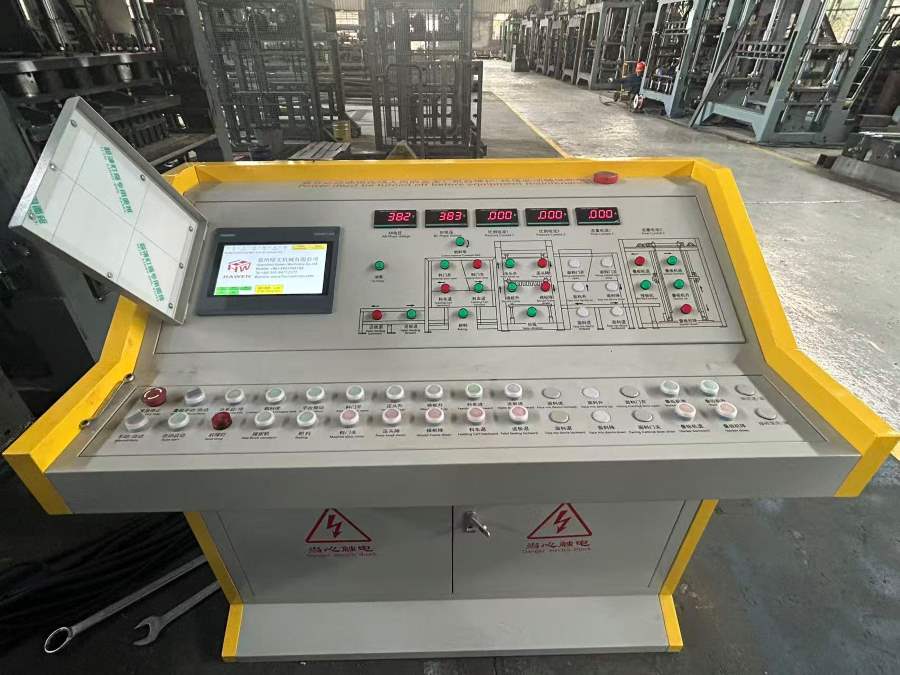
Identify the protection device and alarm before deciding on a repair.
A practical record for recurring trips
Create one event record for each recurrence, using a consistent format. Include date, motor identity, alarm code, machine step, recipe, running time, and any recent service or setting changes. Photographs of the display and nameplate can be useful when taken from a safe position.
Group events by operating condition. A problem associated with one batch or one sequence step should be investigated differently from a fault occurring across all recipes. Check the evidence with both the operator and maintenance technician so that production context is not lost.
After an approved correction, compare similar operating periods and retain the results. Note any other changes made at the same time. If several components were repaired together, avoid attributing the improvement to one item without supporting evidence.
Set the next review according to the fault and the supplier's recommendation. Keep the event open if abnormal operation persists, even when the original alarm does not reappear. Production release should depend on the complete required checks, not one successful reset.
Use the same definition of an event across shifts. Separate a protective trip from a normal sequence stop or a stop caused by upstream equipment. Otherwise, a downtime report can combine unrelated events and make a reliable motor appear to be failing. Ask operators to retain the first alarm where the control system provides an event sequence, because later messages may describe consequences rather than the initiating fault.
FAQ
Does an overload alarm mean the motor is damaged? Not necessarily. The protection may be responding to load, supply, cooling, configuration, or a component fault. Identify the alarm and investigate before selecting a repair.
Can a larger motor solve repeated trips? Only if an engineering assessment establishes that the complete system requires and supports that change. The drive, wiring, protection, mechanical connection, and load must remain compatible.
Should vibration frequency be reduced immediately? Follow the machine's approved response. An unverified frequency change can alter the forming process and may not address the cause of the alarm.
What should be sent to the supplier? Provide the machine and motor identification, exact alarm, operating step, recent changes, and qualified inspection results. Avoid sending only a photograph of the stopped machine.
Conclusion
Repeated motor trips should be investigated as a motor, protection, and driven-equipment problem. Identify the device that stopped operation, record when it happens, and compare the actual load and configuration with the approved design.
For a buyer, insist on usable motor documentation and a representative acceptance run. For an operating factory, use a consistent fault record and qualified checks to choose the correction. Verify the result before changing routine production settings or replacing additional parts.





 Tel: +86-13905968794
 Email: export@hwmachines.com
 MP/WhatsApp: +86-13905968794
 Manufacturer Address:Nanan,Quanzhou City,Fujian Province,China