Bond beam channels are where a masonry detail has to accommodate longitudinal steel without interrupting the specified grout path. A unit can look close to the drawing and still create a field problem if a web, end closure, or channel dimension is wrong. This guide follows the product from structural detail to sample approval and production release.
For the manufacturer, the task is to translate an approved section into repeatable geometry. The project engineer defines the member and load path; the producer controls the unit, mold interface, dimensional checks, and lot identification. Keeping those responsibilities distinct helps the buyer order the right bond beam mold and gives the mason a unit that matches the released detail.
The production system should be configured around released unit drawings and reinforcement requirements.
1. Define the bond beam unit and its role
A bond beam is a horizontal reinforced and grouted element integrated into a concrete masonry wall. It can distribute forces along a wall, connect wall portions, or form part of a lintel or other designed assembly. A bond beam unit is shaped to accommodate horizontal reinforcement and grout. Its depressed or removable webs create a channel, but the unit itself does not determine the structural capacity. The engineer specifies the member, reinforcement, grout, bearing, continuity, and connection details for the project.
Do not confuse bond beam units with lintel units. A lintel commonly needs a bottom that contains grout while spanning an opening, whereas bond beam units may have an open channel that continues along a wall. CMHA's TEK 01-04 glossary distinguishes these profiles because they serve related but different functions. The released drawing should identify the unit type, nominal and actual dimensions, face-shell requirements, web arrangement, and any knock-out areas. This keeps procurement, production, and site installation tied to the same intended detail.
2. Translate the structural detail into a product drawing
Begin with the structural drawings and project specification, not a generic catalog image. Confirm wall thickness, course height, reinforcement direction, bar size and spacing, grout space, lap or splice locations, corners, intersections, and the way the bond beam meets openings or supports. Check whether bars must pass through the unit continuously or whether the detail changes near an end. Any unresolved clearance should be referred to the design professional before tooling is ordered.
The unit drawing should show the channel width and depth, web openings, face shells, end conditions, and any reduced or removable webs. Account for manufacturing tolerances and for the actual placement method used by the mason. A channel that appears adequate in a simplified sketch can become congested once bars, laps, and grout are considered. Review a full-size sample or dimensioned prototype with the engineer and contractor when geometry is unusual. Keep revisions controlled so a mold is never built from an obsolete structural detail.
Bond beam profiles require controlled webs, channels, and bearing surfaces.
3. Select a profile that supports placement and filling
A good profile lets the specified reinforcement sit in its intended location while leaving a clear path for grout. Compare solid-bottom, open-bottom, reduced-web, and knock-out-web options only against the approved design. The channel must also remain continuous where the wall detail requires it. At corners and intersections, confirm that the chosen shapes can be coordinated without closing the grout path or forcing field cutting that weakens a face shell.
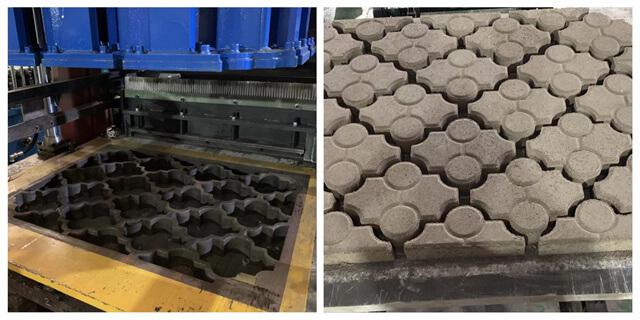
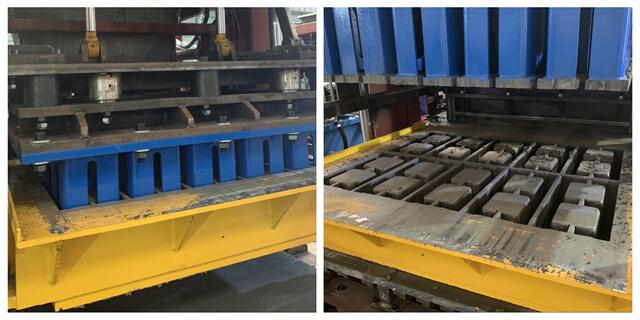
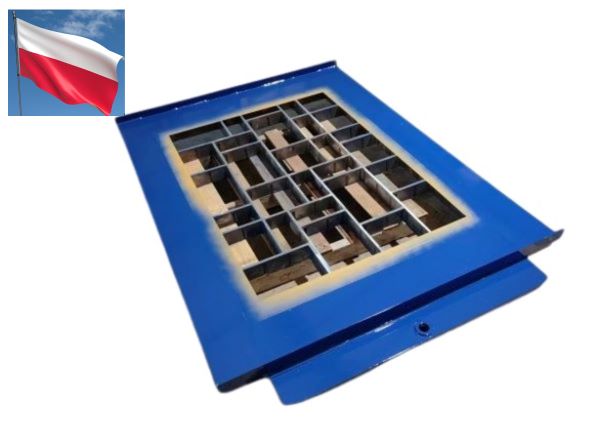
Special units should fit the production machine, mold frame, tamper head, pallet, and downstream handling equipment. Hawen Machinery can review a custom concrete block mold, hollow-block mold range, and block mold catalog against the customer drawing. Its molds are designed for compatibility with established platforms such as Masa, Hess, Zenith, Poyatos, Besser, Tiger, Columbia, Quadra, and Omag. Heat treatment improves wear resistance, with hardness checked at HRC 59–61.
4. Control dimensions and web integrity during production
Inspect first-off units from multiple cavities before releasing a production run. Measure overall length, height, width, channel dimensions, face-shell thickness, web location, and squareness against the approved drawing and applicable product specification. Check knock-out features for clean separation without unintended cracking. Record mold identification and cavity position with each sample. Do not substitute an assumed tolerance for the value in the project documents or applicable standard.
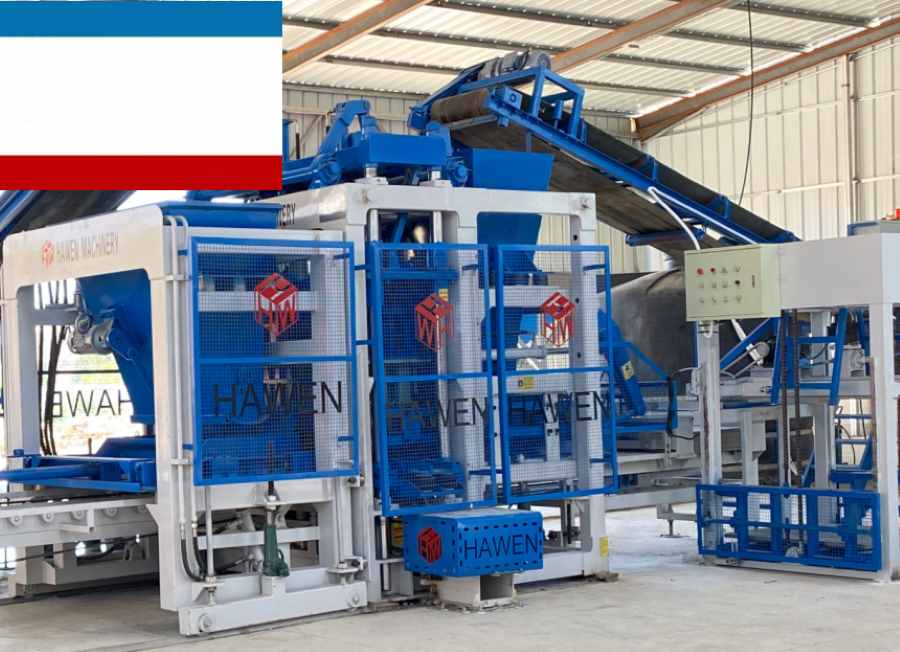
If a dimension drifts, determine whether the change affects every cavity or only one position. A single-cavity pattern suggests local wear, buildup, loosened components, or damage. A uniform shift may point to machine setup, pallet condition, material feed, or compaction. Hawen's four-shaft vibration-box design places eccentric blocks outside the housing, helping reduce internal resistance and support even compaction. This equipment feature complements, but does not replace, cavity-level measurement and visual inspection of thin webs.
Stable forming helps maintain the geometry needed for field placement and grouting.
5. Coordinate the mix, machine, and curing route
Specialty units can be more sensitive to filling and handling than standard hollow blocks. Review the concrete mixture, aggregate grading, moisture consistency, feed distribution, compaction, demolding, and early curing as a linked process. A narrow channel or fragile web may reveal inconsistent filling before a broad face does. Compare samples from the start and later stages of a run, then inspect after curing as well as immediately after demolding. Keep the approved product drawing beside the inspection record.
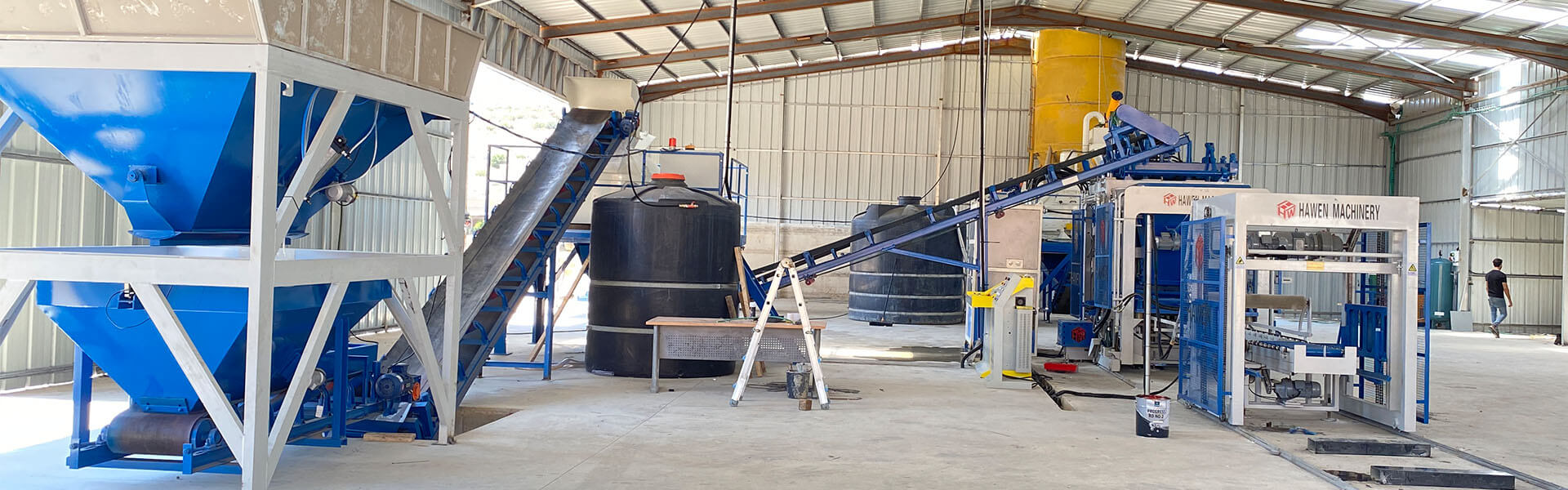
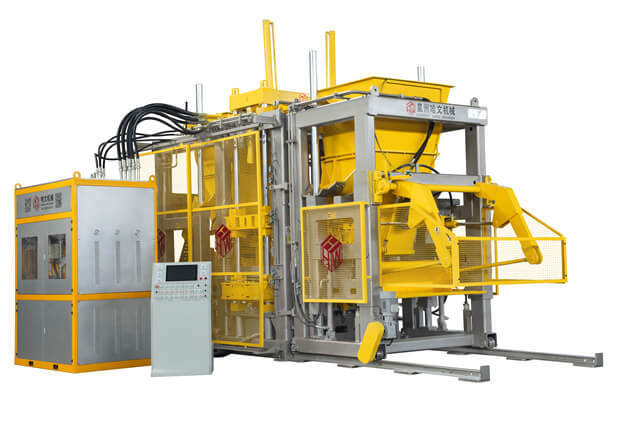
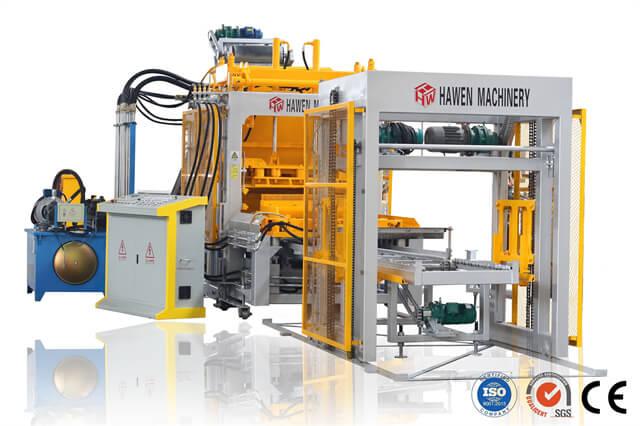
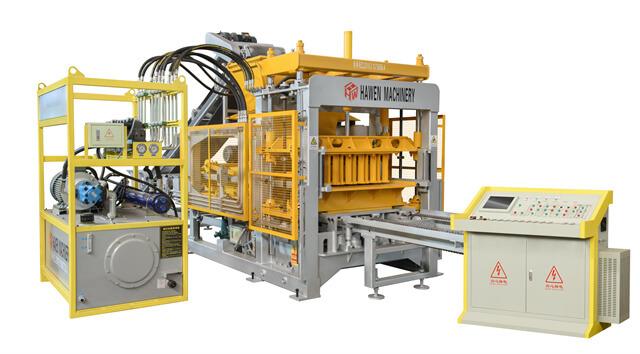
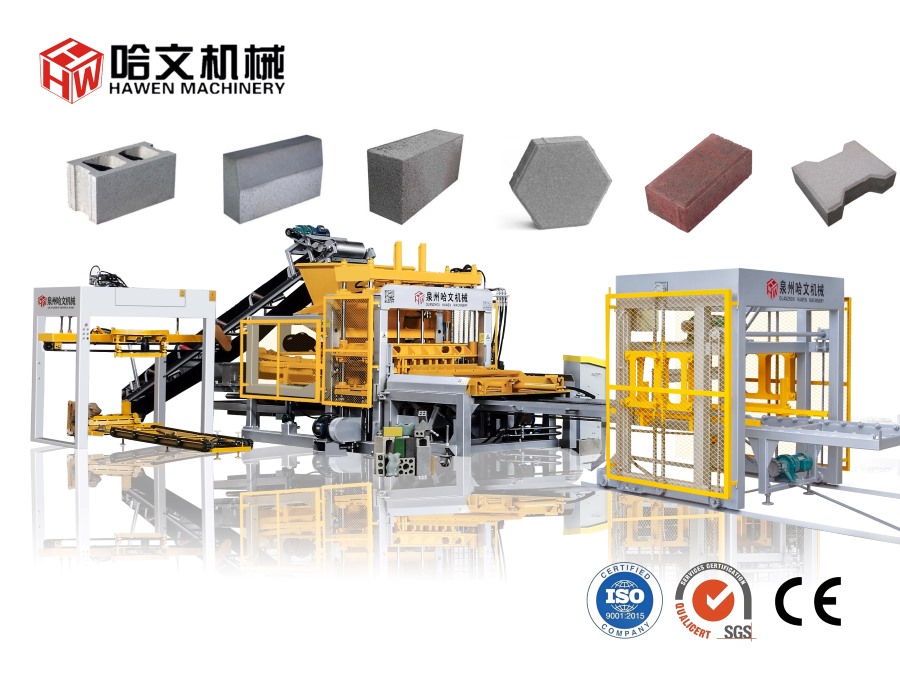
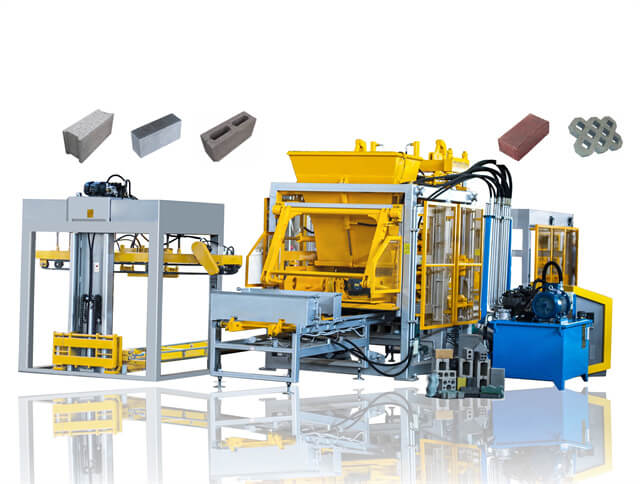
The production line should also be matched to product changeovers and output needs. Hawen can assess a QT12 hollow-block line, QT10 block machine, or QT8 brick machine together with a batching system and concrete mixer. The correct configuration depends on the approved unit, mold footprint, production boards, curing plan, and downstream handling rather than a headline cycle rate.
6. Verify the unit as a construction component
A bond beam unit must satisfy its product specification, but production inspection cannot certify the completed structural wall. The factory should verify the dimensions and physical condition that it controls, retain batch and mold records, and identify the production lot. The design professional remains responsible for structural selection and reinforcement details; the contractor controls placement, bar location, grout procedures, and workmanship. State these boundaries clearly in submittals and technical responses.
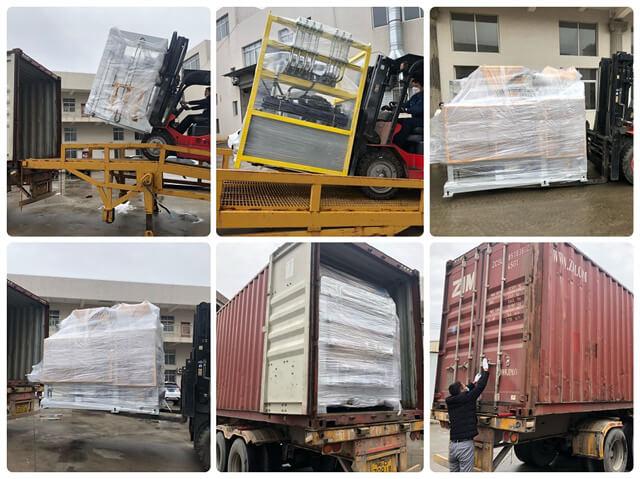
Before shipment, review representative units for cracked webs, damaged channel edges, distorted bearing faces, and contamination that could obstruct placement. Protect special profiles from impact and keep product identification with each lot. If a customer reports fit problems, compare the actual unit with the approved drawing and confirm orientation, course height, and installation detail before altering the mold. A documented sample approval helps distinguish a manufacturing deviation from a drawing revision or field interpretation.
7. Plan Hawen Machinery support around the released specification
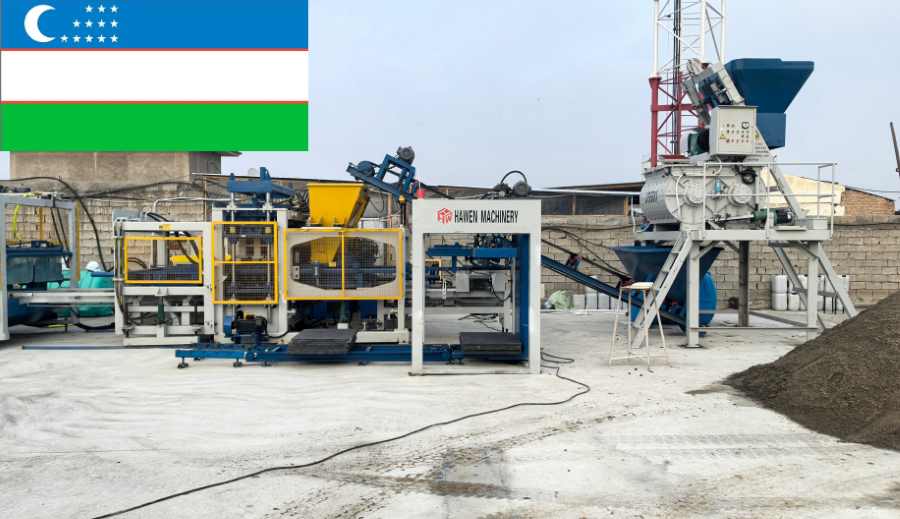
Hawen Machinery supplies concrete products equipment and tooling for hollow blocks, solid units, bricks, and pavers. For a bond beam project, the useful starting package includes the unit drawing, target materials, applicable standard, daily production needs, pallet dimensions, changeover frequency, and site utilities. Hawen can match a QT15 automatic block machine, a QT6 brick making machine, or another suitable press to the product and mold interface rather than recommending by machine name alone.
For automated production, a SIEMENS S7-200 PLC with a touch panel and remote monitoring can help operators review running status and operating parameters. A complete review may also include production pallets, pallet supply, offline palletizing, and available machine configurations. These components support a stable manufacturing process; structural design, product acceptance, and field reinforcement decisions remain with the responsible project professionals.
Action checklist
Obtain the engineer-approved bond beam or lintel drawing and governing product requirements.
Confirm channel geometry, web openings, face shells, bar clearance, and end conditions before mold release.
Inspect first-off units from multiple cavities and record dimensions by mold position.
Review mix consistency, filling, compaction, demolding, curing, and handling for fragile webs.
Protect special profiles during storage and shipment, and retain lot and mold traceability.
Keep manufacturing conformity separate from structural design and field installation approval.
A bond beam begins as a line on an engineer's drawing, but it succeeds only when that geometry survives tooling, production, delivery, and placement. Clear specifications and cavity-level checks make the unit predictable; coordinated design and workmanship make the wall dependable. Treating each stage as part of one documented chain turns a specialty block from a catalog shape into a reliable component of the building system.
FAQ
What is the difference between a bond beam block and a lintel block? Bond beam units form a channel for horizontal reinforcement and grout; lintel units are commonly shaped to contain grout while spanning an opening. The approved detail governs the selection.
Can a standard hollow block be used as a bond beam unit? Only if the structural design and specified construction detail permit the required channel to be formed and reinforced. Do not modify units without approval.
Which dimensions should a manufacturer inspect? Check overall dimensions, channel size, web position, face-shell thickness, squareness, and any knock-out feature against the released drawing and applicable specification.
Why are bond beam webs sometimes reduced or removable? The design may require a continuous path for horizontal bars and grout. The specific unit profile must match the engineered detail.
Does mold compatibility guarantee structural performance? No. Mold compatibility supports production fit and repeatability. Structural capacity depends on the designed assembly, materials, reinforcement, grout, and construction.
When should a special mold be ordered? After the engineer-approved unit drawing, machine interface, pallet size, and sample approval process are confirmed.
What should happen if reinforcement does not fit the channel on site? Stop and compare the installed unit and reinforcement with the approved drawings. Refer discrepancies to the responsible design professional rather than cutting or changing the wall without approval.





 Tel: +86-13905968794
 Email: export@hwmachines.com
 MP/WhatsApp: +86-13905968794
 Manufacturer Address:Nanan,Quanzhou City,Fujian Province,China