Professional focus: how batching accuracy, sand moisture, aggregate grading, and mixer timing affect the quality of hollow blocks and concrete pavers.
When hollow blocks break, pavers show rough surfaces, or green products deform after demolding, the forming machine is often blamed first. In many factories, however, the root cause starts before the concrete reaches the mold. Batching and mixing decide whether the material can fill the cavity, compact under vibration, release cleanly, and gain strength during curing. A machine cannot correct every error created by unstable raw material preparation.
Dry-cast concrete for block machines is especially sensitive because it uses low water content. A small change in sand moisture, aggregate grading, cement distribution, or mixing time can change how the material behaves during vibration. The same machine setting may produce good blocks in the morning and poor blocks in the afternoon if the sand pile dries, rain enters aggregate storage, or the operator changes water by eye.

Why mixing errors appear as machine problems
Mixing errors often appear at the forming machine, so operators may adjust vibration, pressure, or cycle time first. This is understandable but incomplete. If the mix is too dry, corners may be loose and hollow block webs may look weak. If the mix is too wet, products may stick, slump, or deform. If cement is not distributed evenly, the block surface may show color difference and later strength variation.
The useful habit is to inspect the material before changing machine settings. Look at the mix in the feeding system, touch its consistency, compare batch-to-batch behavior, and record whether defects follow a material change. If every mold cavity becomes worse at the same time, the cause may be material preparation rather than local mold wear.
Sand moisture and water correction
Sand moisture is one of the most common causes of unstable block quality. Sand stored outdoors can change moisture after rain, sun, or wind. If the operator adds the same amount of water every batch without correcting for sand moisture, the real water content of the concrete changes. A small change can be enough to affect demolding and green strength.
Too little water creates dry, harsh material. It may not close corners or compact around core boxes. Too much water creates sticky material that may look smooth but loses shape after demolding. The correct moisture window depends on aggregate, cement, product height, and vibration energy. Factories should record water adjustment when the sand condition changes instead of relying only on memory.
Aggregate grading and corner density
Aggregate grading controls how the material packs inside the mold. If aggregate is too coarse for a thin wall product, it can bridge around corners and core boxes. If there are too many fines, the mix may need more water and can become sticky or weak. A balanced grading allows vibration to compact the material without leaving large voids.
Hollow blocks are sensitive around webs and internal corners. Pavers are sensitive on the top surface and edges. If rough texture appears mainly at corners, check whether aggregate size is suitable for the mold detail. If the whole surface looks open, check fine material and moisture. If blocks from all cavities show similar loose texture, the material grading may be more important than machine adjustment.
Cement distribution and batch consistency
Cement must be distributed evenly throughout the batch. Poor cement distribution can cause color differences, weak zones, and inconsistent curing behavior. In pavers, uneven cement and pigment distribution may show as visible surface variation. In hollow blocks, it may create hidden strength differences between products from the same pallet.
Batch consistency also matters for production rhythm. If one batch is dry and the next batch is wet, operators keep changing settings and never find a stable point. This reduces output and increases rejects. A reliable batching system gives the machine a consistent material so that machine settings can remain stable.
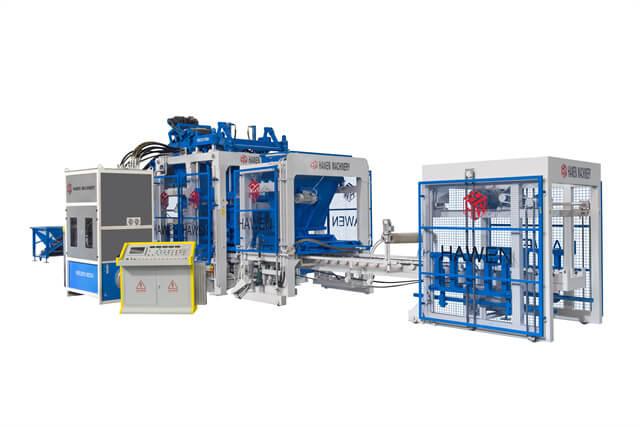
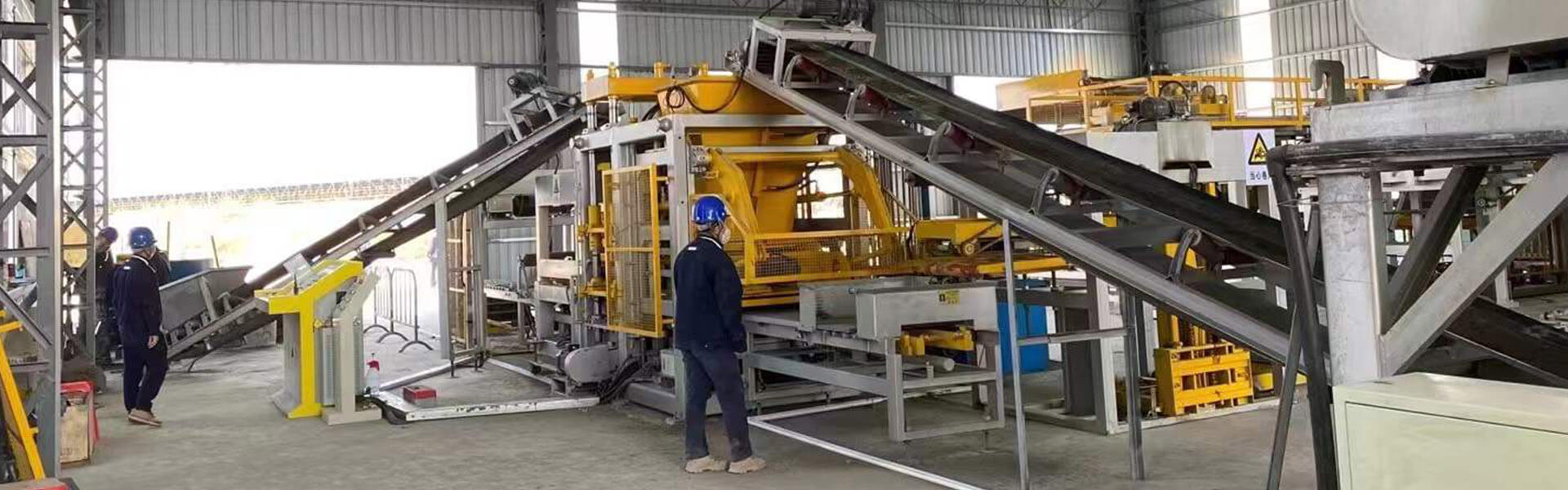
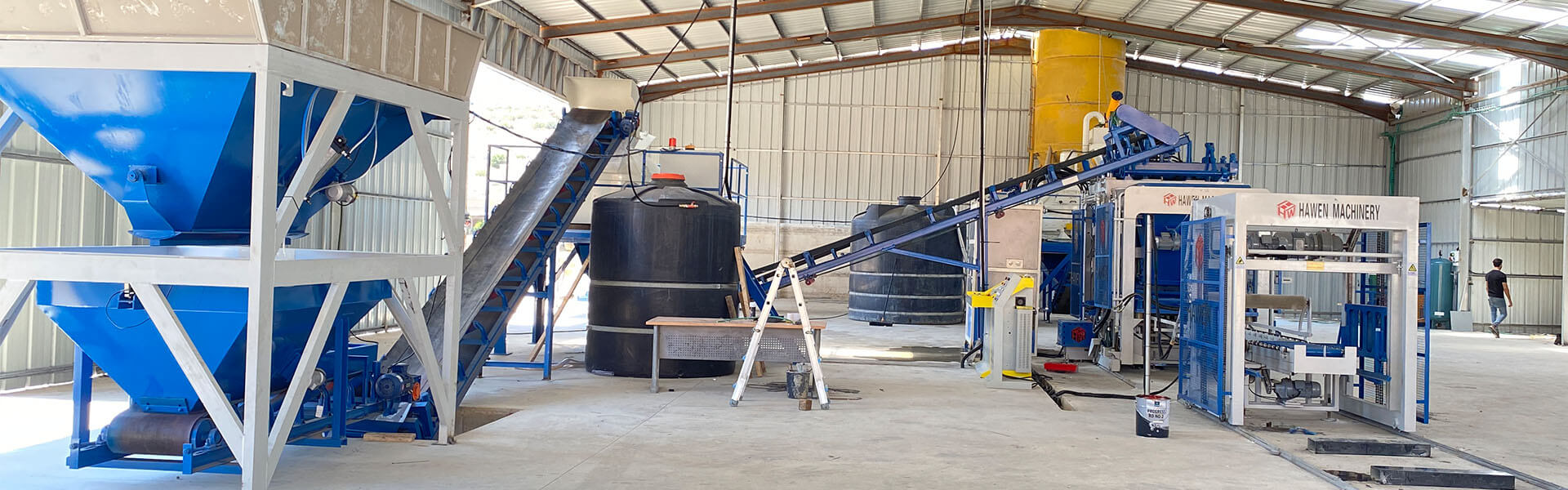
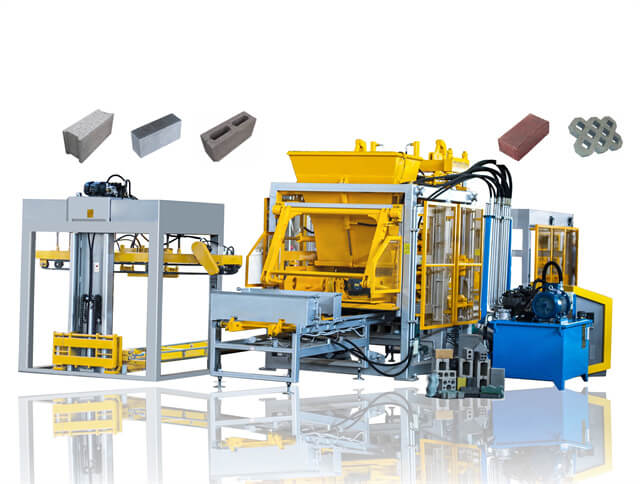
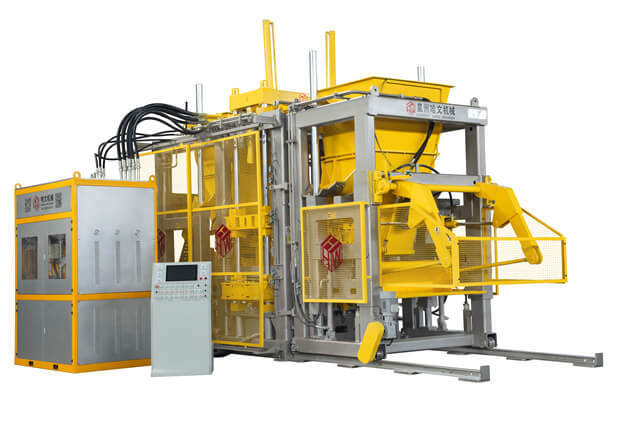
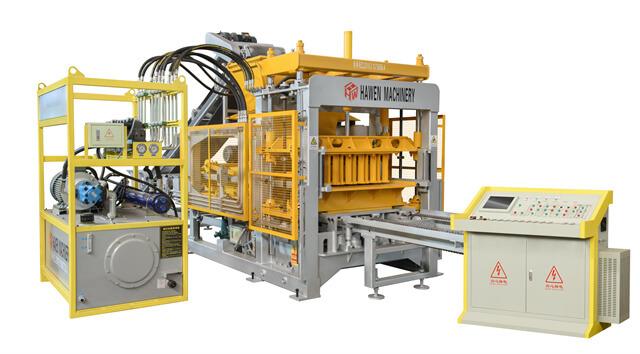
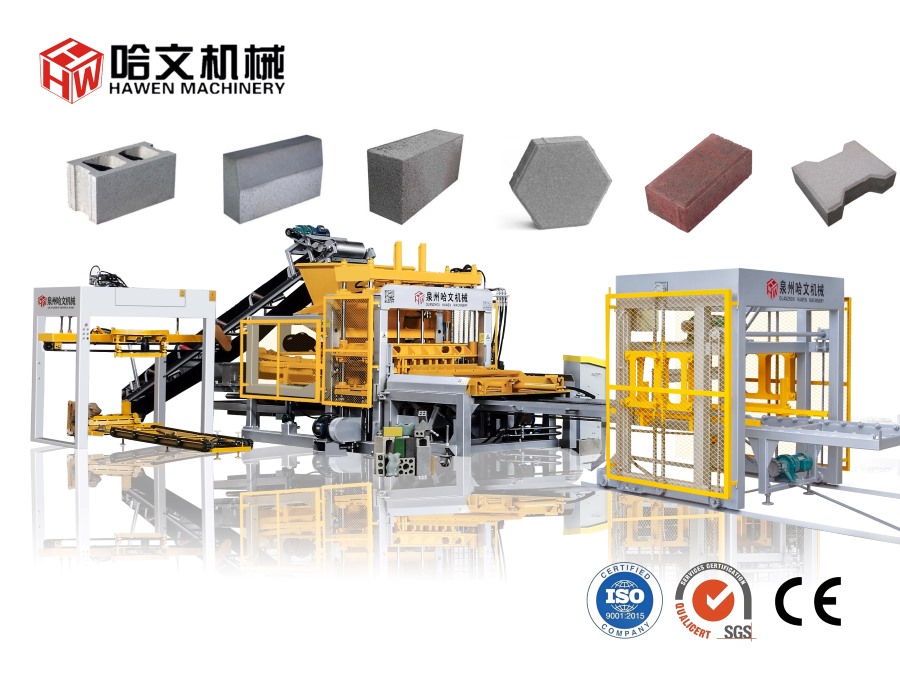
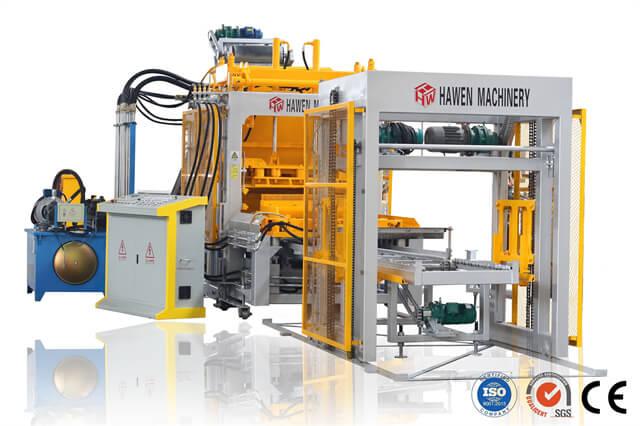
For buyers evaluating a QT10 automatic solid cement block machine or another automatic line, the batching and mixing system should be reviewed together with the forming machine. Strong forming equipment still needs consistent material preparation.
Insufficient mixing time can leave cement, sand, aggregate, pigment, or moisture unevenly distributed. Excessive mixing time may reduce efficiency and, in some conditions, change material behavior before forming. The correct time depends on mixer type, batch volume, raw material sequence, and whether pigment or face mix is used.
A practical check is to compare material samples from different points in the mixer discharge. If color, moisture, or texture differs visibly, mixing uniformity is not good enough. The operator should also check whether the first material leaving the mixer behaves differently from the last material. If so, the block machine receives inconsistent concrete during the same production period.

Batching check table for block factories
| Problem | Possible material cause | Factory check |
|---|
| Loose corners | Mix too dry, aggregate too coarse, poor corner filling | Check sand moisture, aggregate size, and material flow into mold corners. |
| Block sticks to mold | Mix too wet, excessive fines, dirty mold surface | Review water addition and compare material behavior after small water correction. |
| Surface color variation | Uneven cement, pigment, or moisture distribution | Inspect mixer uniformity and compare samples from different discharge moments. |
| Strength varies between batches | Unstable batching, moisture fluctuation, cement dosing error | Record batch weights, water correction, and raw material condition. |
Operator review method
A simple review method is to record four things for every production shift: sand condition, water addition, mixing time, and visible block defects. If the same defect appears after the same material change, the factory has useful evidence. If defects appear randomly across different products, the factory should also check pallet handling, mold wear, and curing conditions.
FAQ
Can batching errors look like machine problems?
Yes. Wrong moisture, poor grading, or uneven mixing can create defects that appear during forming, such as loose corners, sticking, rough surfaces, or low green strength.
Should operators add more water when blocks look loose?
Only after checking the cause. Loose blocks may be dry, but they may also result from coarse aggregate, poor filling, or weak vibration. Adding too much water can create sticking and deformation.
Why does sand moisture matter so much?
Dry-cast concrete uses a narrow moisture range. If sand moisture changes but water addition stays the same, the real mix condition changes and block quality becomes unstable.
How can a factory improve batch consistency?
Use controlled weighing, monitor sand moisture, keep raw materials separated, maintain consistent mixing time, and record adjustments during each production shift.
Conclusion
Block quality begins before the material enters the mold. Batching accuracy, sand moisture, aggregate grading, cement distribution, and mixer time all influence how the concrete compacts, demolds, and cures. If these inputs are unstable, the forming machine receives a different material every batch and stable settings become difficult.
The next step for a block factory is to treat material preparation as part of the machine system. Record raw material condition, correct water based on moisture, inspect aggregate grading, and verify mixer uniformity. This gives operators a stronger basis for adjusting the machine and gives buyers a clearer way to evaluate complete production line quotations.





 Tel: +86-13905968794
 Email: export@hwmachines.com
 MP/WhatsApp: +86-13905968794
 Manufacturer Address:Nanan,Quanzhou City,Fujian Province,China