Professional focus: how mold selection changes block quality, output, maintenance cost, and product range in a concrete block machine project.
When a buyer compares concrete block machines, the machine model usually gets the most attention. In daily production, however, the mold often decides whether the factory can make the products it wants with stable quality. The mold defines product size, hole shape, wall thickness, chamfer, surface texture, pieces per pallet, demolding behavior, and many maintenance details. A strong machine with a poorly matched mold can still produce blocks with weak corners, uneven height, rough surfaces, or low sellable rate.
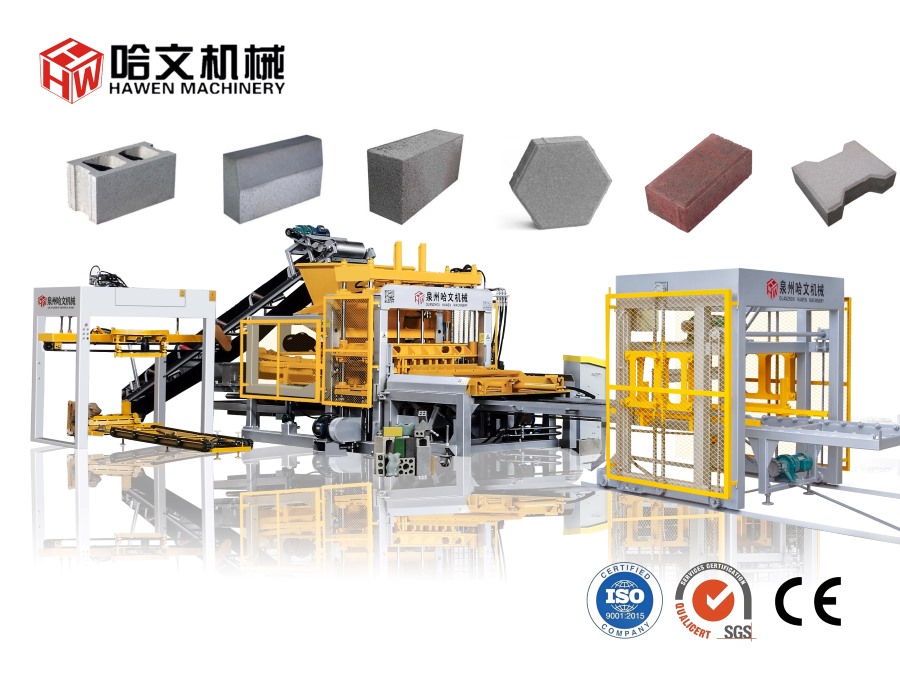
Mold selection should therefore happen before serious capacity comparison. A buyer should first decide which products will be sold in the local market: 8 inch hollow blocks, 6 inch hollow blocks, solid blocks, interlocking pavers, rectangular pavers, kerbstones, grass blocks, or other landscaping products. After that, the supplier can match pallet size, cavity count, vibration requirement, and forming machine configuration. This is a more reliable method than asking only for a general machine output number.
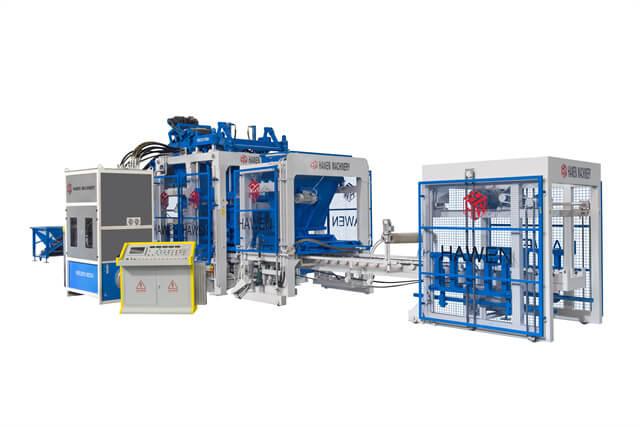
Why mold selection comes before output comparison
A block machine does not produce one universal product. It produces a specific product through a specific mold. The same machine may produce six large hollow blocks per pallet or more than twenty small pavers per pallet, depending on mold layout. This means two buyers can use the same machine model and still report very different daily output. The difference is not necessarily the machine; it is the mold and product size.
The mold also influences material behavior. A tall hollow block requires concrete to flow around core boxes and compact into thin webs. A paver mold requires clean surface filling and edge accuracy. A kerbstone mold may need different demolding support because the product is larger and heavier. If the mold is designed without considering raw material size, wall thickness, and green strength, the factory may face repeated defects even when the machine settings look correct.
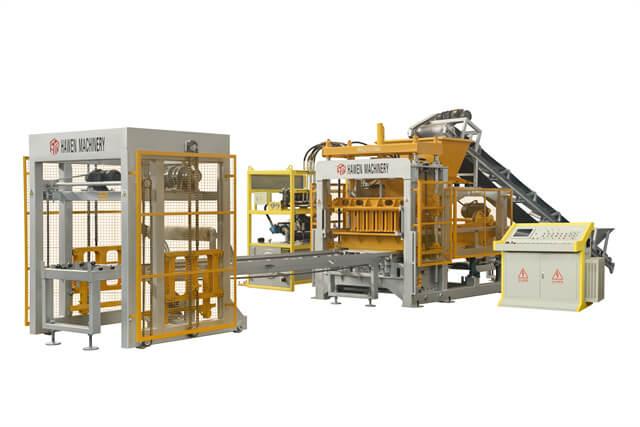
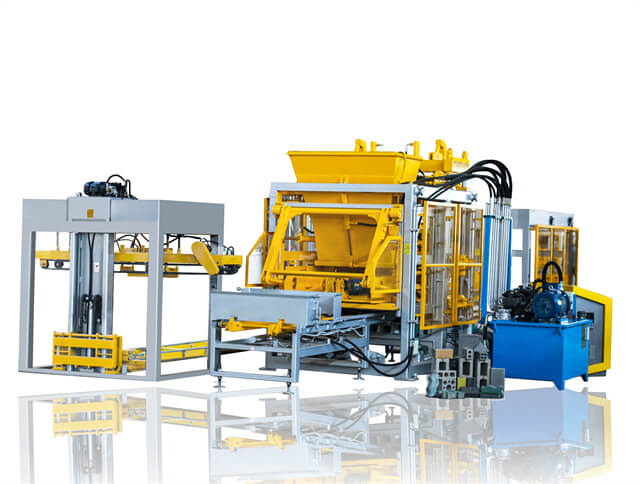
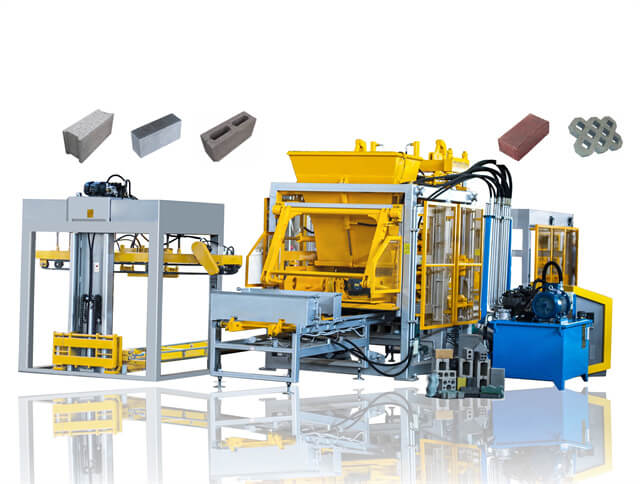
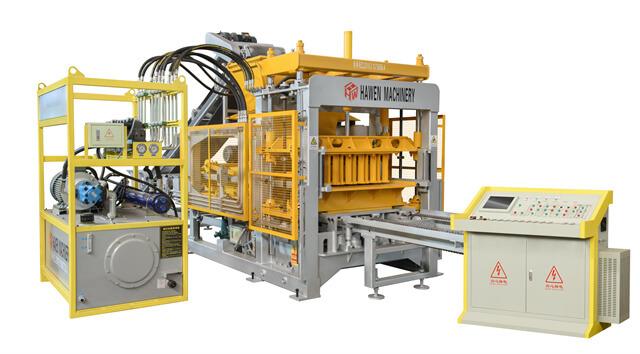
For this reason, buyers reviewing a QT6-15 cement paver brick production machine or any similar automatic block machine should discuss the first mold set very carefully. The first mold often determines the first products sold, the first production records, and the operator's first learning curve.
Hollow block molds and core box stability
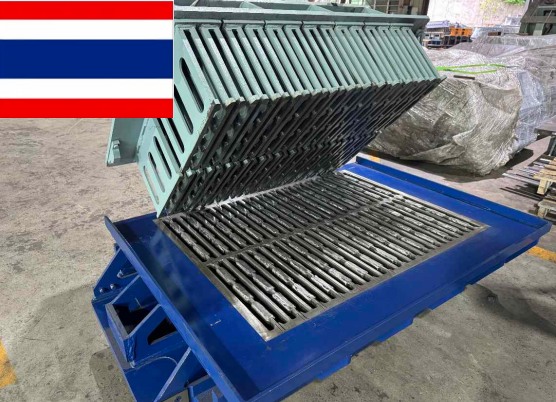
Hollow block molds are built around core boxes. These core boxes form the holes inside the block, so their position, stiffness, and surface condition directly affect product quality. If the core boxes are not stable, the holes may become uneven. If the gap between core box and mold wall is too narrow for the aggregate size, material may bridge and leave weak webs. If the mold release is rough, fresh blocks can tear around the inner hole corners.
Wall thickness is one of the most important details. A hollow block with thin webs may save material, but it is harder to form if the local aggregate is coarse or poorly graded. A thicker web is easier to compact but increases material consumption and product weight. The mold designer needs the target block drawing and the raw material condition, not only the product name.
Buyers should also ask whether the mold has replaceable wear parts, especially for areas that contact concrete frequently. Long-term production can slowly change cavity size, edge sharpness, and core box surface condition. If the mold has no practical maintenance plan, product tolerance may drift over time.
Paver molds and surface detail control
Paver molds are sensitive because pavers are judged by appearance as well as strength. Edge shape, chamfer design, top surface density, color layer thickness, and demolding smoothness all matter. A small chip on a basic wall block may be accepted in some markets, but a chipped interlocking shoulder on a paver can affect installation and customer confidence.
If the factory plans to make face-mix pavers, the mold should be discussed together with the feeding system. The surface layer must be distributed consistently. If the face layer is too thin, the base mix may influence color. If the face layer is uneven, the paver may show color bands after curing. A good paver mold is not only a steel cavity; it is part of a surface quality system.
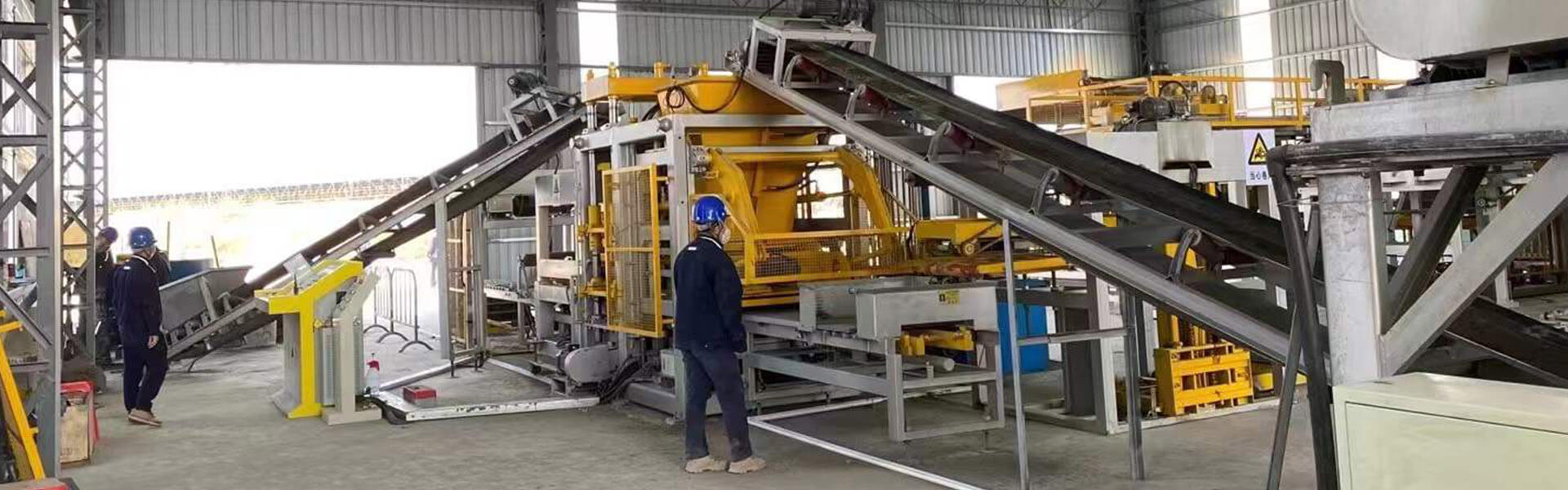
Mold cavity count and real daily capacity
Mold cavity count is the number of products formed in one cycle. It is a key part of output calculation, but it should not be maximized blindly. Too many cavities can reduce filling quality, especially with thin products, sharp corners, or difficult aggregate. A mold with fewer cavities but stable demolding may produce a higher sellable rate than a crowded mold that creates defects.
Daily capacity should be calculated from pieces per pallet, cycle time, working hours, pallet return speed, and curing capacity. If a mold produces many pavers per pallet but the curing yard is too small, the machine still cannot run continuously. If a hollow block mold produces stable blocks but pallets are not returned in time, the rated output will not be reached.
Wear parts that change product accuracy
Concrete is abrasive. Over time, mold plates, core boxes, tamper shoes, and edges can wear. Wear does not always appear as a sudden failure. It may appear as gradually rounded edges, looser dimensions, rough demolding, or repeated defects in one cavity. This is why mold maintenance should be part of production planning.
A practical factory habit is to measure blocks by mold cavity position. If one cavity produces wider or weaker blocks than the others, the issue may be local wear or alignment. If all cavities slowly lose edge sharpness, general mold wear is more likely. Recording these patterns helps the factory decide whether to repair, replace parts, or order a new mold.
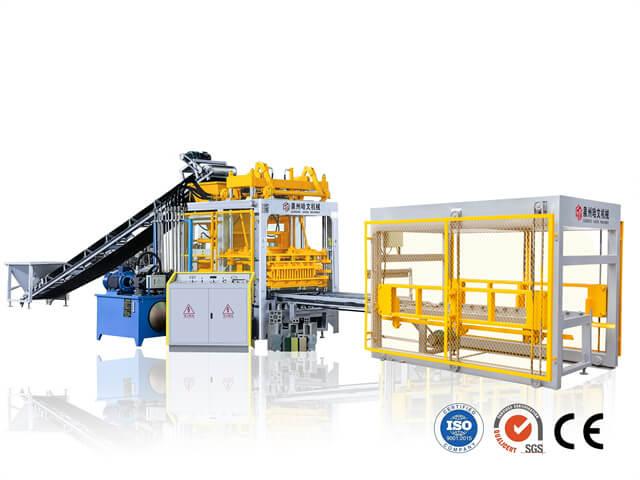
Mold selection table for common products
| Product type | Main mold concern | Buyer should confirm |
|---|
| Hollow block | Core box stability, wall thickness, hole release | Block drawing, aggregate size, wall thickness, required strength |
| Solid block | Compaction uniformity and product weight | Block size, product use, pallet capacity, curing method |
| Interlocking paver | Edge accuracy, surface density, demolding smoothness | Shape drawing, thickness, color layer, installation requirement |
| Kerbstone | Large product volume and green strength | Weight, demolding direction, handling method, curing layout |
Buyer documents before ordering a mold
Before ordering a mold, prepare drawings or clear product photos, dimensions, expected production volume, local aggregate size, cement type, pallet size, and market quality expectations. If the product is a paver, include surface color and chamfer details. If the product is a hollow block, include hole shape and wall thickness. These documents reduce misunderstanding and help the supplier design a mold that matches real production.
FAQ
Can one block machine use many different molds?
Yes, many automatic block machines can change molds for different products. The buyer still needs to confirm pallet size, product height, raw material suitability, and whether the machine configuration supports the target product range.
Is the mold with more cavities always better?
No. More cavities can increase theoretical output, but only if filling, compaction, demolding, and curing remain stable. A mold with too many cavities may reduce sellable product rate.
Why do hollow block molds need special attention?
Because the core boxes form the holes and thin webs. Poor core box design or unsuitable aggregate size can create weak internal walls and demolding damage.
When should a mold be replaced?
Replacement should be considered when product dimensions drift, edge quality declines, defects repeat in the same cavity, or repair cannot restore acceptable tolerance.
Conclusion
Mold selection is not a small accessory decision. It defines the products a block factory can sell, the real output per cycle, the defect risk, and the maintenance rhythm. Buyers should confirm product drawings, raw materials, pallet size, cavity count, and curing method before treating a machine quotation as complete.
The next step is to list the first three products the factory plans to sell and discuss each mold separately with the supplier. This approach gives a clearer production plan than choosing a machine first and deciding the product details later.





 Tel: +86-13905968794
 Email: export@hwmachines.com
 MP/WhatsApp: +86-13905968794
 Manufacturer Address:Nanan,Quanzhou City,Fujian Province,China