Curing is the period after forming when concrete products develop strength under the moisture and temperature conditions available at the plant. In a block factory, curing may take place in an enclosed room, a covered yard, a rack system, or another arrangement. The air movement around products is only one part of that environment, but it can influence how consistently heat and moisture conditions are maintained from one position to another.
When blocks from the same production shift show different surface drying, color, handling strength, or later test results, plant teams may first review cement content, aggregate moisture, vibration, and mould condition. Those checks are important, yet they do not explain every location-related pattern. If products from one rack level or one side of a curing zone behave differently, the arrangement and movement of air deserve a systematic review.
This article explains how to inspect curing-area airflow without assuming that faster air is always better. The suitable condition depends on the curing method, product mix, enclosure, rack arrangement, local climate, and handling schedule. A useful diagnosis compares known locations over time and separates curing observations from variation that was already present when the blocks left the machine.

What airflow means in a block curing area
Airflow describes the direction and relative movement of air around the curing load. It is not the same as ventilation rate, fresh-air exchange, humidity control, or heating capacity, although these systems can interact. A door opening, fan outlet, heater, exhaust duct, roof gap, or vehicle route may create a local air path that differs from the general room condition.
In a naturally ventilated covered yard, wind and openings can make conditions change throughout the day. In an enclosed curing room, circulation fans may reduce stagnant zones but can also create stronger movement near outlets. Some facilities use controlled heat or moisture; others rely on ambient conditions. Operators should document which arrangement is present before interpreting an observed difference.
The practical question is not whether the room has air movement, but whether the products experience repeatable conditions appropriate to the plant's process. A high-speed stream directed at fresh blocks can increase surface drying in some situations, while stagnant areas may retain heat or moisture differently. Neither observation by itself establishes a defect; product age, mixture, exposure duration, and downstream handling also matter.
Concrete products continue to hydrate after demoulding. Moisture loss from exposed surfaces and temperature changes can affect the rate and uniformity of early curing. If one part of a stack is exposed to a different environment from another, the surface condition may diverge even though blocks were formed from the same batch. The size of that effect depends on the cementitious materials, water content, product geometry, exposure, and curing practice.
Air movement may also alter evaporation from corners, thin webs, and exposed faces at different rates. Hollow units have internal surfaces and openings, while solid products present a different exposed area. Stacking orientation and contact between units can shelter some faces and leave others more exposed. Therefore, an inspection should record product type and orientation, not simply the aisle or room temperature.
It is important to distinguish early surface appearance from final performance. A light color variation or a dry-looking edge is a clue for investigation, not proof of low strength. Compare representative samples from different positions using the plant's established quality checks and keep age, storage duration, and sampling procedure consistent.
Rack spacing, stack height, and airflow obstructions
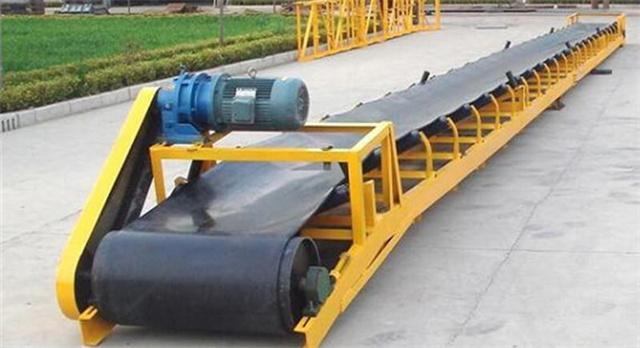
Racks and product stacks create channels as well as barriers. Narrow clearances between stacks can restrict circulation, while wide passages may become preferential routes that receive more movement than the product faces behind them. The geometry changes with rack occupancy: a partially loaded room can behave differently from a full room because the air has alternate paths when spaces are empty.
Ceiling beams, curtains, partition walls, doors, ducts, lights, and stored materials can interrupt circulation. A fan may appear to operate normally while its stream is blocked by a high stack or directed above the product zone. Conversely, an aisle can carry strong movement while deeper rack positions remain relatively still. Observing only at floor level or near the entrance can miss these differences.
Map the typical and maximum rack configuration. Note the number of levels, spacing between units, clearance to walls and ceiling, door position, and locations where operators regularly leave gaps. A layout review should reflect actual operating practice rather than an ideal drawing that does not match daily loading.
Temperature and moisture gradients across a curing load
Air movement affects how quickly heat and moisture are redistributed, but a curing zone can also have gradients caused by heat sources, envelope leakage, solar exposure, or uneven control sensors. A single room reading may not represent the conditions at the center of a dense stack or at the far end of a long aisle. Measurements need locations and timestamps so that the plant can compare like with like.
Use suitable, maintained instruments and place them where products are actually stored. When mapping a room, select points near likely supply and return paths, at more than one rack height, and at positions known to produce different observations. Avoid placing a sensor directly in a fan jet unless the purpose is specifically to characterize that outlet.
Humidity readings can be affected by sensor response, condensation, dust, and placement. Treat a short reading as a snapshot. Repeating observations during representative cycles helps separate persistent gradients from door-opening events, shift changes, or weather fluctuations.
Separate curing-room effects from mix and forming variables
Products enter the curing area with a history. Aggregate moisture, batching accuracy, mixing sequence, filling, vibration, compaction, and demoulding can all create differences before curing begins. If the plant only tests finished units, a curing-area correlation can be mistaken for the original cause. Record the machine cycle, mix batch, mould, product format, and initial visual condition where practical.
During troubleshooting, keep the production recipe and handling method stable while comparing positions. If a defect appears before the blocks reach the curing area, airflow cannot be its initiating cause. If the difference emerges or increases after exposure, the curing environment becomes a more relevant variable, though storage and transport still need review.
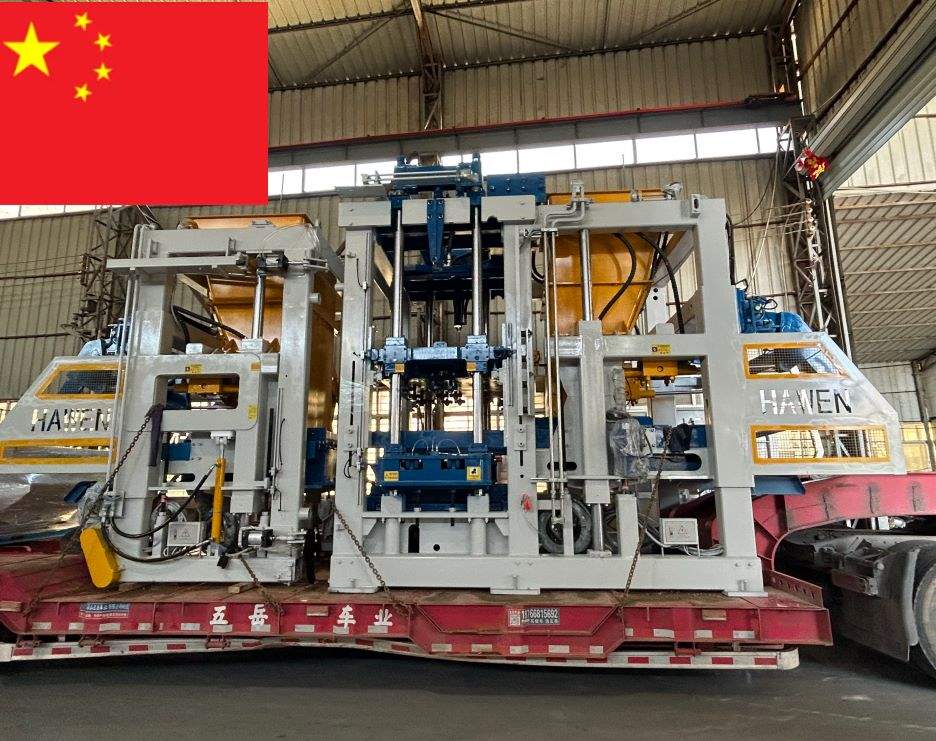
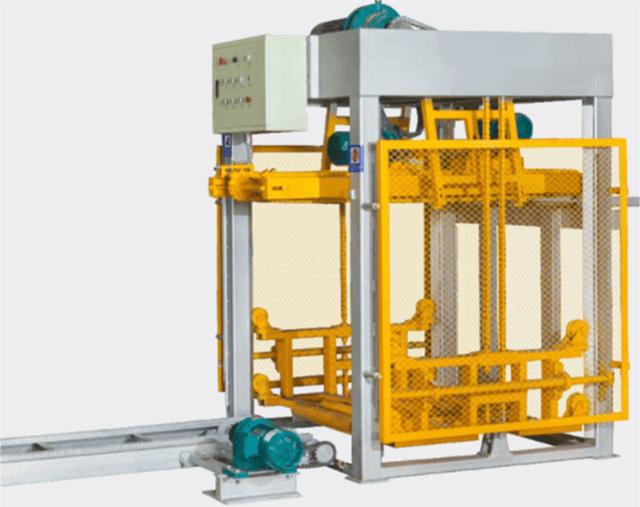
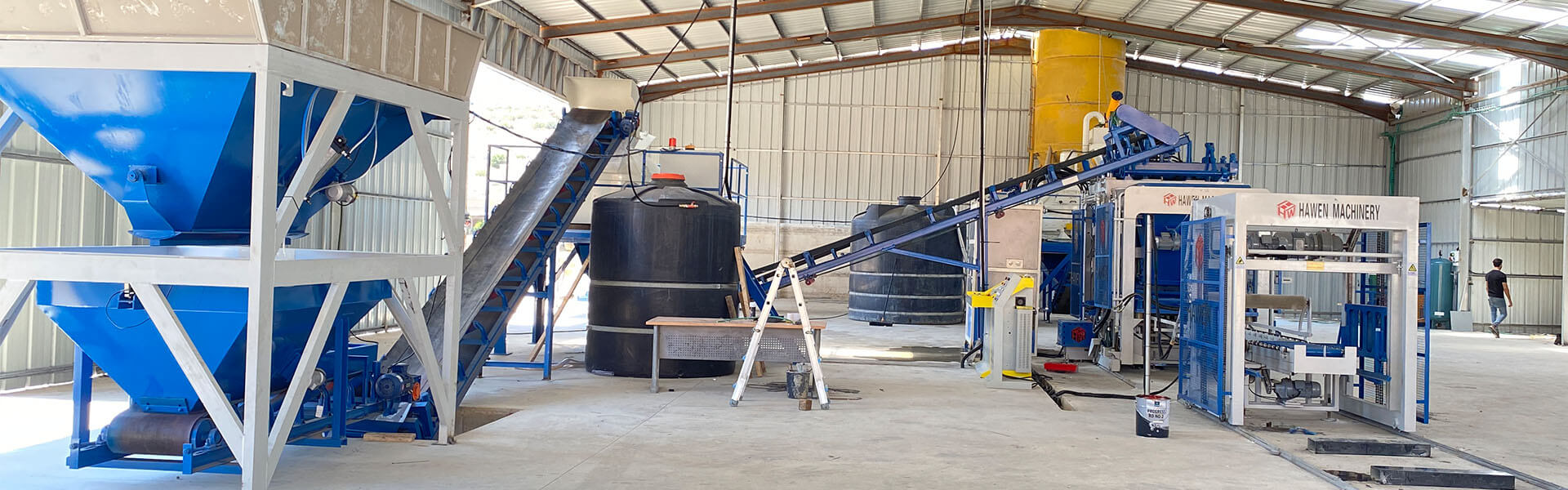
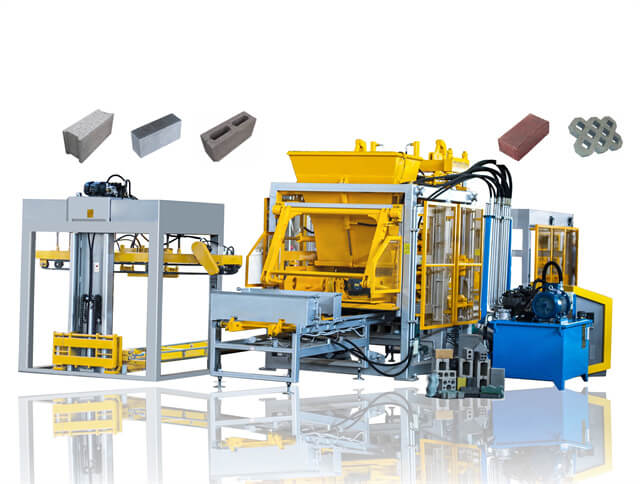
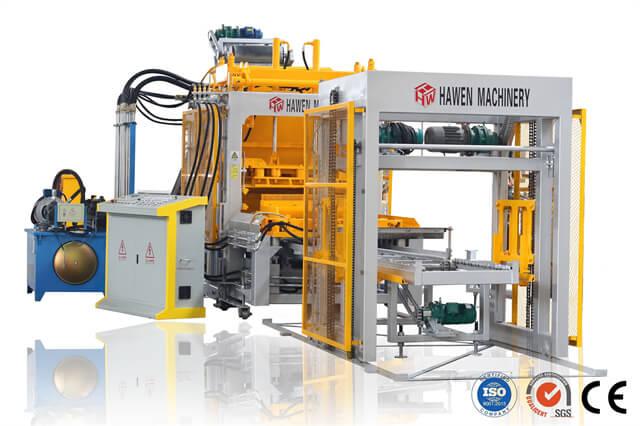
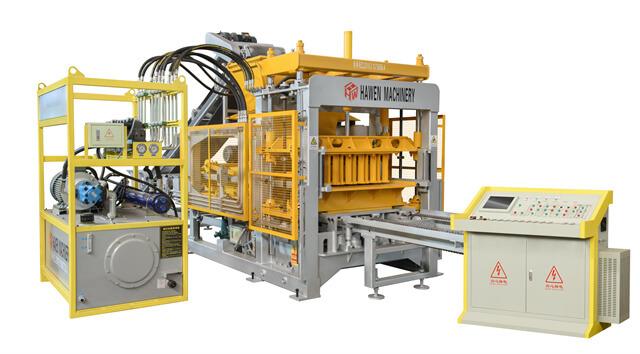
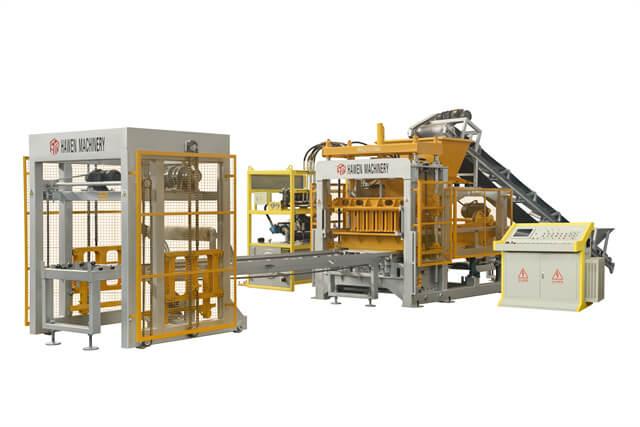
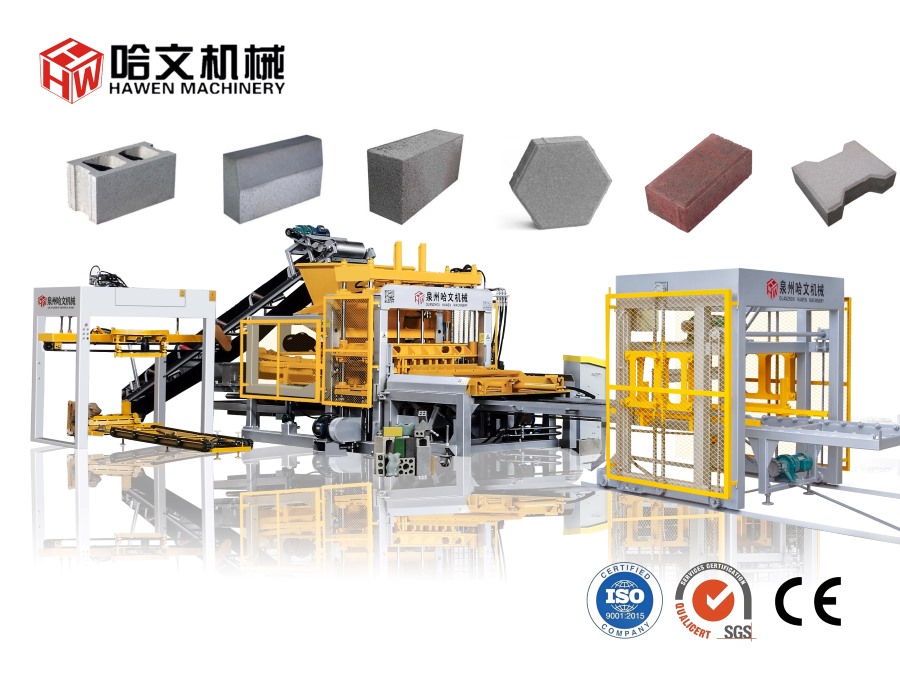
For a line expansion or new facility, coordinate the block-making machine and product-handling sequence with the curing layout. The arrangement of conveyors, elevators, finger cars, racks, and access lanes determines where loads wait and how operators move them. A QT12 automatic hydraulic hollow block production line is one example of a forming-line configuration that should be reviewed together with its downstream product route and curing capacity.
A practical method to map curing conditions
Start with a simple location plan. Assign each aisle, rack, and level a readable code. Record when products enter and leave each zone, which product format is present, whether doors or curtains are open, and whether fans or heaters are operating. A small number of repeatable points is more useful than many undocumented readings.
Where the facility permits, compare similar loads from the same production window at different positions. Keep product age, exposure time, rack orientation, and sampling method aligned. Observe surfaces at entry and at defined intervals, and note whether differences are on air-facing sides, sheltered faces, edges, or internal webs.
Use a low-risk tracer or approved airflow indicator only where plant safety and product hygiene rules allow it. The goal is to understand direction and dead zones, not to create a precise engineering velocity map from an informal test. For design changes, qualified ventilation or curing-system personnel should select measurement tools and operating limits.
Review the results with operators who load and unload the room. They often know which rack positions are difficult to access, where stacks are repeatedly delayed, and when doors remain open. Their observations can explain why the same location behaves differently between shifts.
Curing symptoms and diagnostic checks
The following matrix links common observations to checks that help narrow the cause. These are prompts for controlled investigation, not diagnoses. A plant should follow its product specifications and established testing procedures when deciding whether a lot meets requirements.
| Observation | Possible environmental factor | First comparison |
|---|
| Surface drying differs by aisle | Door, fan, or leakage path creates uneven exposure | Compare time-stamped readings and product age by aisle |
| Top rack units appear different from lower units | Vertical temperature or circulation gradient | Map more than one level under the same loading pattern |
| One face shows more color variation | Different exposure or stack orientation | Mark the exposed face and compare matched units |
| Strength results vary by storage position | Curing history may vary, but forming inputs may also differ | Track batch, mould, cycle, location, and test age together |
| Difference appears only during busy shifts | Door traffic or delayed load movement changes exposure | Compare door events, queue time, and loading sequence |
Operating adjustments and their limitations
Potential adjustments include redirecting a fan, balancing supply and return openings, changing rack spacing, reducing obstructions, or standardizing door discipline. Each change should be made one at a time where possible. Document the original condition and compare representative production after the adjustment, because changing fan direction may resolve one stagnant zone while increasing movement elsewhere.
Do not use a higher fan speed as a universal solution. More movement can increase surface evaporation in some conditions, consume energy, create dust, or disturb planned temperature control. Likewise, blocking an opening can improve one area while reducing the intended exhaust path. The correct response depends on the design of the enclosure and whether the system is intended for natural or mechanical circulation.
Changes to curing schedules or environmental controls should be reviewed against the plant's product requirements and process documentation. Operators should not rely on a visual impression alone to shorten curing time or move products earlier. A controlled trial needs quality sampling at consistent ages and should preserve traceability to the production batch.
What to review during layout and commissioning
Before construction or commissioning, show the curing area as part of the production layout. Confirm rack dimensions, aisles, door swing, fan and duct positions, heating or moisture-control equipment, sensor locations, vehicle paths, and safe access for maintenance. Check both nominal and peak occupancy, since circulation can change as the room fills.
Commissioning records should state where environmental readings were taken, what equipment was operating, the rack occupancy, and the product positions sampled. Photographs or a simple marked-up layout can make later comparisons easier. Record the process sequence from demoulding through curing, transfer, and final storage so that delays and exposure periods can be considered in root-cause review.
Assign responsibility for routine checks. A practical plan identifies who inspects fans and filters, verifies sensors, records door or curtain issues, and reports unusual product patterns. Maintenance tasks should follow equipment instructions and site safety procedures; fan guards and electrical isolation are part of safe access.
FAQ
Does stronger airflow always improve concrete block curing?
No. Air movement should suit the curing method and product. Strong local flow can increase exposure on some faces, while stagnant regions can have different heat or moisture conditions. Map actual conditions before changing fan settings.
Can curing airflow alone explain low compressive strength?
It may contribute to variation, but mix design, batching, compaction, demoulding, age, storage, and test procedure also matter. Trace samples back to their production and curing locations before assigning a cause.
How many points should be measured in a curing room?
There is no universal number. Select enough repeatable points to cover likely supply and return paths, multiple rack heights, and locations with different product observations. Increase coverage if the initial map shows gradients.
Should a curing room remain fully closed?
That depends on its design and process. Follow the system's operating instructions and document door events. A rule that suits one enclosure may be unsuitable for another.
When should airflow be reviewed during a new line project?
Review it during layout coordination, before commissioning, and after the actual rack pattern and production sequence are known. Include expected maximum occupancy rather than testing only an empty or lightly loaded room.
Conclusion
Curing-area airflow can affect how consistently blocks experience moisture and temperature conditions, but it must be evaluated as part of a larger process. Rack geometry, occupancy, doors, fans, heat sources, product orientation, and upstream forming variation all influence the evidence. A location-based observation is a reason to measure and compare, not a stand-alone proof of cause.
For reliable decisions, map a small set of defined positions, track product age and batch history, and compare quality results under controlled conditions. During plant planning, coordinate curing capacity and circulation with the machine, racks, transfers, and access routes. The result is a curing process that can be reviewed with records rather than adjusted by guesswork.





 Tel: +86-13905968794
 Email: export@hwmachines.com
 MP/WhatsApp: +86-13905968794
 Manufacturer Address:Nanan,Quanzhou City,Fujian Province,China