The conveyor's role between batching, mixing, and forming
A conveyor can limit a block plant even when the mixer and forming machine operate correctly. Belt drift, spillage, and repeated stoppages interrupt material transfer and create cleaning work. The first step is to identify exactly which conveyor is affected and where it sits in the production sequence.
This article addresses belt conveyors carrying aggregate or concrete mix. It does not cover pallet conveyors, screw conveyors, or finished-block handling systems, which have different mechanisms and inspection requirements. Some block plants also use skip hoists for parts of the route; the installed layout determines which guidance applies.
An aggregate belt upstream of a weighing point and a mixed-concrete belt downstream of the mixer do not have identical consequences when material is lost. Record the location of the loss before deciding whether the problem mainly affects supply rate, batch quantity, cleanliness, or subsequent product consistency.
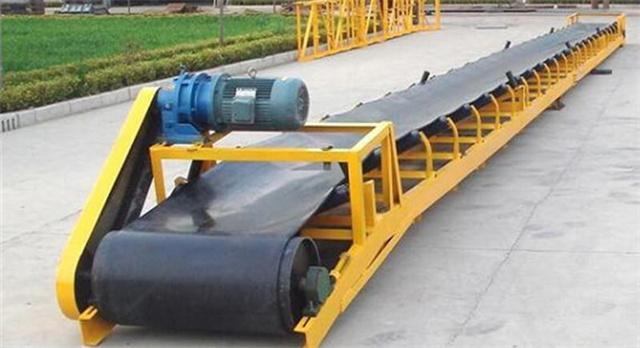
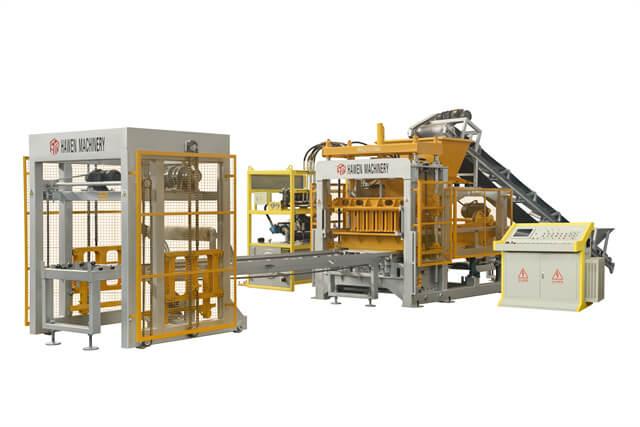
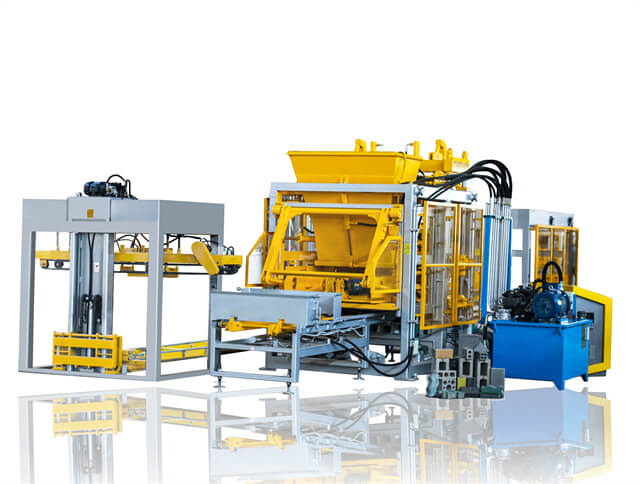
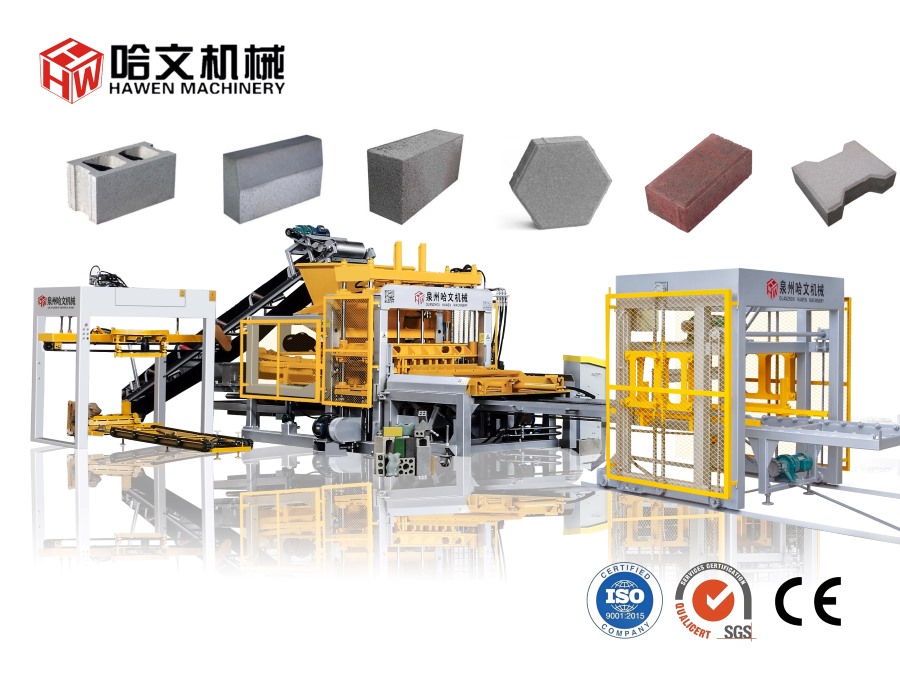
Material-transfer conveyor illustration; the article does not identify a defect in this equipment.
Locate where belt drift begins
Mistracking is lateral movement away from the intended running path. The place where an edge rubs against a structure may be downstream of the original disturbance. Inspect the entire permitted viewing route rather than adjusting only the roller nearest the damaged edge.
From designated safe positions, record whether the belt drifts while empty, under load, or only during starting and stopping. Note whether the deviation remains in one location or appears to follow a particular section of belt. These observations help a qualified technician choose an inspection sequence.
Keep the observation separate from the diagnosis. A belt that runs differently under load can point toward loading conditions, but mechanical condition still matters. The aim is to identify repeatable behavior before making a controlled correction.
A simple inspection sketch can mark the loading point, discharge point, carrying run, return run, and observed drift locations. Add the direction of belt travel and the time of each observation. This lets the maintenance technician interpret the operator's report without assuming that words such as left, right, front, or back refer to the same viewpoint.
Off-center loading and transfer-chute conditions
Material entering away from the belt center can influence tracking. An uneven distribution across the belt can also produce different loading conditions on its two sides. Inspect how the stream arrives, not just how full the belt looks farther downstream.
Check the condition of the transfer chute and whether material buildup changes its discharge path. If the loading pattern changes with flow rate, document both conditions. A short inspection during light feeding may miss a problem that appears during normal batch discharge.
Review changes upstream of the chute. A different aggregate, altered moisture condition, or changed discharge timing can affect the delivered stream. Do not reshape a chute or increase belt speed without assessing the intended flow, capacity, and equipment instructions.
Return rollers, carryback, and cleaning condition
Carryback is material that remains on the belt after discharge and travels along the return side. If it accumulates on rolling components, it can change belt contact conditions and contribute to tracking problems. Cleaning performance therefore belongs in the tracking investigation.
Inspect accessible rollers, pulleys, and cleaning components after safe isolation. Look for buildup, damage, and components that do not function as intended. Follow the manufacturer's inspection method rather than trying to touch or free a roller while the conveyor is operating.
Check scraper condition and adjustment against its instructions. Excessive pressure is not a universal cure for poor cleaning. Record the condition of both the belt and cleaning system so that a worn component is not repeatedly readjusted without addressing its actual condition.
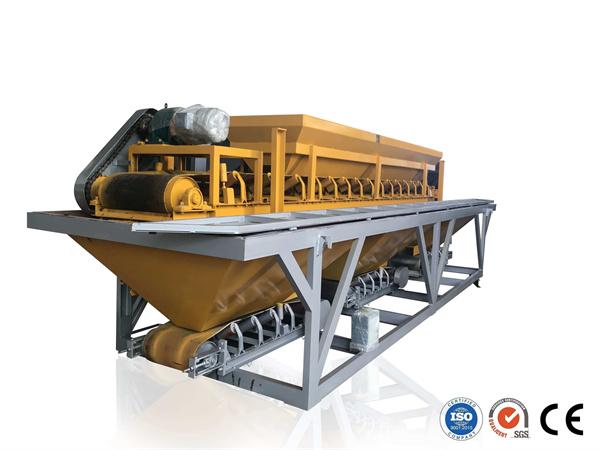
Identify the conveyor's position relative to aggregate weighing before assessing spillage.
Belt tension, splice condition, and conveyor alignment
Persistent mistracking may involve structural alignment, belt condition, the splice, or the take-up arrangement. These require a competent inspection against the conveyor design. A visually straight frame does not replace the specified alignment checks.
Do not repeatedly increase tension as a default response. The correct tension depends on the installed conveyor, belt, and operating conditions. Excessive or unsuitable adjustment can introduce other problems rather than correcting the original disturbance.
If the deviation appears to travel with a particular belt section, record its position for inspection after isolation. A splice or belt-shape issue needs a different response from a fixed loading disturbance. Repairs and splice work should follow the belt supplier's procedures.
Document every approved adjustment and its result. Several undocumented changes to rollers and take-up positions make it difficult to establish the original condition or assess which correction was effective.
Separate mistracking from other causes of spillage
Spillage does not always mean the belt is running off center. Loading rate, material containment, discharge conditions, and belt support can also require review. First identify whether the material falls at the loading point, along the carry side, near discharge, or beneath the return run.
The following table connects visible patterns with an initial inspection. It is not an instruction to make a particular mechanical adjustment, and more than one condition may be present.
| Visible pattern | Initial inspection | Information to record |
|---|
| Belt centered empty but drifts with material | Loading stream and loaded operating condition | Material type and feed rate at onset |
| Material beneath the return run | Carryback and cleaning system condition | Where deposits begin and their recurrence |
| Spillage at loading with belt centered | Chute, containment, belt support, and loading rate | Operating state and discharge pattern |
| Deviation repeats with one belt section | Belt and splice inspection after isolation | Position and repeat interval |
| Edge contact at a fixed location | Upstream tracking and component alignment | Location where deviation first becomes visible |
What material loss means for a concrete batch
If aggregate is lost after it has been weighed but before it enters the mixer, the delivered batch may no longer contain the weighed quantity. Determine whether the affected material belongs to one separately weighed fraction or a combined stream before assessing the likely recipe impact.
If mixed concrete spills between the mixer and the machine hopper, the immediate effect can be reduced available material and extra cleanup. It does not automatically mean that the remaining material has a different composition; that would require evidence of selective loss or segregation.
Where spillage occurs before weighing, the scale may still measure the intended quantity if the system operates correctly, but supply interruptions can remain. Connect the location of the conveyor with the actual control sequence instead of applying one explanation to every plant.
Never return floor sweepings to a production batch without an approved material-control procedure. Their identity, cleanliness, and condition may no longer match the accepted raw material.
Conveyor interruptions and machine waiting time
A concrete block production line coordinates material supply with mixing and forming. Conveyor faults can appear downstream as waiting time, but the fault log must distinguish a supply interruption from a mixer or machine issue.
Review start permissives, level signals, and fault responses with the equipment supplier. Do not bypass a level or belt-protection device to recover output. The correct response should preserve the designed sequence and allow safe recovery after the underlying issue is resolved.
Measure interruption duration and recurrence under a defined product recipe. Total lost time includes cleanup, restart, and any material disposition, not only the period when the belt motor is stopped. This gives a more useful maintenance priority than counting alarms alone.
Use a consistent definition of conveyor-related downtime. For example, distinguish a belt-protection trip from a stop commanded because a downstream hopper is full. Both can stop the drive, but only one may be an equipment fault. A clear event description prevents normal sequence behavior from being reported as poor conveyor reliability.
Safe inspection and planned correction
Operating observations must be made from safe positions with guards in place. Never push a moving belt, reach into a nip point, or clean material from a running pulley or roller. Follow the site and equipment procedures before approaching the mechanism.
For physical inspection, isolate all relevant energy, control stored movement, and follow the approved maintenance process. Inclined conveyors and tensioned systems can retain hazards after the drive is stopped. Only trained personnel should perform adjustments.
After a correction, restore guards and complete the prescribed restart checks. Where the manufacturer permits it, compare the relevant empty and loaded conditions from a safe position. Stop if the belt contacts structures, protection devices indicate a fault, or material behavior becomes abnormal.
A useful conveyor acceptance review for plant buyers
Ask the supplier to demonstrate the installed transfer route with representative material and intended loading conditions. An empty running belt can show motion, but it cannot establish that a chute contains the actual discharge stream or that the loaded transfer remains stable.
Agree what will be observed: tracking behavior, transfer containment, cleaning access, fault indications, and the recovery sequence. Record the product or aggregate used and the operating state. Avoid a universal acceptance speed or capacity that ignores the supplied layout.
Review maintenance access before surrounding equipment is finalized. Ask how a belt, roller, or cleaner will be serviced and whether the required lifting and working space remains available. Access that depends on removing unrelated plant structures can become a recurring operating cost.
For an existing plant, use the same approach to compare before and after conditions. Choose one recurring problem, record its frequency, make an approved correction, and repeat the observation under comparable material and loading conditions. This produces evidence for the next decision.
During a supplier demonstration, note whether the conveyor is being fed continuously or receives short batch discharges. A transfer that works with a small steady stream may behave differently during the intended discharge event. Ask for an explanation of how the demonstrated condition relates to your production sequence, and record any condition that could not be demonstrated for later site verification.
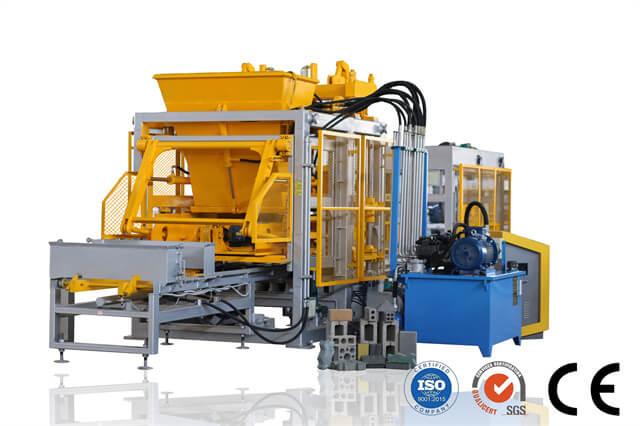
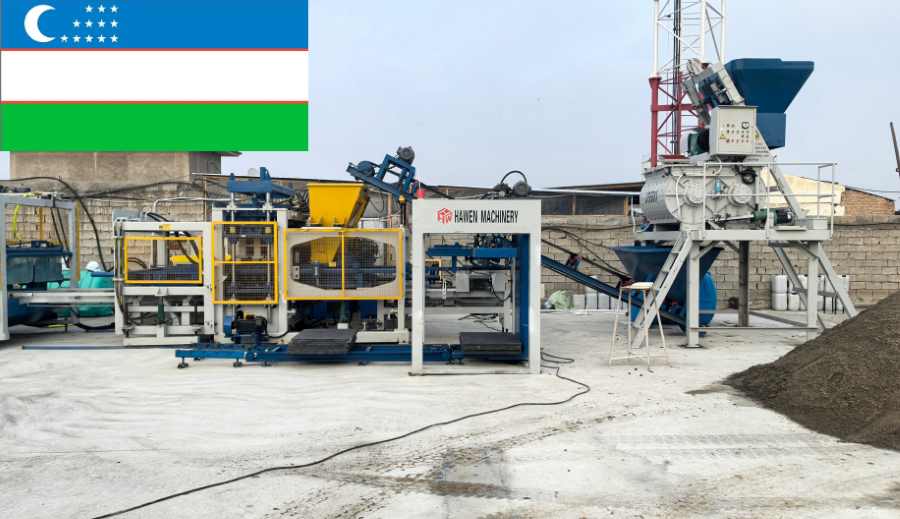
Assess transfer equipment as part of the installed production route.
FAQ
Can an automatic tracking device solve every problem? No. A tracking device must be selected for the application, and underlying loading, contamination, structural, or belt defects still require attention.
Should belt speed be increased when the machine waits for material? First identify the limiting step. Check conveyor capacity, loading, control timing, and upstream supply. A speed change needs equipment approval and verification under load.
Is some rubbing against the conveyor frame acceptable? Treat unintended contact as a fault to investigate. Continuing operation can damage the belt or surrounding components. Follow the machine's stop and inspection requirements.
Does a new belt eliminate mistracking? Not necessarily. A replacement belt does not correct an off-center chute or a misaligned structure. Confirm the cause and install the correct belt using the approved procedure.
Conclusion
Stable conveying depends on the loading stream, belt condition, rolling components, cleaning system, and mechanical alignment working together. Locate where the problem begins and distinguish belt drift from other sources of spillage before choosing a correction.
For buyers, request a representative loaded demonstration and a clear maintenance plan. For production teams, link conveyor observations with batch and fault records. Correct the identified cause, verify the result under comparable conditions, and keep the approved settings and inspection findings available for the next shift.





 Tel: +86-13905968794
 Email: export@hwmachines.com
 MP/WhatsApp: +86-13905968794
 Manufacturer Address:Nanan,Quanzhou City,Fujian Province,China