How to Stop Cement Balling in Dry-Cast Concrete Block Mixes is a practical topic for buyers and plant managers who want a more stable block making machine workflow. The goal is not only to explain the issue, but to give a clear method that supports better output, cleaner operation, and stronger customer confidence.
In a professional concrete products factory, the block machine, material system, mold, pallet circulation, control system, and operator routine must work as one process. A good solution therefore looks at the whole line before changing one visible setting.
Cement balls often begin with uneven wetting, trapped residue, or an unstable charging sequence inside the mixer.
Read a cement ball before changing the recipe
Do not treat every pale lump as the same defect. Collect fresh pieces before the feeder breaks them apart, label the batch and time, and split each piece over a clean tray. A dry flour-like center inside a damp shell points toward rapid surface wetting. A uniformly hard chip is more likely old buildup. A gritty core may simply be a moist fine-aggregate clod.
The fracture, not the outside color, should lead the investigation. Photograph the cross-section and note its size, odor, hardness, and response to gentle pressure. Compare it with material taken from the cement inlet, aggregate bins, and the cleaned mixing chamber. This evidence keeps an operator from altering a sound recipe or blaming the block machine for an upstream event.
Retain one labelled sample from an affected batch and one from a normal batch. The pair becomes a practical reference during the correction trial. It also helps different shifts use the same definition of cement balling instead of reporting every compacted speck as a recurrence.
Use the appearance time to narrow the source
Ask exactly when the first lump appears. Defects concentrated in the first load after a weekend suggest stored moisture or loosened deposits. Defects after washdown point toward trapped water. A problem that begins only after several hours may follow nozzle drift, gate leakage, dust accumulation, or warmer material. Continuous balling across every load directs attention to the normal dosing path.
Build a one-shift event map. Mark cement delivery, silo filling, rain, cleaning, stoppages, recipe changes, and every rejected batch. Check whether the cement silo route or the batching system changed immediately before the first event. A time relationship is more useful than an unsupported adjustment.
Run a pause test only under the plant safety procedure. Compare a load made during steady production with the first load after a normal scheduled stop. If the latter contains hard fragments, inspect ledges and closing surfaces. If both contain soft powder-core balls, examine where dry binder first meets water.
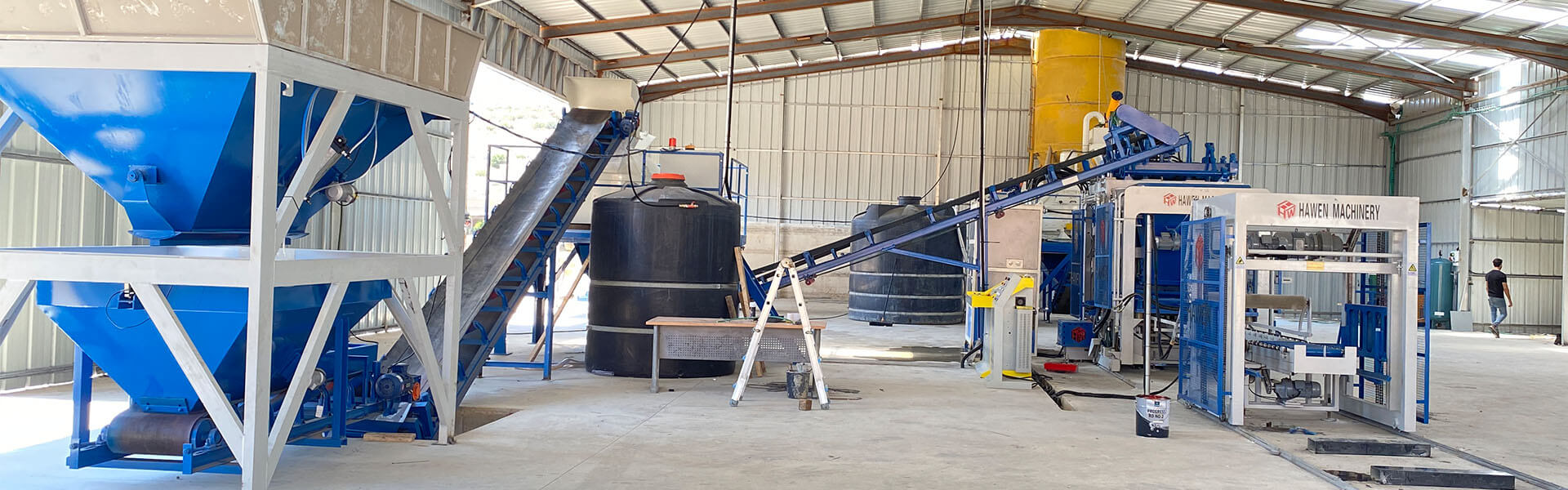
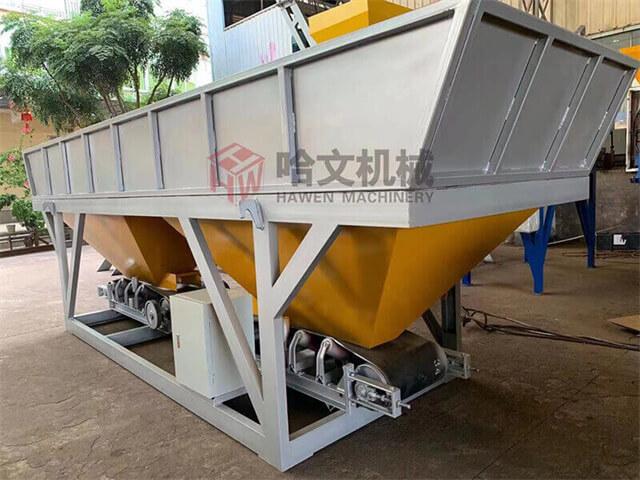
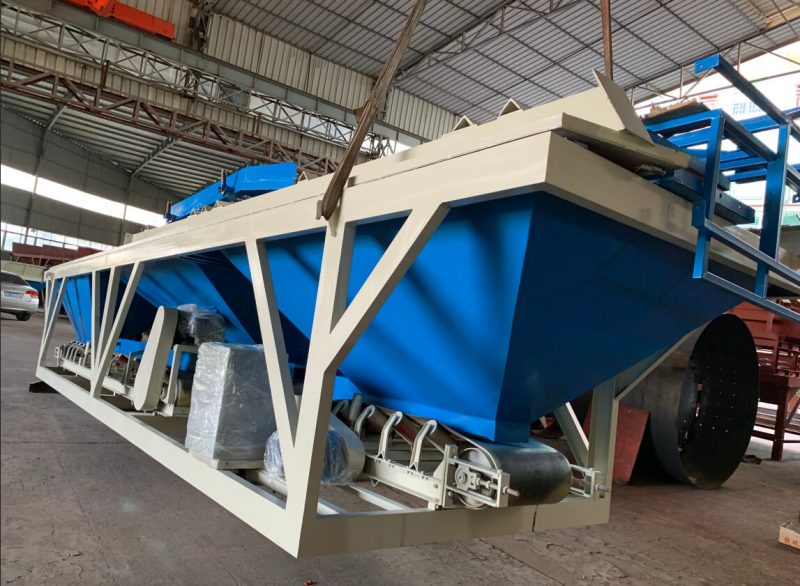
Stable weighing and timed discharge give every batch the same starting condition before mixing begins.
Prevent a wet shell from forming around dry powder
A ball with a powder core forms when the outside hydrates before the inside can disperse. Look for direct collision between a concentrated binder stream and a puddle, a narrow water jet, or an over-wet pocket of sand. Observe the actual sequence through a full cycle; a screen timer alone cannot reveal a sticking gate or a spray pattern aimed at one spot.
Use the approved sequence for the installed mixer and local materials. Where the procedure permits, establish moving aggregate before distributing cement, spread water across an effective area, and keep nozzles clear. A planetary unit and a twin-shaft unit have different flow paths, so copy-and-paste timing is not a reliable remedy.
Keep recipe quantities fixed during the first trial. Change only one contact condition, such as a gate delay or water-entry stage, then inspect several consecutive discharges. This protects the water-cement relationship while proving whether local wetting, rather than total water, created the shell.
Remove hidden moisture and hardened fragments
Trace binder from storage to entry. Inspect weather seals, vent filters, screw-transfer joints, flexible connections, scale corners, gate lips, and the space below the inlet. Cement that has absorbed water must be isolated; it should not be sent forward in the hope that normal mixing will erase the evidence.
After lockout and according to the equipment manual, examine wall shelves, arms, scrapers, liners, nozzles, and discharge edges. Remove unstable deposits without damaging wear surfaces. Confirm that the weigh vessel returns to its verified empty condition and that no wash water remains where the next dry charge will land.
Also check useful working volume. An overfilled chamber can shield powder from circulation, while worn tools can leave material parked in a corner. Correct the physical condition before adding extra minutes to the cycle. A longer timer cannot repair a leaking fitting or detach residue safely on a solid-block line.
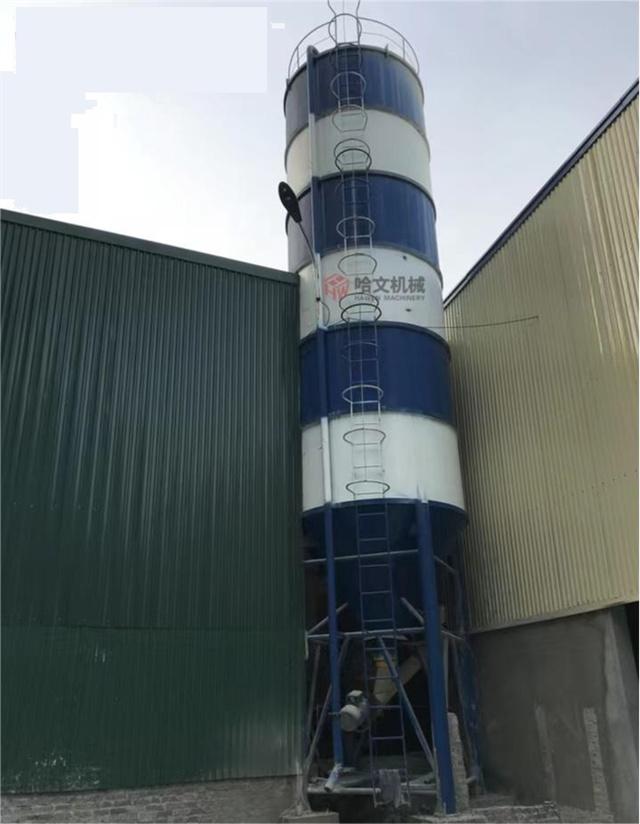
Dry, free-flowing cement and a clean delivery path reduce the risk of pre-existing lumps entering the mixer.
Prove the correction before releasing production
Choose a fixed sampling point and inspect equal sample masses from consecutive loads. Record ball count by size class, then check feeder spread, fresh corners, broken green units, and cured fracture faces. Include a normal stop-and-restart in the trial because that is when trapped residue often reappears.
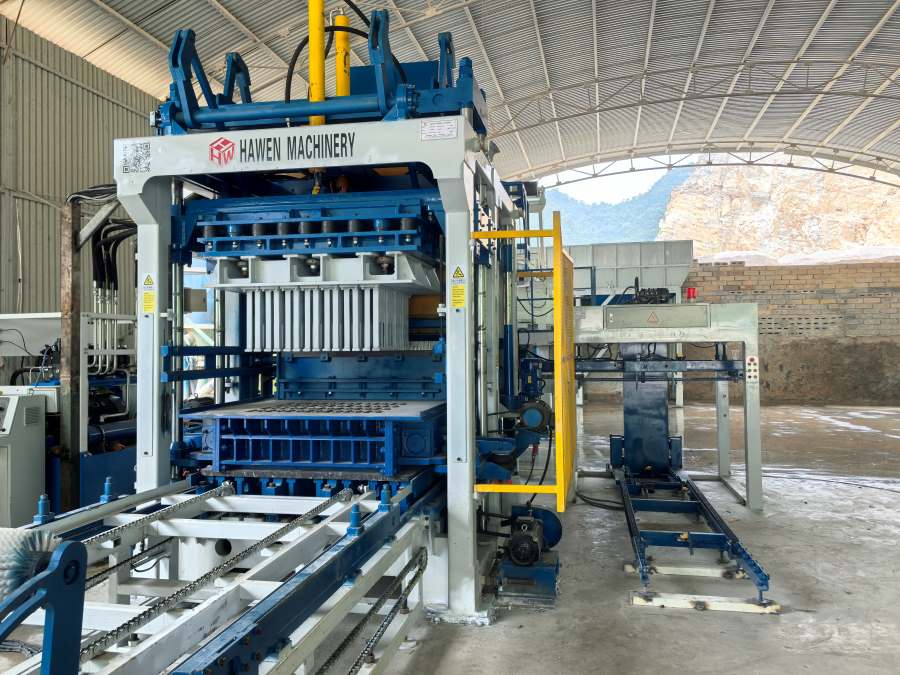
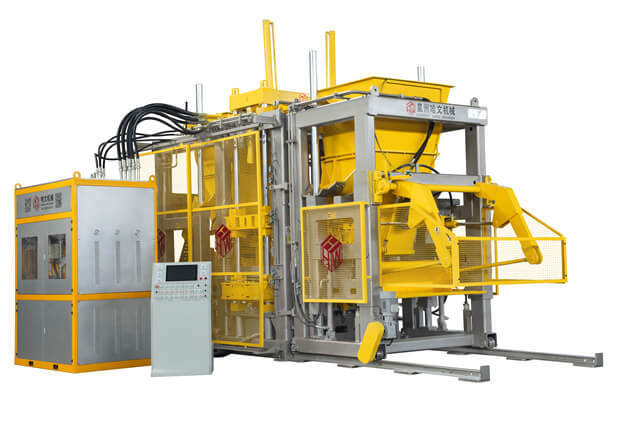
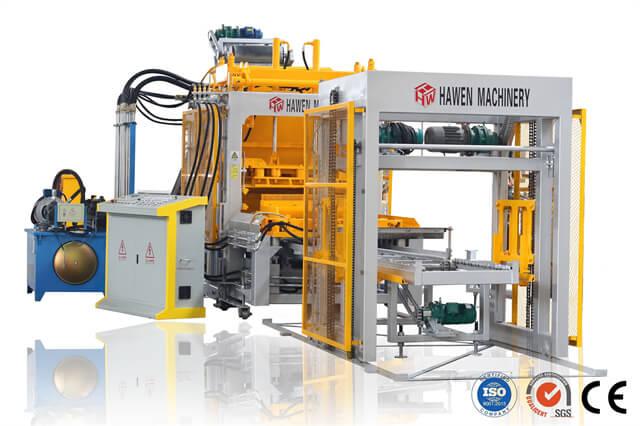
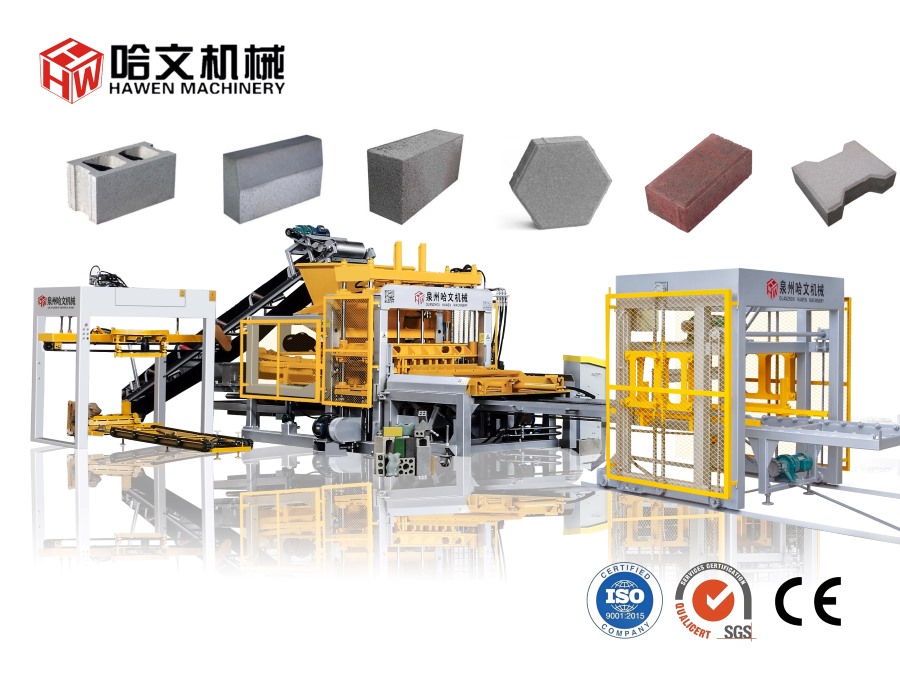
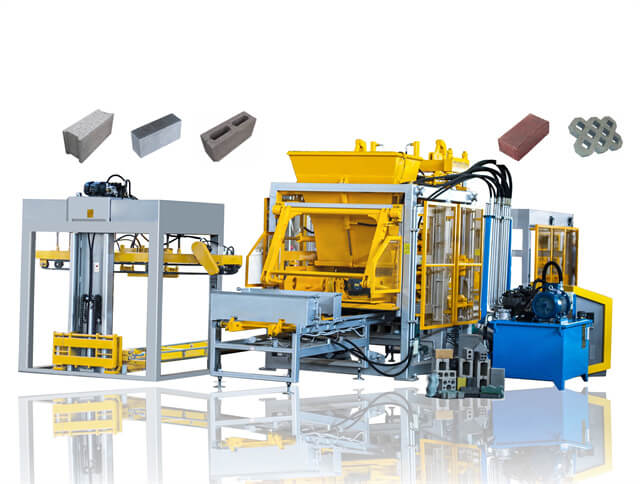
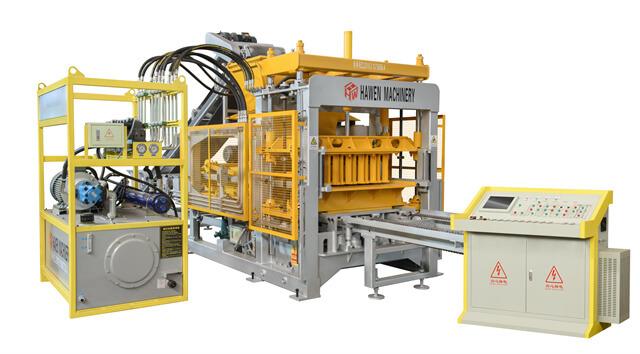
On a Hawen line, the SIEMENS S7-200 PLC, operator touch panel, and remote monitoring functions provide traceable sequence status. Hawen technicians can review operating conditions and help refine relevant timing remotely. Digital repeatability supports the investigation, but operators must still verify storage dryness, gate movement, and cleanliness at the machine.
Release the brick machine only after the result survives the agreed number of observed loads and the restart test. Keep suspect units separated from accepted pallets. Resume the automatic pallet feed, GMT pallet flow, and downstream handling only after the evidence confirms a stable feed for the brick making machine.
Action checklist
Split and label representative lumps before anyone changes water, cement, or cycle time.
Map each event against filling, washdown, rain, pauses, restarts, and recipe changes.
Watch the real cement and water entry points instead of relying only on timer values.
Inspect the dry-material route, scale corners, flexible joints, nozzles, and deposit ledges.
Hold quantities constant and alter one suspected contact condition per trial.
Include consecutive-load sampling and a stop-restart test before production release.
A cement ball is not merely debris to be screened out. It is a compact record of an uncontrolled contact, a hidden moisture path, or material left behind. A factory that preserves the evidence, tests one cause at a time, and proves the restart condition turns a recurring defect into process knowledge. That knowledge protects every pallet that follows and gives consistent concrete products a foundation stronger than guesswork.
FAQ
What does a dry center inside a cement ball indicate? It usually indicates that the outside of a powder pocket became wet and sealed before the interior dispersed.
Why are lumps worse in the first load after a shutdown? Moisture or material can remain on a gate, ledge, connection, or inlet during the pause and then fall into the restart load.
Should operators reduce total water first? No. First verify where and when water contacts binder. The quantity may be correct even when its distribution is poor.
How can a plant distinguish hardened residue from fresh balling? Split the lump. Old residue is usually hard throughout, while fresh balling often has a damp skin and softer or powdery center.
Is one clean discharge enough to approve the repair? No. Inspect consecutive loads and include a normal stop-restart event before release.
Can extra cycle time correct a leaking gate or wet cement? No. Timing cannot correct water ingress, hardened supply material, or a mechanical leak.
What evidence can Hawen review remotely? Where the line configuration permits, Hawen can review PLC sequence status, timing behavior, and operating records while site staff inspect physical material paths.





 Tel: +86-13905968794
 Email: export@hwmachines.com
 MP/WhatsApp: +86-13905968794
 Manufacturer Address:Nanan,Quanzhou City,Fujian Province,China