How to Prevent Color Carryover Between Concrete Paver Batches is a practical topic for buyers and plant managers who want a more stable block making machine workflow. The goal is not only to explain the issue, but to give a clear method that supports better output, cleaner operation, and stronger customer confidence.
In a professional concrete products factory, the block machine, material system, mold, pallet circulation, control system, and operator routine must work as one process. A good solution therefore looks at the whole line before changing one visible setting.
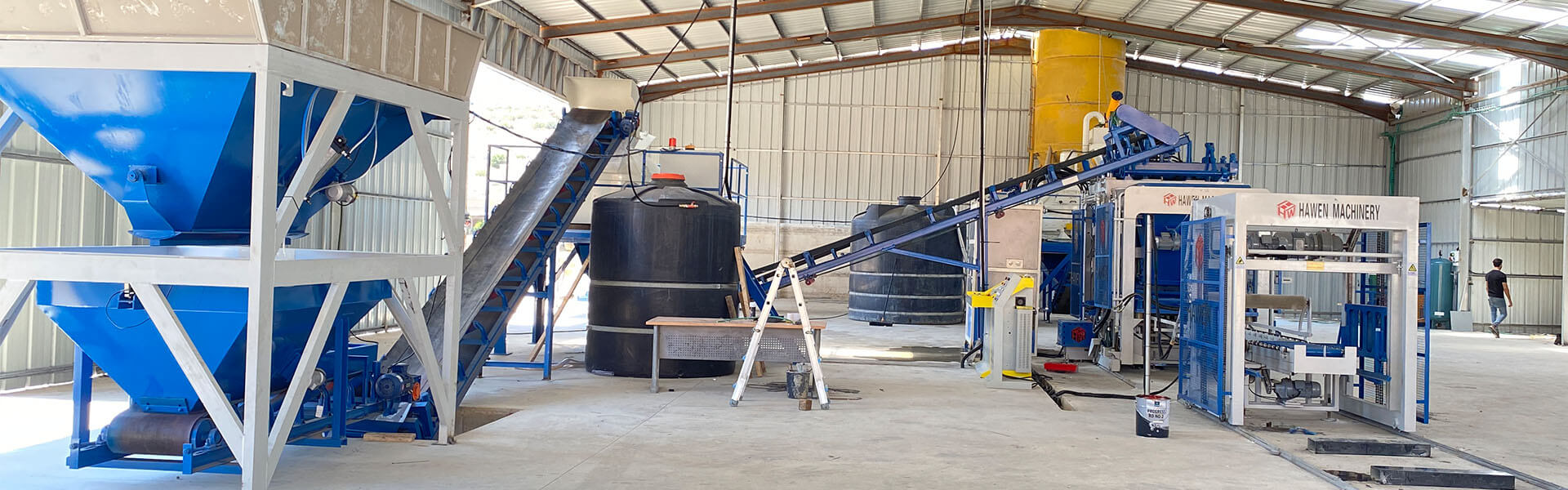
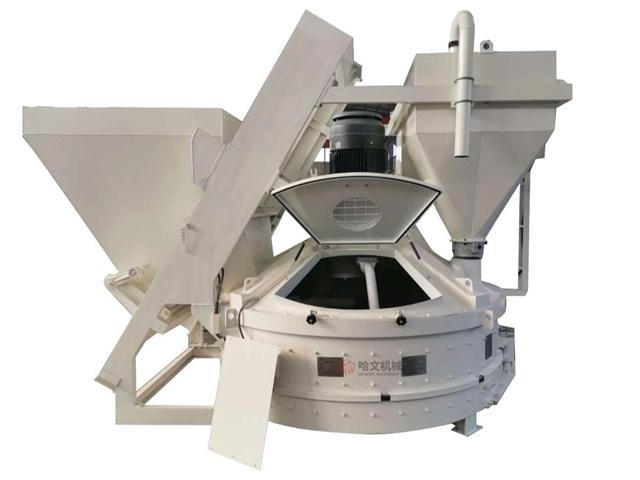
Carryover control begins in the mixer, where pigment residue can remain on blades, liners, gates, and low points.
Identify carryover before changing the pigment recipe
Color carryover appears when material from the previous batch remains in the pigment route, mixer, discharge gate, transfer belt, storage hopper, face-mix feeder, or mold area. It may show as isolated dark specks, pale streaks, an unwanted undertone, or a shade that changes from the first layer of a cube to the next.
First separate carryover from normal concrete variation. Compare the defect with an approved reference sample under consistent light. Check whether the marks follow the material path, appear only at the beginning of a run, or repeat in the same position on the pallet. This evidence is more useful than immediately changing dosage in the brick machine recipe.
CMHA technical guidance recognizes that concrete pavers can show natural shade variation and recommends verifying pigment distribution in factory production. A plant should therefore define what variation is acceptable and what pattern proves contamination from the previous color.
Plan the production sequence before the changeover
The cleanest changeover starts with scheduling. Group compatible shades when delivery commitments allow, and reserve more time for high-contrast transitions. A move from a strong dark pigment to a pale product usually needs deeper inspection than a change between closely related tones.
Create a written route map for pigment and face mix. Include dosing screws or valves, weigh containers, mixer surfaces, discharge doors, chutes, belts, hoppers, feeder compartments, scrapers, and the mold top. Assign each point to an operator so the team does not clean the visible mixer while leaving residue in a downstream pocket.
Keep the planned cleaning window synchronized with the automatic pallet provider and cured-product flow. Empty pallets, mixed-color trial units, and accepted production should remain clearly separated throughout the restart.
A controlled restart keeps the first accepted pallets separate until shade and surface distribution are confirmed.
Clean the complete color path safely
Follow the plant lockout procedure before entering or reaching into any equipment. Remove loose dry residue with the approved method, then inspect blade backs, liner joints, corners, flexible connections, gate lips, and scraper contact areas. These sheltered surfaces release old pigment later even when the main chamber looks clean.
Use water only where the equipment design and plant procedure permit it. Residual wash water can change the moisture of the next face mix and spread diluted pigment into low areas. After cleaning, confirm that gates close correctly and that no hardened flakes can break free during the next batch.
Cleaning should extend beyond the mixer. Inspect pigment dosing equipment, the face-mix transfer path, the batching system, and the feeder box. Capture and identify purge material so it cannot be returned accidentally to a pale product or mixed into a customer order.
Stabilize dosing, moisture, and the first batches
Confirm the correct pigment lot and product code before batching. Check that the scale returns to zero, the container is clean, and the delivered amount is repeatable. Keep pigment, sand moisture, cement, mixing time, and face-layer quantity under control; otherwise a dosage correction may appear to solve carryover while creating a new shade problem.
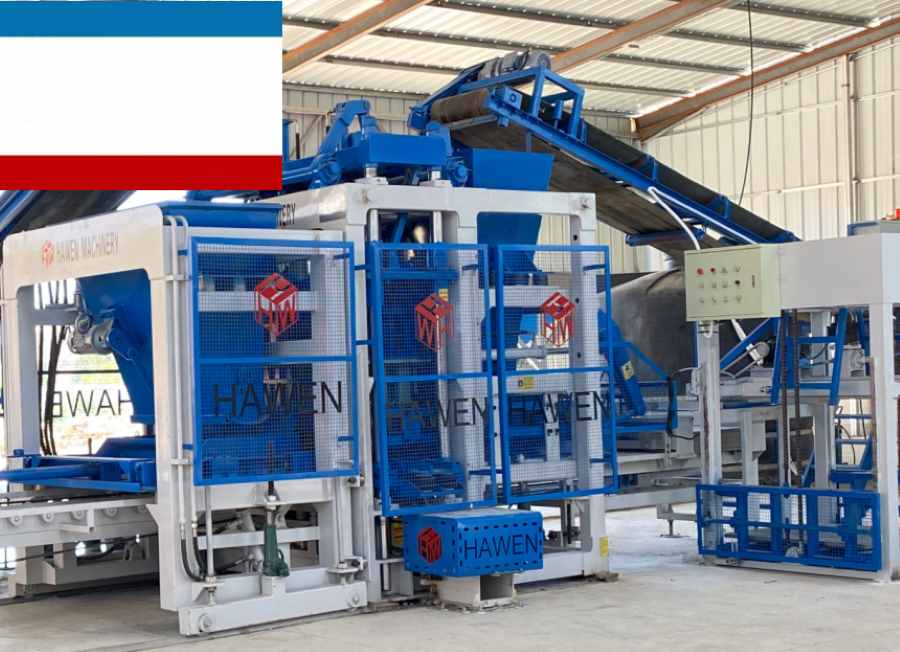
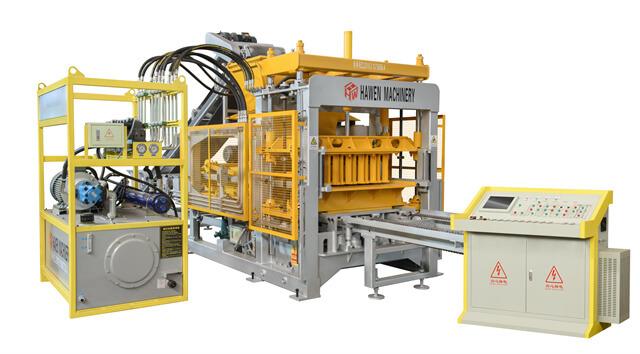
Hawen Machinery integrates a SIEMENS S7-200 PLC with an operator-friendly touch panel and remote monitoring. The system lets production teams review the live state of the paver line and allows Hawen technicians to help optimize parameters remotely. Saved recipes improve repeatability, but operators should still verify the physical pigment route before trusting a screen value.
Hold the first trial pallets in a marked area. Compare wet appearance, face-layer distribution, cured shade, and visible residue with the approved standard. Do not blend questionable cubes into finished stock; that makes the cause harder to trace and transfers the decision to the customer.
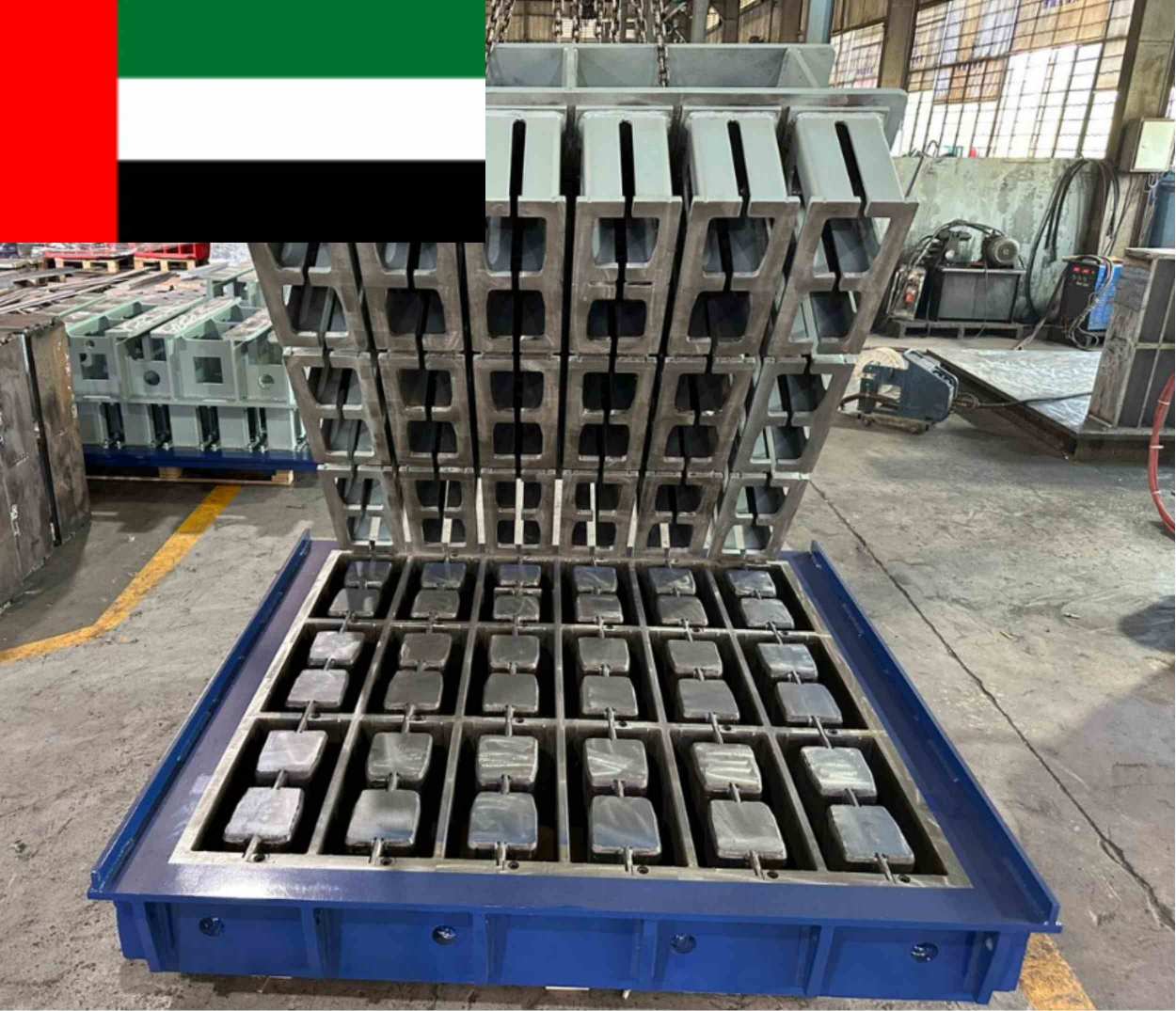
Mold edges, tamper surfaces, and the face-mix path should be inspected before the new color is released.
Verify forming, mold condition, and release control
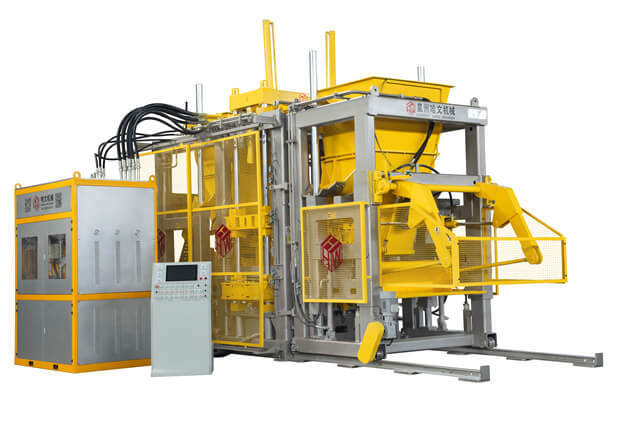
A clean color does not guarantee an even surface. Check face-mix depth, spread across the mold, feeder travel, and compaction. Hawen uses a four-shaft vibration box with eccentric blocks located outside the box body. Lower internal resistance and balanced excitation support uniform compaction, helping the face layer develop an even visual field without excessive cement use.
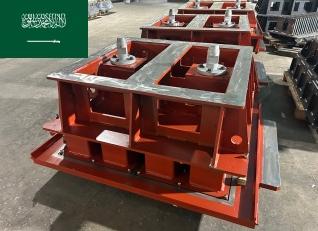
Inspect the paver mold and tamper surfaces for compacted residue at corners and chamfers. Hawen manufactures molds to original interface specifications for Masa, Hess, Zenith, Poyatos, Besser, Tiger, Columbia, Quadra, Omag, and other major platforms. Heat-treated wear components are checked at HRC59-61 to maintain fit and abrasion resistance through repeated production.
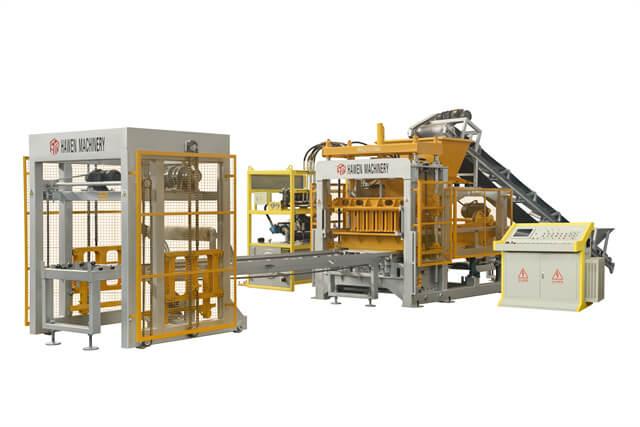
Release the order only after the accepted shade remains stable across consecutive pallets and into stacking. Keep reference units from the approved run, identify the pigment lot, and preserve the recipe record. When the offline palletizing system builds cubes, verify that trial units cannot enter saleable packs.
Action checklist
Compare the defect with an approved reference sample before changing pigment dosage.
Map every surface that contacts pigment or face mix from dosing to the mold.
Schedule compatible colors together and allow a deeper clean for high-contrast transitions.
Verify scale zero, pigment lot, sand moisture, mixing time, and face-layer quantity.
Quarantine the first trial pallets and check both fresh and cured appearance.
Release production only after consecutive pallets remain within the approved shade range.
Color is one of the first promises a paver makes to the market. Protecting that promise requires more than pigment accuracy; it requires a clean route, a disciplined restart, and the courage to hold uncertain production before it reaches a customer. When every changeover is controlled, visual consistency becomes proof of the factory's wider engineering culture.
FAQ
What is the clearest sign of color carryover? Unwanted specks, streaks, or an undertone that is strongest at the beginning of a new color run and follows the material path.
Should the pigment dosage be changed immediately? No. First inspect for residue, wrong material, scale error, moisture change, and incomplete mixing. A dosage change can hide the real cause.
Which areas are most often missed during cleaning? Blade backs, liner joints, discharge lips, flexible sleeves, transfer corners, hopper ledges, feeder compartments, scrapers, and mold edges.
Can a flush batch remove the previous color? It can help after physical cleaning, but the flush material must be identified and isolated. A flush batch is not a substitute for checking trapped residue.
Why should the first pallets be quarantined? Shade can stabilize gradually. Holding the first pallets prevents uncertain units from being mixed into customer cubes.
Does moisture affect apparent paver color? Yes. Moisture changes surface appearance, mixing behavior, pigment distribution, and curing shade, so it must remain controlled during comparison.
How can Hawen help with frequent color changeovers? Hawen can review the face-mix route, control recipes, feeder settings, mold condition, trial procedure, and line configuration to improve repeatability.







 Tel: +86-13905968794
 Email: export@hwmachines.com
 MP/WhatsApp: +86-13905968794
 Manufacturer Address:Nanan,Quanzhou City,Fujian Province,China