How Voltage Fluctuation Affects an Automatic Block Machine Control System is a practical topic for buyers and plant managers who want a more stable block making machine workflow. The goal is not only to explain the issue, but to give a clear method that supports better output, cleaner operation, and stronger customer confidence.
In a professional concrete products factory, the block machine, material system, mold, pallet circulation, control system, and operator routine must work as one process. A good solution therefore looks at the whole line before changing one visible setting.
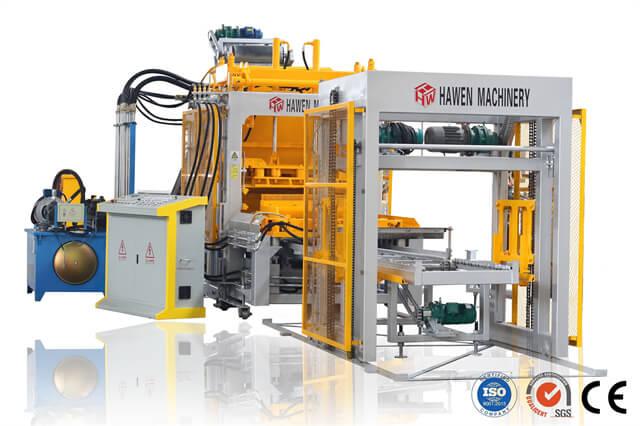
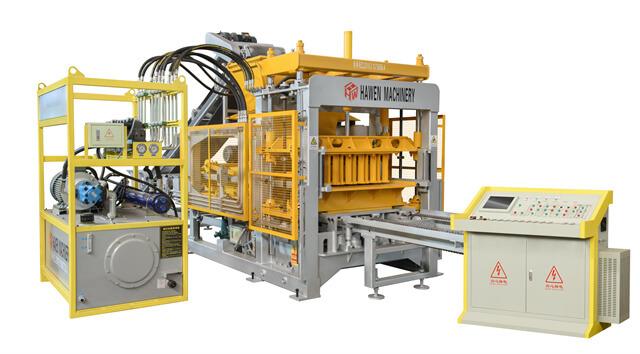
Voltage stability protects sensors, drives, PLC signals, and hydraulic timing.
Symptoms caused by unstable voltage
Voltage fluctuation can appear as random sensor alarms, PLC resets, unstable motor action, inconsistent hydraulic timing, or unexpected stops. Operators may first blame the block making machine, but the real source may be power quality.
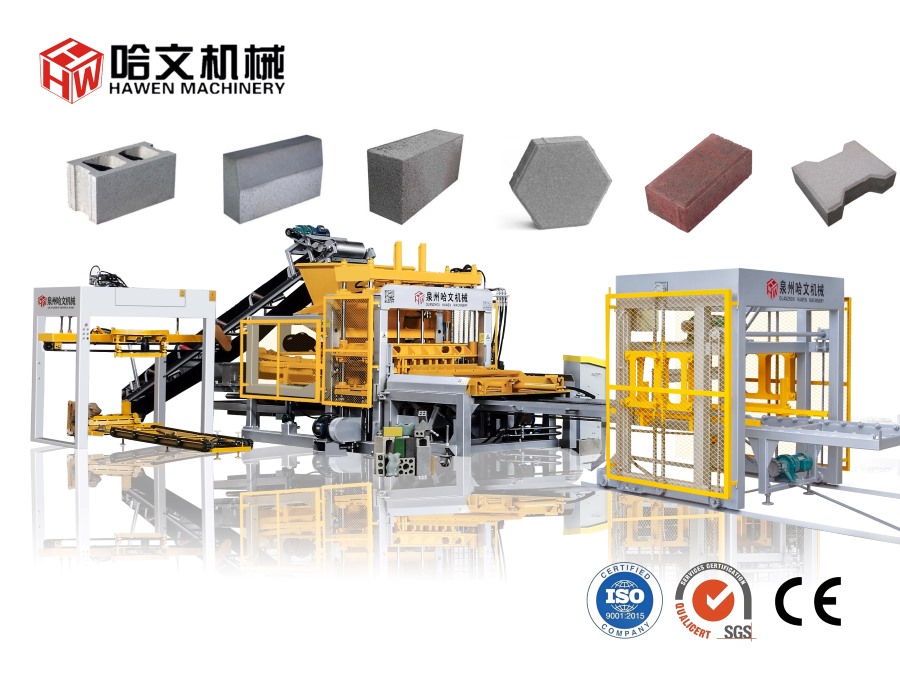
A brick machine line uses electrical control to coordinate the feeder, vibration table, hydraulic station, pallet system, conveyor, and cubing equipment. If voltage changes suddenly, the whole sequence can lose repeatability even when the mechanical parts are in good condition.
Inspection before changing machine settings
Before changing vibration time or pressure, inspect the incoming power, grounding, cabinet ventilation, sensor wiring, and motor protection. A QT10 block machine or QT15 paver machine should not be tuned around a weak power supply.
The electrical cabinet should be kept clean and dry. Dust from cement silo loading, aggregate handling, or mixing can increase electrical risk when it enters cabinets and terminal blocks.
A stable control system keeps feeding, vibration, pressing, and demoulding in sequence.
Control system stability
Hawen Machinery integrates a SIEMENS S7-200 PLC with a touch panel and remote monitoring support. This lets the team review operating status, trace alarm sequence, and optimize parameters without turning every stop into guesswork.
Use proper cable sizing, grounding, overload protection, and cabinet cooling. Keep high-power cables away from weak signal wiring where possible. Record voltage readings when alarms happen, not only after the line has stopped.
For customers planning a new brick machine or hydraulic hollow block production line, Hawen can review power supply conditions during layout discussion so electrical problems do not appear after installation.
Automation equipment depends on clean signals and steady voltage during long shifts.
Action checklist
Measure incoming voltage during startup, normal running, and peak load.
Check cabinet grounding, ventilation, wire terminals, and dust protection.
Record alarms with time, machine action, product type, and operator setting.
Separate power-quality problems from mechanical problems before changing parameters.
Include power supply review in the installation and commissioning checklist.
Electrical stability is invisible when it works, but every good block depends on it. A precise control system turns power into timing, timing into movement, and movement into repeatable quality.
FAQ
Can voltage fluctuation damage the PLC? Repeated unstable voltage can shorten component life or cause unreliable operation. Proper protection and power review are important.
Why do random alarms happen during production? They may come from sensor misalignment, wiring issues, power fluctuation, or signal interference. The alarm sequence should be checked.
Should operators reset the machine immediately? Only after checking the cause. Repeated reset without diagnosis can hide the real electrical or mechanical issue.
Does voltage stability affect block quality? Yes. If timing becomes unstable, feeding, vibration, pressing, and demoulding may lose consistency.
Can remote monitoring help? Remote monitoring helps engineers review operating status and guide parameter checks, especially when alarms repeat.
What should be prepared before installation? Prepare power details, grounding plan, cable route, cabinet location, and the full equipment load list.





 Tel: +86-13905968794
 Email: export@hwmachines.com
 MP/WhatsApp: +86-13905968794
 Manufacturer Address:Nanan,Quanzhou City,Fujian Province,China