Color layer separation in concrete paver production is a visible defect, but the real cause often starts earlier than the surface. A brick machine can only produce stable face mix pavers when base mix, face mix, feeding timing, vibration, mold condition, and early handling all support the same product target.
Common signs of color layer separation
The defect may appear as peeling, weak surface corners, uneven face thickness, visible cracks between layers, or color patches after curing. In many plants, operators notice it after stacking, but the first trigger may come from material moisture, delayed feeding, excessive vibration, or poor transfer of fresh pavers.
Inspection note: Compare pavers from the center and edge cavities. If the color layer fails mainly in certain cavities, the cause may be filling balance or mold condition rather than pigment or cement.
Root causes in face mix production
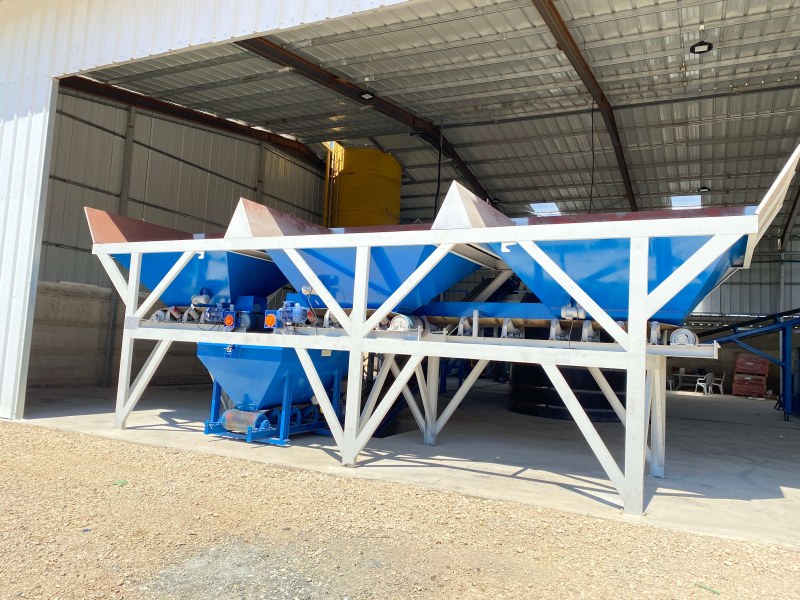
Face mix needs enough cohesion to bond with the base layer, but it should not be so wet that it smears during demoulding. The concrete mixer must create a uniform face mix, while the batching machine must keep pigment, fine aggregate, and cement proportion stable. A planetary mixer is often selected for surface material because it supports even mixing of fine materials.
The base layer is just as important. If the base mix is too dry, it may not bond well. If it is too wet, the face layer can sink or move. A well-configured block making machine line keeps these two layers consistent cycle after cycle.
Machine and mold settings
Vibration should compact both layers without breaking the bond. Hawen Machinery applies a four-shaft vibration box concept, with eccentric blocks positioned outside the housing to reduce vibration resistance and improve uniform compaction. When the vibration path is stable, the paver surface can become denser without unnecessary cement or repeated rework.
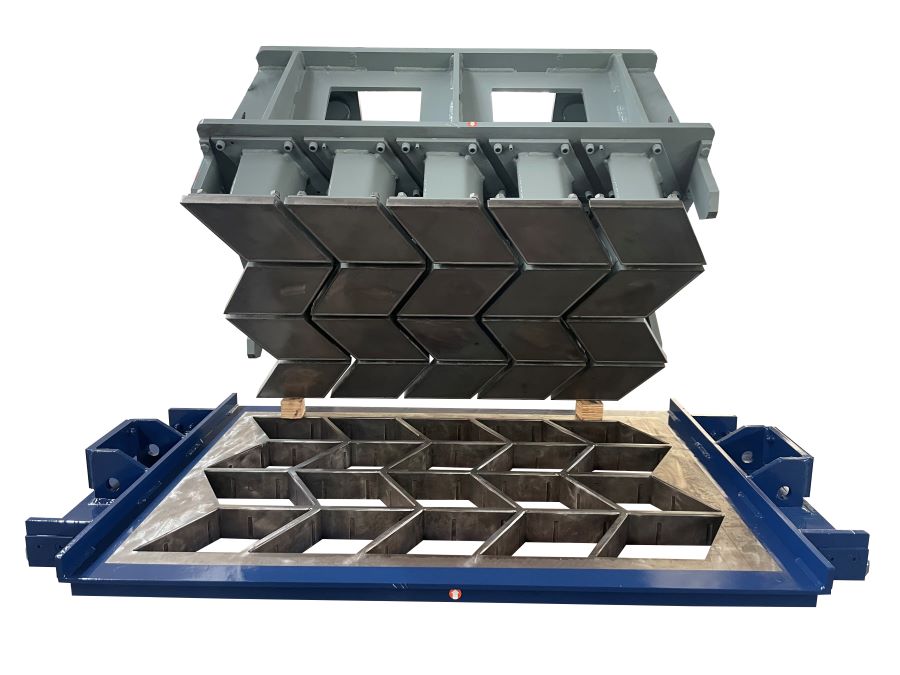
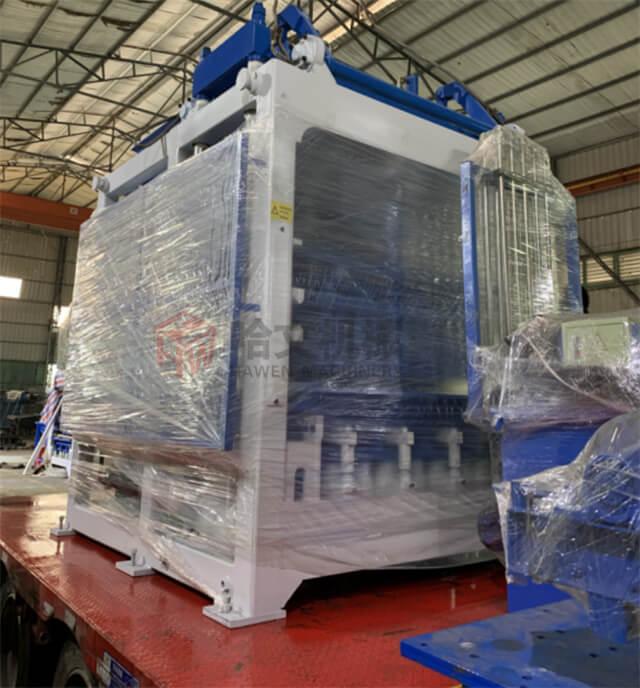
The mold must fit the product. A worn interlocking paver mould may create uneven face thickness. A curb stone mould requires different attention because product length and edge shape increase demoulding sensitivity. Hawen Machinery designs heat-treated molds compatible with Masa, Hess, Zenith, Poyatos, Besser, Tiger, Columbia, Quadra, Omag, and other well-known platforms. The goal is precise fitting, smooth movement, and consistent paver quality.
Hawen Machinery control points
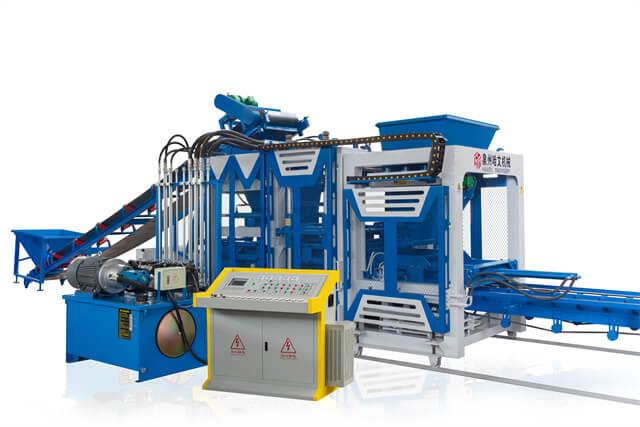
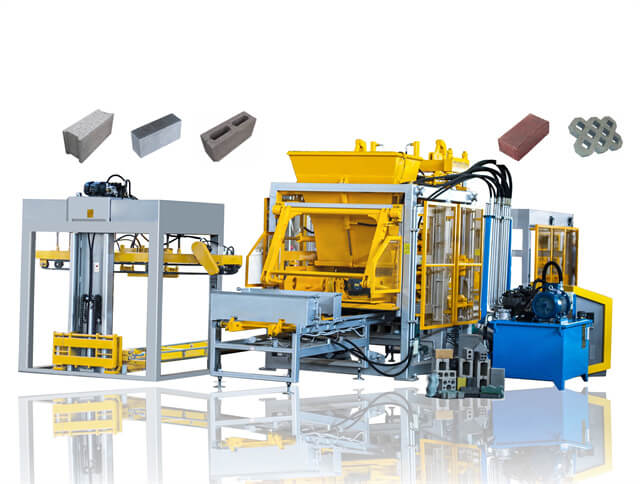
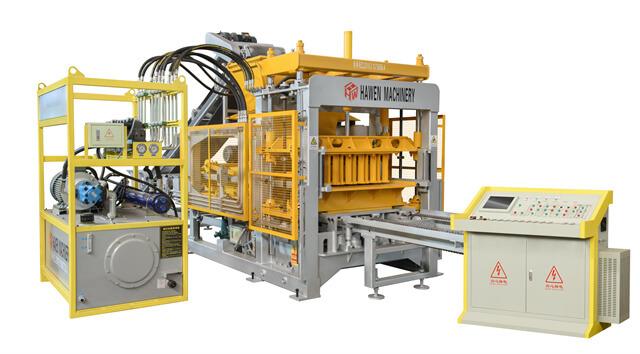
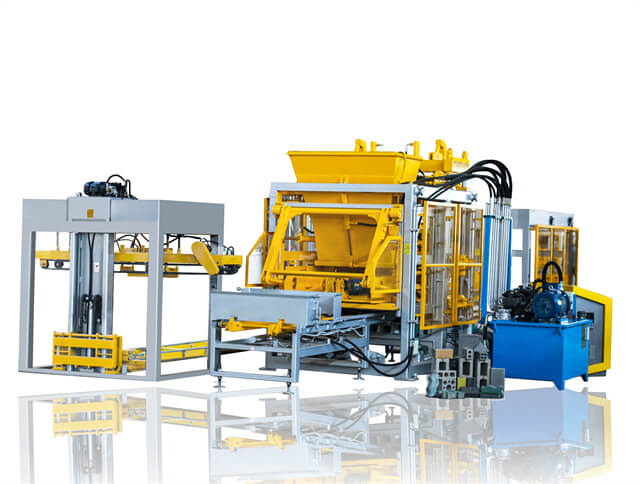
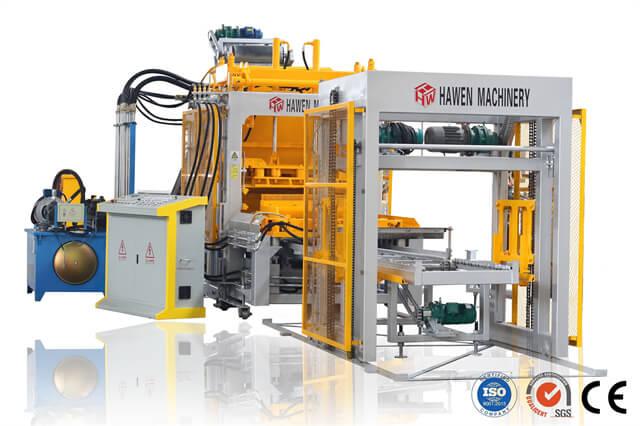
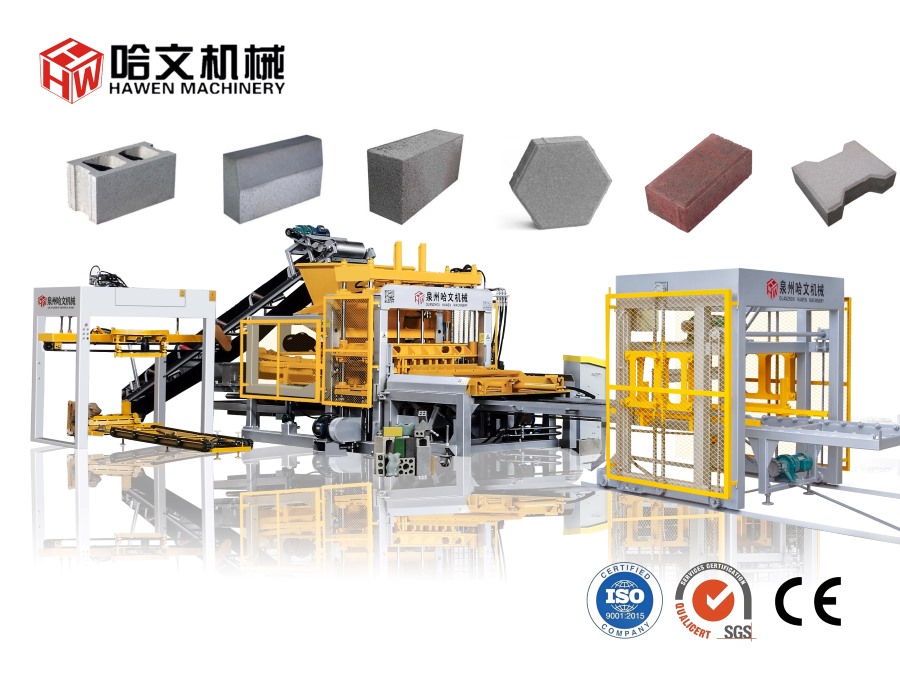
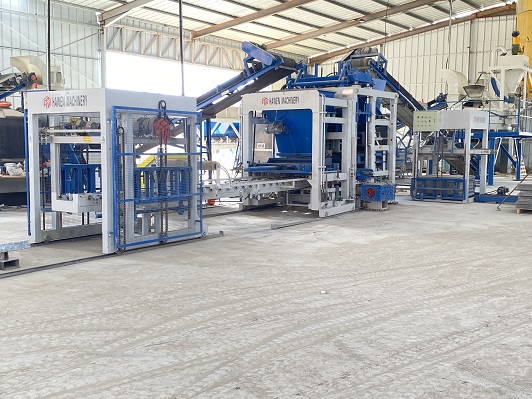
For automatic paver production, Hawen can configure a QT15 automatic concrete paver block machine, QT10 automatic solid cement block machine, or QT6 cement paver brick production machine according to output and product size. The line can also include automatic pallet provider, GMT pallet, and offline palletizing to reduce fresh paver disturbance.
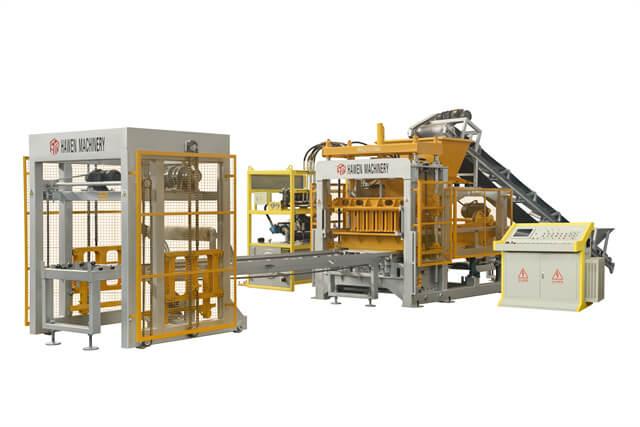
Control should be data-based. Hawen Machinery integrates a SIEMENS S7-200 PLC, touch panel operation, and remote monitoring support. This allows the team to review operating status, guide parameter adjustment, and keep production quality more consistent across shifts.
Quality routine for stable pavers
- Check base mix and face mix moisture separately.
- Confirm the timing between base layer filling, face layer filling, vibration, and demoulding.
- Inspect mold wear, tamper head surface, and pallet flatness.
- Move fresh pavers gently before early strength develops.
- Record the surface result after curing, not only after demoulding.
A beautiful paver is more than a colored surface. It is the result of material discipline, mechanical precision, and quiet control over every second of the cycle. When the face layer and base layer become one structure, the finished paver carries both appearance and reliability, turning a simple paving product into a visible promise of factory competence.
FAQ
Why does the color layer peel after curing?
The bond between face mix and base mix may be weak because of moisture imbalance, delayed feeding, poor vibration, or early handling damage.
Is pigment the main cause of separation?
Not usually. Pigment affects color, but separation is often related to mix cohesion, layer timing, compaction, and mold condition.
Should face mix be wetter than base mix?
It should have enough cohesion for bonding, but excessive moisture can cause smearing, sinking, or surface weakness.
How does mold quality affect paver surface?
A precise, heat-treated mold helps keep face thickness, edges, and demoulding movement consistent.
Can automation reduce paver surface defects?
Yes. Stable feeding, pallet handling, and stacking reduce manual disturbance and make the process more repeatable.
Which Hawen machines fit paver production?
QT15, QT10, QT8, and QT6 configurations can be matched to paver products, factory space, and target output.





 Tel: +86-13905968794
 Email: export@hwmachines.com
 MP/WhatsApp: +86-13905968794
 Manufacturer Address:Nanan,Quanzhou City,Fujian Province,China