Finished block handling should be reviewed before purchasing a concrete block machine, because production does not end when blocks leave the mould. Green blocks must be cured, cured blocks must be unloaded, pallets must return, finished blocks must be stacked or packed, and trucks must be loaded. If this downstream process is slow, the host machine capacity cannot become real sales output.
Many buyers compare host machine models first, but finished block handling can decide labor cost, yard space, pallet return speed, and delivery efficiency. A plant producing standard hollow blocks may use a different handling method from a plant producing pavers or kerbstones. The buyer should select the machine configuration together with the finished product handling plan.
Key principle: Match the handling method to daily output, product type, labor cost, and site layout. Manual unloading, an offline cuber, and forklift-based loading each suit different production scales, and the choice should be confirmed with the machine supplier and site engineering team.
Why finished block handling affects investment
Finished block handling affects both investment and daily operation. Manual unloading requires more labor but may reduce initial equipment cost. An offline cuber requires more investment and space, but it can improve packing consistency and reduce manual handling for higher-output plants. Forklifts, straps, pallets, storage area, and truck loading routes should also be included in the budget.
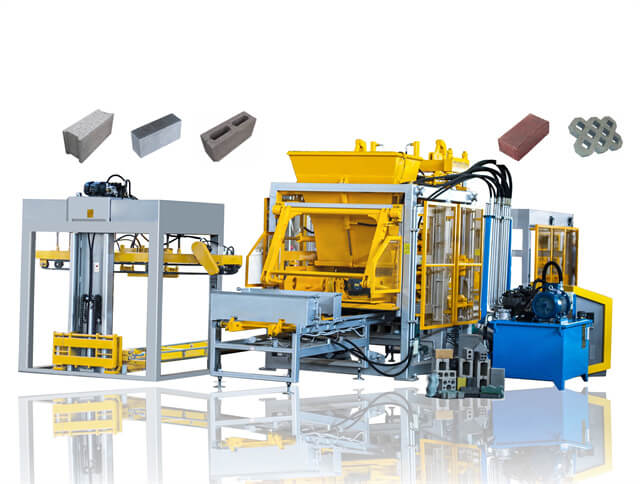
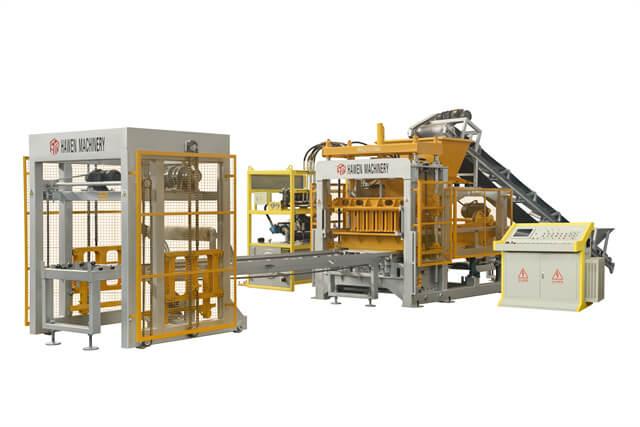
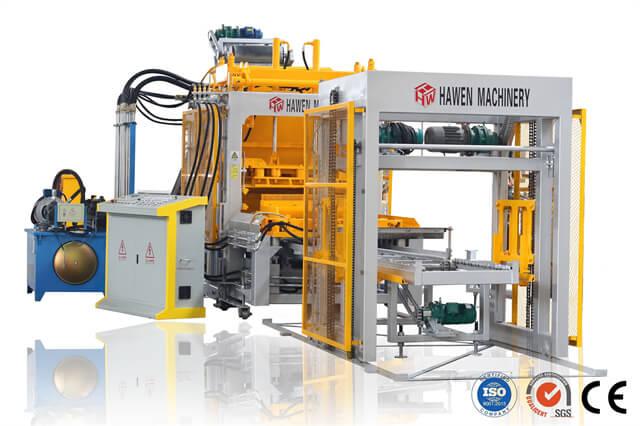
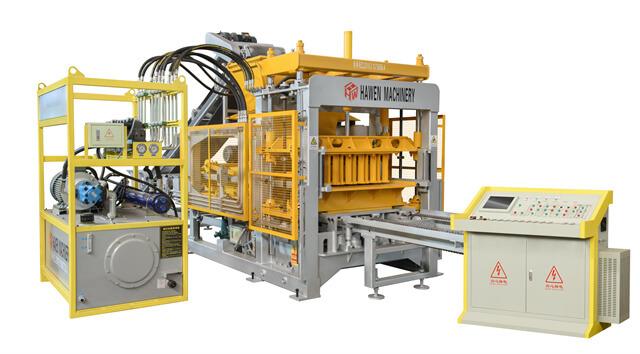
When reviewing a QT8 automatic concrete paver fly ash brick making machine, buyers should think beyond the forming machine. If the plant produces more blocks than workers can unload, stack, and ship, the actual output will be limited by the handling process.
Manual unloading, offline cuber, and packing method
Manual unloading may be acceptable for moderate output, especially when labor cost is low and product sizes are easy to handle. However, manual handling can become a bottleneck when output increases. Workers may not unload cured blocks fast enough, and empty pallets may not return to the machine on time.
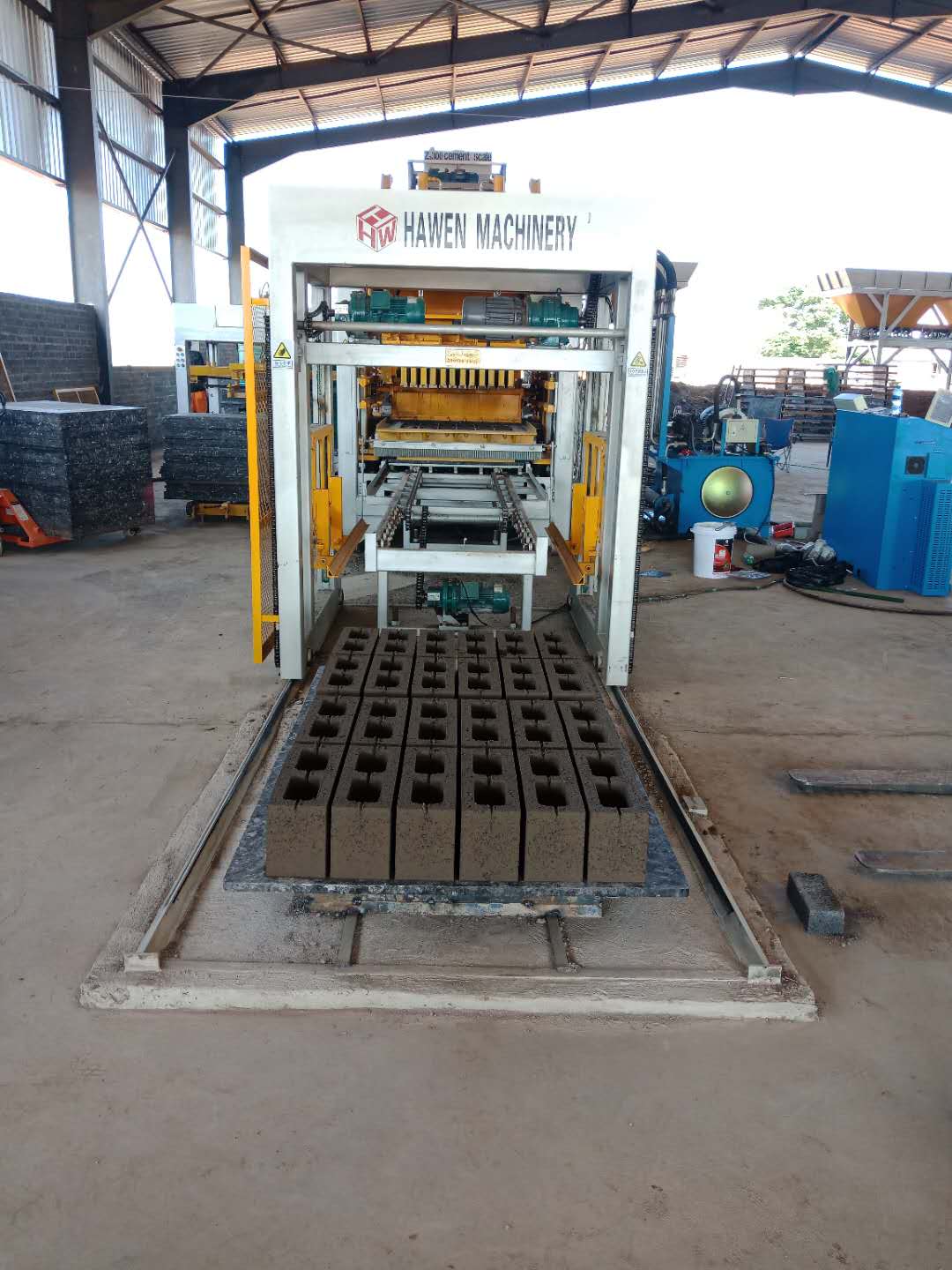
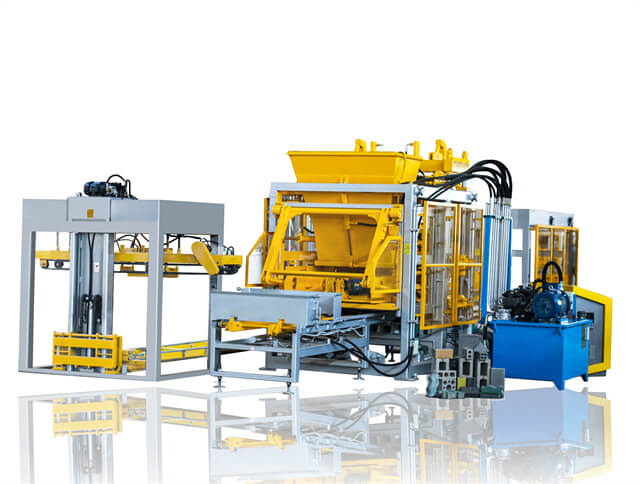
An offline cuber can separate cured blocks from pallets and stack finished products for shipment. It is useful when the buyer needs more consistent packing or wants to reduce labor pressure. The buyer should confirm cuber space, product size range, gripping method, pallet return route, and forklift access before adding this option. For a closer look at how an automated palletizing system fits into a block plant, see the automatic offline palletizing system.
Forklift, loading yard, and shipment route
The loading yard should allow finished blocks to be stored and loaded without blocking green block movement. If the same forklift handles green blocks, empty pallets, raw materials, and finished block loading, route conflicts may appear. The buyer should draw each movement path before confirming the layout.
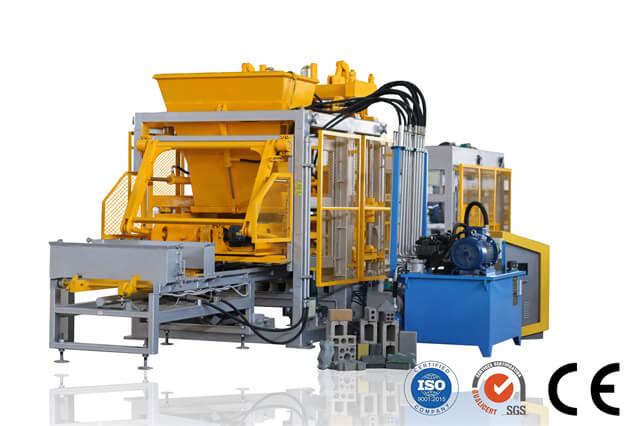
A practical operation observation is that finished product handling often becomes more important as sales increase. At the beginning, manual stacking may seem enough. Later, when daily orders become stable, poor loading organization can delay delivery and reduce the benefit of automatic production. Buyers should leave space for future handling upgrades.
Finished block handling table
| Handling item | What to review | Buyer impact |
|---|
| Manual unloading | Labor number, product weight, unloading speed, and pallet return. | Affects labor cost and daily output. |
| Offline cuber | Cuber layout, product range, gripping method, and return conveyor. | Improves packing consistency when output is high. |
| Loading route | Forklift movement, truck access, storage area, and traffic separation. | Reduces delays during shipment. |
| Future expansion | Reserve space for cuber, extra pallets, or larger storage area. | Makes later upgrades easier. |
Handling equipment selection depends on site conditions, product mix, and local labor availability. Confirm cuber capacity, forklift routes, and pallet quantities with the machine supplier and site engineering team before finalizing the layout.
FAQ
Is an offline cuber necessary for every plant?
No. It depends on output, labor cost, product type, packing requirement, and budget. It becomes more useful when daily production and shipment volume are high.
Can finished block handling reduce machine output?
Yes. If cured blocks are not unloaded and pallets do not return, the host machine may stop even when it is technically ready to produce.
Should handling space be reserved before installation?
Yes. Even if the buyer starts with manual unloading, reserving space for future cubing or improved loading can reduce later modification cost.
Conclusion
Finished block handling should be reviewed before purchasing a concrete block machine. Buyers should compare manual unloading, offline cuber options, pallet return, forklift routes, loading yard, storage space, and future expansion needs. The next step is to connect the handling plan with daily output, product type, labor cost, and site layout before confirming the final configuration.
Planning a block plant and unsure how finished product handling fits your layout? Share your daily output target, product types, and site dimensions with our team so we can help you match the handling method to your production plan.





 Tel: +86-13905968794
 Email: export@hwmachines.com
 MP/WhatsApp: +86-13905968794
 Manufacturer Address:Nanan,Quanzhou City,Fujian Province,China