Table of Contents
- Capacity is not only machine model
- Mould layout and product size
- Pallet, stacker, and curing yard
- Capacity comparison table
- FAQ
- Conclusion
When buyers compare QT8-15 and QT10-15 concrete block machines, capacity should not be judged only by the model name. A larger machine may form more blocks per cycle, but real output also depends on mould size, concrete recipe, mixer capacity, pallet circulation, stacker movement, curing yard space, and operator training. If these supporting conditions are not ready, the rated capacity may not become stable daily production.
QT8-15 is often suitable for buyers who need automatic production with controlled investment and manageable site pressure. QT10-15 is usually selected when the buyer has stronger daily demand, larger curing space, more pallets, and better downstream handling. The correct decision should be based on market demand and production flow, not only on choosing the larger model.
Capacity is not only machine model
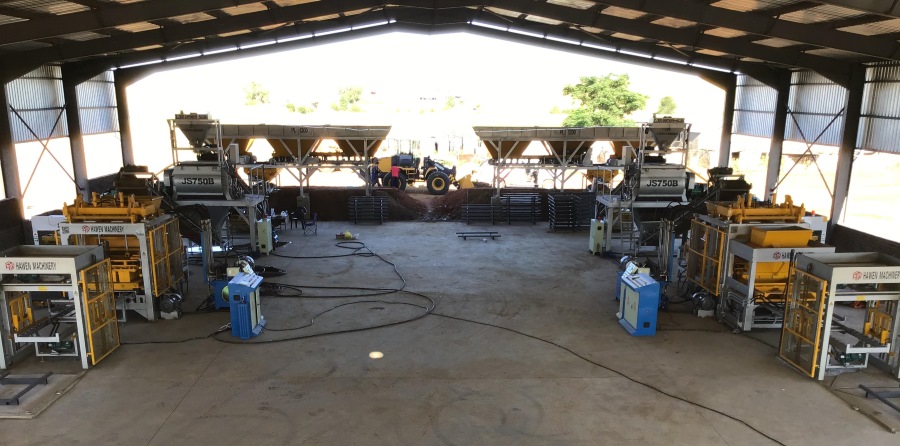
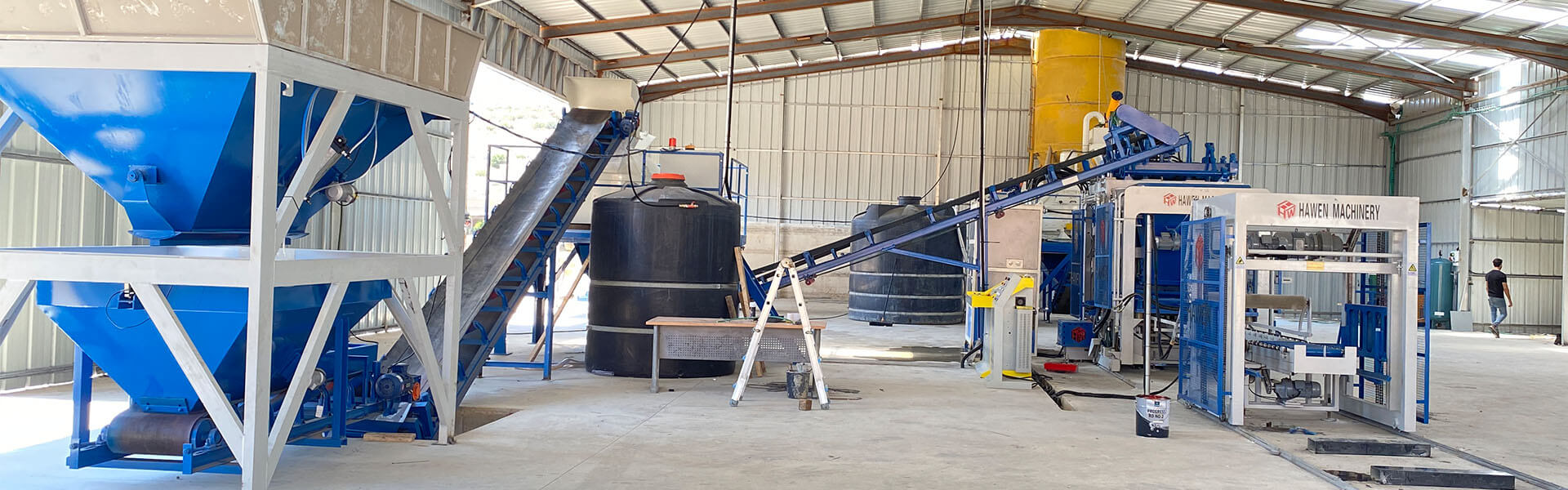
A concrete block making plant includes batching, mixing, conveying, forming, pallet feeding, stacking, curing, and finished block handling. The host machine is important, but it cannot work alone. If the mixer is too small, the host machine waits. If pallets are insufficient, production stops. If the curing yard is crowded, green blocks cannot be moved away quickly enough.
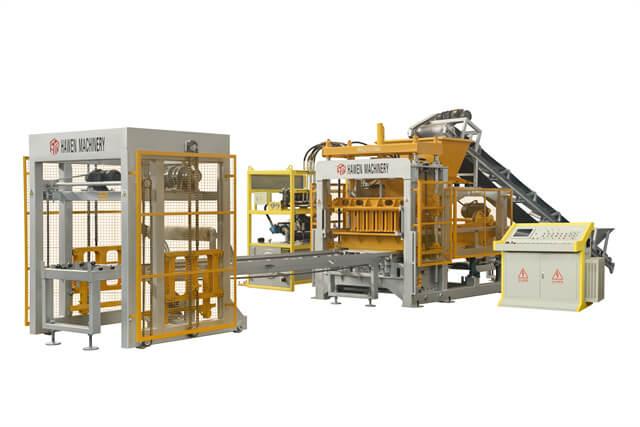
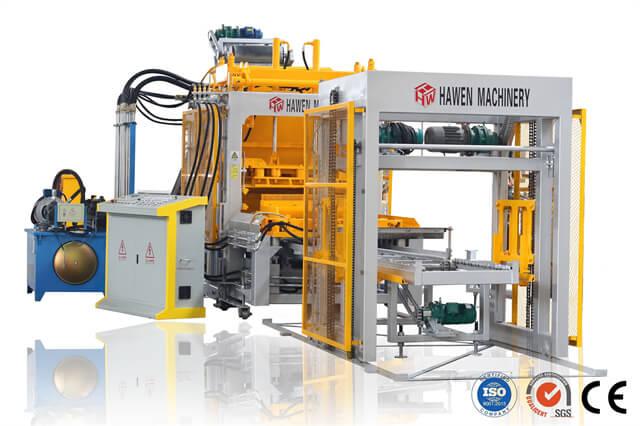
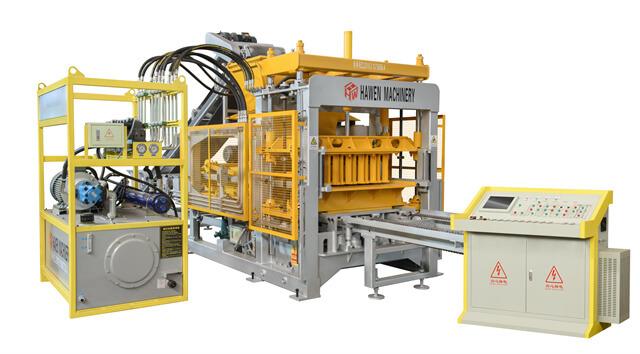
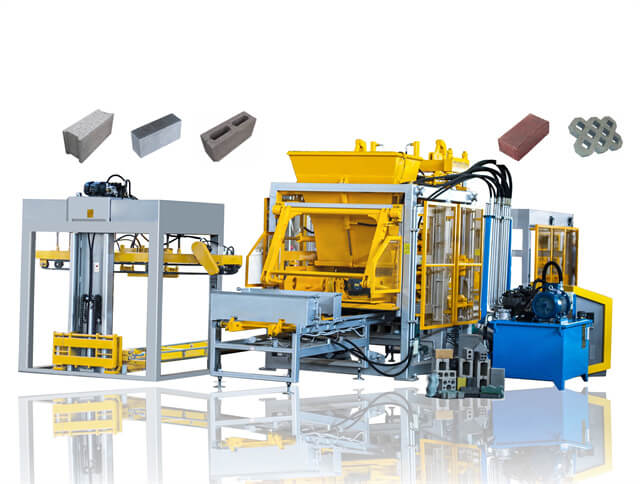
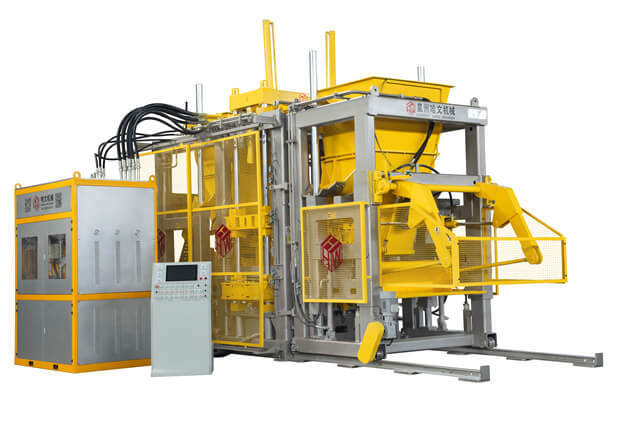
When reviewing a QT8 automatic concrete paver fly ash brick making machine, buyers should ask whether the full line configuration supports the expected output. The same logic applies to QT10-15. A stronger host machine needs stronger matching equipment around it.
Mould layout and product size
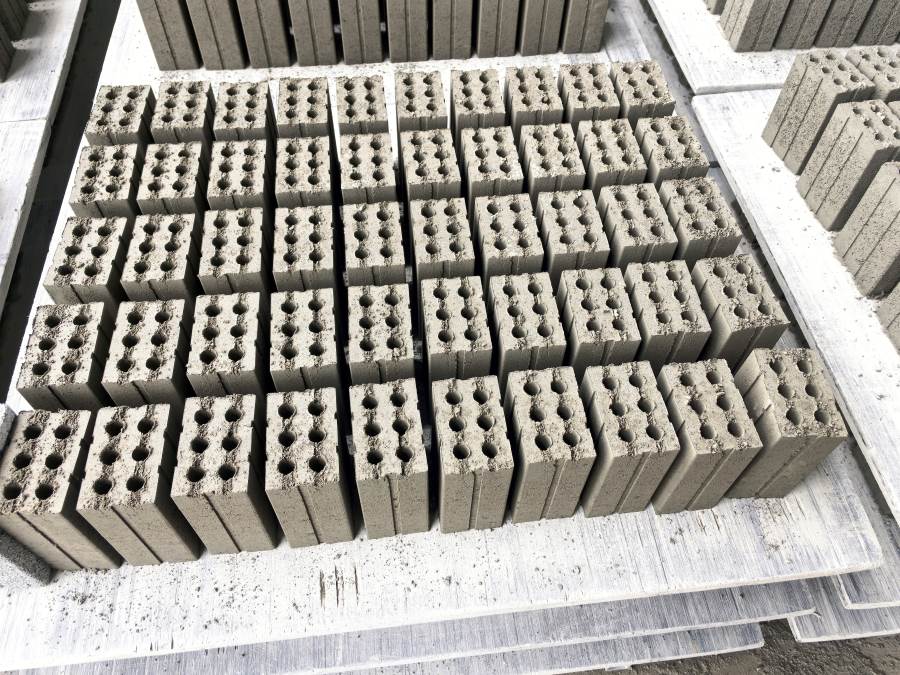
Mould layout directly affects capacity. Hollow blocks, solid blocks, pavers, and kerbstones have different cavity numbers and different pieces per pallet. A QT10-15 machine may produce more pieces per cycle for some products, but the exact output must be confirmed by mould drawing. Buyers should ask for product size, pallet size, cavity number, wall thickness, and estimated pieces per cycle.
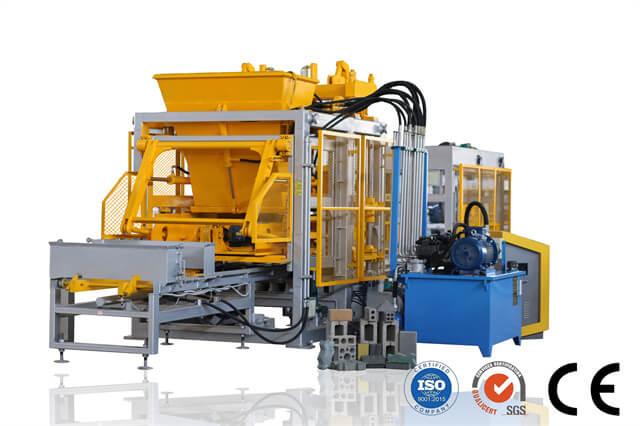
Product weight also changes the production plan. Kerbstones and large solid blocks need stronger pallets and careful stacker handling. Pavers may need face mix feeding and better surface control. Hollow blocks may focus more on high daily quantity and stable demoulding. Capacity comparison should always be connected with the actual product list.
Pallet, stacker, and curing yard
Pallet circulation is one of the most common hidden limits. Every fresh block leaves the machine on a pallet. If empty pallets do not return in time, the machine cannot continue. Pallet quantity should be calculated from cycle time, working hours, curing time, stack height, and product type.
A practical site observation is that forklift routes often decide whether high capacity can be used. The buyer should draw the movement of green blocks, cured blocks, empty pallets, raw materials, and finished products. If these routes cross repeatedly, daily output may fall even when the machine itself is working normally.
Capacity comparison table
| Review item | QT8-15 focus | QT10-15 focus |
|---|
| Market demand | Suitable for controlled growth and medium-to-high output. | Better for stable orders and higher daily sales volume. |
| Site requirement | Requires balanced curing yard and pallet plan. | Requires larger curing space and stronger handling flow. |
| Configuration risk | Check mixer, moulds, pallets, and stacker carefully. | Check whether all supporting systems match higher output. |
FAQ
Is QT10-15 always better than QT8-15?
No. QT10-15 has higher capacity potential, but it needs stronger market demand, more pallets, larger curing space, and better handling equipment.
What should buyers check first?
Buyers should first check product demand, mould drawings, daily output target, mixer size, pallet quantity, stacker type, and curing yard layout.
Conclusion
QT8-15 and QT10-15 should be compared as complete production systems. Buyers should review product size, mould layout, batching and mixing, pallet quantity, stacker flow, curing yard, and market demand before choosing the final model.
To evaluate which machine matches your production plan, prepare your product list, target daily output, and site layout. Contact our sales team for a configuration review based on your actual project data.





 Tel: +86-13905968794
 Email: export@hwmachines.com
 MP/WhatsApp: +86-13905968794
 Manufacturer Address:Nanan,Quanzhou City,Fujian Province,China