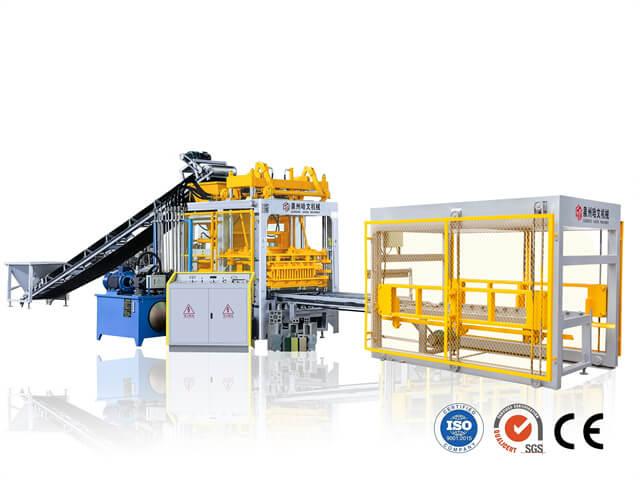
Choosing a concrete block mould is not just a technical detail to settle after buying the machine. The mould determines product size, cavity number, wall thickness, surface shape, output per cycle, pallet load, and ultimately market suitability. If the mould is wrong, even a well-performing automatic concrete block machine may produce blocks that are difficult to sell in the local market.
Buyers should begin mould selection by reviewing actual market products. Local builders may prefer specific hollow block sizes, paver shapes, kerbstone dimensions, or solid block weights. These requirements should be confirmed before mould production begins. A general mould recommendation from another market may not fit local construction habits.
Why mould selection starts with market products
The first question is which product the buyer needs to sell most often. A block factory may plan to produce hollow blocks, solid blocks, pavers, porous bricks, kerbstones, or special blocks, but not every product has the same market demand. The main product should guide the first mould order, while secondary products can be added after production becomes stable.
Mould selection also affects daily capacity. Larger products usually produce fewer pieces per pallet, while smaller pavers may have more pieces per cycle. The buyer should not compare machine output without checking the mould drawing. Product size, cavity layout, pallet size, and cycle result must be reviewed together.
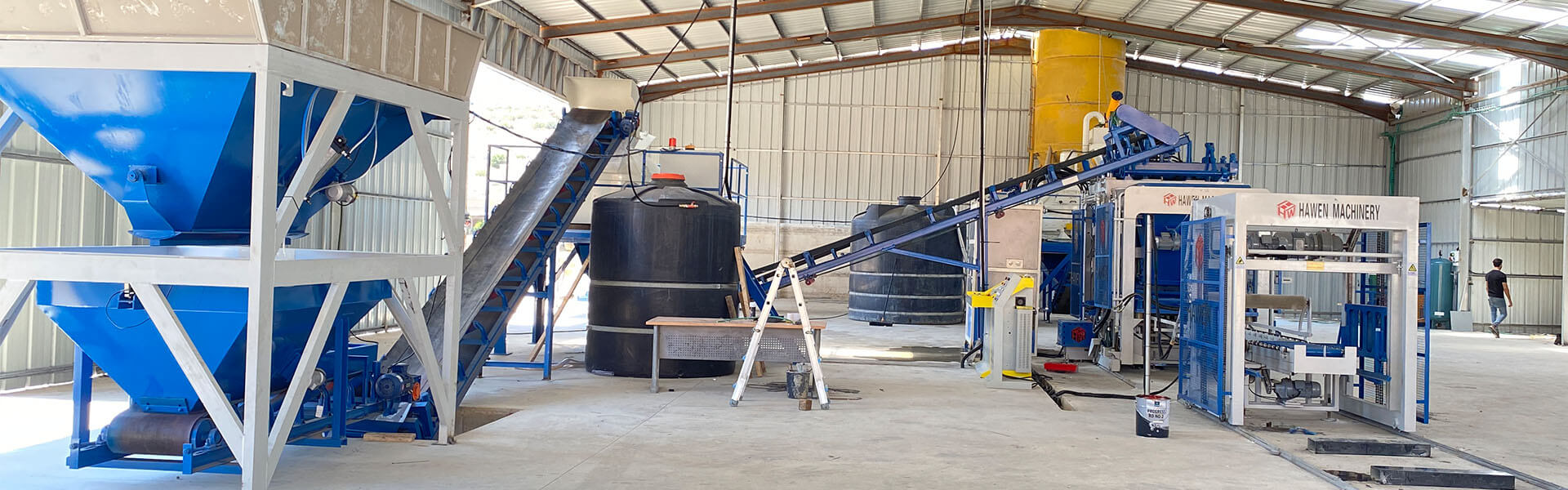
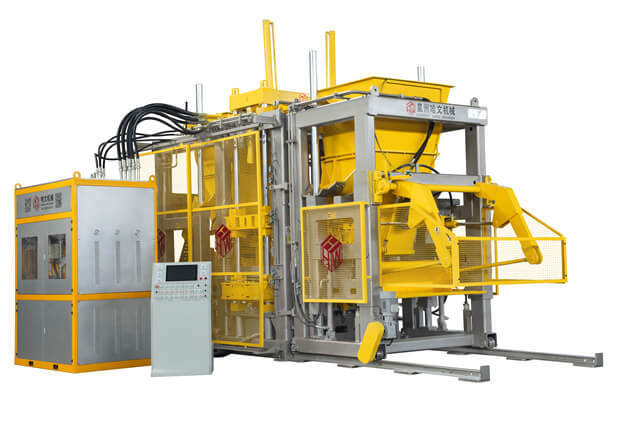
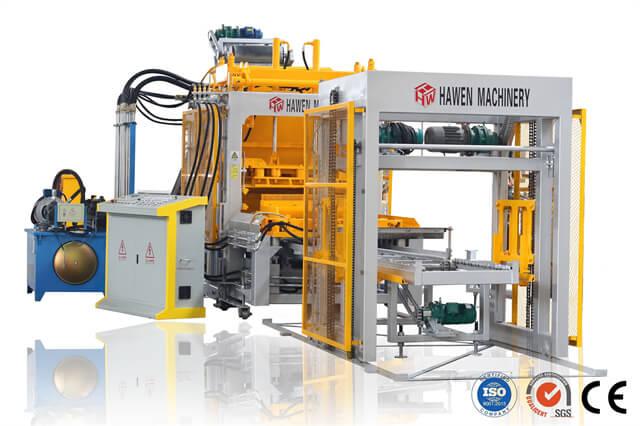
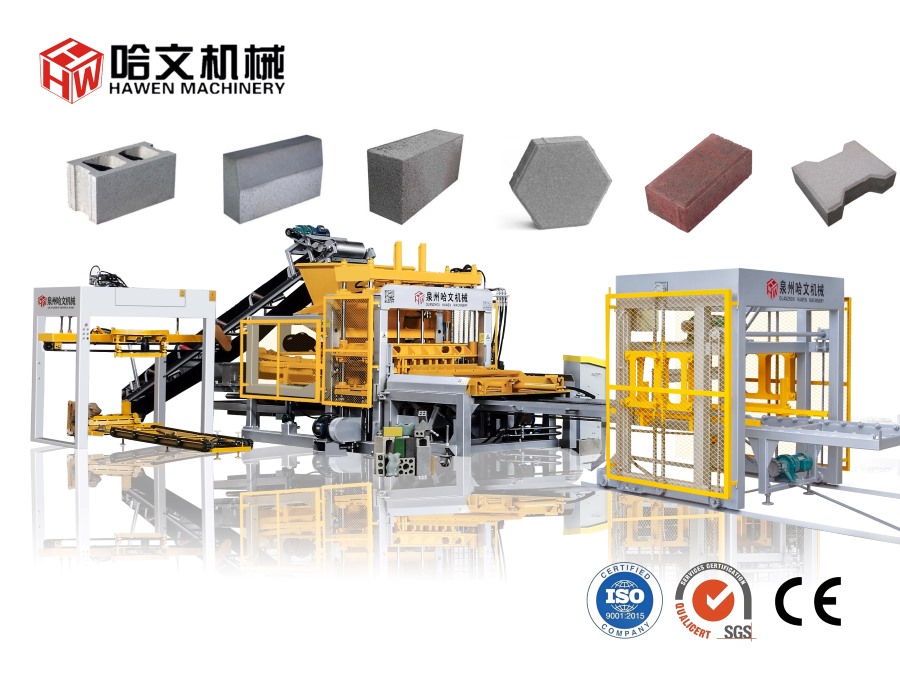
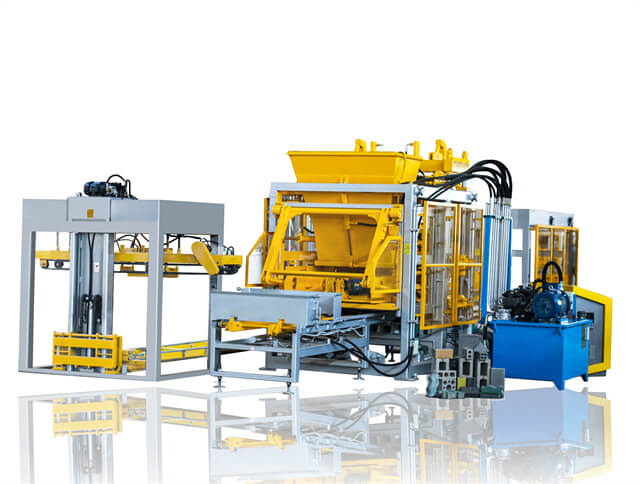
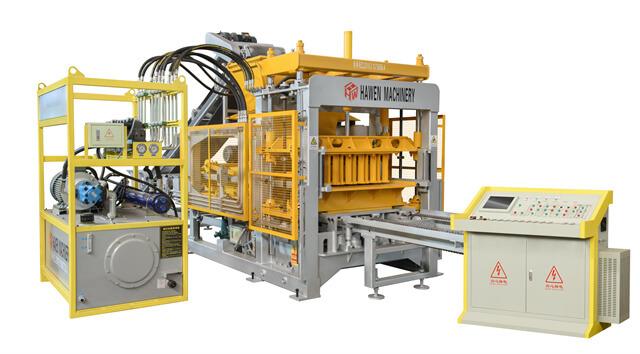
When reviewing a QT8 automatic concrete paver fly ash brick making machine, mould planning should be discussed together with batching, mixing, pallet circulation, stacker flow, and curing yard space. A mould that increases output may also require more pallets and more curing area.
Hollow block, paver, and kerbstone mould differences
Hollow block moulds should be checked for wall thickness, web design, demoulding clearance, and cavity alignment. Thin webs reduce material consumption but may crack if the concrete recipe or vibration setting is unstable. Thick webs improve strength but increase product weight and cost. The buyer should balance material cost with local building expectations.
Paver moulds often require better surface finish. If the buyer wants colored pavers or two-layer pavers, face mix feeding may be needed. The mould should support clean edges, stable surface density, and easy cleaning. Pigment, fine aggregate, moisture control, and vibration setting all influence the finished paver appearance.
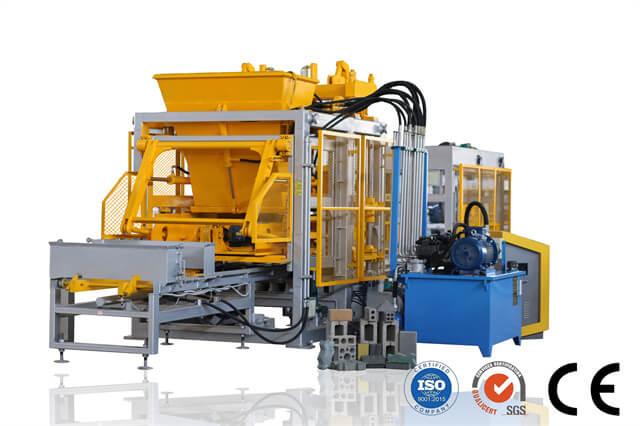
Kerbstone moulds create heavier products. The buyer should check whether the machine, pallet, stacker, and forklift route can handle the weight. Kerbstones may need stronger pallets and more careful stacking. Output per cycle may be lower, but handling pressure is higher.
Mould drawing, pallet size, and machine matching
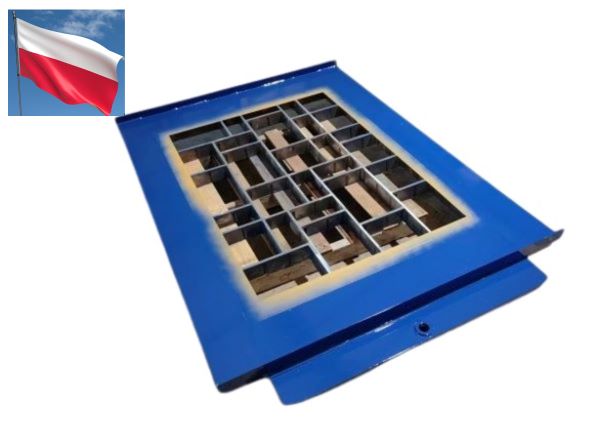
A mould drawing should show product length, width, height, cavity number, wall thickness, pallet size, and expected pieces per cycle. This drawing should be confirmed before production. If the buyer only provides a photo without exact dimensions, the mould may not match the local market.
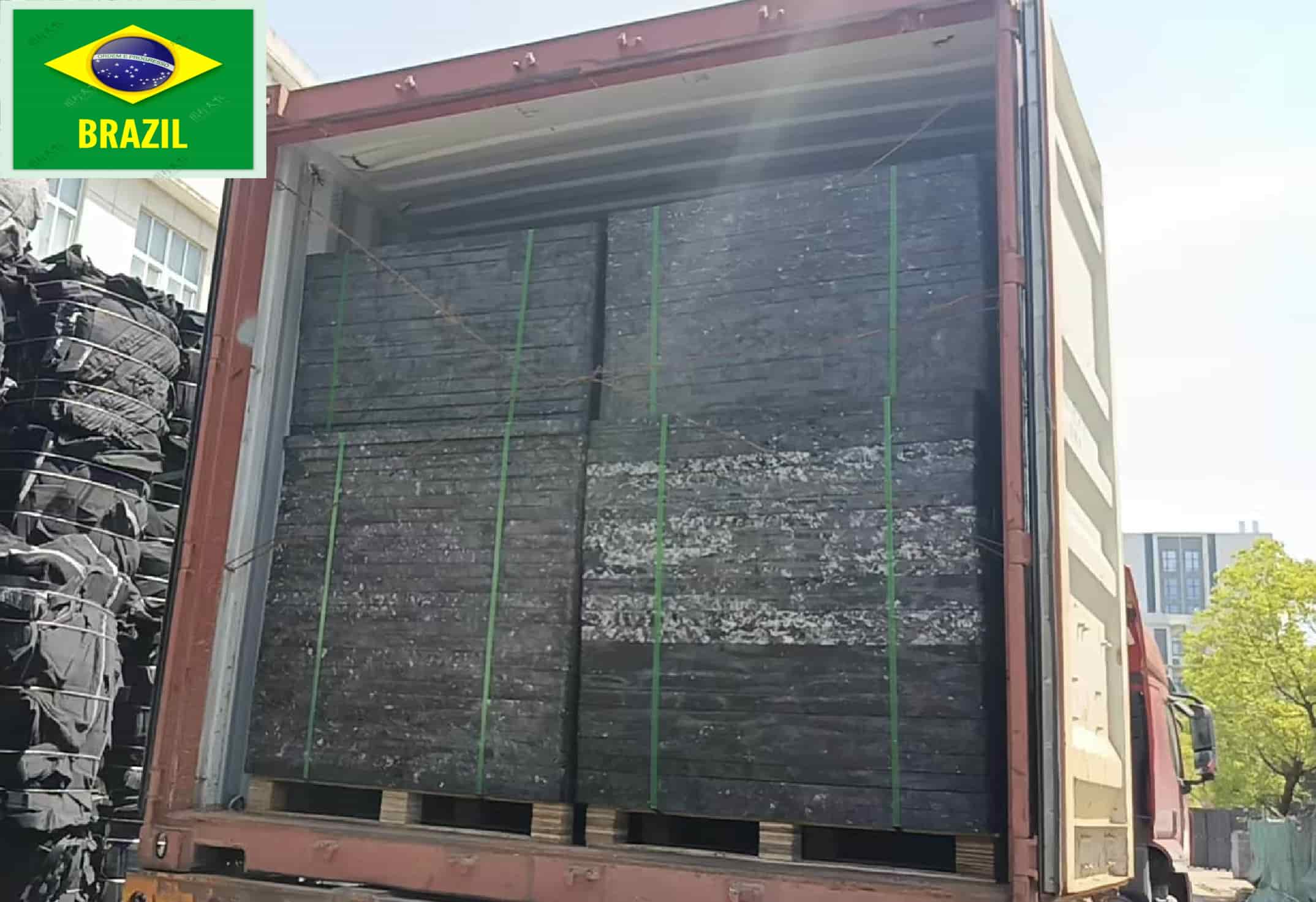
Pallet size must match the mould and host machine. A larger mould layout may require a specific pallet size and stronger pallet material. If the pallet is too weak, fresh blocks may crack during transfer. If the pallet does not match the feeder, automatic production may become unstable.
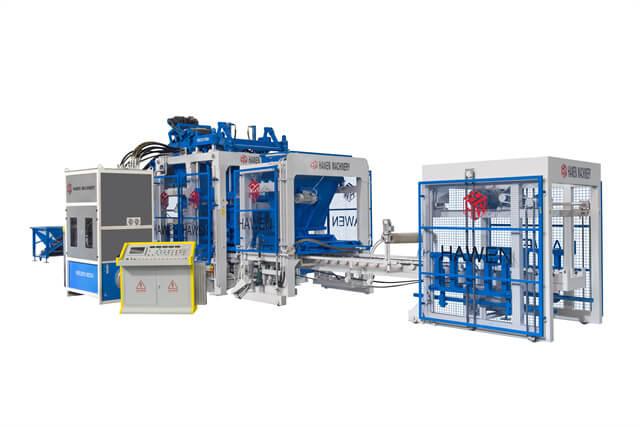
A practical buyer observation is that mould problems often appear as product problems. If blocks lose corners, crack around hollow webs, show uneven height, or stick during demoulding, the cause may be mould clearance, material moisture, vibration time, or pallet movement. The buyer should record these details during commissioning instead of changing settings randomly.
Mould selection table
| Review item |
What to check |
Buyer meaning |
| Market product size |
Confirm local hollow block, paver, or kerbstone dimensions. |
Prevents production of blocks that are difficult to sell. |
| Cavity number |
Check pieces per cycle according to product size and pallet size. |
Connects mould design with real capacity. |
| Wall thickness |
Review hollow block webs, strength demand, and material cost. |
Balances durability and production economy. |
| Pallet matching |
Confirm pallet size, pallet strength, and feeder compatibility. |
Reduces fresh block damage and machine stoppage. |
FAQ
Should the buyer confirm mould drawings before ordering?
Yes. Mould drawings should be confirmed before production because they define product size, cavity layout, pallet size, and output per cycle.
Can one machine use many moulds?
Yes, but each mould must match the machine model, pallet size, material feeding method, and product requirement. Frequent mould changes also require operator training.
Why do blocks crack after demoulding?
Possible causes include dry material, uneven feeding, thin webs, wrong vibration setting, mould wear, poor pallet condition, or rough handling before curing.
Conclusion
Concrete block mould selection should begin with market product demand and end with confirmed drawings. Buyers should check product size, cavity number, wall thickness, pallet matching, mould maintenance, and machine compatibility before ordering. The next step is to compare the mould drawing with local block samples and confirm whether the plant layout, pallets, and curing yard can support the selected product range.
Before placing a mould order, prepare your target block dimensions, expected pieces per cycle, pallet size, and a sample of the local product you need to match. Share these details with our sales team to verify mould compatibility with your machine model and plant layout. Review automatic palletizing system options to confirm your handling line can support the selected mould output.






 Tel: +86-13905968794
 Email: export@hwmachines.com
 MP/WhatsApp: +86-13905968794
 Manufacturer Address:Nanan,Quanzhou City,Fujian Province,China